Yellowjacket Behavior: Movement, Aggression, Activity Patterns, and Survival Explained
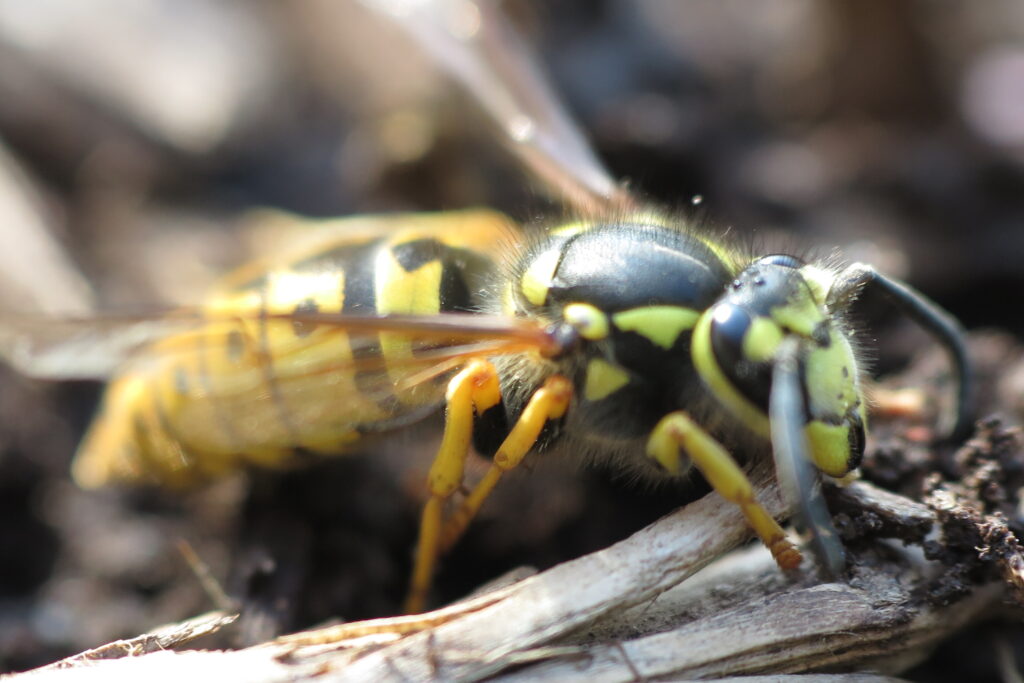
Quick Facts
Scientific Name: Vespula spp.
Common Name: Yellowjacket
Activity Type: Diurnal (day-active)
Social Structure: Eusocial (colony-based with workers and queen)
Territorial Behavior: Highly territorial near nest sites
Movement Style: Fast, agile flight with sudden directional changes
Communication Method: Pheromones (chemical signaling)
Defense Strategy: Stinging, swarm response, chemical alarm signals
Location Observed: Pennsylvania
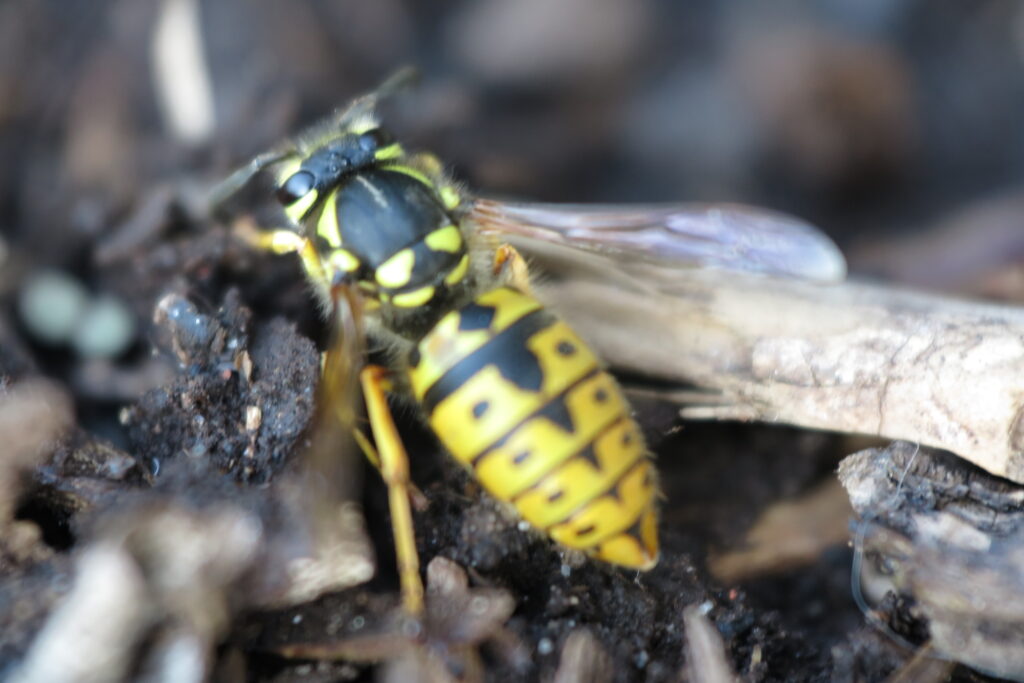
The yellowjacket is a highly active wasp species known for its sharp movements, alert posture, and rapid response to its surroundings. Its behavior is defined by constant motion and heightened awareness, giving it a presence that feels both energetic and deliberate. Even when at rest, it appears ready to react within seconds.
Found across temperate regions of North America, Europe, and parts of Asia, yellowjackets have developed behavioral patterns that allow them to function efficiently in a wide range of environments. Their actions are often noticed during warmer months when activity levels increase and encounters become more frequent.
Whether flying low to the ground or hovering briefly before darting away, yellowjackets display behavior that is purposeful and controlled. Their presence is often detected through movement rather than sound, as they move quickly and with precision through their surroundings.
Yellowjacket Behavior Overview and General Activity Patterns
The behavior of the yellowjacket is centered around constant activity and responsiveness. These wasps rarely remain stationary for long periods, instead moving continuously as they navigate their environment. Their flight is direct and controlled, allowing them to quickly assess and respond to changes around them.
Activity levels are typically highest during daylight hours, when visibility and environmental conditions support movement. During this time, yellowjackets are frequently seen flying, landing, and taking off again within seconds, creating a pattern of near-constant motion.
Adaptability plays a major role in their behavior. Yellowjackets can adjust their activity based on external conditions, maintaining efficiency whether conditions are stable or changing. This flexibility contributes to their success across different regions.
Overall, their behavioral traits reflect a balance between speed and control. They are neither random nor chaotic in their movement, but instead operate with a level of consistency that allows them to function effectively within their environment.
Yellowjacket Movement, Activity Cycles, and Behavioral Traits
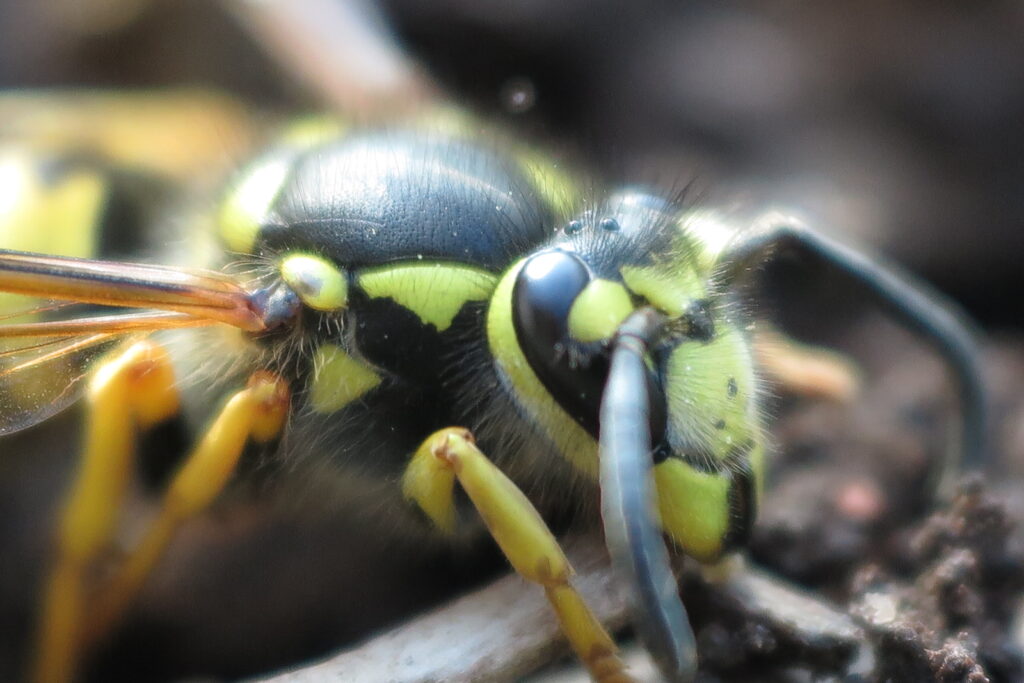
Yellowjackets are known for their fast, agile flight, characterized by sudden changes in direction and rapid acceleration. Their ability to hover briefly before moving again allows them to inspect their surroundings closely while maintaining readiness to move at any moment.
They are primarily active during the day, with peak activity occurring in warm, bright conditions. As temperatures rise, their movement becomes more frequent and noticeable, often bringing them into view as they move through open spaces or near ground level.
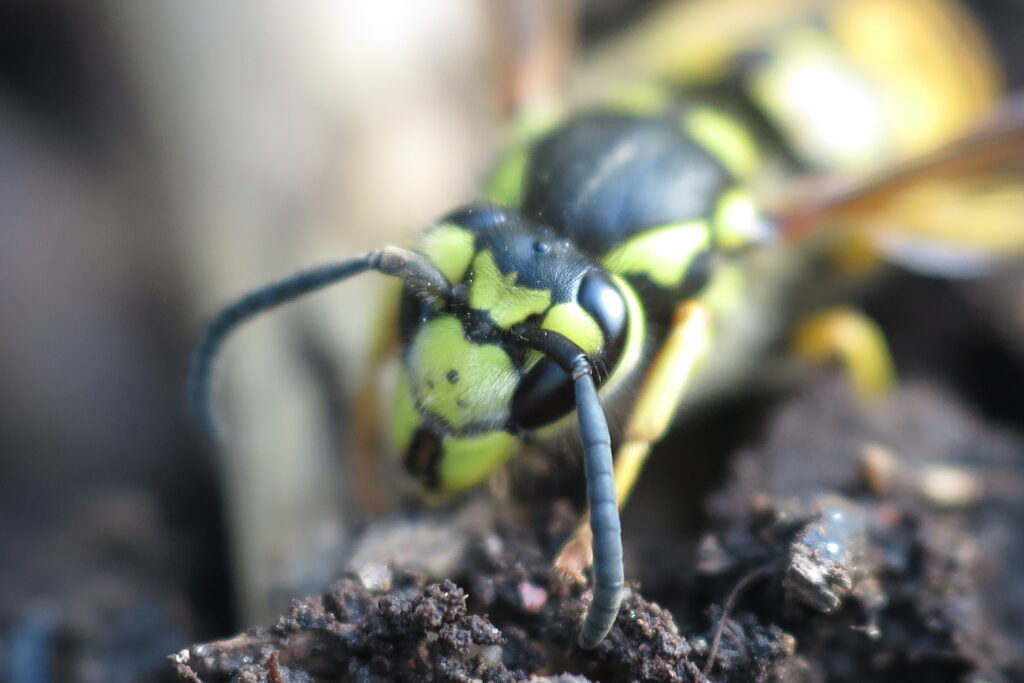
Territorial behavior is a defining aspect of yellowjacket activity. When their nest area is approached or disturbed, they respond quickly and assertively. This behavior is driven by a strong instinct to protect the colony, making them highly defensive when necessary.
Communication occurs through pheromones, allowing individuals to signal danger or coordinate responses. When one yellowjacket detects a threat, it can release chemical signals that alert others, triggering a coordinated defensive reaction.
Yellowjacket Interaction and Survival Behavior Strategies
Yellowjackets exhibit a complex social structure, operating within organized colonies that function as a single unit. Each individual contributes to the overall survival of the group, with roles divided among workers and the queen. This social organization enhances their ability to respond to environmental challenges.
When faced with threats, yellowjackets rely on rapid defensive strategies. Their primary defense is their ability to sting, which can be used repeatedly. In addition to individual defense, they can respond collectively when alarm signals are triggered.
Feeding-related behavior is integrated into their movement patterns, with individuals constantly searching for resources as they travel. This ongoing activity ensures that they maintain access to necessary resources while remaining alert to potential threats.
Survival for the yellowjacket depends on coordination, speed, and responsiveness. Their behavior reflects a combination of individual action and collective defense, making them one of the more dynamic and reactive insect species encountered in the wild.