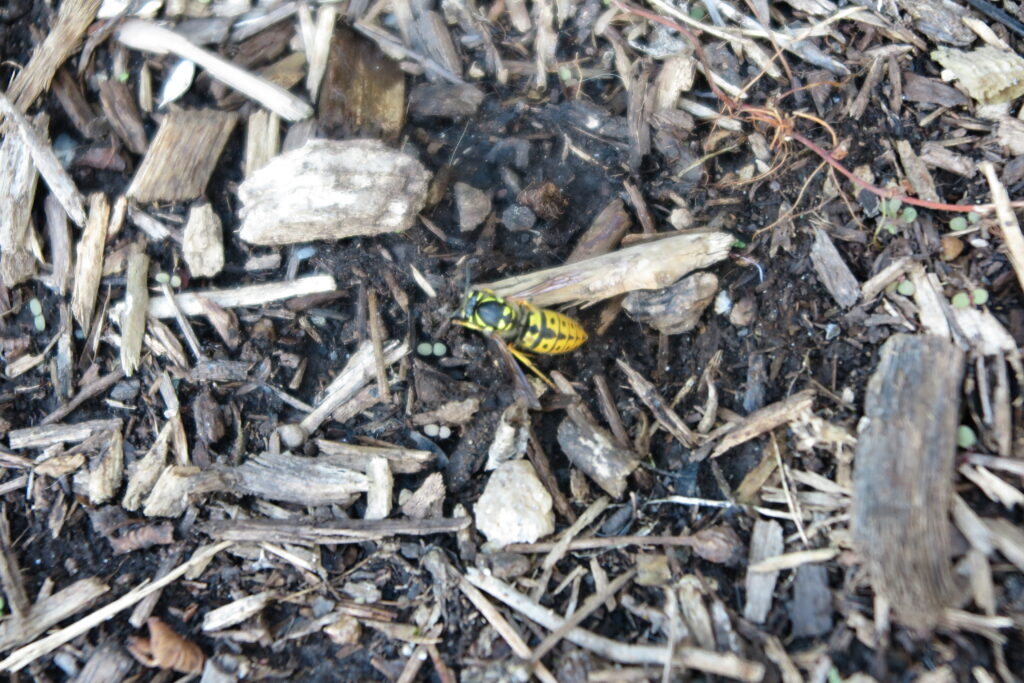
Yellowjacket Wasp Identification, Behavior, and Habitat (Vespula spp. Overview Guide)
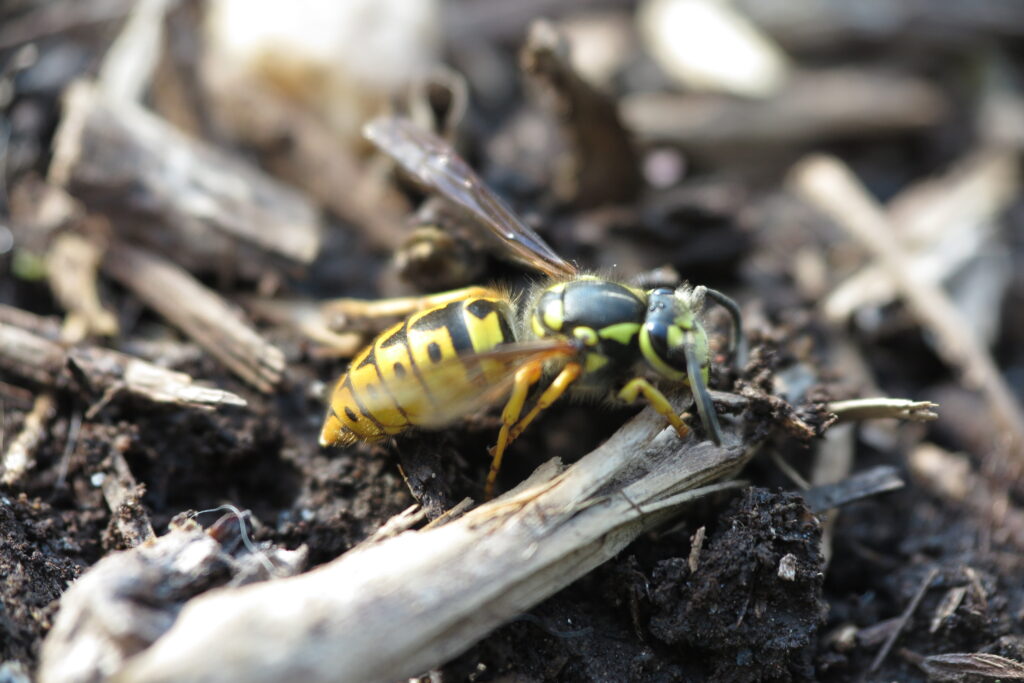
Quick Facts
Scientific Name: Vespula spp.
Common Name: Yellowjacket
Location: Forest edges, fields, urban areas, gardens
Average Size: 0.4–0.6 inches (10–16 mm)
Lifespan: Workers: a few weeks; Queens: up to 1 year
Global Range: Native to North America and Eurasia; widely distributed across temperate regions
Conservation Status: Not Evaluated
Notable Feature: Bold black-and-yellow banding with a smooth, narrow-bodied wasp shape
Location Observed: Pennsylvania
The yellowjacket is a fast-moving, brightly colored wasp recognized by its sharp black-and-yellow pattern and compact, streamlined body. Unlike fuzzier bee species, it has a smooth surface and a more defined, narrow waist, giving it a sleek and agile appearance. Its bold coloration acts as a visual signal that immediately sets it apart in natural environments.
Yellowjackets are found across temperate regions worldwide, with species present throughout North America, Europe, and parts of Asia. They have adapted well to a wide range of environments and are commonly encountered in both natural landscapes and areas influenced by human activity.
Often noticed while moving close to the ground or hovering briefly before darting away, the yellowjacket brings a sense of alert energy to its surroundings. Whether seen near open spaces or passing quickly through vegetation, it is a species that rarely goes unnoticed.
Yellowjacket Overview and Physical Characteristics
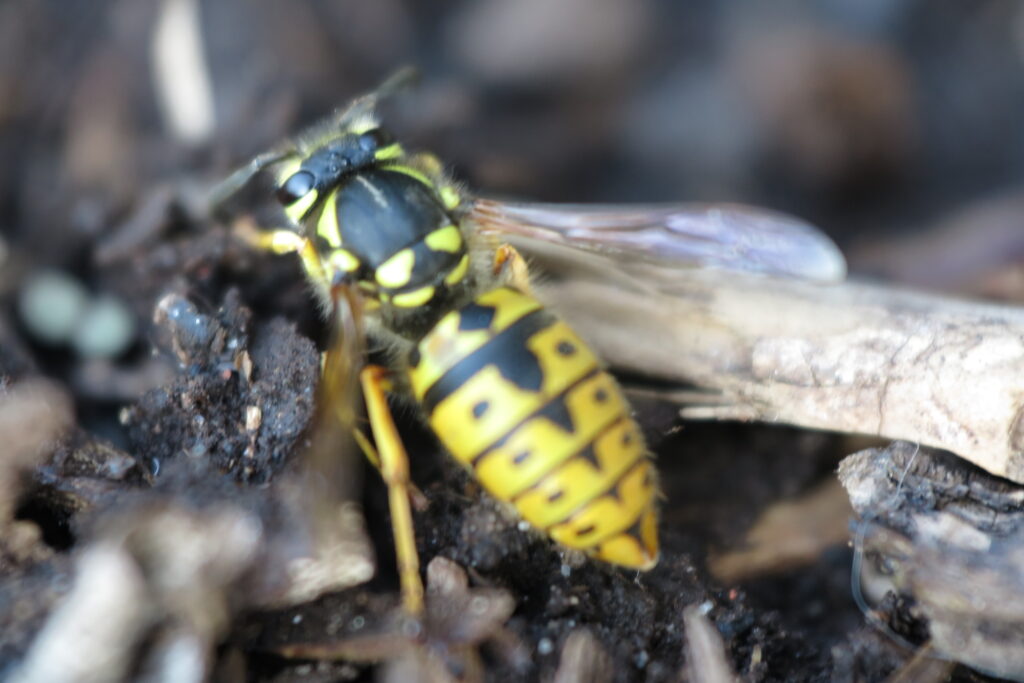
The yellowjacket displays a striking contrast of bright yellow and deep black bands across its body, a pattern that serves as both identification and warning. Its body is compact and aerodynamic, designed for rapid movement and precision in flight. The wings are translucent and fold neatly along the back when at rest.
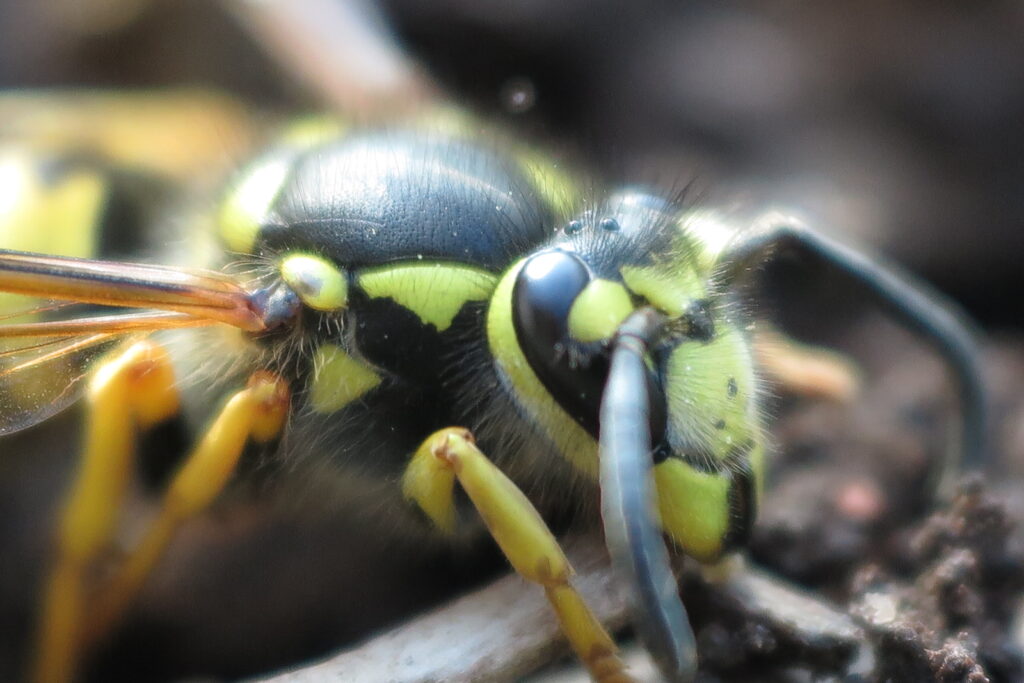
Unlike bees, yellowjackets lack dense body hair, giving them a more polished, almost glossy appearance. This smoother structure contributes to their agility and speed. Their legs are relatively slender, and their antennae are constantly active, sensing their surroundings.
Their distribution spans multiple continents, reflecting a high level of environmental adaptability. Yellowjackets can thrive in diverse conditions, from open landscapes to more developed areas, adjusting to variations in climate and terrain.
Overall, the yellowjacket represents a highly adaptable and visually distinct insect. Its appearance alone makes it one of the most recognizable wasp species, even to those unfamiliar with insect identification.
Yellowjacket Behavior and Movement Patterns
Yellowjackets are highly active insects, known for their quick, darting flight and constant movement. They rarely remain still for long, instead moving with purpose and speed as they navigate their environment. Their flight pattern is direct and agile, allowing for rapid changes in direction.
They exhibit strong territorial behavior, particularly when defending their nesting area. When disturbed, they may respond quickly and aggressively, making them one of the more defensive wasp species. This behavior is driven by their instinct to protect their colony.
Communication occurs through chemical signals rather than sound. Yellowjackets use pheromones to coordinate activity and alert others to potential threats. This form of communication allows them to respond collectively when necessary.
Their activity levels are typically highest during warmer periods, when they are most visible and active. They remain engaged in constant movement, contributing to their reputation as persistent and noticeable insects.
Yellowjacket Habitat and Environmental Conditions
Yellowjackets are found in a variety of environments that provide suitable conditions for nesting and activity. They commonly occupy areas where the ground or structures allow for the establishment of secure nesting sites. These environments support their lifecycle and allow for colony development.
They are often associated with open landscapes, including fields and edges of wooded areas. These locations provide access to resources while maintaining the structural conditions needed for nesting. Their presence in such environments reflects their adaptability.
In addition to natural settings, yellowjackets can also be found in environments influenced by human activity. Urban and suburban areas offer numerous potential nesting locations, allowing them to persist in close proximity to people.
Environmental conditions such as temperature and seasonal changes influence their presence and activity. Warmer climates support increased activity, while colder conditions limit their visibility. These factors shape where and when yellowjackets are most commonly encountered.