Yellowjacket Habitat: Where Yellowjackets Live, Nesting Environments, and Natural Range
Quick Facts
Scientific Name: Vespula spp.
Common Name: Yellowjacket
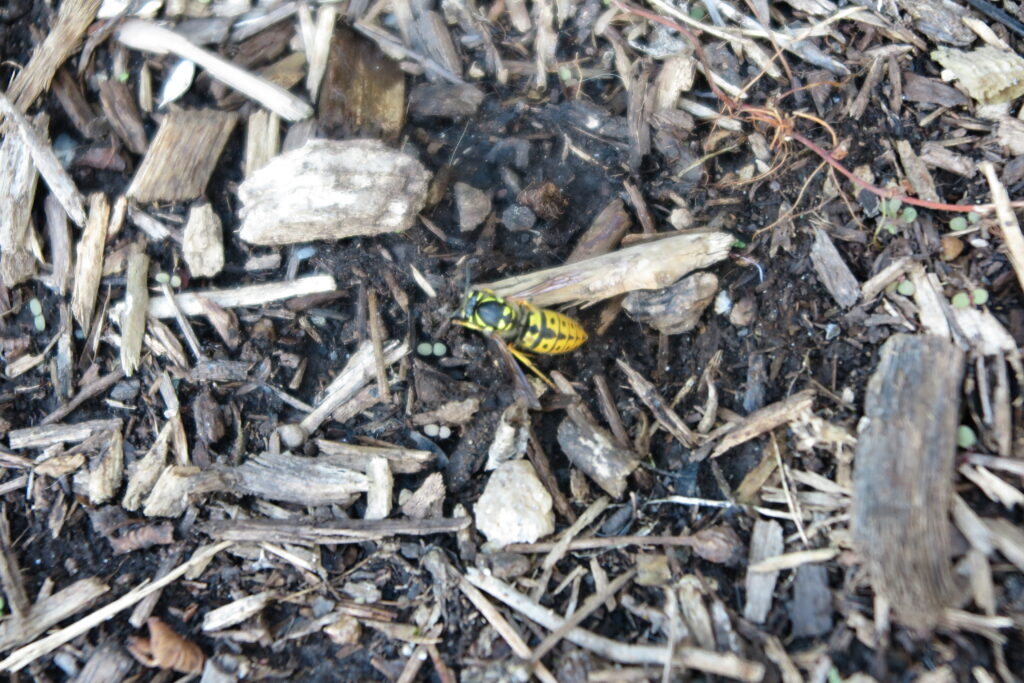
Primary Habitat: Underground nests in soil and burrows
Secondary Habitat: Forest edges, grasslands, urban and suburban areas
Climate Preference: Temperate climates with warm seasons
Environment Type: Terrestrial (ground and structural nesting environments)
Elevation / Depth Range: Ground level to several feet below surface; also above-ground cavities
Geographic Distribution: Native to North America and Eurasia; widespread across temperate regions
Location Observed: Pennsylvania
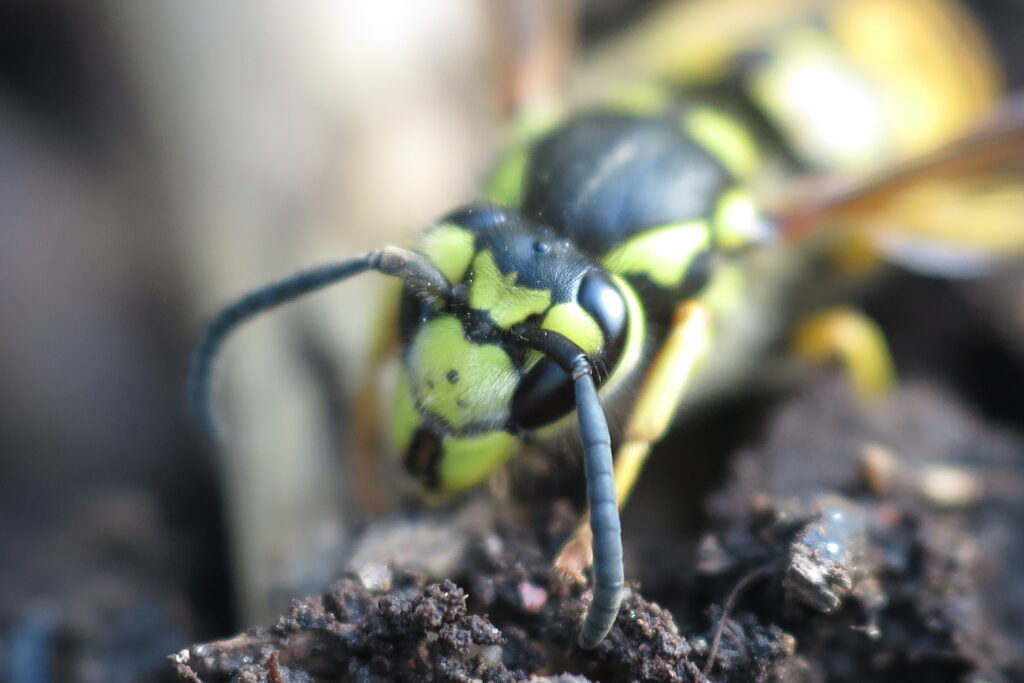
The yellowjacket is a highly adaptable wasp species that occupies a wide range of terrestrial environments. Recognized by its bold black-and-yellow pattern and streamlined body, it is commonly encountered in areas where open space and structural features provide suitable nesting opportunities. Its presence is often tied to environments that support both movement and colony development.
Native to temperate regions across North America, Europe, and parts of Asia, yellowjackets have established themselves in diverse landscapes. Their ability to adapt to both natural and human-influenced environments has allowed them to expand their presence across multiple continents.
Seen moving quickly near the ground or disappearing into hidden nesting sites, the yellowjacket occupies spaces that often go unnoticed until activity increases. Its habitat is defined not only by where it is seen, but by the concealed environments it uses for nesting and survival.
Yellowjacket Habitat Overview and Environmental Range
The habitat of the yellowjacket spans a wide variety of environments, reflecting its strong adaptability. It is commonly found in areas that combine open ground with nearby structures or natural features that allow for nesting. These conditions support both mobility and colony establishment.
Across its global range, the yellowjacket thrives in temperate climates where seasonal changes provide cycles of activity and dormancy. It is present in forests, fields, and developed areas, demonstrating its ability to adjust to both natural ecosystems and human-altered landscapes.
Its environmental preferences are not limited to a single type of terrain. Instead, the yellowjacket occupies environments that offer a balance of shelter and accessibility. This flexibility allows it to exist in a wide range of conditions without relying on a specific habitat type.
Overall, the yellowjacket’s habitat reflects a combination of adaptability and environmental awareness. Its widespread distribution highlights its ability to persist in varied landscapes while maintaining consistent nesting and living patterns.
Yellowjacket Habitat Types and Where They Live
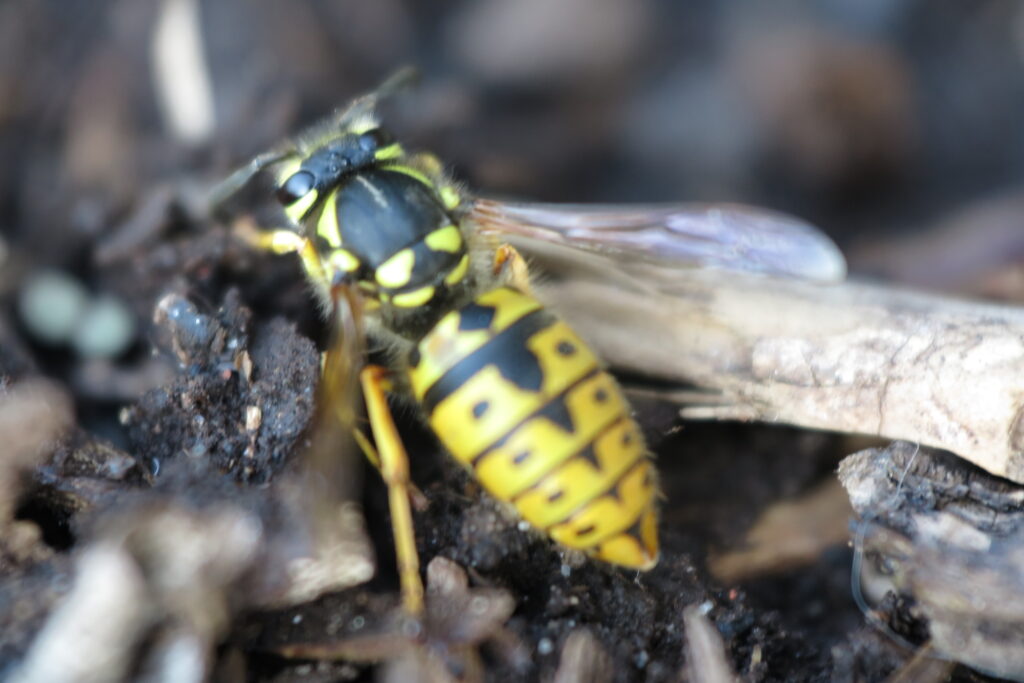
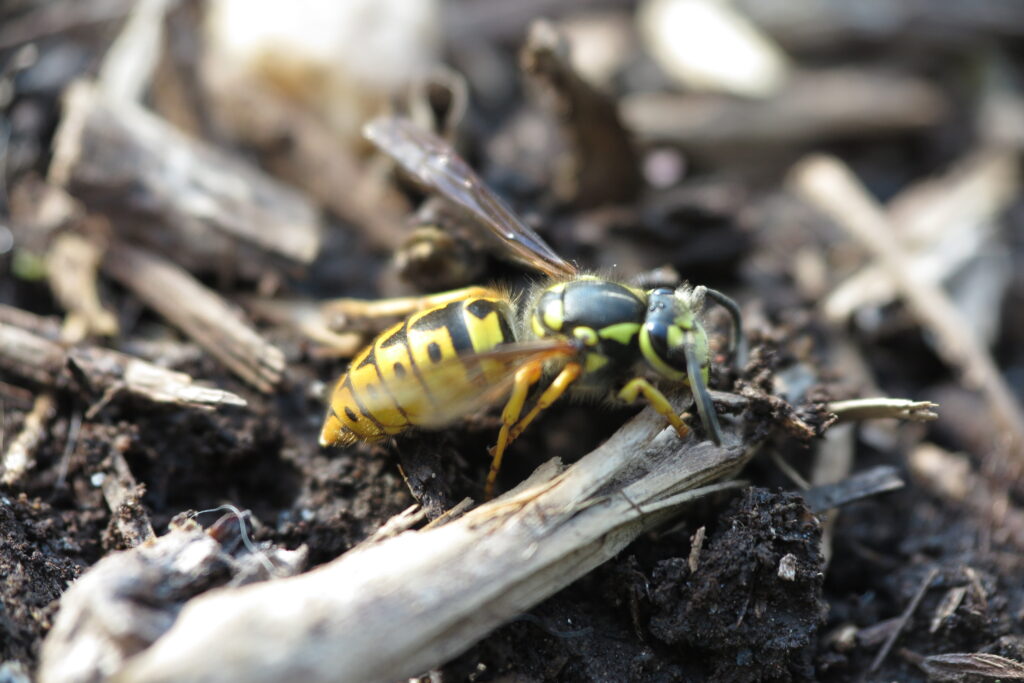
Yellowjackets are most commonly associated with underground nesting sites, often utilizing abandoned burrows or natural openings in the soil. These locations provide protection and structural stability, allowing colonies to develop beneath the surface.
In forested environments, they may establish nests near the edges of wooded areas where open ground meets vegetation. These transitional zones offer both cover and accessibility, creating ideal conditions for nesting.
Grasslands and open fields also support yellowjacket populations, particularly where soil conditions allow for easy excavation or access to existing cavities. These environments provide space for movement while supporting colony placement.
In urban and suburban settings, yellowjackets often adapt to available structures, including wall voids, attics, and other enclosed spaces. These environments mimic natural nesting conditions, allowing them to persist even in heavily developed areas.
Yellowjacket Environmental Conditions and Habitat Preferences
The yellowjacket thrives in climates that offer warm temperatures and seasonal variation. These conditions support colony development during active periods while allowing for natural cycles that influence population dynamics. Temperature plays a key role in determining where and when they are most active.
Soil composition and terrain influence nesting opportunities, particularly for ground-based colonies. Loose, well-drained soil provides suitable conditions for underground nesting, while stable structures offer alternatives in other environments.
Vegetation contributes to habitat quality by providing environmental stability and protection. Areas with a mix of plant life and open space create balanced conditions that support long-term presence.
Seasonal changes shape the overall habitat experience, influencing availability of resources and environmental conditions. These factors combine to create environments where yellowjackets can establish, persist, and maintain their presence across a wide range of landscapes.