
Buff Orpington Chicken Diet Guide: Feeding Habits, Natural Foods, and Foraging Behavior
Quick Facts
Diet Type: Omnivore
Main Food Sources: Seeds, grains, insects, plants, and small invertebrates
Feeding Time: Primarily daytime feeding
Foraging Method: Ground scratching and pecking
Seasonal Diet Changes: Increased plant and insect variety during warmer months
Predatory Adaptations: Strong pecking instinct and excellent ground-level food detection
Introduction to the Buff Orpington Chicken Diet and Feeding Habits
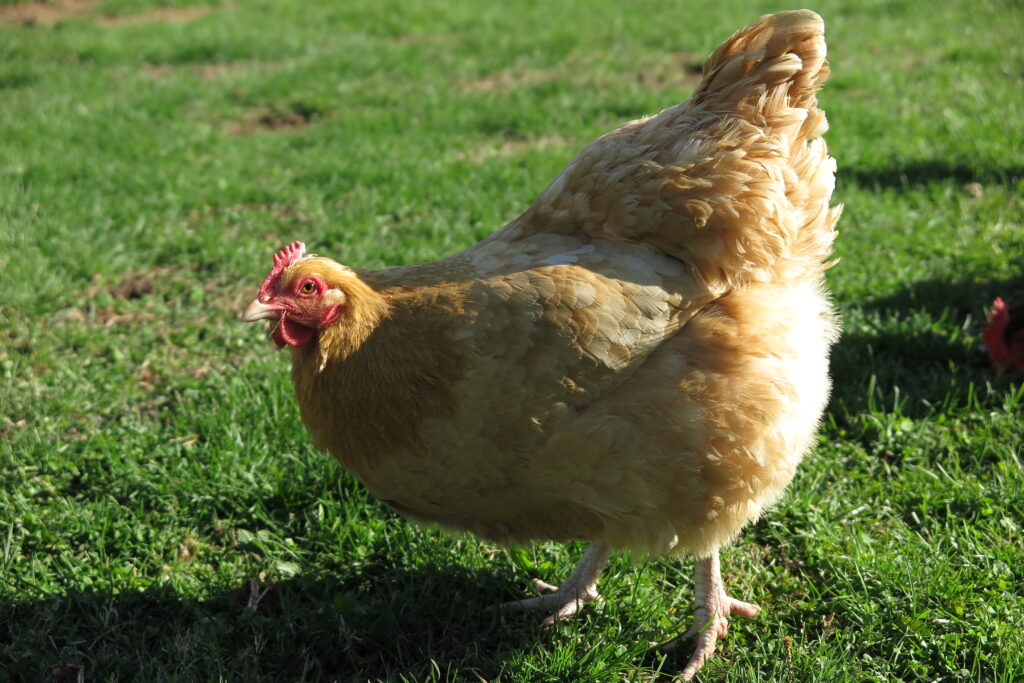
The Buff Orpington chicken is a domesticated poultry breed recognized for its calm nature and steady foraging habits. Found on farms, homesteads, and backyard flocks across many parts of the world, this breed spends much of its daily routine searching for food along the ground. Its large body size and relaxed behavior create an image closely associated with traditional farmyard feeding activity.
Originally developed in England, Buff Orpingtons were bred to function as productive farm chickens capable of adapting to changing agricultural environments. Their feeding habits reflect this versatility, allowing them to consume a broad range of food sources depending on availability and season. Unlike highly specialized animals that depend on one narrow food category, Buff Orpington chickens survive through dietary flexibility.
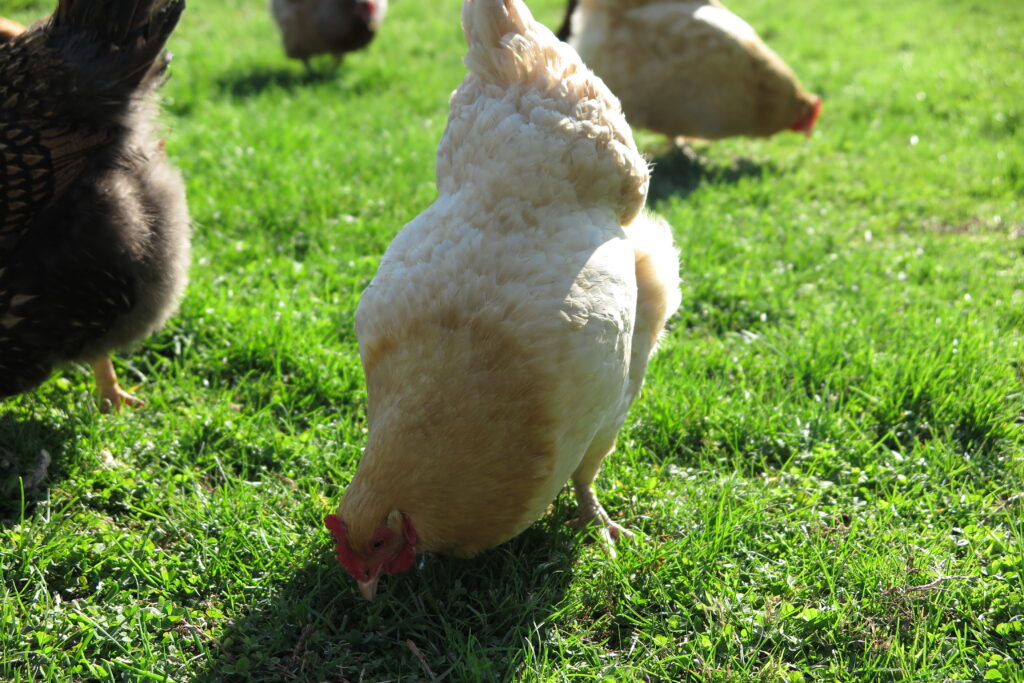
In outdoor settings, these chickens are commonly observed wandering through grass, loose soil, and straw-covered areas while continuously investigating the ground. Their feeding activity appears methodical and patient rather than rushed or aggressive. Even in managed environments where food is regularly provided, Buff Orpingtons often continue natural foraging behavior throughout the day.
The breed’s omnivorous feeding style plays a major role in its worldwide success as a domestic chicken. Whether raised in large rural farms or smaller backyard enclosures, Buff Orpingtons adapt easily to different food conditions and agricultural systems. Their willingness to explore a wide variety of edible materials makes them one of the more dependable and adaptable heritage chicken breeds in domestic poultry keeping.
Buff Orpington Chicken Diet Overview and Feeding Adaptability
Buff Orpington chickens are omnivores, meaning they consume both plant-based and animal-based food sources. This broad feeding strategy allows the breed to thrive in a wide range of managed agricultural environments. Instead of relying on a single food category, Buff Orpingtons take advantage of many available resources throughout the year.
The breed’s diet is highly flexible compared to animals with specialized feeding requirements. While some bird species depend heavily on specific seeds, insects, or vegetation types, Buff Orpingtons readily adjust their food intake based on what is accessible. This adaptability is one reason domestic chickens have successfully spread across so many regions worldwide.
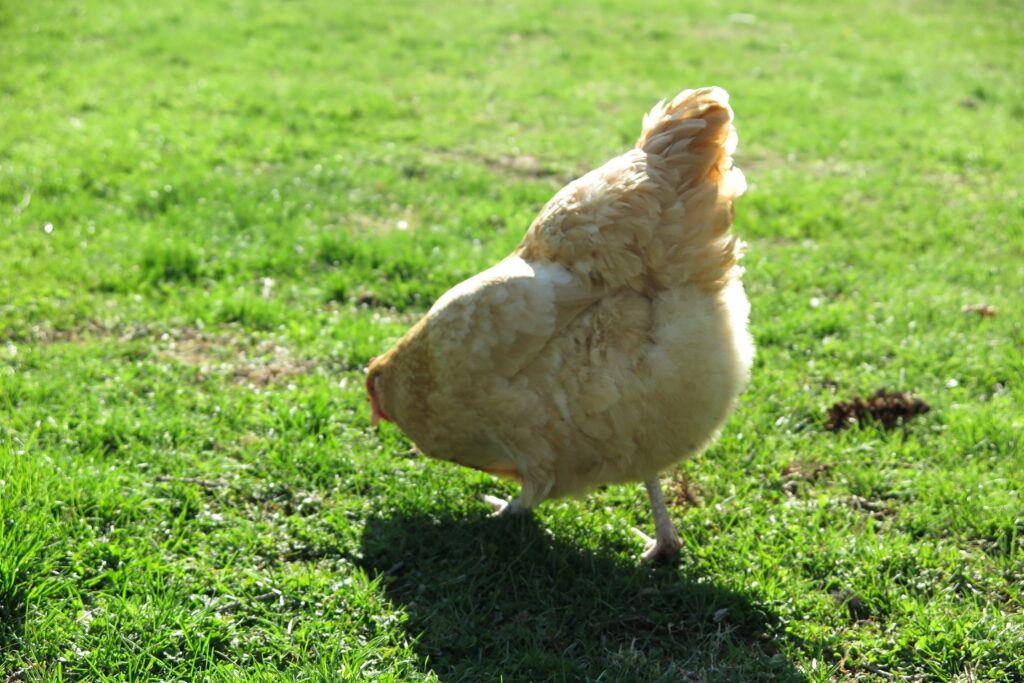
Buff Orpingtons are consistent daytime feeders that spend long periods searching for edible material across open ground. Their feeding behavior rarely appears hurried, with birds moving slowly while pecking repeatedly at soil, grass, and scattered debris. The process resembles small farm birds carefully inspecting nearly every surface they cross.
Food variety often changes depending on climate, season, and farming conditions. Chickens raised in open free-range environments may consume a broader range of natural materials than birds kept in enclosed runs. Even so, Buff Orpingtons generally remain less selective than many other domestic bird species and continue feeding effectively in both settings.
Compared to lighter and more energetic breeds, Buff Orpingtons often appear calmer while feeding. Instead of aggressively racing between food sources, they commonly maintain a steady pace and remain focused on methodical ground foraging. This relaxed feeding style matches the breed’s broader reputation for calm temperament and manageable behavior.
The breed’s omnivorous nature also helps support survival in changing environmental conditions. During periods when one food source becomes limited, Buff Orpingtons can shift toward alternative materials without major disruption. This feeding flexibility has contributed greatly to their long-term popularity on farms and homesteads across different climates and agricultural systems.
Natural Food Sources Consumed by Buff Orpington Chickens
Buff Orpington chickens consume a wide variety of natural food sources while foraging outdoors. Seeds and grains are among the most common materials found in their diet, especially in agricultural environments where scattered feed and plant matter are readily available. These foods provide concentrated energy that supports the breed’s large body size and daily activity levels.
Insects also form an important part of their natural diet, particularly during warmer seasons when insect populations increase. Beetles, grasshoppers, ants, larvae, and small flying insects may all be eaten while chickens search through grass or loose soil. Protein-rich insects are especially valuable for growth, feather maintenance, and overall body condition.
Buff Orpingtons additionally consume a range of plant material during outdoor feeding activity. Tender grasses, leafy vegetation, sprouts, and small garden plants are frequently pecked and investigated. In open pasture settings, chickens may spend extended periods grazing lightly across low vegetation while continuing to search for other edible material nearby.
Small invertebrates such as worms and snails are another common food source, especially after rainfall softens the soil surface. Earthworms provide moisture and nutrients while remaining relatively easy for chickens to locate within damp ground. Observers often notice Buff Orpingtons scratching carefully through dirt before quickly pecking at exposed prey items.
Food availability can vary depending on life stage and environmental conditions. Young chicks generally require softer, protein-rich food sources during development, while adult birds maintain a broader and more varied diet. Seasonal conditions also influence feeding opportunities, with spring and summer typically offering greater access to fresh vegetation and insects than colder winter months.
One particularly common feeding scene involves Buff Orpingtons slowly crossing grassy farmland while pecking repeatedly at scattered seeds, insects, and bits of plant matter. This steady foraging behavior allows them to gather nutrition gradually throughout the day rather than depending on a single feeding period. Their ability to combine many small food sources into a balanced diet helps support long-term adaptability in domestic outdoor environments.
Buff Orpington Chicken Feeding Behavior and Survival Strategies
Buff Orpington chickens rely heavily on ground-based foraging behavior to locate and gather food. Much of their feeding activity involves scratching backward through loose soil using their feet before immediately pecking at anything edible uncovered beneath the surface. This repeated scratch-and-peck pattern is one of the most recognizable feeding behaviors seen in domestic chickens.
Their feeding movements are deliberate and steady rather than fast or erratic. Buff Orpingtons often move slowly across an area while pausing frequently to inspect small details in the ground. Compared to highly reactive poultry breeds that dart quickly between feeding spots, their methodical pace resembles careful grazing behavior more than frantic searching.
Competition for food still exists within flock environments, though Buff Orpingtons are generally less aggressive than many other breeds. Larger or more dominant individuals may position themselves closer to concentrated food sources, while quieter birds feed along the edges of group activity. Even so, the breed’s overall calm temperament usually reduces the intensity of feeding disputes.
Vision plays a major role in locating food. Buff Orpingtons constantly scan the ground for movement, texture differences, and exposed edible material. Small flashes of insect motion or disturbed soil can quickly attract attention, leading to immediate pecking responses that appear highly instinctive and precise.
During periods when resources become less available, Buff Orpingtons adjust by expanding the range of materials they investigate. Chickens may spend longer periods scratching through dry leaves, straw, or sparse vegetation while searching for hidden food. This persistence allows them to continue gathering nutrition even under less favorable feeding conditions.
One especially effective survival strategy occurs after rainfall, when softened ground exposes worms and buried insects closer to the surface. Buff Orpingtons often increase feeding activity during these conditions, moving carefully across damp soil while repeatedly scratching and pecking. Their ability to exploit temporary feeding opportunities like this demonstrates the adaptable and opportunistic nature of their overall feeding behavior.
Popular Searches About Buff Orpingtons
Explore Buff Orpington Guide
Explore More Domestic Animals

Support Encounters World
Help support wildlife photography and get behind the scenes discoveries on Patreon.