Red-Bellied Piranha Habitat Guide: Range, Freshwater Environments, and Environmental Conditions
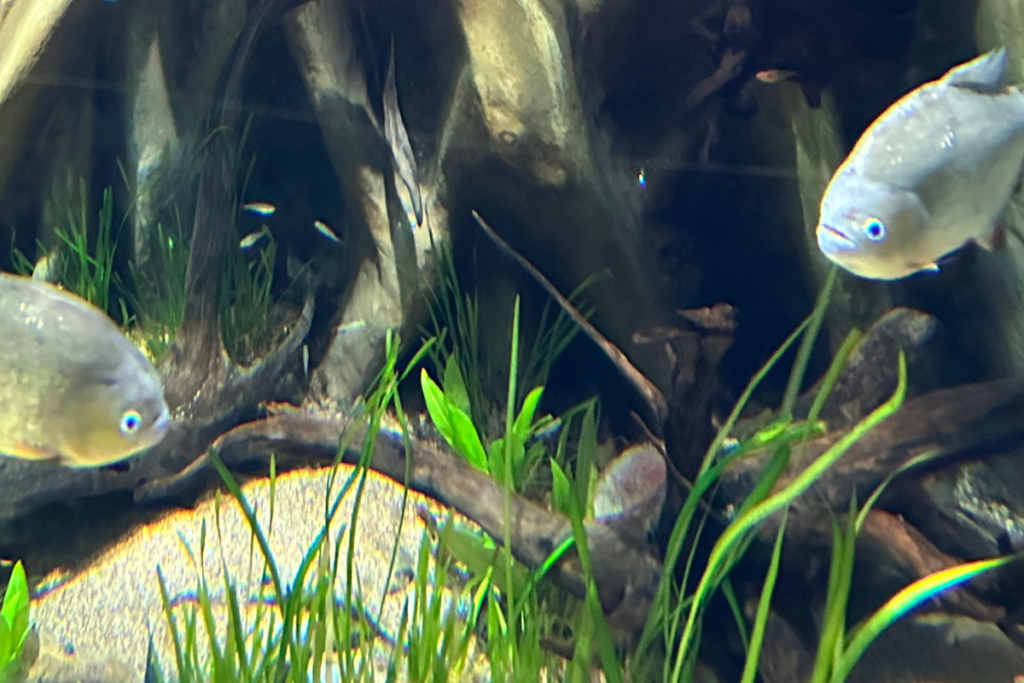
Quick Facts
Primary Habitat: Tropical Freshwater River Systems
Secondary Habitat: Floodplains, Wetlands, and Backwater Channels
Climate Preference: Tropical and Subtropical Climates
Environment Type: Freshwater Aquatic Ecosystems
Elevation / Depth Range: Lowland Rivers and Shallow to Moderate Water Depths
Geographic Distribution: South America, including the Amazon, Orinoco, and Paraguay-Paraná Basins
Red-Bellied Piranha Range and Natural Environment
The red-bellied piranha is one of the most widely recognized freshwater fish native to South America. Its distribution covers a vast network of rivers and waterways that stretch across several countries, making it one of the best-known inhabitants of the continent’s tropical freshwater ecosystems. From remote rainforest regions to expansive river corridors, this species occupies some of the most biologically rich landscapes on Earth.
Much of its range lies within watersheds famous for their immense biodiversity. These areas support thousands of fish species, countless aquatic plants, and an extraordinary variety of reptiles, birds, and mammals. Within these environments, the red-bellied piranha exists as a familiar component of complex freshwater communities that have developed over millions of years.
The regions inhabited by this species experience dramatic seasonal changes driven by rainfall patterns. Rivers may expand far beyond their normal boundaries during flooding periods, temporarily transforming surrounding landscapes into vast aquatic environments. These seasonal shifts help shape the character of the habitats occupied by red-bellied piranhas throughout their range.
Unlike species restricted to a single river or isolated region, the red-bellied piranha occupies a broad geographic area spanning multiple watersheds. This extensive distribution demonstrates the species’ ability to persist across a variety of freshwater settings while remaining closely tied to tropical and subtropical environments. Its presence throughout much of northern and central South America highlights the ecological success of this adaptable fish.
Red-Bellied Piranha Habitat Overview Across South America
The red-bellied piranha is primarily associated with freshwater landscapes found throughout tropical South America. These environments range from dense rainforest regions to more open river systems that flow through broad lowland areas. The species occupies an impressive variety of freshwater settings while remaining closely linked to major river networks.
Compared with some freshwater fish that require highly specialized conditions, the red-bellied piranha demonstrates a broader environmental tolerance. It can be found throughout multiple watersheds rather than being limited to a single isolated drainage. This flexibility has helped establish populations across a substantial portion of the continent.
Large interconnected waterways are particularly important to the species. These expansive freshwater networks provide access to seasonal habitats, breeding areas, and regions influenced by changing water levels. The ability to exist within such diverse freshwater landscapes contributes significantly to the species’ widespread distribution.
Although widely distributed, the fish remains strongly associated with warm lowland environments. It is rarely encountered in high-elevation waterways or colder regions where environmental conditions differ substantially from those found within tropical river systems. This preference creates a distribution pattern centered on some of South America’s most productive aquatic ecosystems.
In terms of geographic reach, the red-bellied piranha is more broadly distributed than many freshwater species occupying the same continent. Some fish remain restricted to individual river systems, while the red-bellied piranha occurs across multiple major basins. This extensive range contributes to its status as one of the most recognizable freshwater fish in the world.
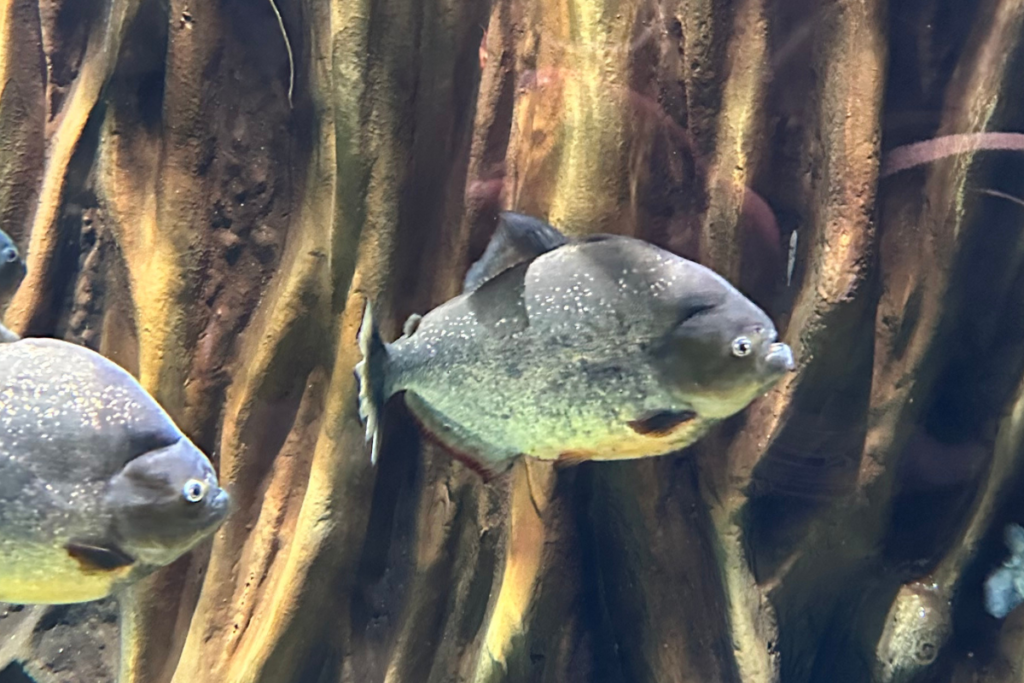
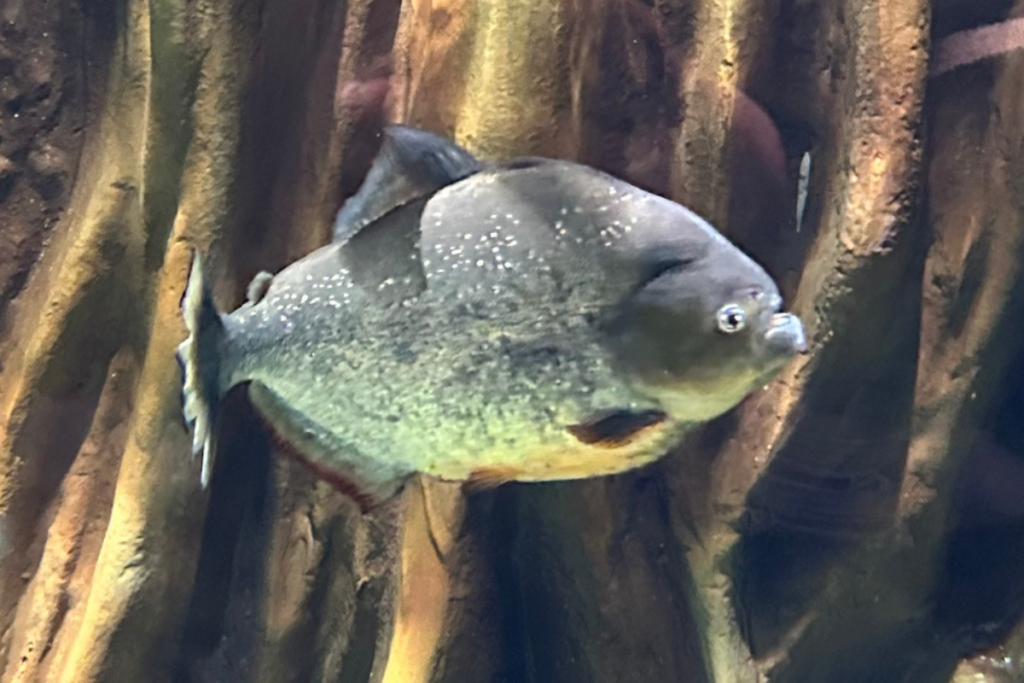
Red-Bellied Piranha Habitat Types and Freshwater Ecosystems
Rivers form the foundation of the red-bellied piranha’s habitat network. Large flowing waterways provide year-round aquatic environments and serve as major connections between different parts of the species’ range. These river systems support stable freshwater conditions while linking numerous secondary habitats throughout the landscape.
Floodplain environments represent another important habitat category. During seasonal flooding events, rivers expand into surrounding areas and create temporary aquatic zones that can persist for months. These flooded regions greatly increase the amount of available habitat and contribute to the ecological diversity of tropical watersheds.
Backwater channels and side streams also support red-bellied piranha populations. These quieter areas often differ noticeably from the main river channel and provide additional habitat variation. Some locations feature slower-moving water, while others contain dense aquatic vegetation or submerged woody structures.
Wetlands associated with tropical river systems offer yet another habitat type occupied by the species. These areas frequently contain shallow water, seasonal fluctuations, and a mixture of aquatic and semi-aquatic conditions. Such habitats expand the variety of environments available within the broader freshwater landscape.
Habitat use can vary considerably within the same watershed. Some individuals may occupy deeper open-water environments, while others are associated with vegetated margins or flooded forest edges. This diversity of habitat types allows the species to remain present across a wide range of freshwater ecosystems without depending on a single environmental setting.
Red-Bellied Piranha Environmental Conditions and Climate Requirements
The red-bellied piranha thrives in warm climates characteristic of tropical and subtropical South America. Temperatures remain relatively stable throughout much of its range, creating aquatic environments that support year-round freshwater biodiversity. Unlike species adapted to cold seasonal climates, red-bellied piranhas are closely linked to consistently warm conditions.
Water temperature plays a major role in shaping suitable habitat. Most occupied environments remain warm for much of the year, avoiding the prolonged cold periods experienced in temperate regions. These conditions are comparable to a permanently warm summer environment rather than the dramatic seasonal swings common in northern climates.
Rainfall patterns strongly influence environmental conditions throughout the species’ range. Seasonal precipitation can transform river systems by raising water levels and expanding aquatic habitats across surrounding landscapes. Entire sections of forest may become temporarily flooded, creating extensive freshwater environments connected to larger waterways.
Vegetation is another defining feature of occupied environments. Tropical river systems are often bordered by dense plant growth, towering rainforest trees, and extensive wetland vegetation. Fallen branches, submerged roots, and aquatic plants contribute to the structural complexity that characterizes many parts of the red-bellied piranha’s range.
Terrain throughout the species’ distribution is predominantly lowland in nature. Broad river valleys, floodplains, and gently sloping landscapes dominate much of the region. Combined with warm temperatures, abundant rainfall, and extensive freshwater networks, these environmental conditions create the ideal setting for one of South America’s most famous freshwater fish.
Popular Searches About Red-Bellied Piranha
Explore Red-Bellied Piranha Guide
Explore More Exhibits

Support Encounters World
Help support wildlife photography and get behind the scenes discoveries on Patreon.