
Common Earthworm Diet: Food Sources, Feeding Habits, and Foraging Strategies
Quick Facts
Diet Type: Detritivore
Main Food Sources: Decaying Organic Matter, Plant Material, Microorganisms, and Soil Nutrients
Feeding Time: Primarily Nighttime and Moist Conditions
Foraging Method: Soil Ingestion and Surface Collection
Seasonal Diet Changes: Varies With Organic Material Availability
Predatory Adaptations: None
Common Earthworm Feeding Ecology and Food Resources
The common earthworm is one of the most widespread soil-dwelling invertebrates on Earth, occurring across much of North America, Europe, Asia, Australia, and other regions. Hidden beneath the ground for much of its life, this animal plays an important role in the movement and processing of organic material. Its feeding activities contribute to the continual recycling of nutrients within terrestrial ecosystems.
Unlike predators that actively pursue prey or herbivores that consume living vegetation, earthworms obtain nourishment from materials already present within the soil. Their relationship with food is closely tied to natural decomposition processes occurring beneath the surface. As organic matter breaks down, it becomes part of a food system that supports entire underground communities.
Earthworms are frequently associated with productive gardens, forests, agricultural land, and grasslands because these environments generate large amounts of organic material. Fallen leaves, plant remains, and other decomposing matter gradually become incorporated into the soil where earthworms can access them. This connection between decomposition and feeding is one reason earthworms are often considered important contributors to soil health.
For many observers, the feeding habits of earthworms remain largely invisible. Unlike birds collecting seeds or mammals searching for food, earthworms perform most feeding activities underground and out of sight. Their hidden lifestyle means that much of their influence on nutrient cycling occurs without attracting attention from casual observers.
Common Earthworm Diet Overview and Feeding Strategy
Earthworms are classified as detritivores, meaning they obtain nutrition primarily from decomposing organic material. Rather than feeding on fresh living plants or hunting other animals, they specialize in processing matter that is already breaking down within the environment. This feeding strategy places them among the most important recyclers in many terrestrial ecosystems.
Compared to highly specialized feeders that rely on a narrow range of food sources, earthworms display considerable flexibility. Different species may consume slightly different materials depending on availability, but most share the ability to utilize a broad assortment of decomposing organic matter. This adaptability helps explain their success across diverse geographic regions.
The overall diet of an earthworm remains relatively consistent throughout its range. Whether found in a forest, garden, or agricultural field, the animal typically depends on organic material incorporated into the soil. While specific food components may vary from one location to another, the general feeding approach remains remarkably similar.
Earthworms can be compared to nature’s recycling system. Just as a compost pile transforms discarded plant material into nutrient-rich matter, earthworms help process and redistribute organic material already present within the ground. Their feeding activities contribute to the continual movement of nutrients through soil ecosystems.
Dietary flexibility becomes especially important when environmental conditions change. Seasonal fluctuations may alter the types and quantities of organic material available, requiring earthworms to utilize different resources at different times of the year. This ability to exploit multiple food sources increases long-term survival opportunities.
Unlike carnivorous invertebrates that depend on capturing prey, earthworms rarely face the challenge of locating scarce animal food sources. Their nutritional resources are often widely distributed throughout the soil itself. This broad availability helps support stable populations across many habitats and environmental conditions.
The feeding strategy of earthworms demonstrates how a seemingly simple diet can support extraordinary ecological success. By specializing in decomposition-related food resources, earthworms occupy a niche that remains available across much of the world.
Common Earthworm Natural Food Sources in the Wild
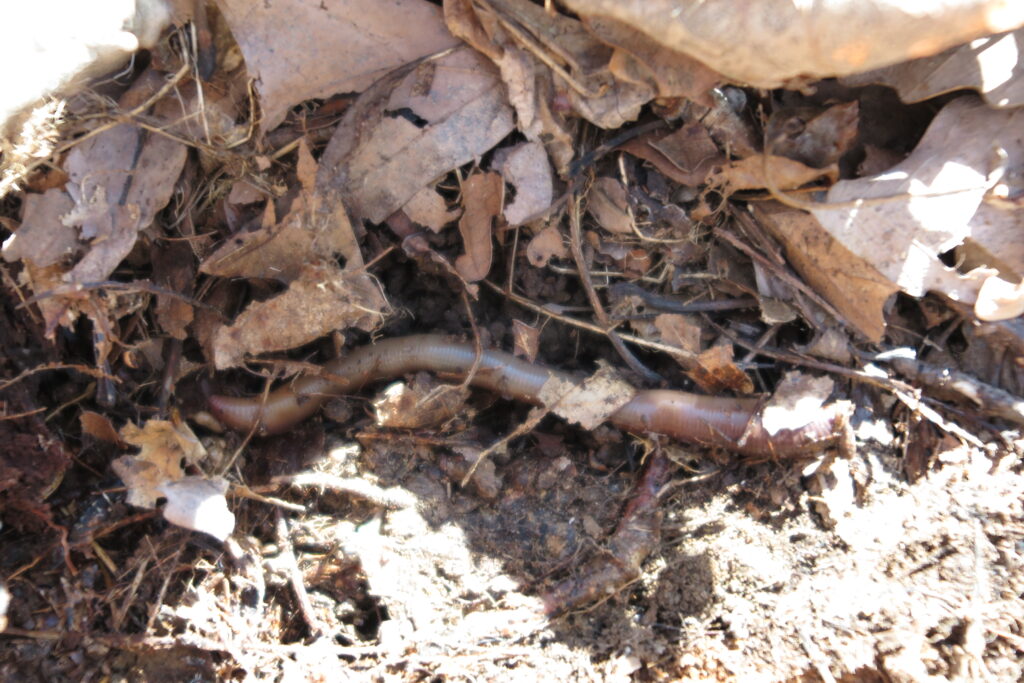
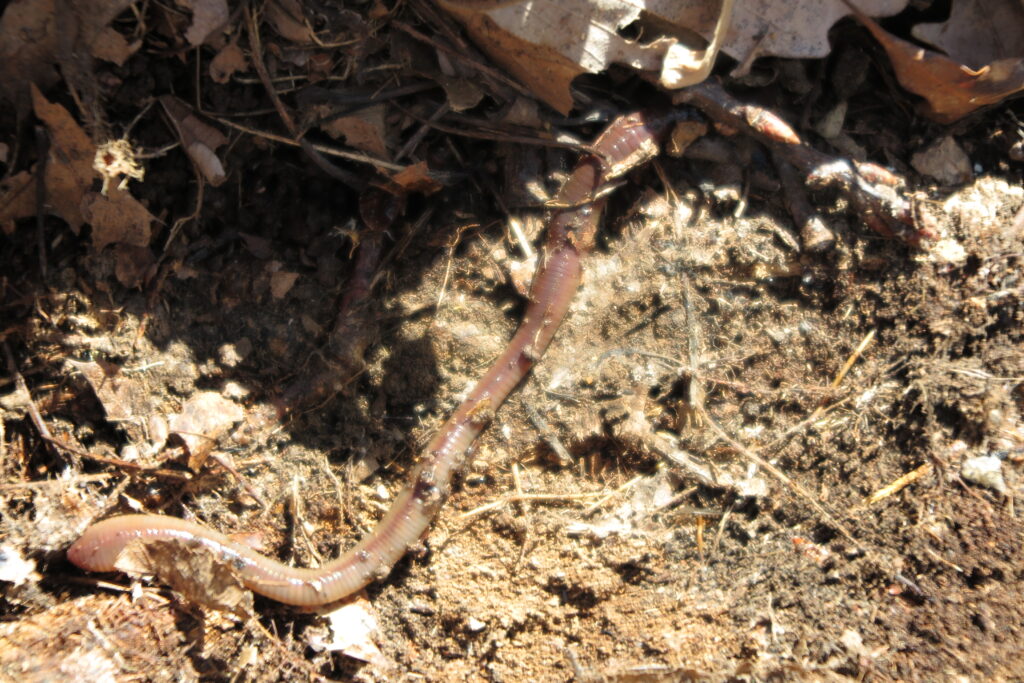
Decaying leaves represent one of the most important natural food sources consumed by earthworms. As leaves fall and begin to decompose, they become incorporated into the upper layers of soil where earthworms can access them. These materials provide a steady supply of organic matter throughout much of the year.
Partially decomposed plant material also forms a major component of the earthworm diet. Small fragments of stems, roots, and other vegetation gradually break down and become mixed with surrounding soil. Earthworms ingest these materials along with the microorganisms that colonize them during decomposition.
Microorganisms themselves contribute significantly to earthworm nutrition. Bacteria, fungi, and other microscopic organisms often occur on decomposing organic matter and within soil particles. When earthworms consume soil and organic material, they also ingest many of these nutrient-rich microbial communities.
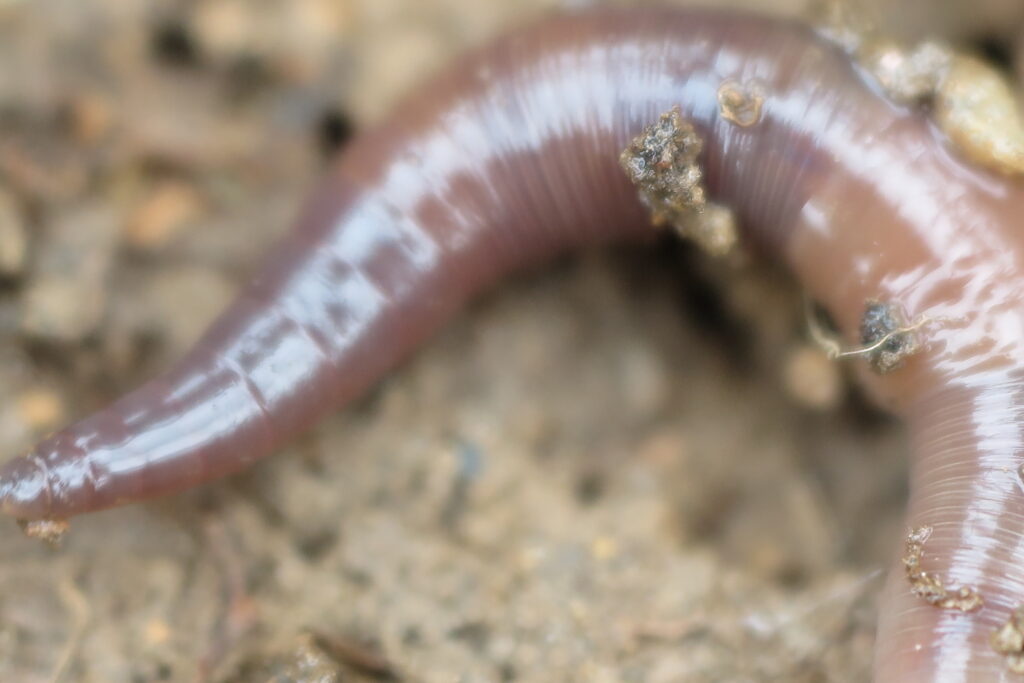
Soil containing organic particles serves as both a feeding medium and a food source. Earthworms process large amounts of soil, extracting usable nutrients while passing the remaining material through the digestive system. This process allows them to obtain nourishment from resources distributed throughout the ground.
Diet composition may shift depending on environmental conditions and food availability. During periods of abundant leaf fall, decomposing foliage may become especially important. In other situations, earthworms may rely more heavily on organic material already incorporated deeper within the soil profile.
Young earthworms generally consume many of the same food resources as adults, though smaller body size may influence the quantity processed. As individuals mature, their feeding capacity increases, allowing them to handle larger amounts of organic material over time.
One common example of a valuable food source is decomposing leaf litter beneath trees. This material gradually softens and becomes colonized by microorganisms, creating a nutrient-rich resource. The combination of plant matter and microbial activity makes such material especially useful for supporting earthworm growth and survival.
Common Earthworm Feeding Behavior and Survival Strategies
Earthworms obtain food through a method that differs greatly from most familiar animals. Rather than searching visually for individual food items, they consume soil and organic material directly from their surroundings. This feeding strategy allows them to gather nutrition while remaining protected within the underground environment.
Many feeding activities occur during periods of darkness or increased moisture. Under favorable conditions, earthworms may approach the soil surface to collect organic material before pulling it underground. This behavior allows access to fresh resources while minimizing exposure to potential threats.
Movement associated with feeding is typically slow and deliberate. Earthworms gradually explore nearby areas, processing soil and organic matter as they travel. The process resembles a conveyor system moving material through a recycling facility, with nutrients extracted and remaining particles redistributed.
Competition for food is generally less intense than in predator-prey systems. Because organic material is often widely distributed, earthworms can obtain nourishment without directly competing for individual food items. Multiple earthworms may feed within the same area while utilizing resources spread throughout the soil.
When food availability declines, earthworms rely on flexibility rather than aggressive competition. They may process different types of organic matter or utilize resources found at varying depths within the soil. This adaptability helps maintain feeding opportunities despite seasonal or environmental changes.
A useful example occurs following autumn leaf fall. Large quantities of organic material become available on the ground surface, creating extensive feeding opportunities. Earthworms gradually incorporate portions of this material into the soil, where it can continue supporting both feeding and nutrient cycling processes.
The feeding behavior of earthworms combines efficiency, persistence, and adaptability. By continuously processing soil and organic matter, they secure nourishment while contributing to broader ecological functions. Their ability to obtain food from resources that many animals cannot utilize has played a major role in their global success and ecological importance.
Popular Searches About Earthworms
Explore Earthworm Guide
Explore More Wildlife

Support Encounters World
Help support wildlife photography and get behind the scenes discoveries on Patreon.