Woodland Moss Growth Guide: Growth Rate, Spreading Patterns, and Life Cycle
Quick Facts
Growth Rate: Moderate to Fast Under Favorable Conditions
Growth Pattern: Creeping, Carpet-Forming, Colony Expansion
Reproduction Method: Spores and Fragmentation
Dormancy Period: Reduced Activity During Dry Periods and Winter Conditions
Sunlight Needs: Partial Shade to Full Shade
Water Needs: Moderate to High Moisture
Seasonal Changes: Most Active During Cool, Moist Periods
Woodland Moss Growth and Development Overview
Woodland Moss represents a group of non-flowering plants that have successfully colonized landscapes across much of the world. Found throughout temperate and boreal regions, these mosses are known for their ability to gradually establish extensive colonies over time. Their persistence allows them to remain visible features of natural environments year after year.
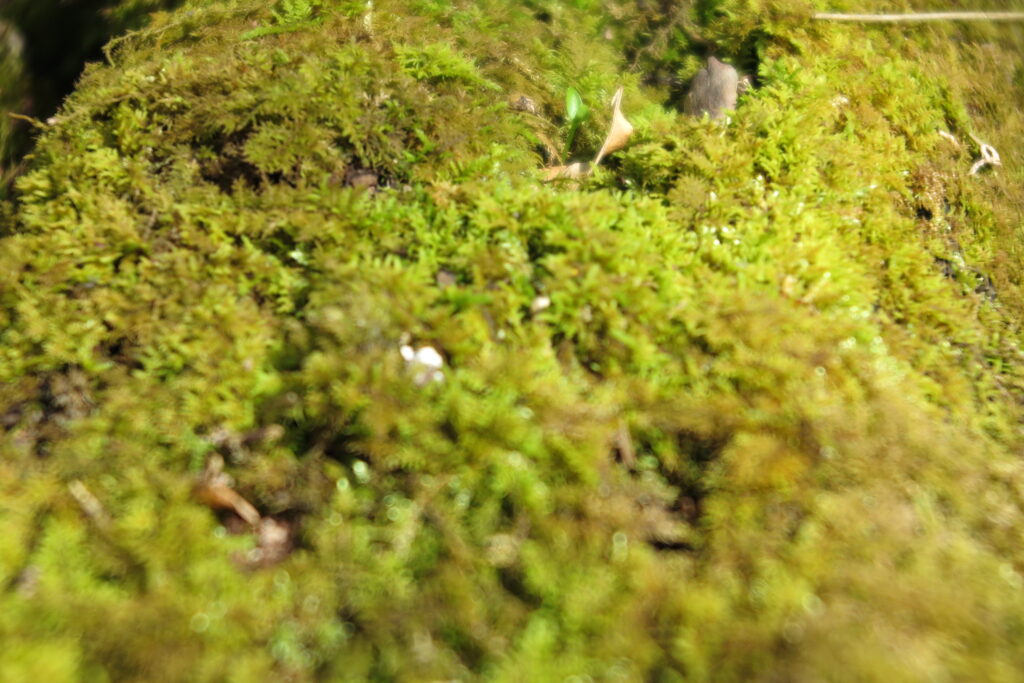
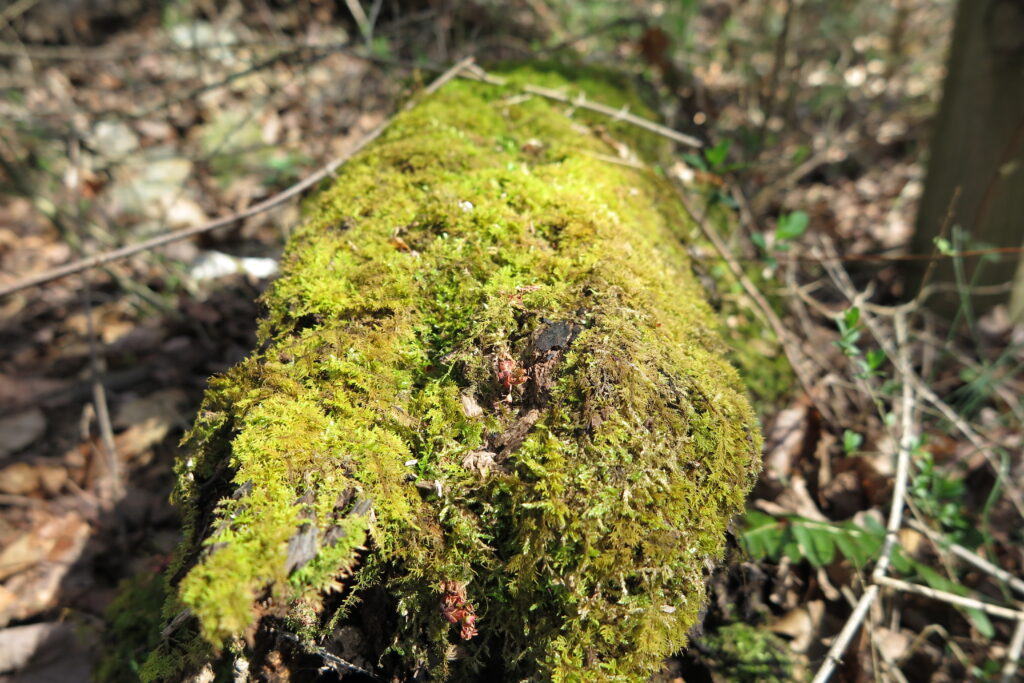
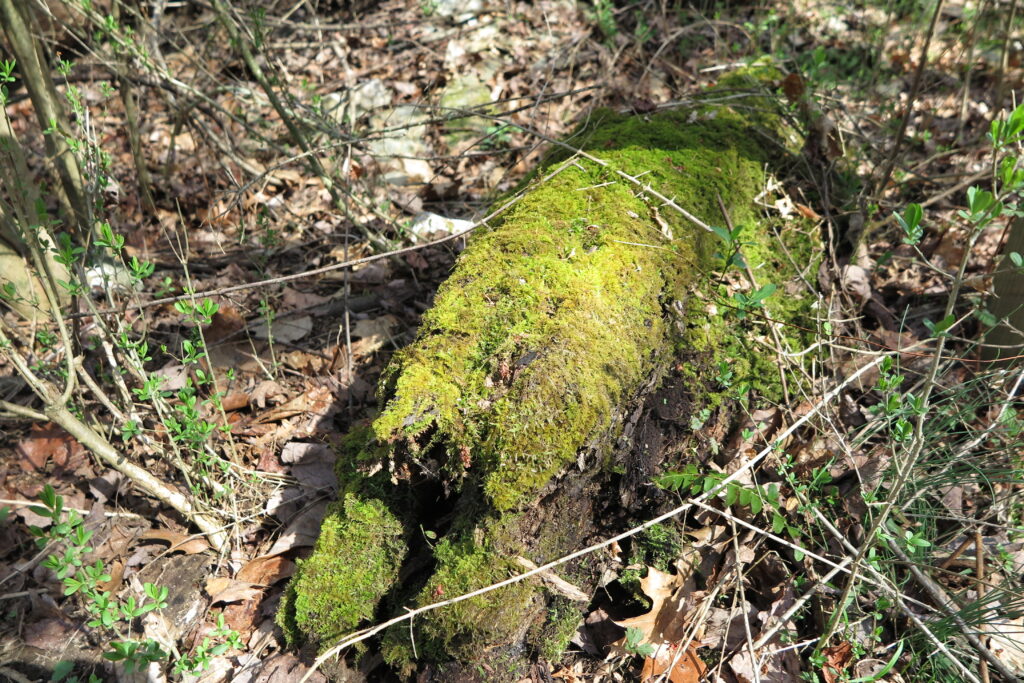
Unlike many plants that focus energy on producing tall stems or large leaves, woodland moss develops through steady expansion across available surfaces. Growth is often subtle when observed day to day, yet significant changes become apparent over months and years. A small patch can gradually become a broad colony that covers large sections of a log, rock, or forest floor.
Seasonal conditions influence development throughout the year. Cool, moist periods typically support the most noticeable growth, while extended dry weather can temporarily slow visible expansion. Despite these fluctuations, established colonies often remain intact and resume active development when favorable conditions return.
Woodland moss is often described as a slow-and-steady grower compared to fast-growing grasses or annual plants. However, when viewed over longer periods, some colonies expand surprisingly efficiently. A surface that initially contains scattered patches may eventually become almost completely covered as neighboring colonies merge together.
One reason for this success is consistency. Woodland moss does not rely on rapid bursts of growth to establish itself. Instead, gradual development allows colonies to persist for long periods while steadily increasing their coverage whenever environmental conditions remain suitable.
How Woodland Moss Expands Across Natural Surfaces
The physical growth pattern of woodland moss is defined by outward expansion rather than vertical height. Colonies spread across surfaces in a creeping manner, gradually occupying available space through continuous growth at their edges. This strategy allows moss to maximize coverage while remaining low to the substrate.
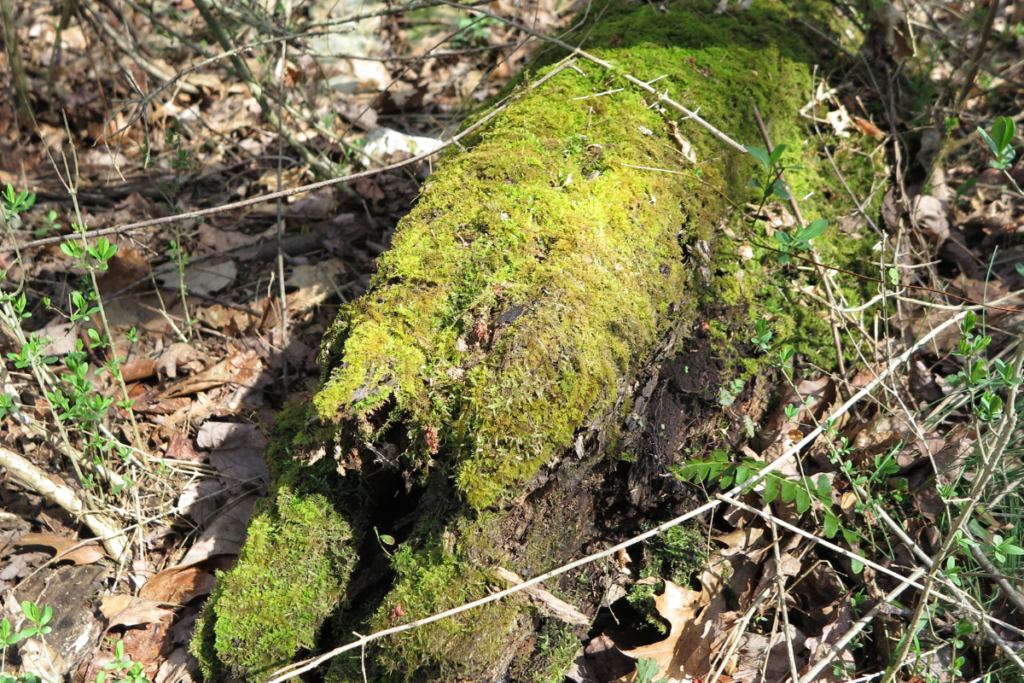
As colonies mature, individual patches often merge into larger carpets. What begins as isolated clusters may eventually connect into broad green mats that extend across entire logs, rock faces, or sections of forest floor. This process creates the dense, uninterrupted appearance commonly associated with mature woodland moss.
A useful comparison is ground cover spreading across a garden bed. Instead of sending up tall shoots, woodland moss slowly fills gaps until much of the surface becomes occupied. Over time, bare spaces become increasingly difficult to find as the colony expands into available areas.
Growth can also occur in layers. New development frequently forms above older portions of the colony, creating thick cushions that feel soft and springy when touched. This layered structure contributes to the plush texture often observed in well-established moss patches.
Physical expansion is not always perfectly uniform. Obstacles such as bark ridges, stones, roots, and uneven surfaces influence the direction of growth. As a result, woodland moss often develops flowing patterns that follow the contours of the surfaces it occupies, creating visually appealing natural designs throughout the landscape.
Woodland Moss Reproduction Through Spores and Colony Expansion
Woodland moss reproduces primarily through spores, a method that differs significantly from flowering plants that produce seeds. Specialized reproductive structures release microscopic spores into the environment, where they may be carried by wind or water to new locations. Successful spores can eventually develop into entirely new moss colonies.
The reproductive process begins when mature moss plants produce structures known as sporophytes. These often appear as slender stalks topped with capsules that contain developing spores. When conditions are suitable, the capsules release their contents, allowing spores to disperse across surrounding areas.
In addition to spores, woodland moss can spread through fragmentation. Small pieces of an existing colony may become separated by weather, animals, or falling debris. If these fragments reach favorable conditions, they can continue growing independently and establish new patches nearby.
This dual strategy helps explain the long-term persistence of woodland moss in many environments. Spores provide opportunities for colonization over greater distances, while fragmentation allows local expansion within established populations. Together, these methods support both stability and gradual spread.
The life cycle begins when a spore germinates and develops into an early growth stage known as a protonema. From this structure, new moss shoots emerge and gradually form recognizable colonies. As colonies mature, they eventually produce their own reproductive structures, continuing a cycle that has enabled mosses to thrive for hundreds of millions of years.
Seasonal Growth Changes Throughout the Woodland Moss Life Cycle
Seasonal conditions influence woodland moss development throughout the year. During periods of regular rainfall and moderate temperatures, colonies often appear vibrant, dense, and actively growing. These conditions support moisture availability, which is essential for many biological processes within the plant.
Spring commonly marks a period of renewed activity following winter dormancy. Increased moisture and warming temperatures encourage growth across existing colonies. Fresh green development often becomes visible as moss responds to improving environmental conditions.
Summer can produce varied results depending on local weather patterns. In regions that remain cool and moist, moss may continue growing steadily. During prolonged dry periods, however, colonies often reduce activity and may temporarily appear less vibrant. Despite this change in appearance, most mosses remain alive and recover when moisture returns.
Autumn frequently provides another favorable period for development. Cooler temperatures and increased rainfall can create ideal growing conditions similar to those experienced during spring. Many colonies regain their bright coloration and continue expanding before winter arrives.
Winter does not necessarily eliminate woodland moss activity. In many regions, colonies remain visible throughout the season and may continue limited growth during mild periods. This ability to remain present year-round contributes to the enduring role of woodland moss within natural ecosystems and helps explain its widespread success across diverse climates.
Popular Searches About Woodland Moss
Explore Woodland Moss Guide
Explore More Plants

Support Encounters World
Help support wildlife photography and get behind the scenes discoveries on Patreon.