Eastern Skunk Cabbage Growth Guide: Growth Rate, Development, Reproduction, and Life Cycle
Quick Facts
Growth Rate: Moderate
Growth Pattern: Clumping Perennial
Reproduction Method: Seeds and Rhizomes
Dormancy Period: Late Autumn Through Winter
Sunlight Needs: Partial Shade to Full Shade
Water Needs: High Moisture Requirements
Seasonal Changes: Early Spring Emergence, Summer Leaf Expansion, Autumn Dieback
Eastern Skunk Cabbage Growth and Development Overview
Eastern Skunk Cabbage (Symplocarpus foetidus) is one of the most distinctive native plants found in eastern North America. While many wetland plants wait for consistently warm conditions before becoming active, this species begins its annual development remarkably early. Its unusual seasonal schedule has made it a subject of fascination among botanists and nature enthusiasts for generations.
Across its native range, Eastern Skunk Cabbage is commonly associated with mature ecosystems that remain relatively stable over long periods. Individual plants often persist for many years, gradually increasing in size as they mature. Rather than behaving like short-lived wildflowers that appear briefly and disappear, this species develops as a long-term component of the landscape.
Its annual growth pattern follows a dependable rhythm that repeats from year to year. Environmental conditions may influence the timing slightly, but the overall sequence remains remarkably consistent. This reliability allows experienced observers to anticipate its appearance well before many neighboring plants begin active development.
The species is frequently viewed as a symbol of seasonal transition. At a time when winter still dominates much of the landscape, Eastern Skunk Cabbage begins preparing for another year of growth. This early activity contributes significantly to its reputation as one of the most unusual native plants in North America.
Eastern Skunk Cabbage Growth Rate and Seasonal Development
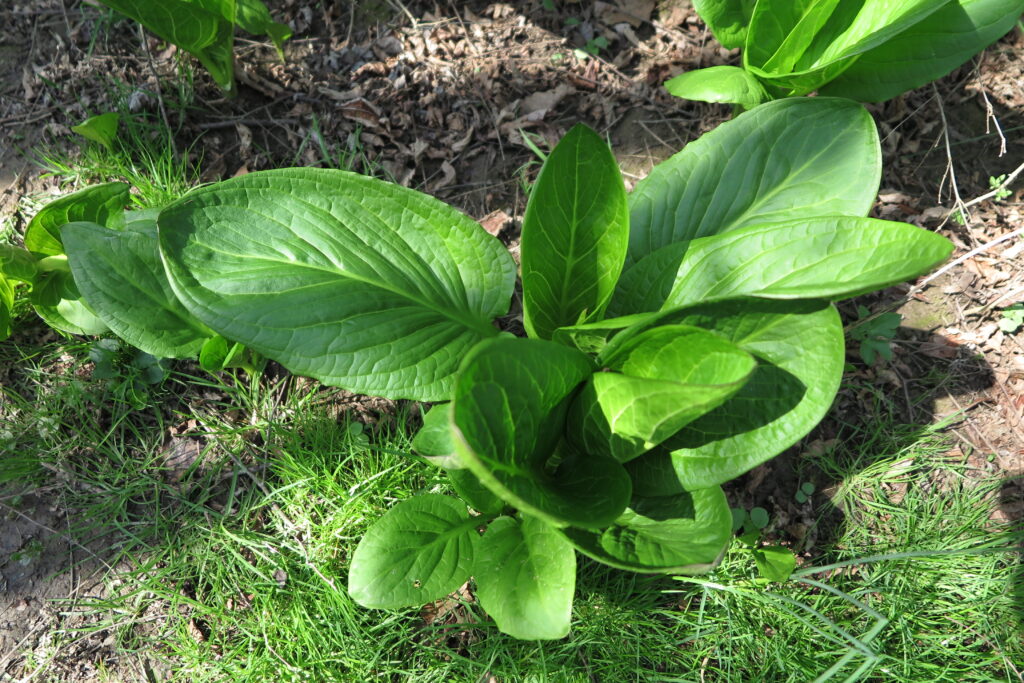
Eastern Skunk Cabbage is generally considered a moderate-growing perennial. It does not expand rapidly like many invasive plants, yet it steadily develops larger and more impressive clumps as years pass. This gradual progression allows mature specimens to become substantial features within the landscape.
Young plants often require several seasons before reaching their full potential. During early years, growth focuses on establishing a strong foundation and accumulating resources. As maturity increases, annual growth becomes more noticeable and foliage size often improves significantly.
Seasonal changes play an important role in the plant’s development. Activity begins very early in the year, followed by a period of vigorous leaf production. Through spring and summer, the plant directs energy into maintaining its large foliage and strengthening underground reserves.
A useful comparison is the difference between a fast-growing annual flower and a slow-maturing oak sapling. Annuals often prioritize rapid growth within a single season, while Eastern Skunk Cabbage invests in long-term stability. This strategy allows individual plants to remain productive for many years.
Environmental variation can influence overall performance, but the species remains surprisingly consistent. Even when seasonal weather differs from year to year, established plants generally follow the same developmental pattern. This reliability is one reason Eastern Skunk Cabbage remains such a recognizable feature of eastern wetlands and woodlands.
Eastern Skunk Cabbage Growth Form and Expansion Pattern
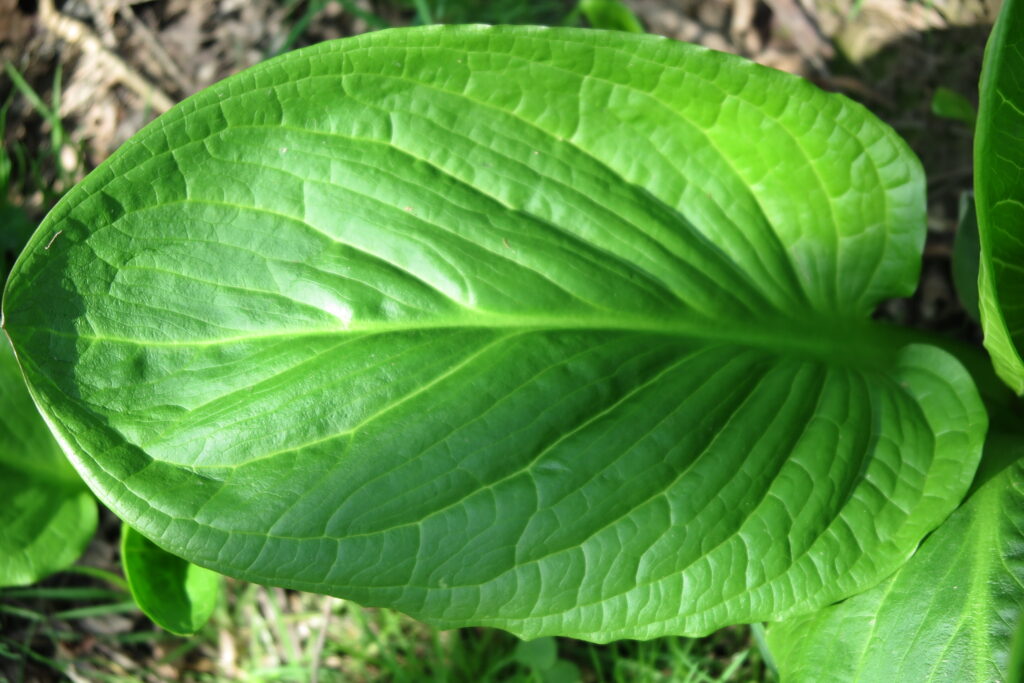
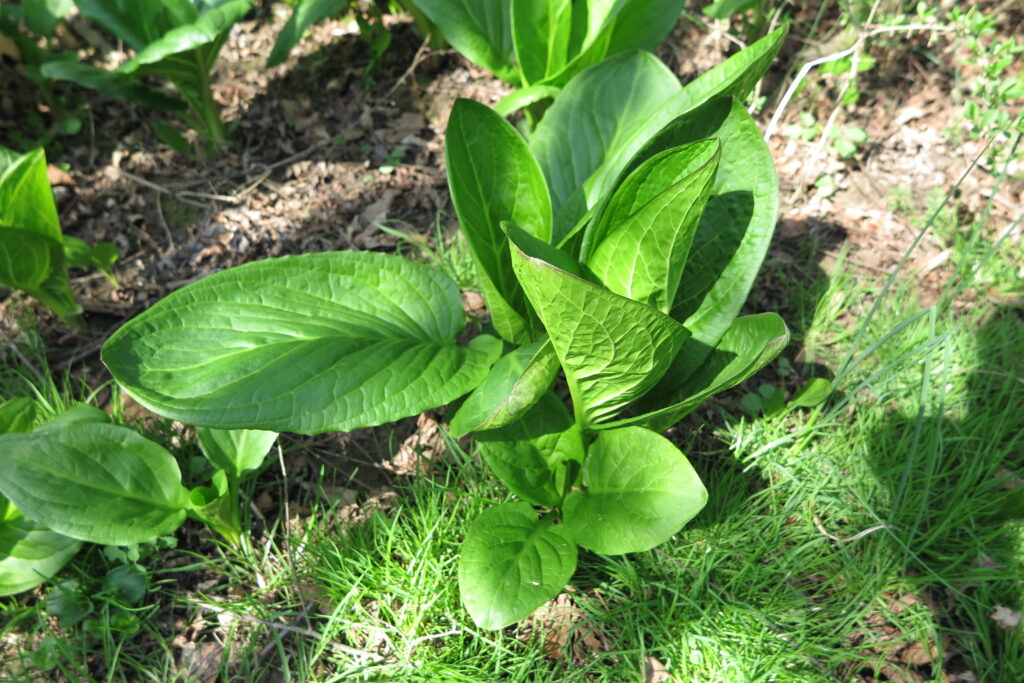
The physical growth pattern of Eastern Skunk Cabbage is best described as clumping rather than spreading aggressively across the landscape. Leaves emerge from a central crown and gradually create a dense cluster that expands outward over time. This structure gives mature plants a bold, organized appearance.
As the plant develops, individual leaves radiate from the center and occupy increasingly larger amounts of space. The effect resembles a giant green fountain emerging directly from the ground. Each season adds to the visual impact as the clump becomes broader and more substantial.
Unlike creeping ground covers that form carpets or vines that spread across surrounding vegetation, Eastern Skunk Cabbage remains concentrated around its point of origin. Its expansion is measured and controlled, producing larger clumps rather than rapidly colonizing distant areas. This growth style helps create distinctive patches throughout suitable landscapes.
A useful comparison is a slowly expanding hosta garden. Both plants increase their footprint over time while maintaining a central growth point. Eastern Skunk Cabbage, however, develops on a much larger scale and produces significantly more dramatic foliage.
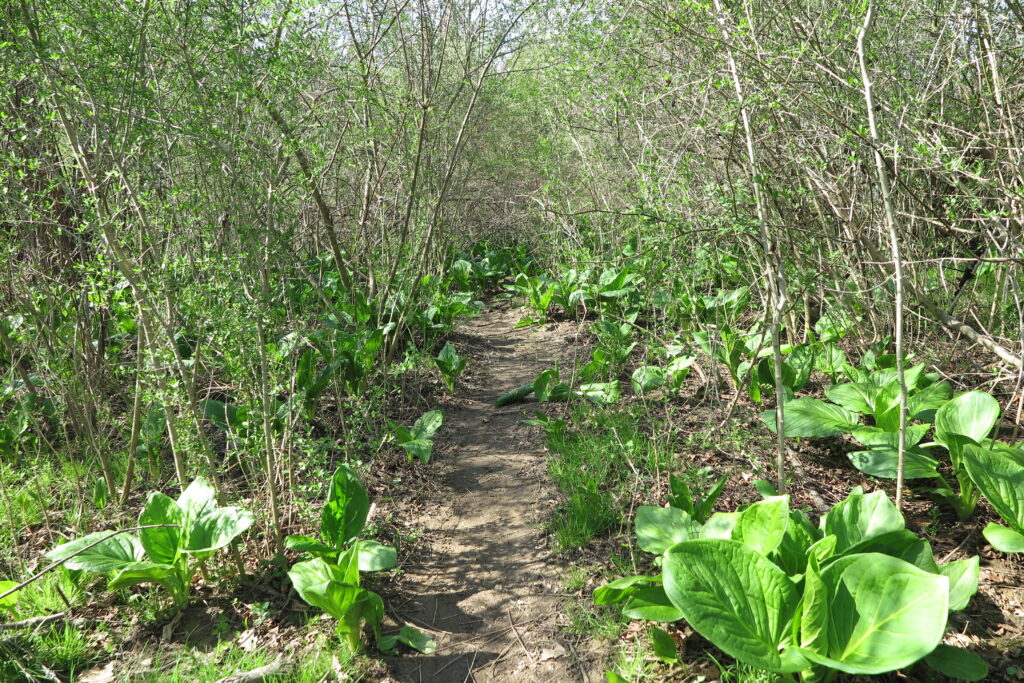
Mature specimens can become impressive landscape features. In locations where conditions remain favorable, multiple generations of growth may create substantial clusters visible from considerable distances. These established plants often become dominant visual elements within the immediate area without relying on extensive horizontal spread.
Eastern Skunk Cabbage Reproduction and Life Cycle Stages
The life cycle of Eastern Skunk Cabbage begins each year with renewed activity from underground structures that survived the dormant season. These energy reserves support the development of reproductive structures and later foliage. Because the plant is perennial, the same individual may repeat this process for many consecutive years.
Reproduction occurs primarily through seed production. Following pollination, seeds develop and eventually become available for dispersal. New plants may establish when seeds reach suitable locations and environmental conditions support germination.
The species is also capable of gradual expansion through underground rhizomes. These horizontal structures allow established plants to slowly increase their size and maintain long-term persistence. While this method contributes to local expansion, it is far less aggressive than the spread patterns observed in many invasive species.
A mature plant progresses through several distinct annual stages. Early-season reproductive activity is followed by extensive leaf development, resource accumulation, and eventual preparation for dormancy. Each stage contributes to the plant’s continued survival and future productivity.
One reason Eastern Skunk Cabbage has remained successful across much of eastern North America is its combination of longevity and reliable reproduction. Seeds create opportunities for new populations, while rhizomes strengthen existing plants over time. Together, these strategies allow the species to maintain healthy populations across generations while remaining a stable component of native ecosystems.
Popular Searches About Skunk Cabbage
Explore Skunk Cabbage Guide
Explore More Plants

Support Encounters World
Help support wildlife photography and get behind the scenes discoveries on Patreon.