
Big-Headed Ground Beetle Habitat: Range, Environment, and Natural Living Conditions
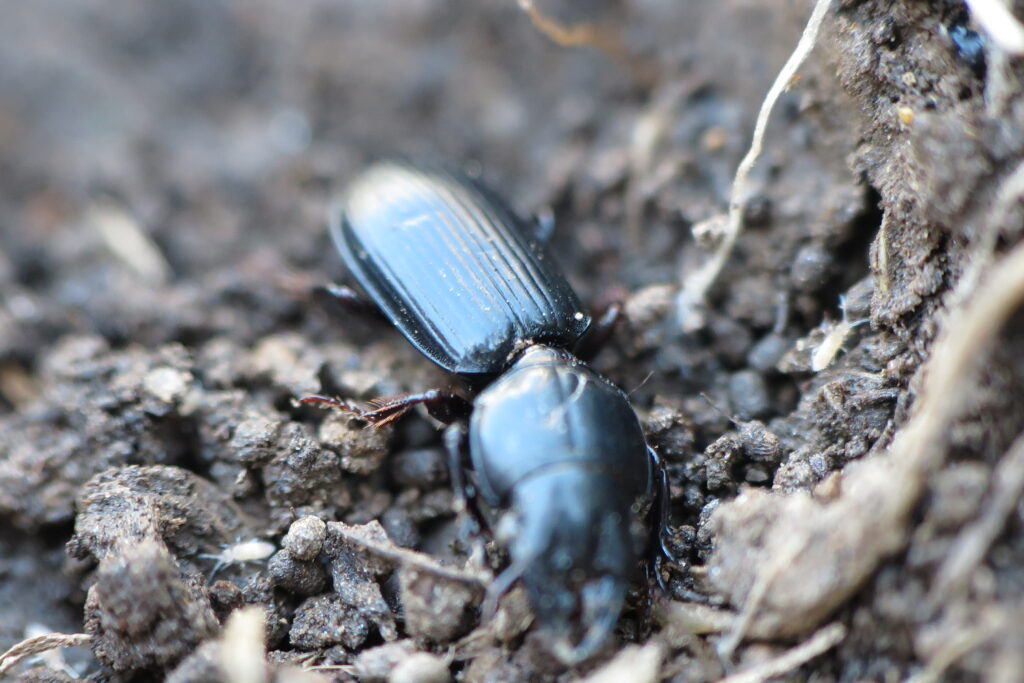
Quick Facts
Primary Habitat: Loose Soils and Woodland Ground Layers
Secondary Habitat: Fields, Grasslands, and Agricultural Areas
Climate Preference: Temperate and Humid Regions
Environment Type: Terrestrial Ground-Dwelling Ecosystems
Elevation / Depth Range: Sea Level to Approximately 6,000 Feet
Geographic Distribution: North America and Related Species Worldwide
Big-Headed Ground Beetle Range and Environmental Introduction
The Big-Headed Ground Beetle (Scarites sp.) occupies a wide range of environments throughout North America, where it remains closely associated with the ground beneath people’s feet. Most individuals spend their lives hidden below the surface, making encounters relatively uncommon despite the species occurring across large geographic regions. Their secretive nature often causes them to remain unnoticed even in areas where they are locally abundant.
Across their range, these beetles occur within landscapes that provide stable environmental conditions and suitable soil structure. Their presence extends from forested regions to open landscapes, allowing them to occupy a variety of ecosystems. Although people occasionally observe them beneath rocks or debris, much of their daily existence occurs beyond immediate view.
Walking through a woodland trail, a farm field, or an overgrown lot may place a person directly above a Big-Headed Ground Beetle without any indication of its presence. These beetles spend considerable time beneath the surface, where environmental conditions remain more stable than those above ground. Their hidden lifestyle allows them to exist within many different landscapes while avoiding constant exposure.
The overall distribution of Scarites species demonstrates the adaptability of the genus. Some species occupy eastern forests while others occur in grasslands, agricultural regions, or sandy environments. This broad geographic occurrence makes the Big-Headed Ground Beetle one of the more environmentally versatile members of the ground beetle family.
Big-Headed Ground Beetle Habitat Overview Across Its Range
The Big-Headed Ground Beetle occurs within several broad environmental categories throughout its distribution. Wooded landscapes, open ground, agricultural regions, and mixed vegetation zones all support populations where suitable conditions exist. This flexibility allows the species to occupy a larger range than many highly specialized insects.
Compared to certain beetles that depend entirely on one habitat type, Scarites species demonstrate considerable adaptability. They can occur within mature forests, open grasslands, and even disturbed environments if appropriate ground conditions remain available. This ability to occupy multiple environments contributes to their wide geographic distribution.
Many populations occur in transitional areas where different vegetation types meet. Woodland edges, field margins, and mixed landscapes often provide the combination of cover and open space that these beetles utilize. Such areas frequently support diverse invertebrate communities that contribute to healthy ecosystems.
The species can be compared to certain mammals that use several habitat types rather than remaining restricted to one environment. While some insects occupy extremely narrow ecological niches, Big-Headed Ground Beetles display a broader environmental tolerance. This adaptability allows them to persist in regions experiencing natural changes and moderate disturbances.
Despite their flexibility, the beetles remain strongly associated with ground-level environments. Their dependence on the soil surface and subsurface habitats distinguishes them from many other beetles that spend substantial time on vegetation or trees. The availability of suitable ground conditions remains one of the most important factors influencing their presence.
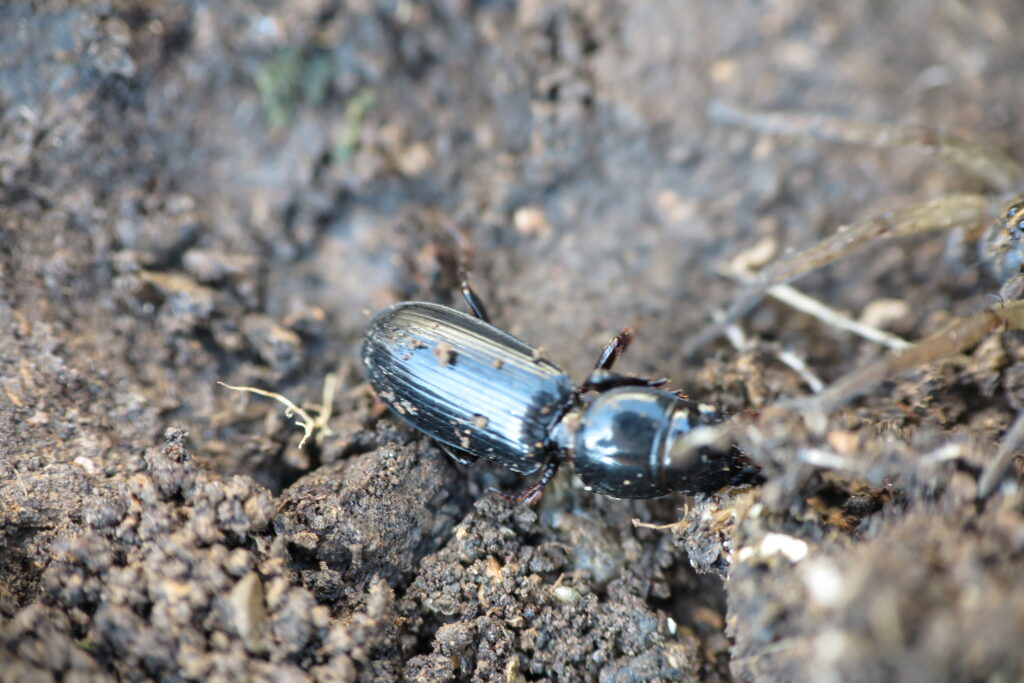
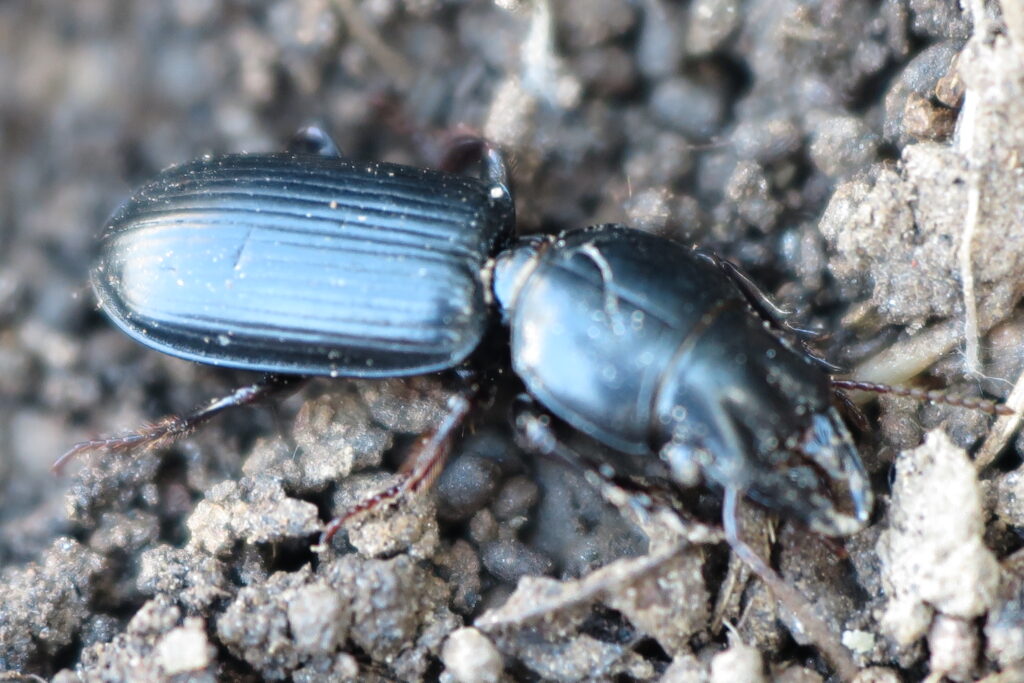
Big-Headed Ground Beetle Habitat Types and Landscape Use
Forested habitats support many populations of Big-Headed Ground Beetles. Deciduous woodlands, mixed forests, and mature wooded areas provide stable ground conditions and abundant natural cover. Fallen logs, leaf litter, and loose soil create environments that support both shelter and underground activity.
Grasslands and open fields also provide suitable habitat. Areas containing moderate vegetation and exposed soil often support populations, particularly where the ground remains relatively undisturbed. Native grasslands and meadows can offer favorable conditions for various Scarites species.
Agricultural environments represent another important habitat category. Crop fields, pasture edges, and lightly managed farmland may support populations when soil conditions remain suitable. Some species are occasionally encountered within gardens and cultivated landscapes where loose soils allow underground activity.
Disturbed habitats can also contain Big-Headed Ground Beetles. Vacant lots, roadside edges, and abandoned fields sometimes provide conditions that support local populations. These environments demonstrate the species’ ability to utilize habitats influenced by human activity.
Variation occurs even within a single habitat type. In forests, beetles may occur near edges, beneath logs, or within open sections of the woodland floor. In fields, individuals may concentrate near vegetation boundaries or areas containing suitable soil structure. These differences illustrate how local conditions influence habitat use within larger landscapes.
Big-Headed Ground Beetle Environmental Conditions and Climate
Climate plays a major role in determining where Big-Headed Ground Beetles can successfully survive. Most populations occur within temperate regions that experience seasonal temperature changes. These climates provide periods of warmth, cooling, and seasonal transitions that influence environmental conditions throughout the year.
Soil characteristics are equally important. Loose, workable soils allow beetles to move beneath the surface and utilize underground spaces effectively. Sandy soils, loamy soils, and areas containing moderate amounts of organic material frequently provide suitable conditions.
Vegetation structure contributes to environmental stability. Ground cover helps moderate temperatures, reduce moisture loss, and create protected conditions near the soil surface. Areas with moderate vegetation often maintain more consistent environmental conditions than completely exposed ground.
Seasonal changes influence habitat conditions throughout the year. Warm temperatures increase biological activity, while colder periods may reduce movement and activity levels. Moisture conditions also fluctuate with rainfall and seasonal weather patterns, affecting the quality of ground-level environments.
A useful comparison can be made to underground basements that remain cooler in summer and warmer in winter than outdoor temperatures. Soil environments provide similar buffering effects, helping protect organisms from rapid environmental changes. This stability benefits Big-Headed Ground Beetles by creating conditions that remain suitable throughout much of the year.
The combination of climate, soil, vegetation, and seasonal stability ultimately determines where these beetles can thrive. Although they occupy diverse landscapes, they remain closely tied to environmental conditions that support their underground lifestyle. These physical factors help explain the broad yet specific distribution of the Big-Headed Ground Beetle across North America.
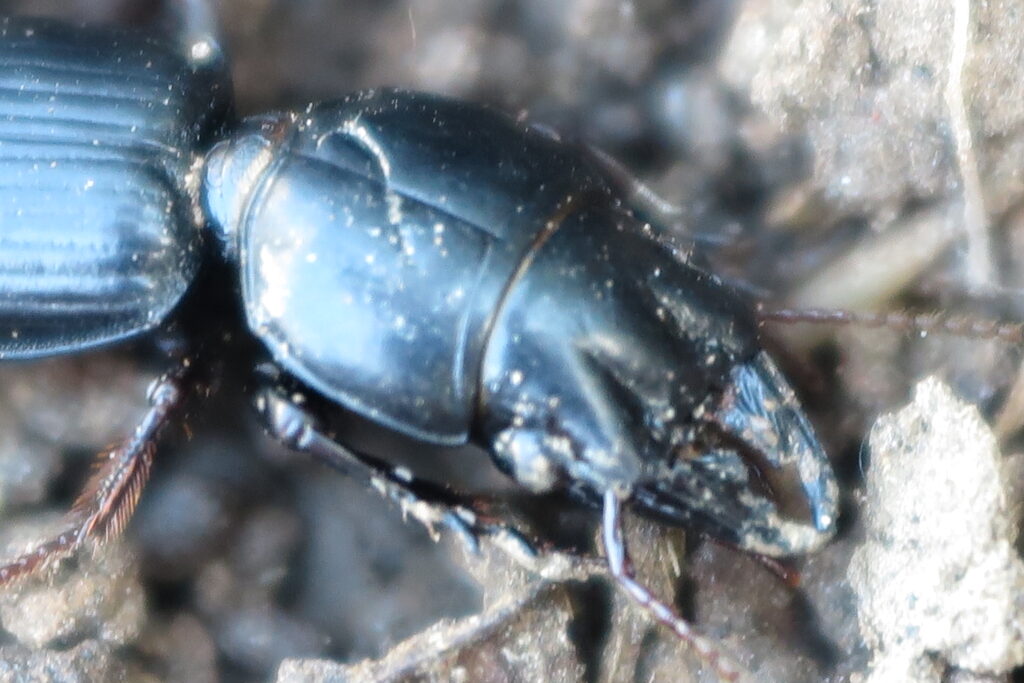
Popular Searches About Ground Beetles
Explore Ground Beetle Guide
Explore More Wildlife

Support Encounters World
Help support wildlife photography and get behind the scenes discoveries on Patreon.