
Banker Horse Overview: Identification, Appearance, and Ecological Importance
Quick Facts
Scientific Name: Equus ferus caballus
Common Name: Banker Horse
Location: Coastal Barrier Islands
Average Size: 13–15 Hands (52–60 inches at the shoulder)
Lifespan: 20–30 Years
Global Range: Coastal North Carolina, USA
Conservation Status: Managed Population
Notable Feature: Historic feral horse adapted to barrier island environments
Location Observed: North Carolina Outer Banks, USA
Field Observation
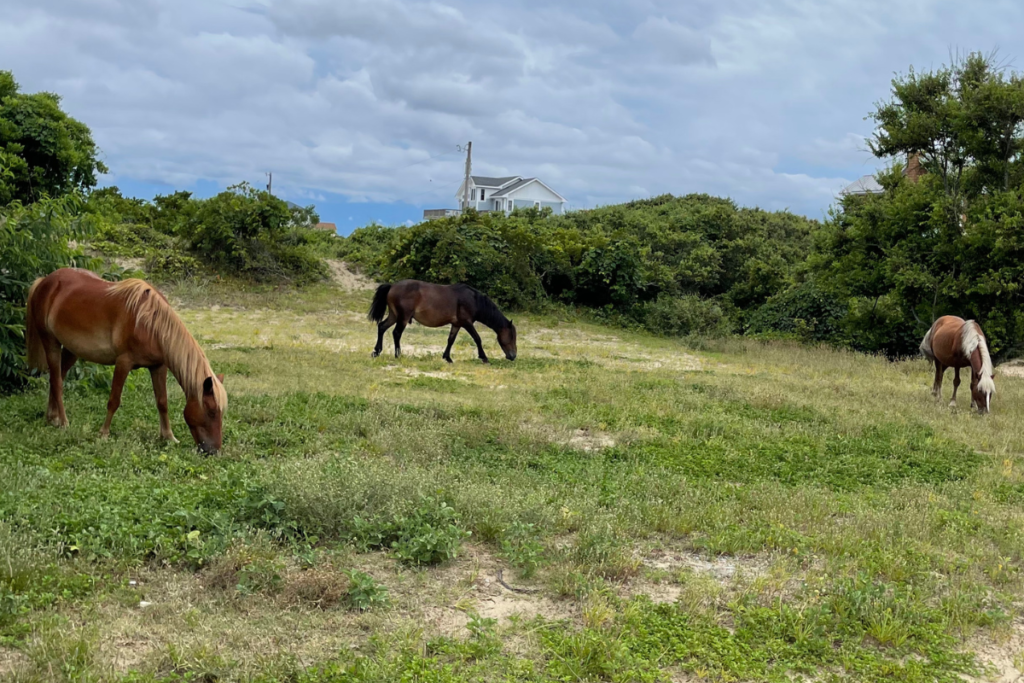
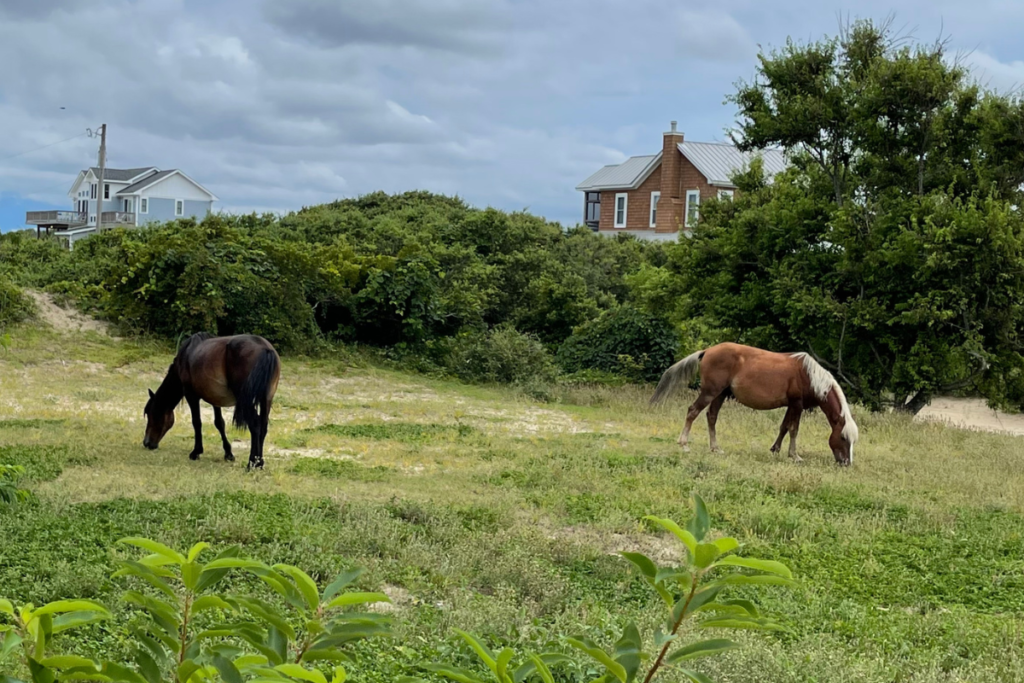
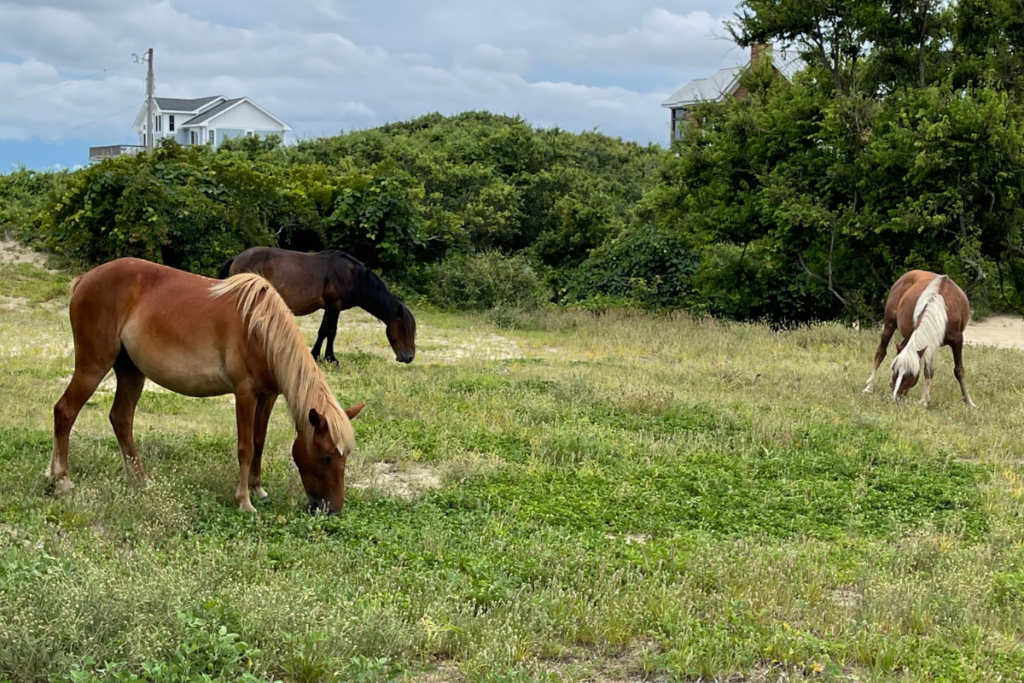
While observing the Banker Horses, I watched the herd travel slowly across the landscape, covering surprisingly large distances as they searched for patches of grass. The horses remained together as a loose group, showing little concern for nearby observers and calmly continuing their daily routine as they moved steadily through the area.
Introduction to the Banker Horse
The Banker Horse is a historic feral horse population found along portions of North Carolina’s barrier islands. Descended from domestic horses introduced centuries ago, these animals have developed into a distinct population recognized for their resilience, unique appearance, and cultural significance. Their presence has become closely associated with the coastal landscapes where they have lived for generations.
Although horses occur worldwide in domestic and feral populations, Banker Horses are geographically limited to a small region of the southeastern United States. Their isolation has allowed them to retain many physical characteristics that differ from modern riding breeds. This distinction has made them one of the most recognizable feral horse populations in North America.
Few large mammals are as deeply connected to a specific landscape as the Banker Horse. Images of these animals moving through coastal vegetation or standing against expansive shorelines have become iconic representations of the region. Their long history contributes to both their biological and cultural importance.
Today, Banker Horses remain a symbol of endurance and adaptation. Their continued existence provides a living connection to the past while offering visitors and wildlife enthusiasts an opportunity to observe one of the most unique feral horse populations in the United States.
Banker Horse Appearance and Physical Overview
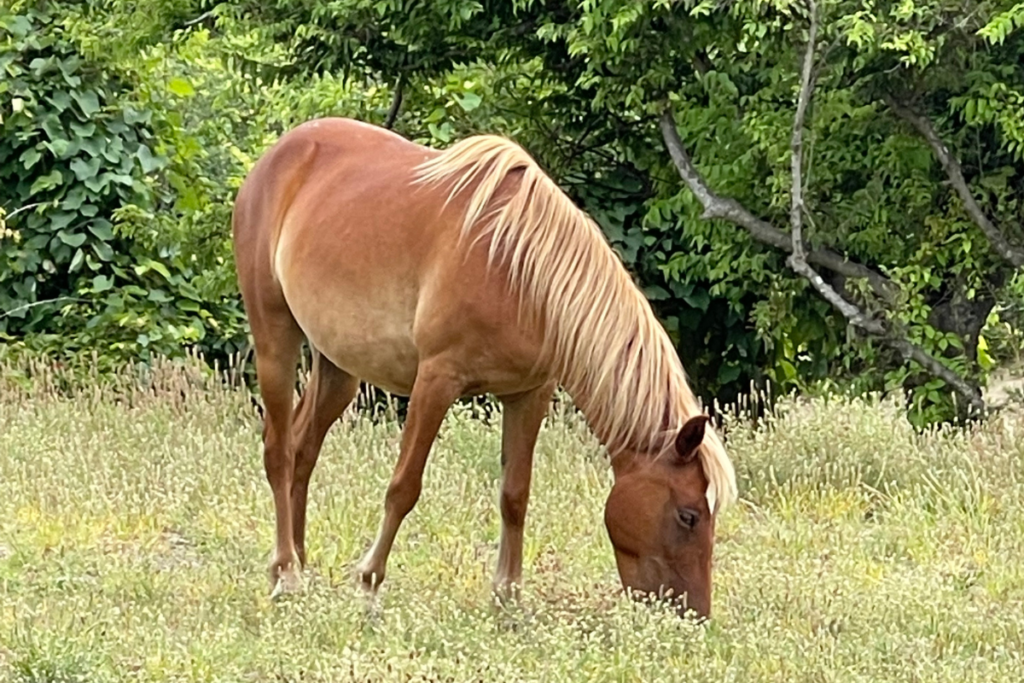
The Banker Horse possesses a sturdy, compact build that reflects generations of adaptation to challenging coastal conditions. Compared to many modern riding breeds, these horses often appear smaller and stockier, with deep chests, strong legs, and durable hooves. Their proportions create an athletic yet rugged appearance well suited to life in natural environments.
Coat colors vary considerably among individuals. Common colors include bay, chestnut, brown, black, dun, and occasional gray variations. Some horses display lighter manes and tails that contrast dramatically against darker body coloration, while others exhibit a more uniform appearance from head to tail.
Adult Banker Horses are generally comparable in size to a large pony or a smaller riding horse. Most stand between 13 and 15 hands tall, making them noticeably shorter than many modern sport horses. Despite their moderate height, their muscular build often causes them to appear larger than their measurements suggest.
Their overall silhouette is distinctive. A broad head, sturdy neck, compact body, and relatively short legs contribute to a balanced profile. These features create a horse that appears powerful without being oversized, a characteristic frequently noted by observers.
In the wild, individuals often display weathered coats influenced by seasonal conditions. Sunlight, wind, and natural wear may alter coloration throughout the year. This variation gives many Banker Horses a rugged appearance that further distinguishes them from carefully groomed domestic horses.
Distinctive Characteristics of the Banker Horse
One of the most recognizable traits of the Banker Horse is its physical resemblance to older horse types rather than modern specialized breeds. Many individuals retain a traditional build that reflects centuries of natural selection. This gives the population a historic appearance unlike many contemporary domestic horses.
The hooves are among the species’ most impressive features. Banker Horses often possess exceptionally tough, durable hooves capable of handling varied terrain without the assistance of horseshoes. These naturally strong hooves are considered one of the population’s defining characteristics.
Another notable feature is their efficient body structure. Compared to larger breeds developed for speed or specialized performance, Banker Horses maintain a practical and balanced frame. Their physique resembles that of a durable all-purpose working horse rather than an animal bred exclusively for a single purpose.
Their manes and tails frequently appear thick and full. Combined with compact proportions, these features contribute to a rugged aesthetic that many observers find distinctive. Even from a distance, the overall profile of a Banker Horse often differs noticeably from that of larger domestic breeds.
A useful comparison can be made to heritage livestock breeds. Just as traditional cattle or sheep breeds often preserve traits lost in modern agricultural lines, Banker Horses retain characteristics associated with older horse populations. This connection to historical horse types contributes significantly to their uniqueness and appeal.
Banker Horse Role in Coastal Ecosystems
The Banker Horse plays an important ecological role within the environments it occupies. As a large herbivorous mammal, it contributes to the movement of nutrients and organic matter throughout the landscape. These processes influence vegetation patterns and help shape ecological communities over time.
Large grazing animals frequently affect the structure of plant communities. Through their presence, Banker Horses contribute to habitat diversity by influencing the distribution and growth of vegetation. This ecological role is similar to that performed by wild herbivores in many other ecosystems around the world.
The horses also participate in broader food-web processes. Although adult individuals have few natural predators in their current range, they remain an important component of ecosystem function. Their activities contribute to nutrient cycling and help connect different elements of the environment.
An example of their ecological influence can be seen in how large mammals help redistribute nutrients across a landscape. As horses move through an area, they transport plant material and organic matter between locations. These movements support ecological processes that extend beyond the animals themselves.
Beyond biological contributions, Banker Horses have become an important symbol of conservation and environmental stewardship. Their presence encourages public interest in protecting coastal ecosystems and preserving natural landscapes. Through both ecological function and cultural significance, Banker Horses remain one of the most important and recognizable large mammals associated with North Carolina’s barrier islands.
Observation Location
Observed in North Carolina Outer Banks, USA
Popular Searches About Banker Horses
Explore Banker Horse Guide
Explore More Wildlife

Support Encounters World
Help support wildlife photography and get behind the scenes discoveries on Patreon.