
Banker Horse Identification Guide: How to Identify a Banker Horse in the Wild
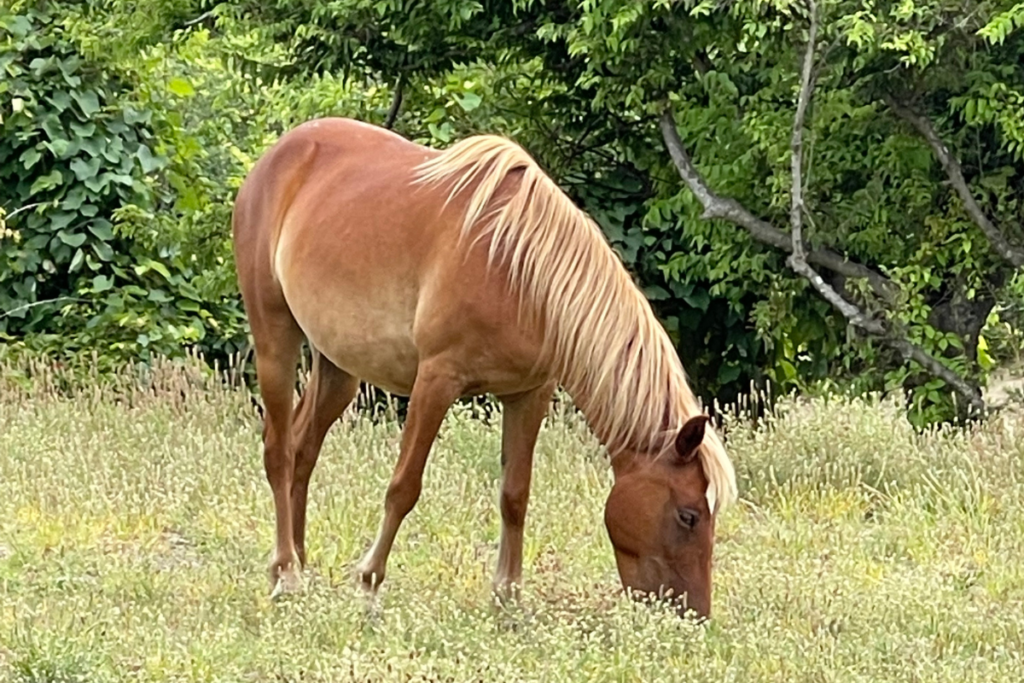
Quick Facts
Identification Difficulty: Easy to Moderate
Primary Colors: Bay, Chestnut, Brown, Black, and Dun
Most Distinctive Feature: Compact Colonial Horse Build
Average Height: 13–15 Hands (52–60 Inches)
Common Look-Alikes: Mustangs, Domestic Horses, and Pony Breeds
Best Identification Method: Body Structure, Size, and Coastal Population Location
Introduction to Banker Horse Identification
The Banker Horse (Equus ferus caballus) is one of North America’s most recognizable feral horse populations. Descended from colonial-era horses, these animals have developed a distinct appearance that separates them from many modern domestic breeds. Although they belong to the same species as all domestic horses, several physical characteristics make identification relatively straightforward when observers know what to look for.
Most people encounter Banker Horses through photographs, wildlife tours, or visits to North Carolina’s barrier islands. At first glance, they may appear similar to ordinary horses, but closer observation reveals features that reflect centuries of adaptation and isolation. These traits help distinguish them from larger domestic riding horses and western Mustangs.
Identification often begins with overall appearance rather than individual details. Banker Horses possess a rugged, practical look that differs from the refined proportions common in many modern breeds. Their bodies reflect functionality rather than specialized breeding for speed, jumping, or competition.
Fortunately, identifying a Banker Horse does not require expert knowledge. By examining body shape, height, coloration, and several distinctive physical traits, most observers can confidently recognize this historic feral horse population.
Banker Horse Physical Appearance and Body Structure
One of the easiest ways to identify a Banker Horse is by its compact build. Unlike many modern riding horses that emphasize height and long limbs, Banker Horses generally appear shorter, broader, and more muscular. Their sturdy proportions create a balanced profile that immediately stands out to experienced observers.
The head is typically broad and well-proportioned, with a straight or slightly convex facial profile. Compared to highly refined horse breeds, the face often appears more substantial and practical in design. This contributes to the population’s historic appearance.
The neck is usually moderate in length and blends smoothly into a deep chest and compact body. Many individuals appear powerful despite their relatively modest size. This combination creates a horse that looks capable of enduring challenging conditions without appearing oversized.
Leg structure provides another useful identification clue. Banker Horses generally possess strong, well-developed legs that support efficient movement. Their limbs tend to appear durable rather than exceptionally long or slender.
Viewed from a distance, the overall silhouette often resembles historical illustrations of colonial horses. The compact frame, moderate height, and balanced proportions combine to create an appearance that differs noticeably from many modern domestic breeds.
Banker Horse Coloration and Distinctive Identification Features
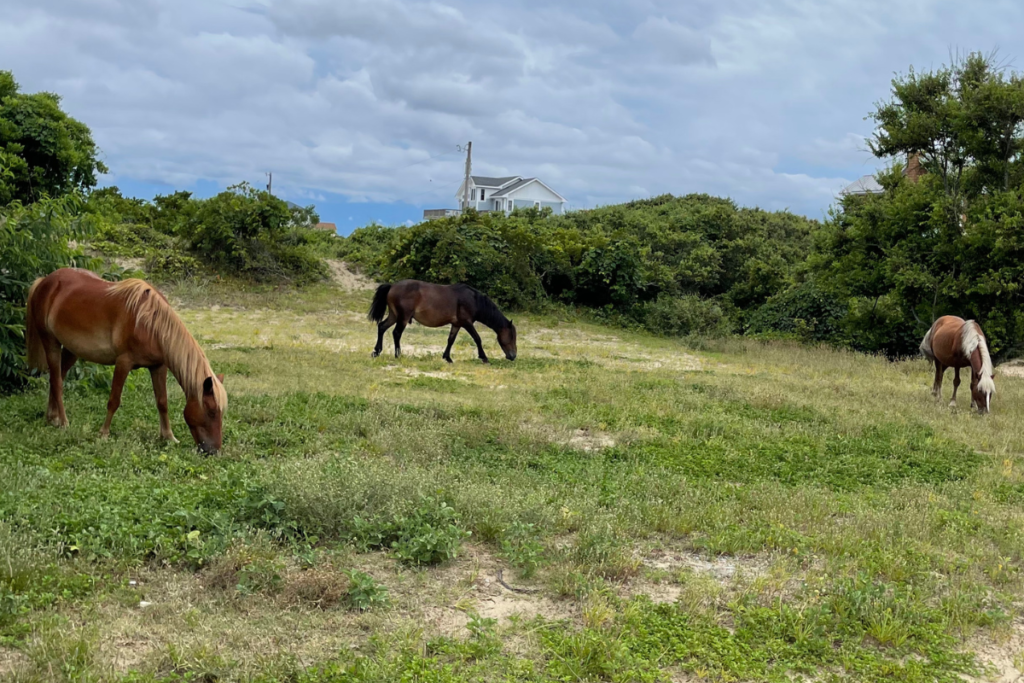
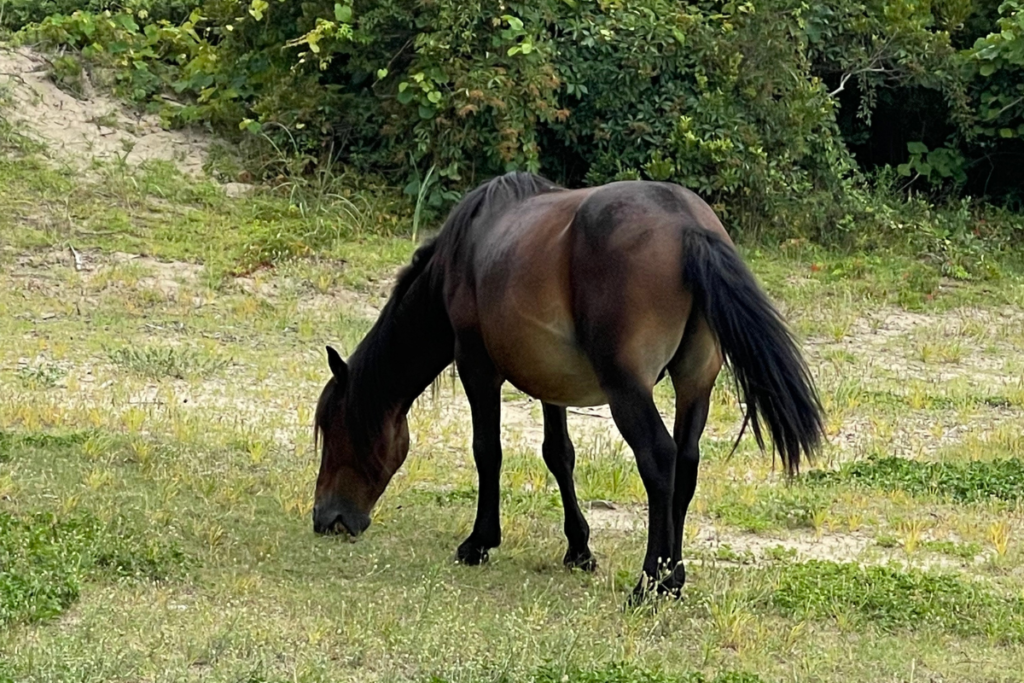
Color variation occurs throughout the population, although certain shades appear more frequently than others. Bay, chestnut, brown, black, and dun are among the most commonly observed colors. These traditional coat patterns contribute to the population’s classic appearance.
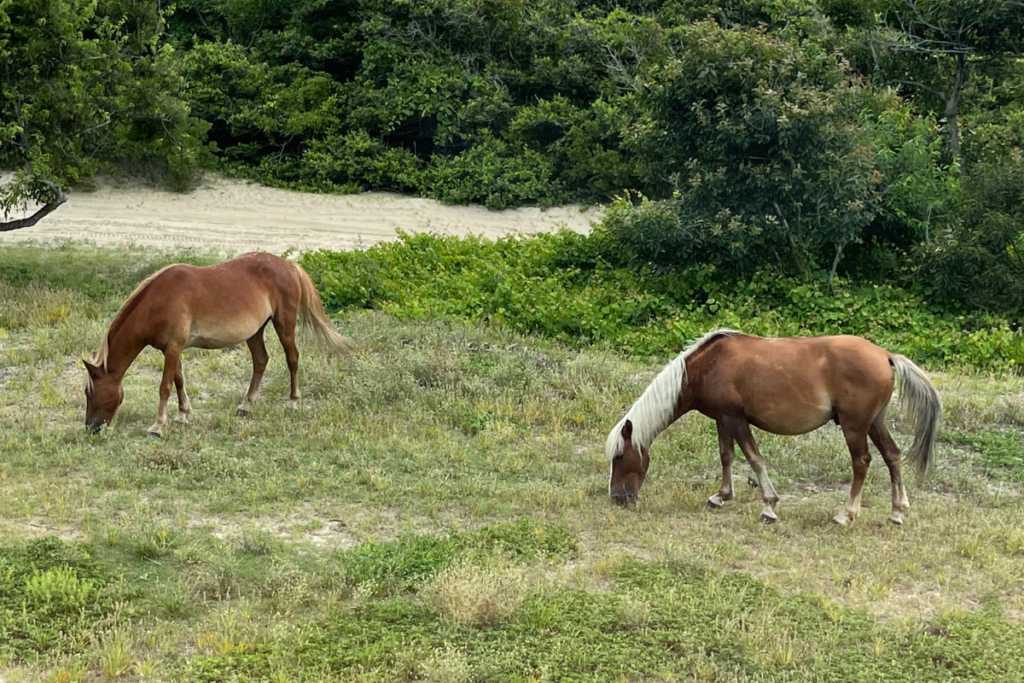
Some individuals display lighter manes and tails that contrast with darker body coloration. Others possess uniform coloring from head to tail. These variations create visual diversity while remaining consistent with the population’s overall appearance.
The mane and tail often appear thick and full. Exposure to natural conditions can give them a windswept appearance that differs from carefully groomed domestic horses. This characteristic contributes to the rugged image commonly associated with Banker Horses.
One of the most impressive identifying features is the hoof structure. Banker Horses are known for exceptionally durable hooves that often remain healthy without horseshoes. Although this feature is not always obvious from a distance, it represents an important physical characteristic of the population.
A useful comparison can be made to antique tools versus modern specialized equipment. Banker Horses retain many practical traits associated with older horse types, while some modern breeds display characteristics selected for specific purposes. This historical appearance is one of the strongest identification clues available.
Banker Horse Look-Alikes and Identification Tips
The animal most commonly confused with a Banker Horse is the Mustang. Both are feral horses with Spanish ancestry, and both can display similar coat colors. However, Banker Horses are generally more compact and occur within a much more restricted geographic range.
Domestic horses can also create identification challenges. Certain pony breeds and smaller riding horses may resemble Banker Horses at first glance. The key difference is that Banker Horses typically possess a combination of historical body structure, natural condition, and population context that domestic horses often lack.
Location is one of the most powerful identification tools available. A horse observed within the traditional range of the Banker Horse population is far more likely to be a Banker Horse than a Mustang or unrelated feral horse. Geographic context frequently provides valuable supporting evidence.
When attempting identification, begin with overall proportions before focusing on smaller details. Look for a sturdy body, moderate height, strong legs, and traditional horse features rather than specialized modern breed characteristics. These traits collectively provide a reliable foundation for identification.
For most observers, successful identification comes down to recognizing a distinctive combination of characteristics. A compact colonial-style build, durable appearance, traditional coloration, and historical population association all point toward the Banker Horse. Together, these features make the Banker Horse one of the easiest feral horse populations in North America to recognize and distinguish from other horses.
Popular Searches About Banker Horses
Explore Banker Horse Guide
Explore More Wildlife

Support Encounters World
Help support wildlife photography and get behind the scenes discoveries on Patreon.