
Banker Horse vs Mustang Guide: Key Differences Between Banker Horses and Mustangs
Quick Facts
Banker Horse Scientific Name: Equus ferus caballus
Mustang Scientific Name: Equus ferus caballus
Primary Banker Horse Range: North Carolina Barrier Islands
Primary Mustang Range: Western United States
Ancestral Influence: Spanish Colonial Horses
Main Difference: Coastal Specialist vs Western Feral Horse Population
Introduction to Banker Horse vs Mustang Comparisons
The Banker Horse and the Mustang are two of the most famous feral horse populations in the United States. Both trace portions of their ancestry to horses brought to North America by Spanish explorers, yet centuries of separation have produced noticeable differences in appearance, distribution, and adaptation. Their shared heritage often leads people to assume they are identical, but closer examination reveals unique characteristics that distinguish each population.
Banker Horses are closely associated with North Carolina’s barrier islands, where they have existed for generations in a coastal setting. Mustangs, on the other hand, occupy vast portions of the American West, ranging across deserts, grasslands, foothills, and mountain regions. These dramatically different environments have influenced the development of each population over time.
Both groups represent living examples of feral horses that survived outside direct human management. Their continued existence offers insight into how horses adapt when left to natural environmental pressures rather than intensive selective breeding. This shared history creates similarities while also highlighting important differences.
Understanding the distinction between Banker Horses and Mustangs helps wildlife enthusiasts, historians, and horse lovers appreciate the unique story behind each population. Although they belong to the same species, their paths through history have created two recognizable and fascinating horse populations.
Banker Horse vs Mustang Appearance and Physical Differences
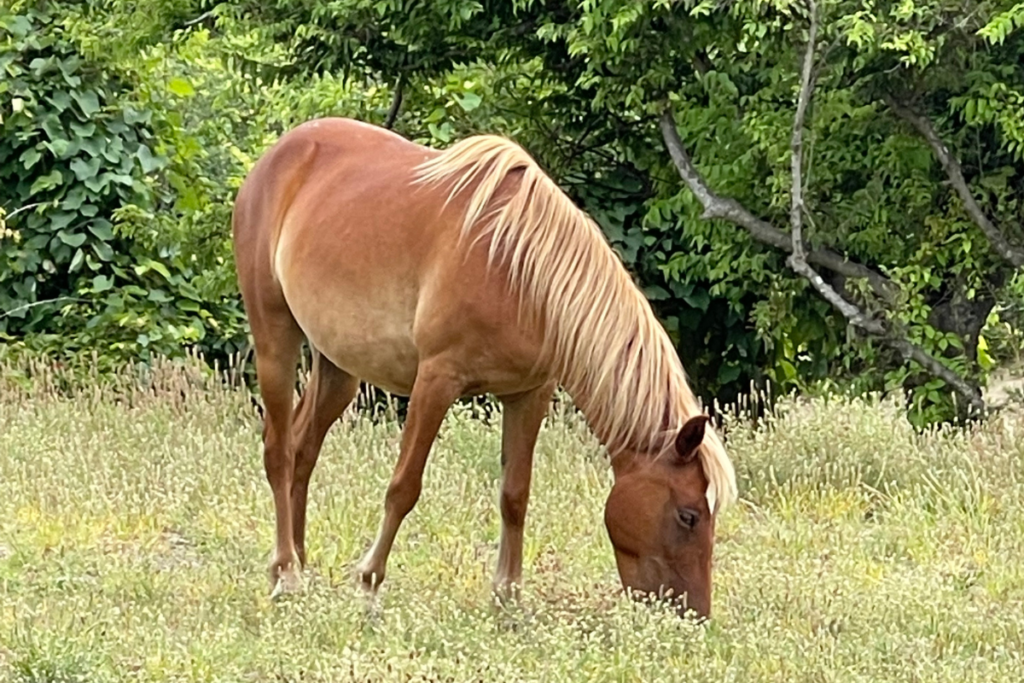
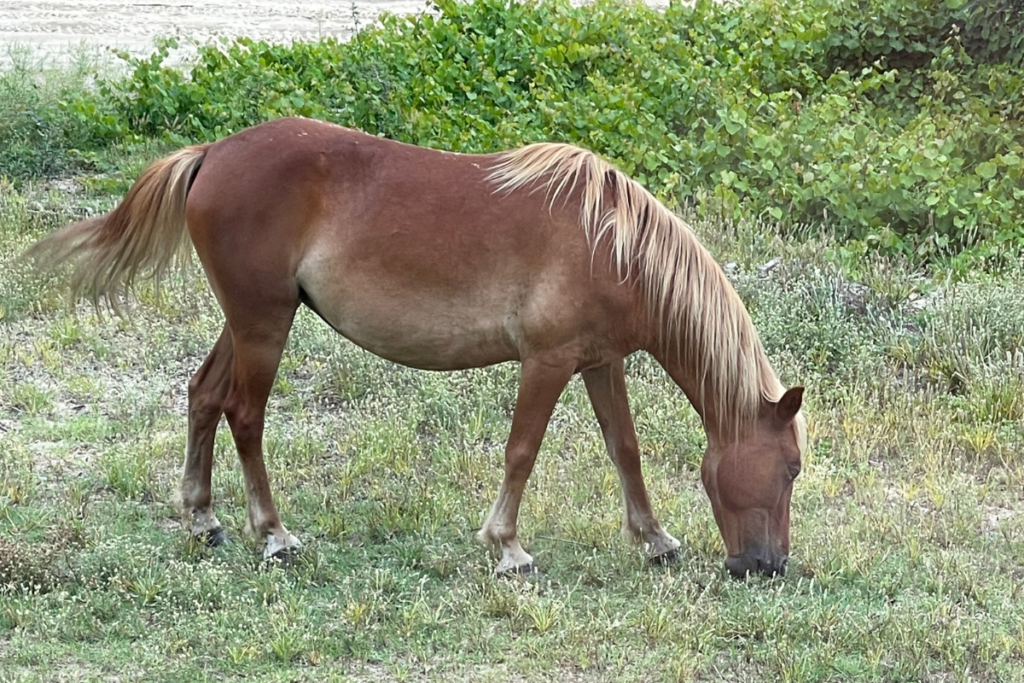
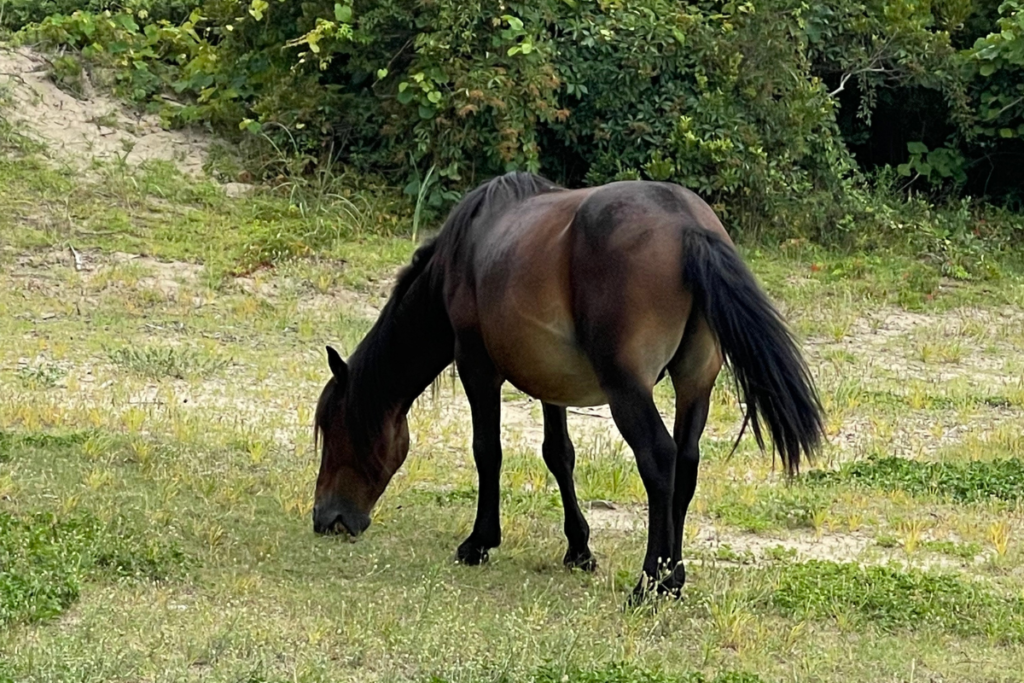
One of the easiest differences to observe is overall body structure. Banker Horses generally possess a compact and sturdy build, with relatively short legs, broad chests, and strong bodies. Their appearance reflects generations of adaptation to a coastal environment where efficiency and durability are more important than extreme size.
Mustangs display much greater physical variation. Because western populations have experienced influence from numerous domestic horse breeds over the centuries, body size, shape, and proportions can differ significantly from one herd to another. Some Mustangs appear lean and athletic, while others are stockier and more heavily built.
Size often provides another useful comparison. Banker Horses are usually smaller than many western Mustangs, often standing between 13 and 15 hands tall. Mustangs frequently reach larger heights, although exact measurements vary depending on ancestry and location.
Coat coloration also differs in predictability. Banker Horses commonly exhibit traditional colors such as bay, chestnut, brown, black, and dun. Mustang populations may display an even wider range of colors and patterns due to their diverse genetic backgrounds.
A useful comparison is to think of the Banker Horse as a preserved historical type, while the Mustang resembles a broader collection of feral horse populations. Both are recognizable as horses, but one tends to be more physically consistent while the other displays considerable diversity.
Banker Horse vs Mustang Range and Historical Origins
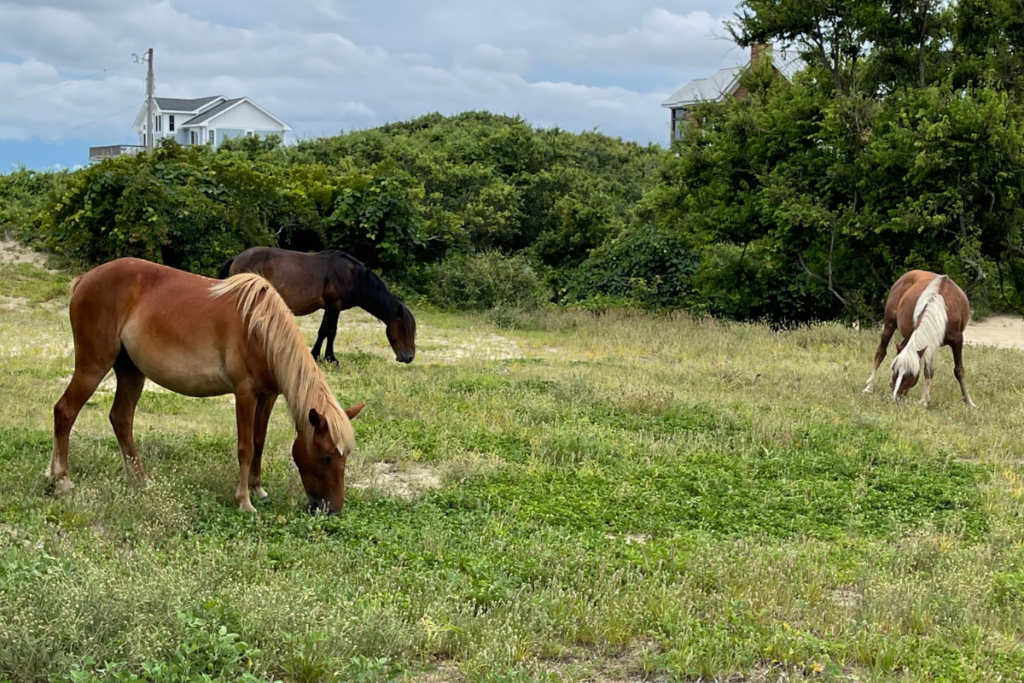
The geographic ranges of these populations could hardly be more different. Banker Horses occupy a relatively small section of the Atlantic coastline, remaining largely confined to North Carolina’s barrier islands. Their distribution is among the most restricted of any feral horse population in North America.
Mustangs, by contrast, inhabit vast regions of the western United States. Herds occur across multiple states and occupy landscapes stretching hundreds of miles. This expansive range has contributed to the development of numerous distinct Mustang populations.
Historically, both groups are linked to Spanish horses introduced during the colonial era. However, their histories diverged over time. Banker Horses remained relatively isolated, allowing them to preserve many traits associated with their early ancestry. Mustangs experienced greater mixing with later domestic horse breeds introduced throughout western expansion.
Isolation played a major role in shaping the Banker Horse. The barrier islands functioned almost like natural boundaries, limiting interaction with outside horse populations. Mustangs rarely experienced this same degree of separation because western landscapes allowed greater movement and interbreeding.
As a result, Banker Horses are often viewed as one of the closest living connections to certain colonial horse lineages, while Mustangs represent a broader and more genetically diverse feral horse heritage spanning much of the American West.
Banker Horse vs Mustang Adaptations and Modern Significance
Environmental adaptation provides perhaps the most fascinating comparison between these populations. Banker Horses developed characteristics suited to coastal conditions, including durable hooves, efficient body structure, and the ability to thrive in a landscape influenced by wind, salt, and seasonal storms.
Mustangs evolved under a very different set of environmental pressures. Western populations often face arid climates, rugged terrain, temperature extremes, and long travel distances. These conditions favor endurance, mobility, and the ability to utilize resources spread across large landscapes.
The modern significance of both populations extends beyond ecology. Banker Horses have become iconic symbols of North Carolina’s coastal heritage, attracting visitors interested in history, wildlife, and conservation. Their presence represents centuries of survival in a unique environment.
Mustangs occupy a similarly important role in American culture. They are often viewed as symbols of freedom, independence, and the frontier spirit associated with the western United States. Their image has become deeply embedded in literature, film, and popular culture.
Ultimately, Banker Horses and Mustangs share a common ancestry but tell very different stories. The Banker Horse represents a specialized coastal population shaped by isolation and historical continuity, while the Mustang reflects the vast landscapes and diverse horse heritage of the American West. Together, they stand as two of the most remarkable feral horse populations in North America and provide valuable insight into the adaptability and resilience of horses living beyond direct human control.
Popular Searches About Banker Horses
Explore Banker Horse Guide
Explore More Wildlife

Support Encounters World
Help support wildlife photography and get behind the scenes discoveries on Patreon.