Blue Jay Habitat Guide: Forest Environments, Range, and Living Conditions of Cyanocitta cristata
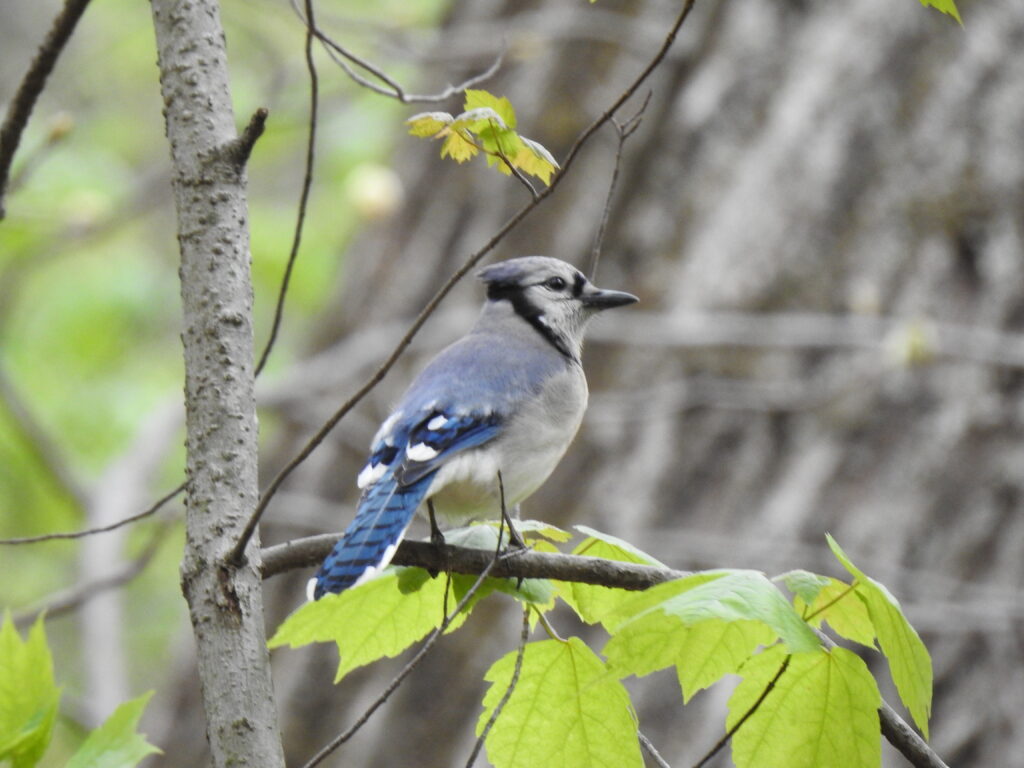
Quick Facts
Primary Habitat: Deciduous and mixed woodlands
Secondary Habitat: Suburban parks, neighborhoods, and forest edges
Climate Preference: Temperate climates with seasonal variation
Environment Type: Forested and semi-open landscapes
Elevation / Depth Range: Sea level to moderate upland elevations
Geographic Distribution: Eastern and central North America
Introduction to Blue Jay Habitat Across North America
The Blue Jay is widely distributed across eastern and central portions of North America, where it occupies a broad range of wooded environments. Its bright coloration and loud vocalizations make it one of the most recognizable birds in many tree-covered landscapes. From rural forests to suburban neighborhoods lined with mature trees, Blue Jays are strongly associated with regions that provide layered vegetation and elevated perching areas. Their widespread presence allows them to remain familiar to people living in both natural and developed environments.
Throughout much of their range, Blue Jays are seen moving between wooded areas, scattered tree cover, and semi-open landscapes. They are especially common in regions containing mixed vegetation and seasonal environmental changes. In northern portions of their distribution, the species experiences snowy winters and cool autumn conditions, while southern populations may live in warmer climates for much of the year. This broad geographic range demonstrates the species’ ability to tolerate varied seasonal environments.
The bird’s surroundings often include dense canopies, branching tree lines, and areas where open space meets heavier vegetation. Blue Jays are frequently observed along woodland edges where sunlight reaches lower plants and visibility remains relatively open. Their bold appearance contrasts strongly against green leaves during summer and bare branches during colder months. Even in urban settings, the presence of mature trees can create suitable environmental conditions for the species.
Unlike birds restricted to isolated wilderness habitats, Blue Jays thrive across landscapes shaped by both natural growth and human activity. This flexibility allows them to remain abundant across large portions of their range. Whether found near quiet forest trails or suburban parks filled with tall trees, the species maintains a strong connection to environments structured around vertical vegetation and overhead cover.
Broad Blue Jay Habitat Range and Environmental Adaptability
The Blue Jay occupies one of the broader habitat ranges among North American woodland birds. Its distribution stretches from southern Canada through much of the eastern and central United States, covering regions with very different seasonal patterns and landscapes. Few birds combine such strong association with forests while also adapting successfully to suburban and semi-urban environments. Compared to more specialized species that disappear when forests become fragmented, Blue Jays remain highly resilient across mixed landscapes.
Their adaptability is especially noticeable in areas where natural tree cover overlaps with human development. Residential neighborhoods containing mature oaks, maples, or pines often support healthy Blue Jay populations. Public parks, cemeteries, school campuses, and rural properties can all function as suitable environments if sufficient tree cover is available. This ability to use modified landscapes has helped the species remain widespread even as portions of North American forests have changed over time.
Blue Jays are commonly associated with woodland systems, but they are not limited strictly to deep interior forests. Many individuals appear comfortable in transitional zones where open areas blend into heavier vegetation. Forest edges, scattered groves, and tree-lined corridors frequently support high levels of activity. This contrasts with some forest birds that avoid fragmented habitats entirely and remain dependent on dense, uninterrupted canopy cover.
Despite their adaptability, Blue Jays still rely heavily on environments containing vertical structure and mature vegetation. Regions lacking trees almost entirely rarely support long-term populations. Open agricultural plains or heavily developed city centers without significant greenery tend to limit their presence. Even adaptable individuals remain closely tied to landscapes capable of providing elevated perching areas, layered vegetation, and sheltering tree cover throughout the year.
Specific Habitat Types Occupied by Blue Jays
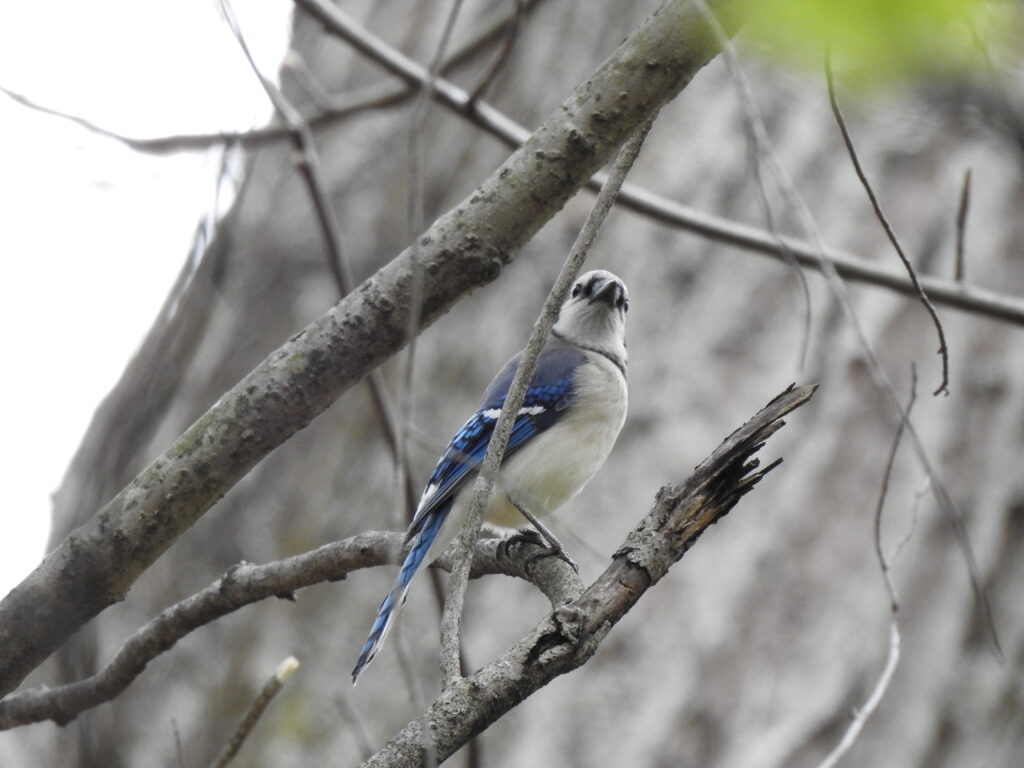
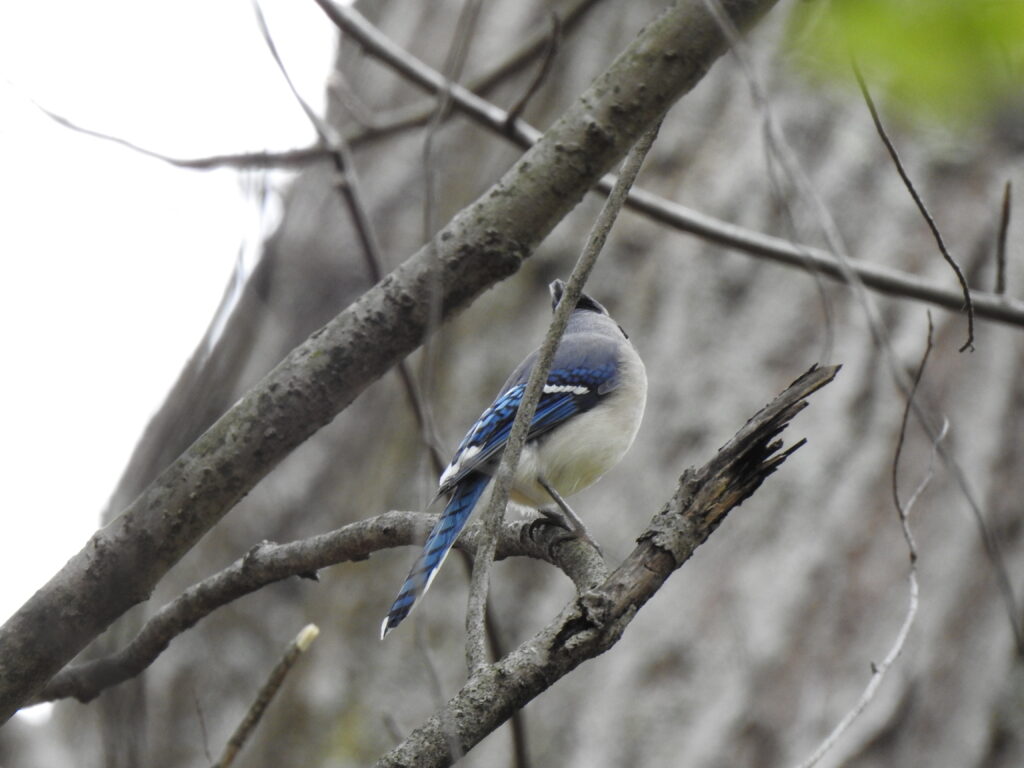
The Blue Jay occupies several distinct habitat categories across its range, with deciduous forests representing one of the most important. Woodlands dominated by oak, maple, hickory, and beech trees commonly support stable populations. These forests provide complex canopy layers, branching perches, and seasonal vegetation changes that shape the surrounding environment. During summer, dense foliage creates shaded overhead cover, while winter reveals more open branch networks.
Mixed forests containing both deciduous and evergreen trees also provide highly suitable conditions. Pine and spruce trees offer year-round shelter and visual cover during colder seasons when deciduous trees lose their leaves. In these environments, Blue Jays often move between evergreen sections and more open hardwood areas. The variation in vegetation density creates a layered landscape that supports both visibility and concealment.
Suburban and residential environments represent another major habitat category for the species. Neighborhoods containing mature trees, landscaped yards, and scattered woodland patches can support surprisingly active Blue Jay populations. In many towns, the birds use backyard trees, park edges, and utility corridors as extensions of natural woodland systems. Their presence in these human-altered areas demonstrates a level of environmental flexibility greater than many other native woodland birds.
Blue Jays are also commonly associated with edge habitats rather than the deepest portions of dense forests. Woodland borders near roads, clearings, lakes, or fields frequently produce higher visibility and increased activity. These transition zones combine open sightlines with nearby tree cover, creating environments where the species can move efficiently between exposed and sheltered areas. Compared to birds that remain hidden within thick vegetation, Blue Jays often appear more comfortable using semi-open woodland edges.
Environmental Conditions Supporting Blue Jay Populations
The Blue Jay thrives primarily in temperate climates with distinct seasonal variation. Across much of its range, summers are warm and humid while winters can become cold, snowy, and windy. This seasonal contrast shapes the structure of forests and vegetation throughout the year. Blue Jays are well suited to environments that experience noticeable annual environmental change rather than stable tropical conditions.
Moderate to dense tree cover remains one of the most important environmental features supporting the species. Areas containing layered canopies, branching networks, and varied vegetation heights create ideal structural conditions. Forests with tall mature trees provide elevated observation points and overhead protection from weather exposure. Even in suburban settings, rows of large trees can recreate many of the same structural conditions found in natural woodland environments.
The terrain occupied by Blue Jays varies from lowland forests to rolling hills and moderate upland elevations. They are commonly observed in regions shaped by valleys, wooded ridges, river corridors, and mixed terrain. Unlike alpine bird species adapted to extreme mountain elevations, Blue Jays generally remain associated with landscapes supporting dense vegetation growth. Their environments often contain moist soils, seasonal leaf cover, and consistent plant productivity during warmer months.
Climate tolerance in Blue Jays is relatively broad compared to many woodland birds. They can withstand cold northern winters with snow-covered forests while also surviving humid southern summers. Seasonal environmental changes may dramatically alter how their habitat appears throughout the year. A forest filled with thick green foliage during July can become an open network of bare gray branches by January, yet the species remains present through both extremes.
Popular Searches About Blue Jay
Explore Blue Jay Guide
Explore More Wildlife

Support Encounters World
Help support wildlife photography and get behind the scenes discoveries on Patreon.