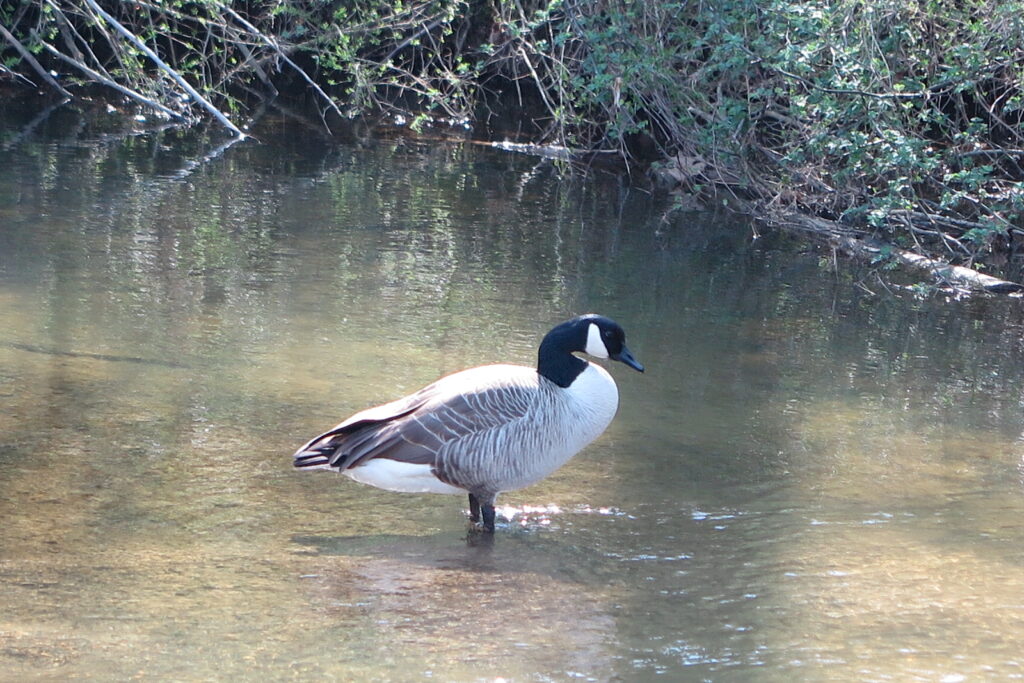
Canada Goose Behavior: Movement, Social Structure, and Survival Strategies
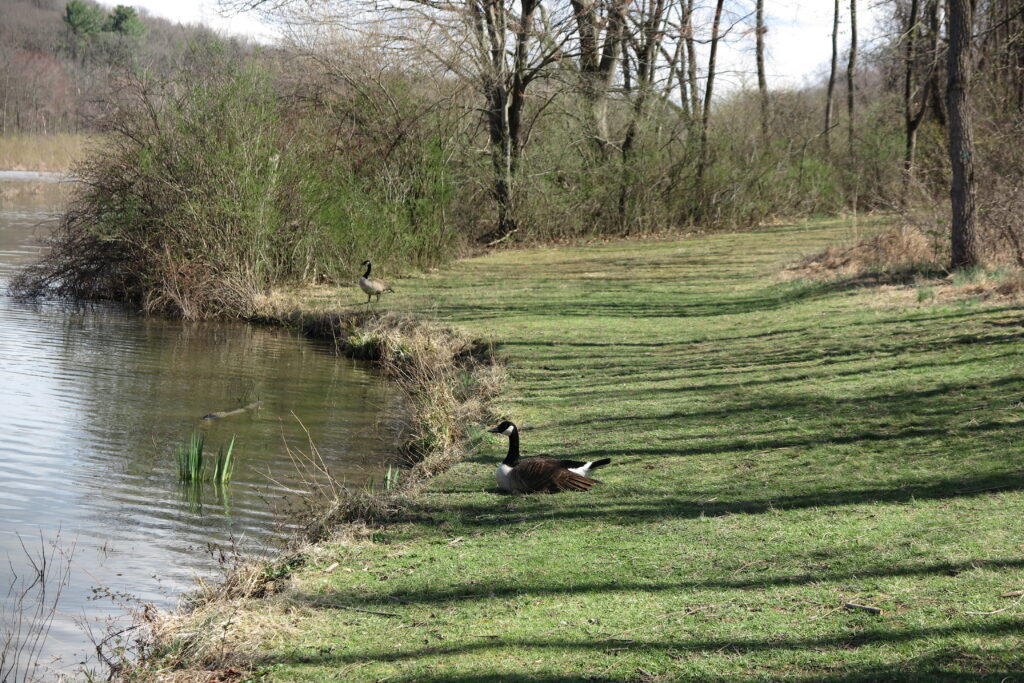
Quick Facts
Activity Type: Diurnal
Social Structure: Flock-based
Territorial Behavior: Strong during breeding season
Movement Style: Walking, swimming, and flying
Communication Method: Vocal calls and body signals
Defense Strategy: Aggressive displays and group defense
The Canada Goose exhibits a highly structured behavioral pattern shaped by group living and environmental awareness. Its actions are often easy to observe, as it spends much of its time in open areas. This visibility makes it one of the more recognizable birds in everyday settings.
Throughout the day, the species remains active, moving between resting, feeding, and interacting with other geese. Its behavior reflects a balance between awareness and routine. Even when stationary, it appears alert and responsive to its surroundings.
The presence of multiple individuals often creates a dynamic scene. Birds may move together, adjust positions, or respond to subtle changes in the environment. This coordinated behavior reinforces their social structure.
Compared to solitary birds, the Canada Goose displays a strong sense of group cohesion. Its behavior is closely tied to the movements and signals of others within the flock.
Canada Goose Activity Patterns and Behavioral Traits
The Canada Goose follows a consistent daily rhythm, with activity centered around daylight hours. Morning and late afternoon often see increased movement, while midday may involve periods of rest. This pattern allows for energy conservation.
Its behavioral traits include awareness, coordination, and adaptability. The bird frequently pauses to observe its surroundings before continuing movement. This cautious approach helps it respond quickly to potential threats.
Adaptability is a defining characteristic, allowing it to function in both natural and developed environments. Its behavior adjusts depending on the level of human presence and available space. This flexibility contributes to its widespread success.
Unlike more erratic species, the Canada Goose tends to move with purpose. Each action appears deliberate, contributing to an overall impression of control.
Canada Goose Movement and Daily Activity Cycles
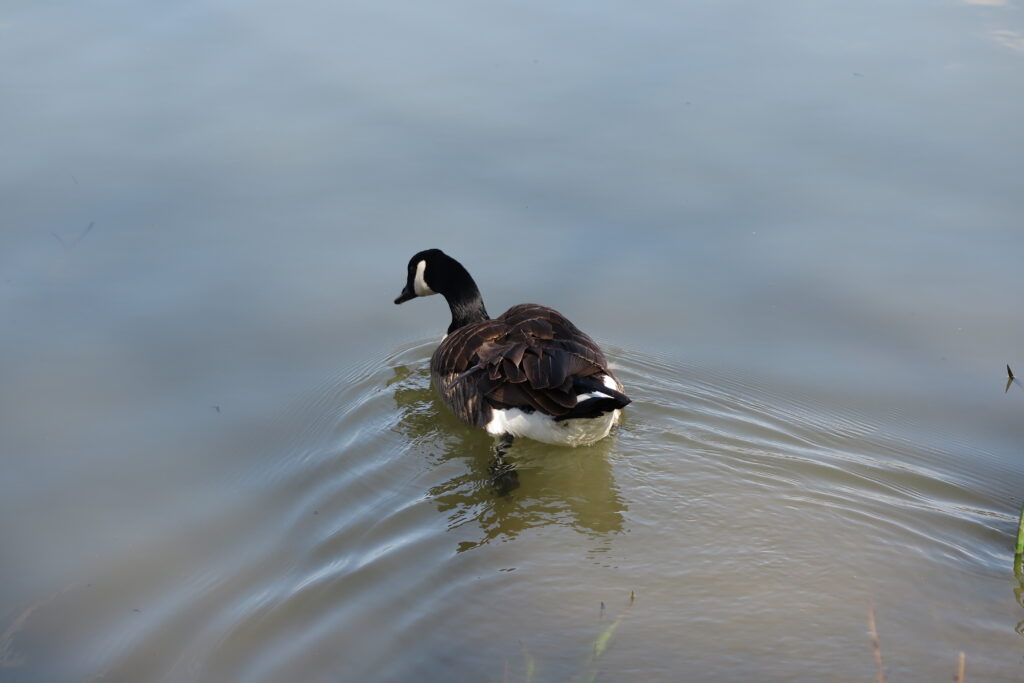
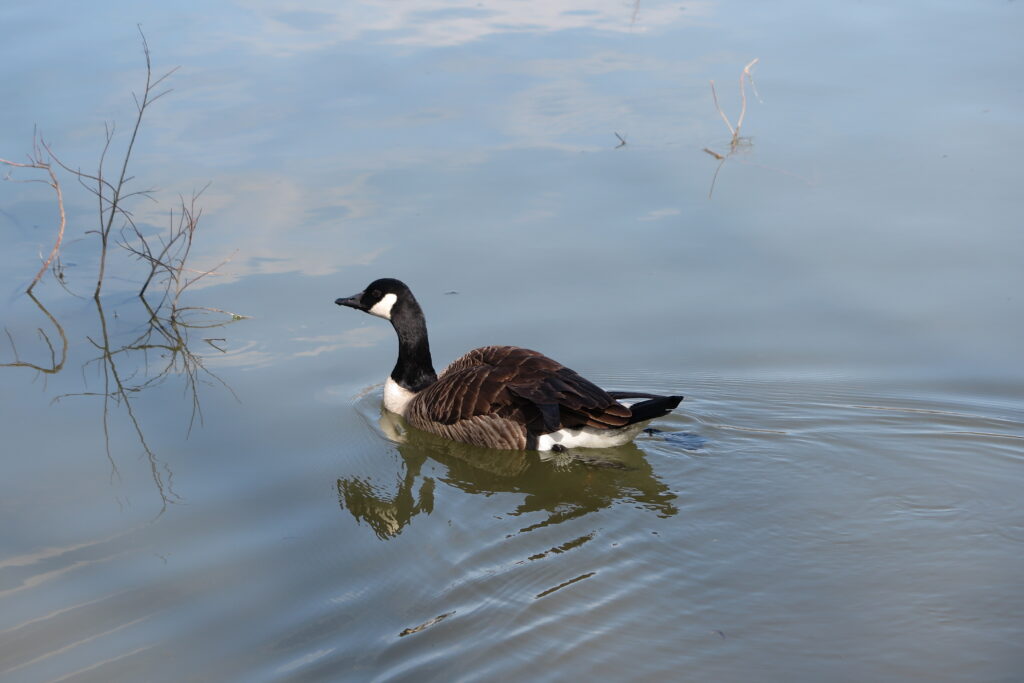
Movement in the Canada Goose is varied, including walking, swimming, and flight. On land, it walks with steady steps, maintaining balance through its body posture. In water, it glides smoothly, propelled by its webbed feet.
Flight is powerful and direct, often performed in coordinated groups. The species is known for its V-shaped formation during migration, which helps conserve energy. This formation also reflects strong group coordination.
Daily movement patterns involve shifting between water, land, and resting areas. These transitions create a layered pattern of activity throughout the day. Each environment serves a different purpose.
Energy use is managed through these cycles, allowing the bird to remain active over long periods. This balance supports both routine behavior and seasonal demands.
Canada Goose Social and Defensive Behaviors
The Canada Goose is highly social, often forming large flocks outside of breeding season. Within these groups, individuals maintain awareness of each other’s position and movement. This cohesion strengthens overall survival.
During breeding periods, territorial behavior becomes more pronounced. Pairs may defend specific areas, using posture and movement to deter intruders. These interactions can appear intense but are usually brief.
Communication plays a central role in maintaining group structure. Vocal calls signal movement, alert others to changes, and reinforce connections within the flock. These sounds are a defining feature of the species.
When threatened, the Canada Goose may display defensive behavior, including hissing, wing spreading, and forward movement. This strategy emphasizes deterrence, allowing the bird to protect itself and its group.