Canada Goose Habitat: Where They Live and Environmental Preferences
Quick Facts
Primary Habitat: Wetlands and freshwater areas
Secondary Habitat: Parks, fields, suburban spaces
Climate Preference: Temperate climates
Environment Type: Semi-aquatic
Elevation / Depth Range: Sea level to moderate elevations
Geographic Distribution: North America and introduced regions
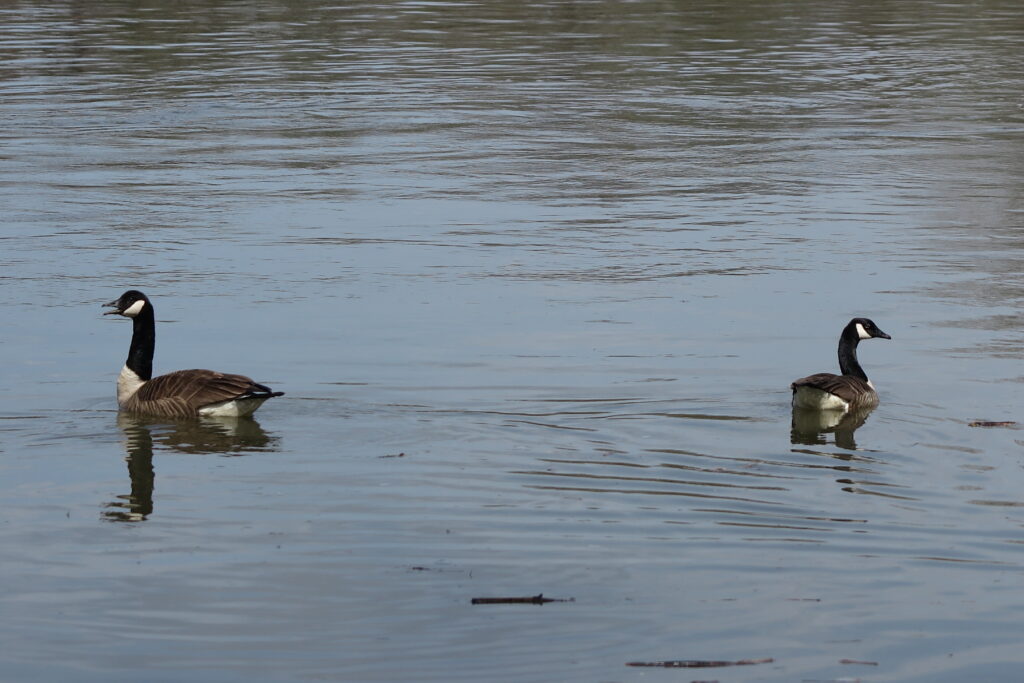
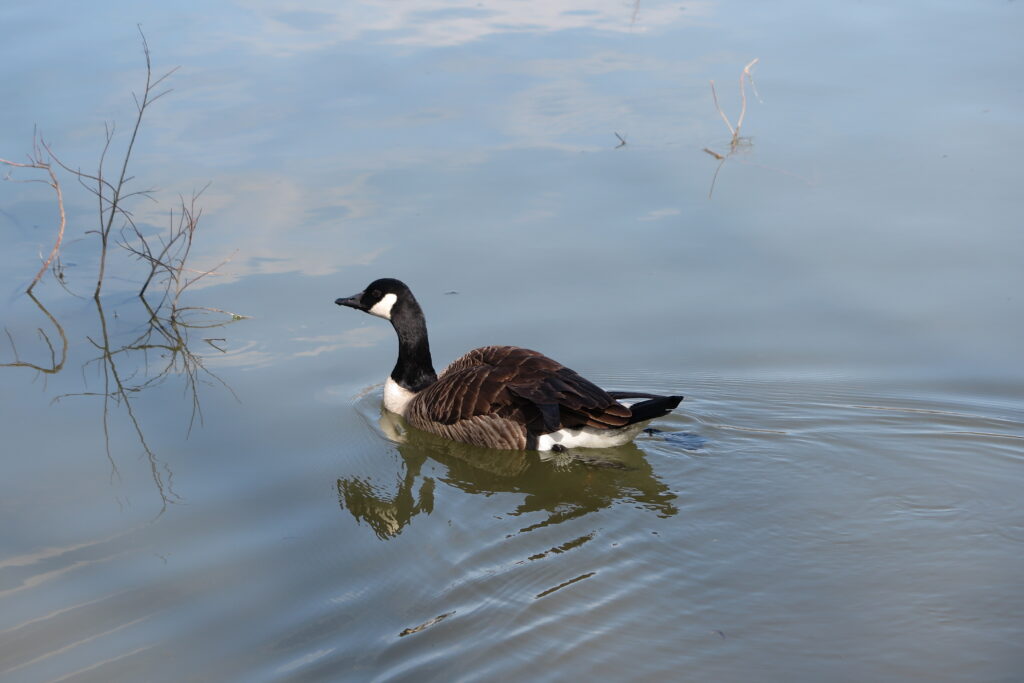
The Canada Goose is closely associated with water-based environments, particularly freshwater systems such as lakes, ponds, and rivers. These areas provide the foundation for its daily activities. The presence of water is a defining feature of its habitat.
Its range spans a wide geographic area, covering much of North America and extending into introduced regions. This distribution reflects its adaptability to different environmental conditions. It is one of the most widespread waterfowl species.
In many areas, it occupies both natural and human-modified environments. This flexibility allows it to thrive in places where other species may struggle. Its habitat is shaped by both natural features and human influence.
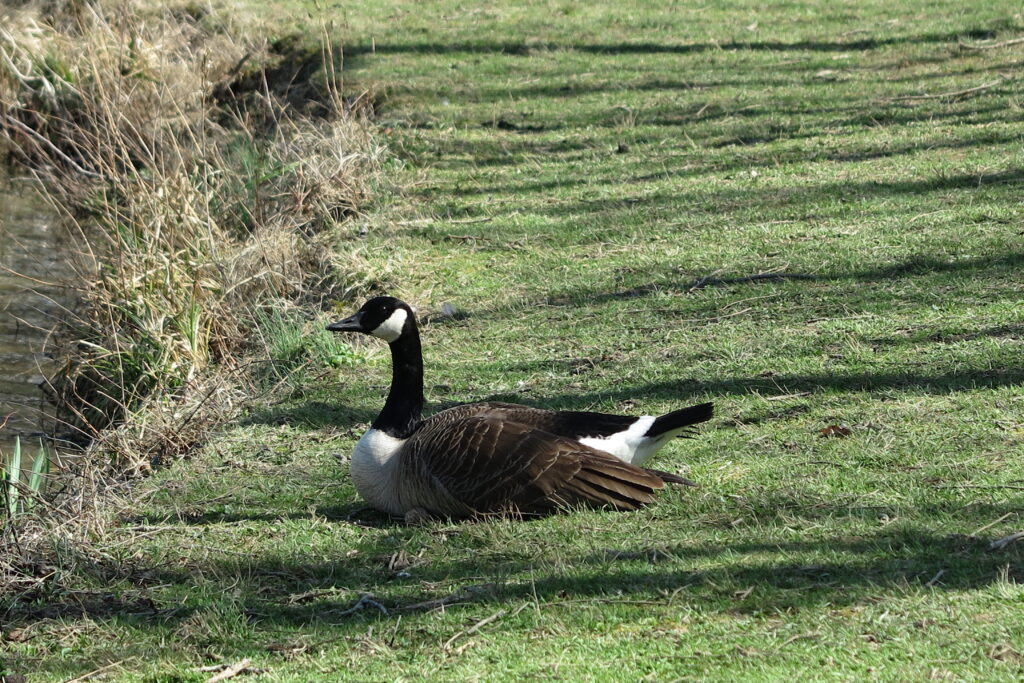
The overall environment typically includes a mix of water and open land. This combination supports its lifestyle and daily needs.
Canada Goose Habitat Distribution and Adaptability
The Canada Goose demonstrates strong adaptability in habitat selection. It can occupy remote wetlands as well as urban parks and suburban lakes. This range of environments highlights its flexibility.
Its distribution often depends on the availability of water and open space. These elements create suitable conditions for movement and resting. The bird adjusts to different settings while maintaining its core requirements.
Urban environments have become increasingly important for some populations. These areas provide stable conditions and reduced predation. As a result, the species often thrives in developed landscapes.
Compared to more specialized species, the Canada Goose maintains a broad habitat range. This adaptability supports its continued expansion.
Canada Goose Habitat Types and Usage
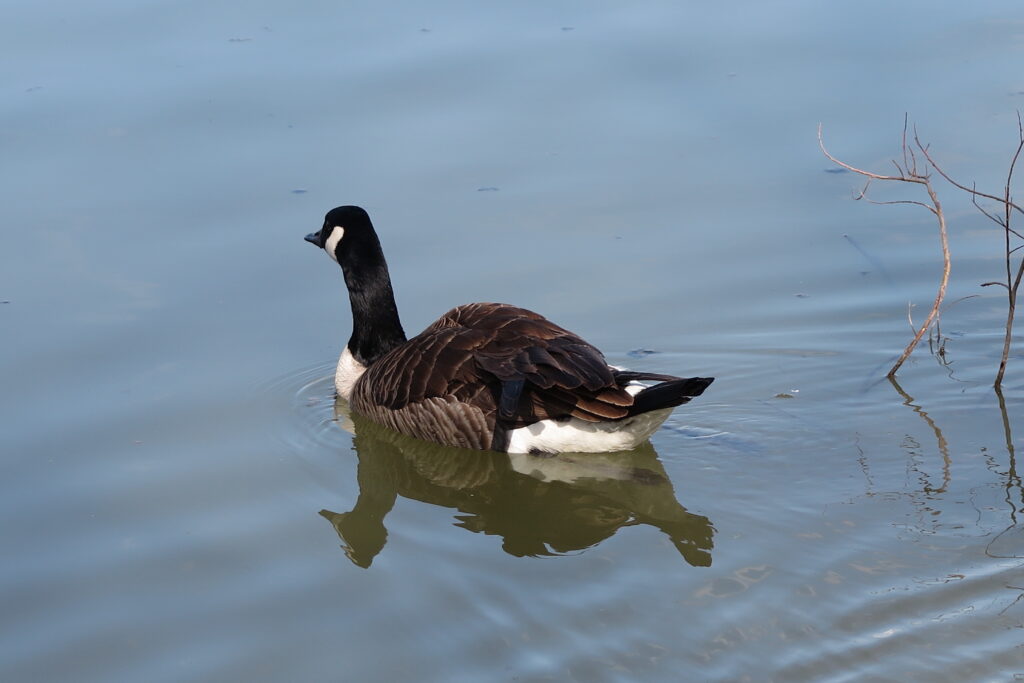
Wetlands are among the most important habitat types for the Canada Goose. These areas provide water access and surrounding vegetation. The combination supports a range of activities.
Lakes and ponds offer open water surfaces where the bird can rest and move. These environments are commonly used across its range. They provide visibility and accessibility.
Grassy fields and open areas near water are also frequently used. These spaces create a transition between land and water. The bird moves between these zones throughout the day.
In suburban settings, parks and managed landscapes often serve as habitats. These areas mimic natural conditions, allowing the species to adapt easily.
Canada Goose Environmental Conditions and Preferences
The Canada Goose prefers environments with moderate temperatures and accessible water sources. These conditions support year-round activity in many regions. Climate plays a role in shaping its distribution.
Vegetation around water bodies provides structure and variation within the habitat. Open areas combined with plant cover create balanced conditions. This mix supports its presence.
Terrain is generally flat or gently sloping, allowing for easy movement. The bird does not rely on extreme elevations. This contributes to its widespread range.
Overall, the Canada Goose favors environments that offer a combination of water, open space, and stable conditions. These factors support its long-term success.