Common Earthworm Habitat: Where Earthworms Live, Soil Conditions, and Global Environment
Quick Facts
Scientific Name: Lumbricus terrestris
Common Name: Common Earthworm (Nightcrawler)
Primary Habitat: Moist, organic-rich soil
Secondary Habitat: Forest floors, grasslands, gardens, agricultural land
Climate Preference: Temperate, humid climates
Environment Type: Terrestrial (subsurface soil environments)
Elevation / Depth Range: Surface to ~6 feet underground depending on conditions
Geographic Distribution: Native to Europe; widespread across North America and other temperate regions
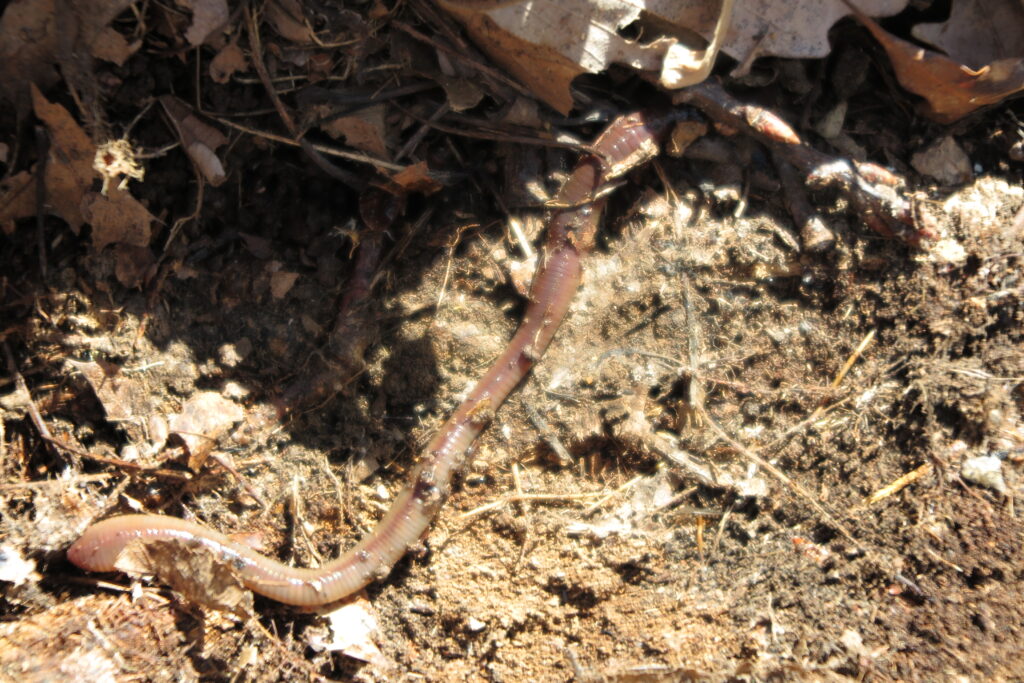
Location Observed: Pennsylvania
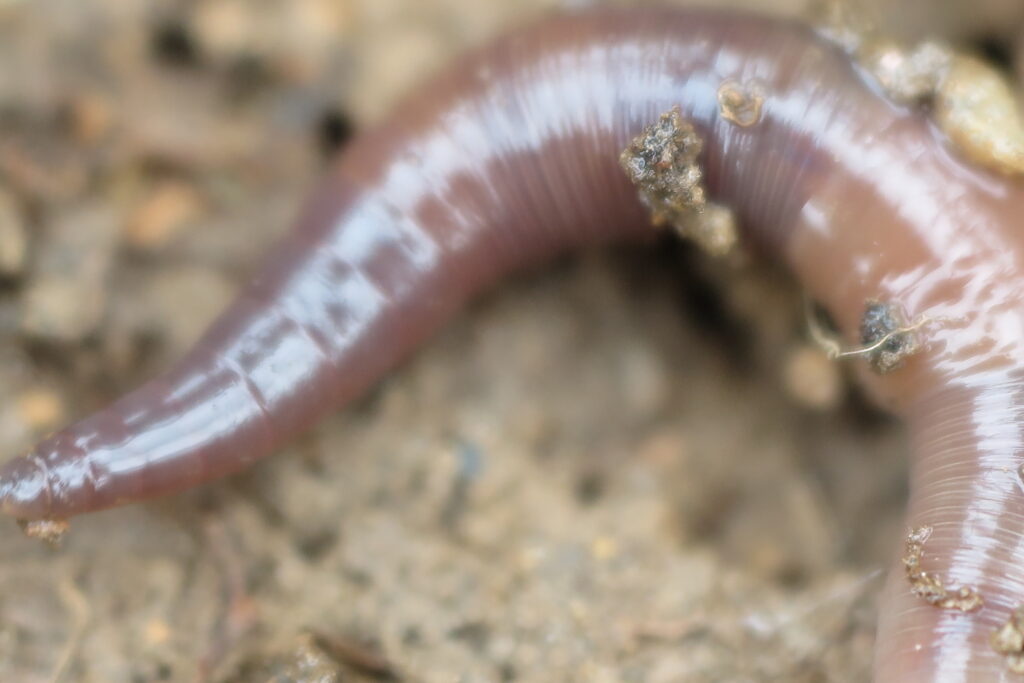
The common earthworm is a soil-dwelling invertebrate that spends nearly its entire life beneath the surface, moving through layers of earth and organic material. Its presence is often hidden, yet it remains one of the most widespread organisms in terrestrial environments. Recognizable by its segmented body and subtle coloration, it is closely tied to the structure and condition of the soil it inhabits.
Originally native to Europe, the common earthworm has expanded its range across temperate regions worldwide. It is now commonly found throughout North America and other areas where soil conditions provide the moisture and organic content necessary for survival. Its widespread distribution reflects its ability to adapt to various environments.
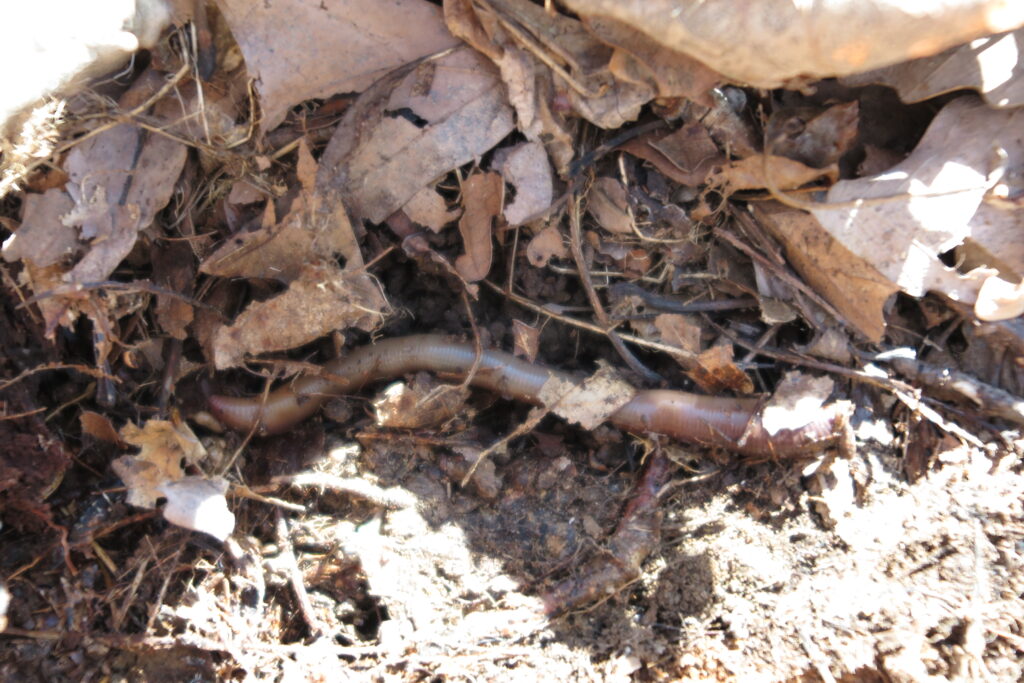
Beneath leaf litter, garden soil, and grassy terrain, the earthworm occupies a world just out of sight. Turning over soil or uncovering damp ground often reveals these organisms within their natural setting, quietly existing within the layers of earth that support them.
Common Earthworm Habitat Overview and Environmental Range
The habitat of the common earthworm is defined by soil composition, moisture levels, and the presence of organic material. It thrives in environments where the ground remains loose enough to allow movement, yet stable enough to provide structure. These conditions are commonly found in temperate regions where seasonal changes maintain a balance of moisture and nutrients.
Across its global range, the earthworm occupies a wide variety of environments, from natural ecosystems to human-altered landscapes. It is commonly found in forests, grasslands, and agricultural fields, as well as in gardens and urban green spaces. This adaptability allows it to persist in both undisturbed and managed environments.
The species demonstrates a high tolerance for variation in soil type, provided certain core conditions are met. Soil that contains a mixture of minerals and organic matter creates an ideal environment, allowing the worm to move freely while maintaining access to necessary resources.
Overall, the common earthworm’s habitat reflects a balance between environmental stability and adaptability. Its ability to exist across diverse landscapes highlights its role as a resilient and widespread soil organism.
Common Earthworm Habitat Types and Where They Live
The common earthworm is most frequently associated with forest floors, where layers of decomposing leaves and organic debris create a rich, supportive environment. These areas provide consistent moisture and a stable surface layer that protects the soil beneath.
Grasslands and open fields also serve as suitable habitats, particularly where soil remains undisturbed and retains adequate moisture. The structure of these environments allows for easy movement through the ground while maintaining the conditions necessary for long-term survival.
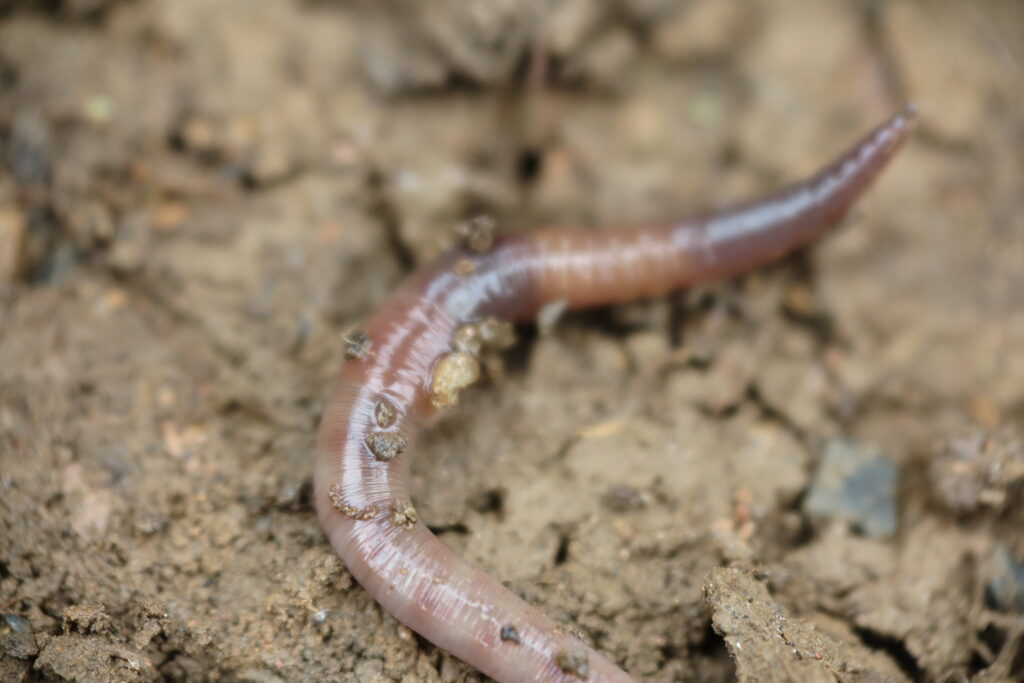
In agricultural and garden settings, earthworms are commonly found within cultivated soil. These environments often enhance soil quality, creating conditions that support earthworm populations. The presence of organic material and regular soil turnover contributes to their continued presence.
Urban and suburban environments can also support earthworm populations, particularly in lawns, parks, and landscaped areas. As long as soil conditions remain favorable, the species can adapt to environments influenced by human activity.
Common Earthworm Environmental Conditions and Soil Preferences
The common earthworm depends on consistent moisture levels within the soil to maintain its physiological functions. Environments that retain water without becoming overly saturated provide ideal conditions, allowing the worm to remain active within the soil layers.
Climate plays a significant role in shaping suitable habitats. Temperate regions with moderate rainfall and seasonal variation create conditions that support long-term survival. Extreme dryness or prolonged freezing can limit activity, but stable climates allow populations to persist.
Soil structure and composition are equally important. Loamy soils with a balanced mix of sand, silt, and organic material provide both stability and flexibility. These conditions allow for movement while maintaining the integrity of the soil environment.
Vegetation and surface cover contribute to habitat quality by protecting the soil and maintaining moisture levels. Layers of plant material help regulate temperature and prevent rapid drying, creating an environment that supports the continued presence of earthworms.