Common Plumose Anemone (Metridium senile) Habitat: Where It Lives and Environmental Conditions
Quick Facts
Scientific Name: Metridium senile
Common Name: Common Plumose Anemone
Primary Habitat: Rocky marine substrates (coastal ocean environments)
Secondary Habitat: Docks, pilings, shells, and artificial underwater structures
Climate Preference: Cold to temperate marine waters
Environment Type: Marine, benthic (seafloor-attached)
Elevation / Depth Range: Intertidal zones to ~200 meters (656 feet)
Geographic Distribution: North Atlantic and North Pacific Oceans
Location Observed: Atlanta, Georgia, USA (Exhibit)
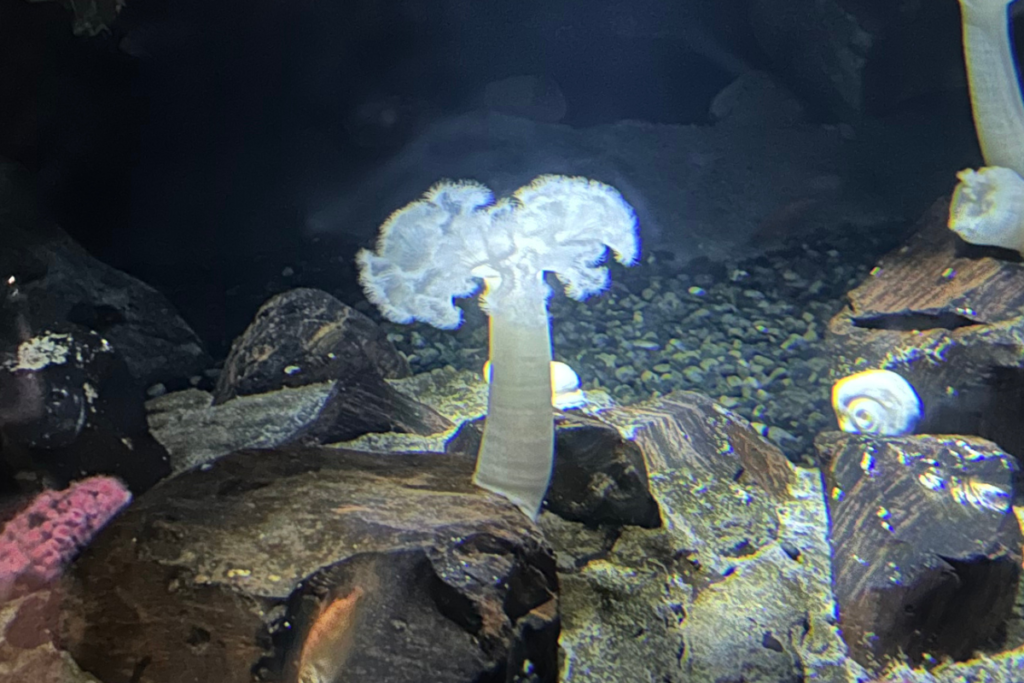
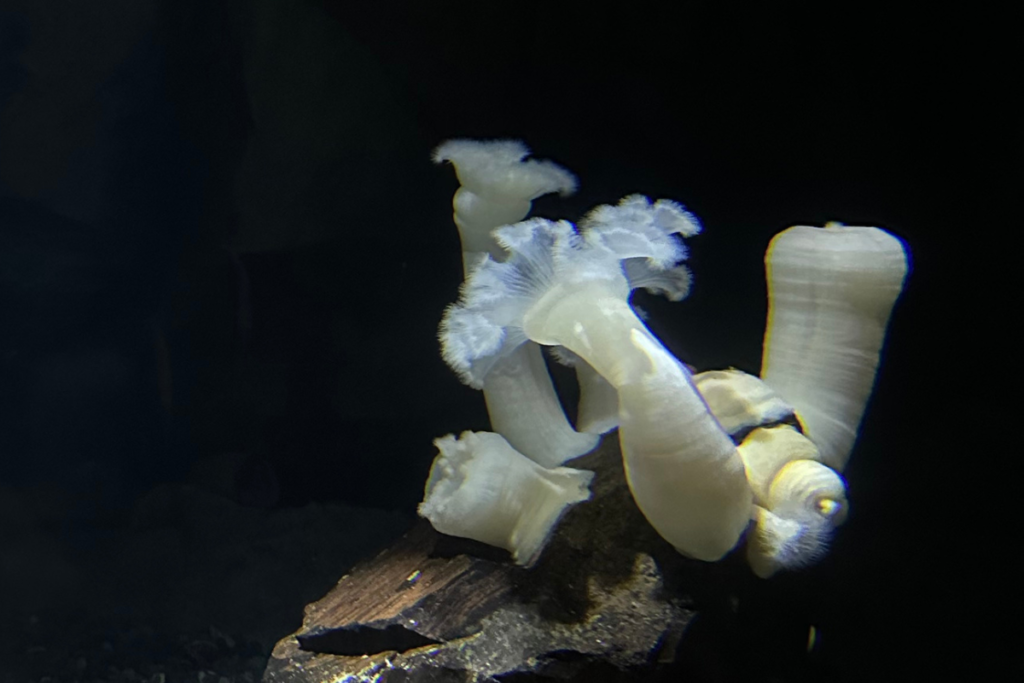
The common plumose anemone (Metridium senile) is a marine invertebrate known for its tall, column-like body and soft, feathery crown of tentacles. Although it may resemble a plant at first glance, it is an animal that depends entirely on surrounding environmental conditions to survive. Its habitat plays a central role in shaping its structure and presence.
This species is naturally distributed across the cold and temperate waters of the North Atlantic and North Pacific Oceans. It is commonly found along coastlines, where stable surfaces and consistent water movement create favorable conditions. Its wide global range reflects a strong ability to persist in varying marine environments.
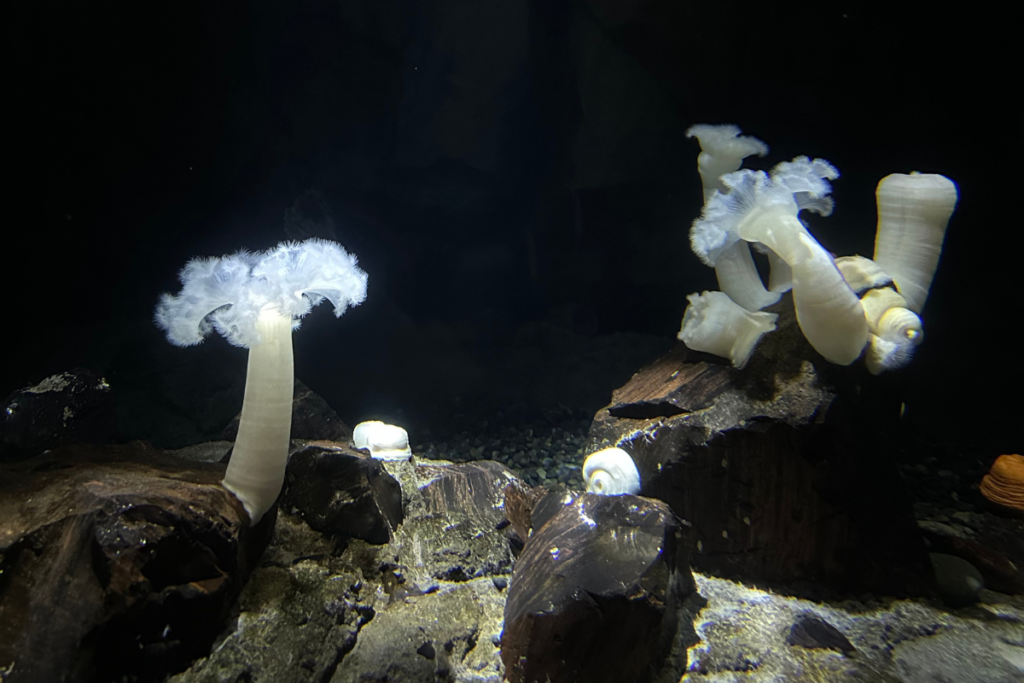
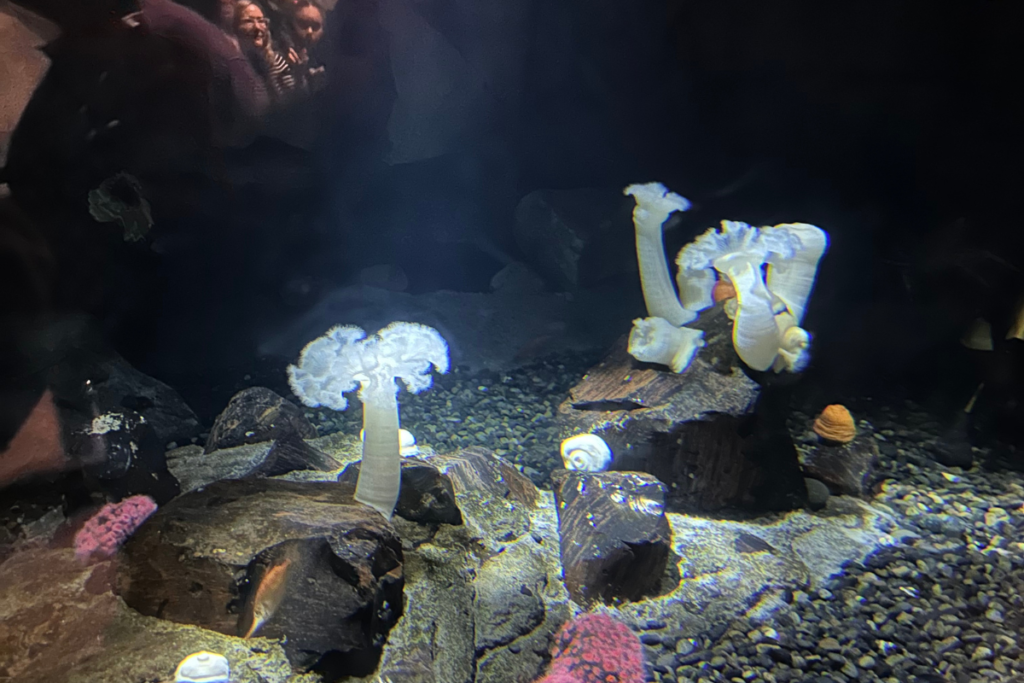
In an underwater setting, the plumose anemone appears anchored in place, rising from rock or structure with a calm, upright form. The surrounding water moves continuously, creating a quiet but active environment that supports its long-term survival without the need for relocation.
Common Plumose Anemone Habitat Overview and Environmental Range
The habitat of the common plumose anemone is defined by its connection to solid surfaces within marine environments. It exists as a benthic organism, meaning it remains attached to the seafloor or submerged structures rather than moving freely through the water. This relationship with its environment is fundamental to its survival.
Across its global range, the species occupies coastal marine zones where conditions remain relatively stable. These areas often include rocky shorelines, submerged outcrops, and man-made structures that provide reliable attachment points. Its ability to inhabit both natural and artificial surfaces demonstrates a high level of adaptability.
The anemone is not limited to a single narrow environment. It can be found from shallow intertidal zones, where it may be exposed during low tides, to deeper subtidal regions where light penetration is reduced. This vertical range highlights its flexibility in handling different pressure, light, and water movement conditions.
Overall, the species thrives in environments that offer a balance of structure and flow. It does not require complex surroundings, but it depends heavily on consistent physical conditions that allow it to maintain its form and remain securely anchored.
Common Plumose Anemone Natural Habitat and Living Environments
The common plumose anemone primarily inhabits rocky marine environments where firm surfaces are readily available. These areas provide the stability needed for the anemone to attach itself permanently. Rocks, ledges, and underwater formations serve as ideal foundations for its upright structure.
In addition to natural surfaces, the species frequently occupies artificial environments such as submerged pilings, docks, and man-made installations. These structures mimic natural conditions by offering hard surfaces and exposure to moving water, making them suitable alternatives within marine ecosystems.
The anemone is also capable of existing in intertidal zones, where it may experience periodic exposure due to changing water levels. In these areas, it remains attached to surfaces that are regularly submerged, allowing it to persist despite fluctuations in water coverage.
Across all of these environments, the defining factor is the presence of a stable attachment point combined with open exposure to surrounding water. This combination supports the anemone’s structure and allows it to maintain its position over long periods without displacement.
Common Plumose Anemone Environmental Conditions and Climate Factors
The environmental conditions surrounding the common plumose anemone are characterized by cold to temperate marine climates. These waters maintain relatively stable temperatures, creating a consistent setting that supports long-term survival. Sudden or extreme temperature changes are generally unfavorable for this species.
Water movement is a critical component of its environment. Moderate currents help circulate oxygen and nutrients while preventing stagnation. These conditions also assist in maintaining overall water quality, which is essential for sustaining marine life in benthic zones.
The terrain within its habitat is typically composed of solid, uneven surfaces that allow for secure attachment. These structures may vary in shape and size but share the common trait of stability. The anemone relies on this stability to maintain its vertical form without risk of detachment.
Vegetation is not a defining feature of its environment, but surrounding marine life may contribute to overall ecosystem balance. The anemone exists within a broader underwater community, where physical conditions such as water clarity, flow, and temperature collectively support its continued presence.