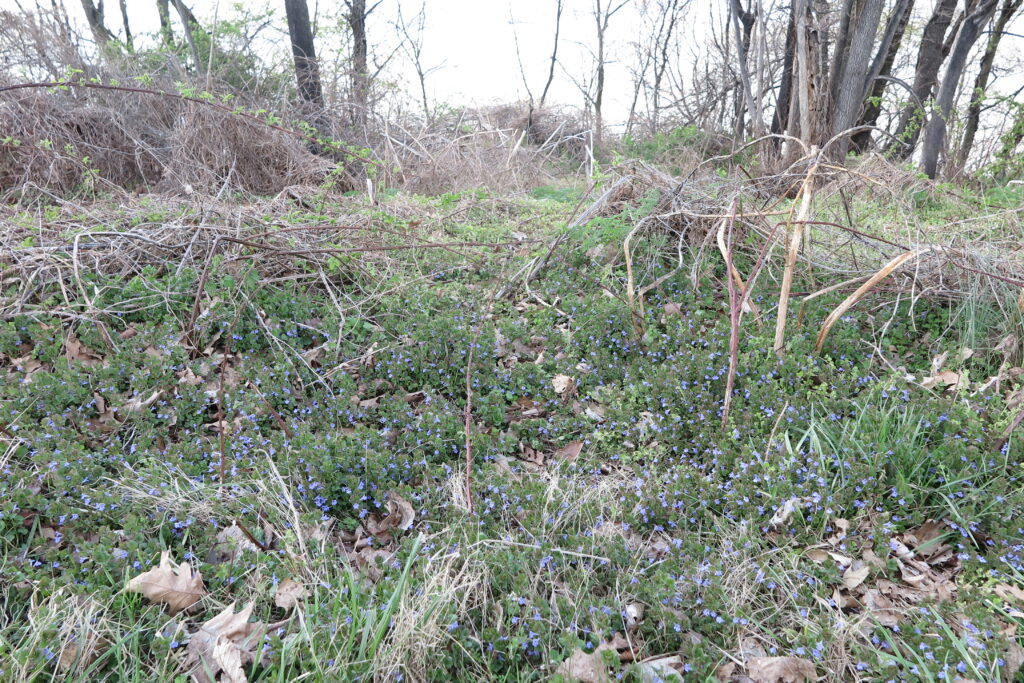
Creeping Charlie Flower and Structure: Plant Anatomy, Leaves, and Bloom Explained (Glechoma hederacea)
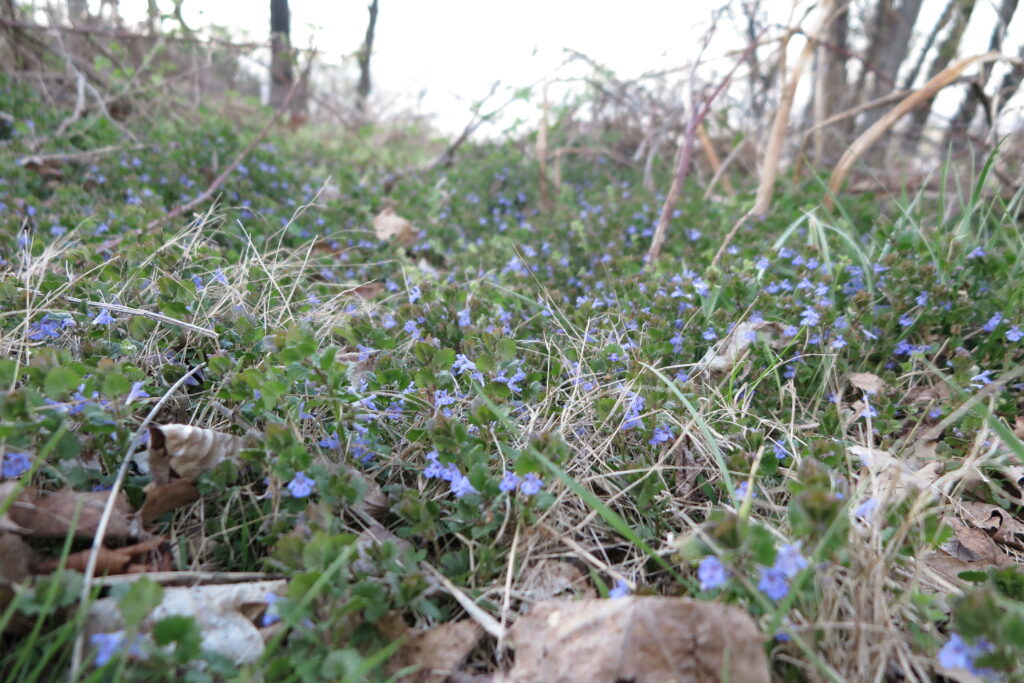
Quick Facts
Flower Type: Cluster (small groups along stems)
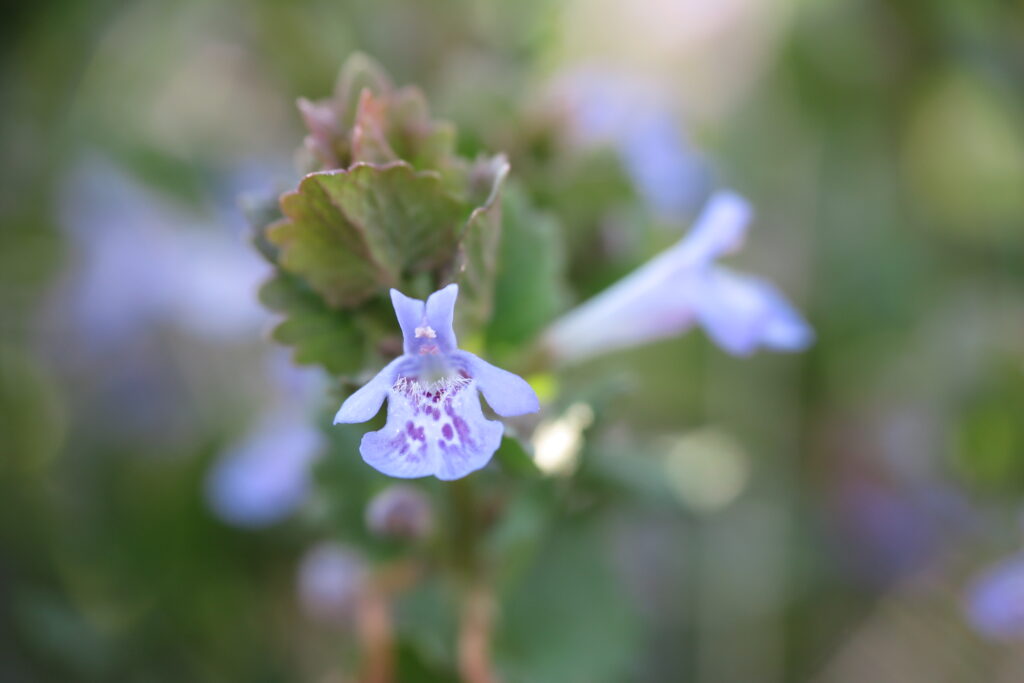
Flower Shape: Tubular (bilabiate, two-lipped)
Bloom Time: Early to mid-spring
Bloom Duration: Several weeks (seasonal bloom period)
Flower Color Variations: Purple-blue (occasionally lighter lavender tones)
Fragrance: Mild to none
Pollinator Attraction: Bees, small pollinating insects
Reproductive Role: Seed production via pollination; vegetative spread also dominant
Location Observed: Pennsylvania, USA
Creeping Charlie (Glechoma hederacea), commonly referred to as ground ivy, is a low-growing plant recognized for its trailing stems and clusters of small purple-blue flowers. Its structure is subtle yet highly organized, forming a continuous layer that follows the contours of the ground.
Native to Europe and parts of Asia, this plant has spread widely across temperate regions and is now commonly found throughout North America. It appears in a variety of settings, where its distinctive leaves and flowers make it easy to identify once recognized.
During its bloom period, small flowers emerge along the stems, adding bursts of color across its green base. The plant’s structure remains close to the ground, creating a connected network of leaves, stems, and blooms.
Creeping Charlie Structural Overview
The overall structure of Creeping Charlie is defined by its low, spreading form. Rather than growing upright, it expands outward, forming a dense layer that covers the surface it occupies.
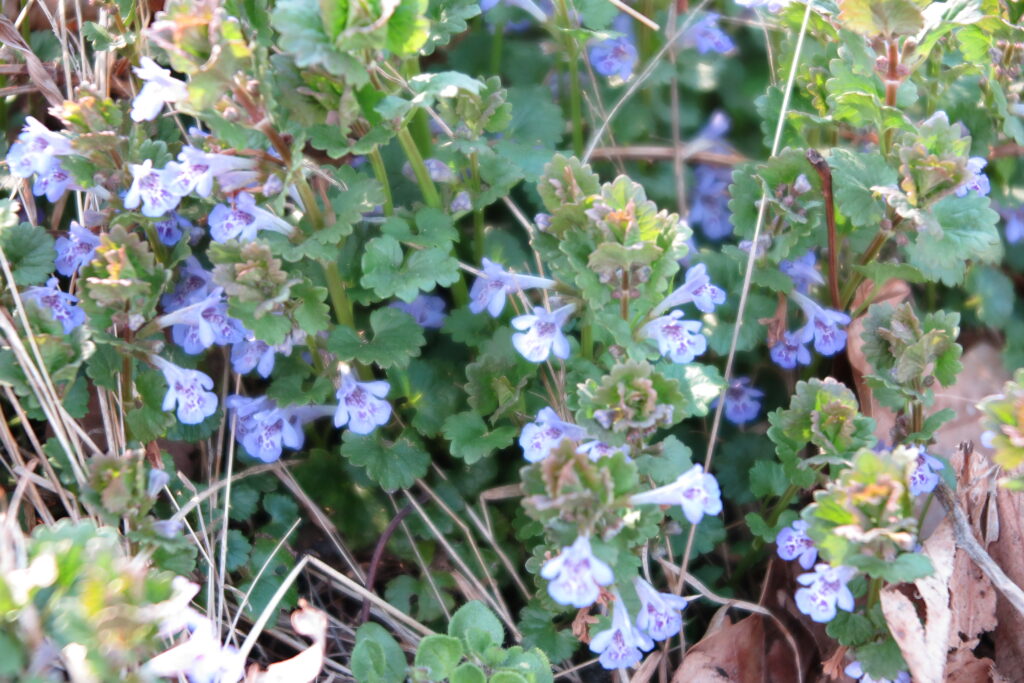
Its leaves are one of its most recognizable features. Rounded with scalloped edges, they create a textured surface that appears soft and uniform across the plant.
The stems are slender and flexible, extending horizontally rather than vertically. This gives the plant its creeping characteristic, allowing it to move across the ground in a continuous pattern.
Flowers are positioned along the stems, emerging in small clusters. Though not large, their color contrasts with the green foliage, adding visual interest without disrupting the plant’s overall structure.
Creeping Charlie Structure and Anatomy
The leaves of Creeping Charlie are broad, rounded, and slightly lobed, with a scalloped margin that gives them a distinct outline. They are arranged opposite each other along the stem, creating a balanced and repeating pattern.
The stems are thin, square in shape, and capable of rooting at nodes where they contact the ground. This structural feature allows the plant to establish multiple anchor points as it spreads.
The flowers are tubular and two-lipped, typical of plants in the mint family. They emerge in small groupings along the stem, each contributing to the plant’s overall reproductive structure.
Below the surface, a network of roots forms at various points along the stems. Rather than relying on a single central root, the plant develops multiple connections to the soil, supporting its spreading form.
Creeping Charlie Structural Adaptations and Function
The creeping stem structure is one of the plant’s most important adaptations. By growing horizontally and rooting at multiple points, it creates a stable and interconnected system that resists disturbance.
The leaf arrangement maximizes coverage while maintaining efficiency. By spreading outward and overlapping slightly, the leaves create a continuous surface that supports the plant’s overall structure.
The tubular flower shape is adapted to attract specific pollinators, particularly bees. Its design allows for efficient interaction, supporting the plant’s reproductive process.
Multiple rooting points provide both stability and resilience. If part of the plant is removed, remaining sections can continue to function independently. This structural design allows Creeping Charlie to persist and maintain its presence over time.