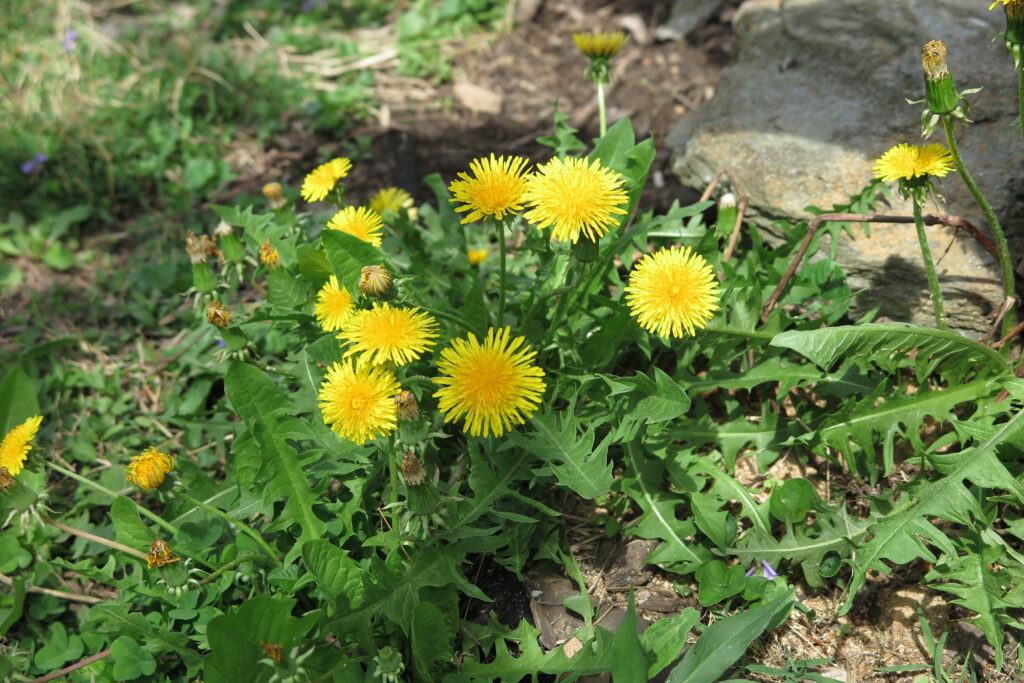
Common Dandelion Growth and Behavior: Life Cycle, Reproduction, and Survival Explained
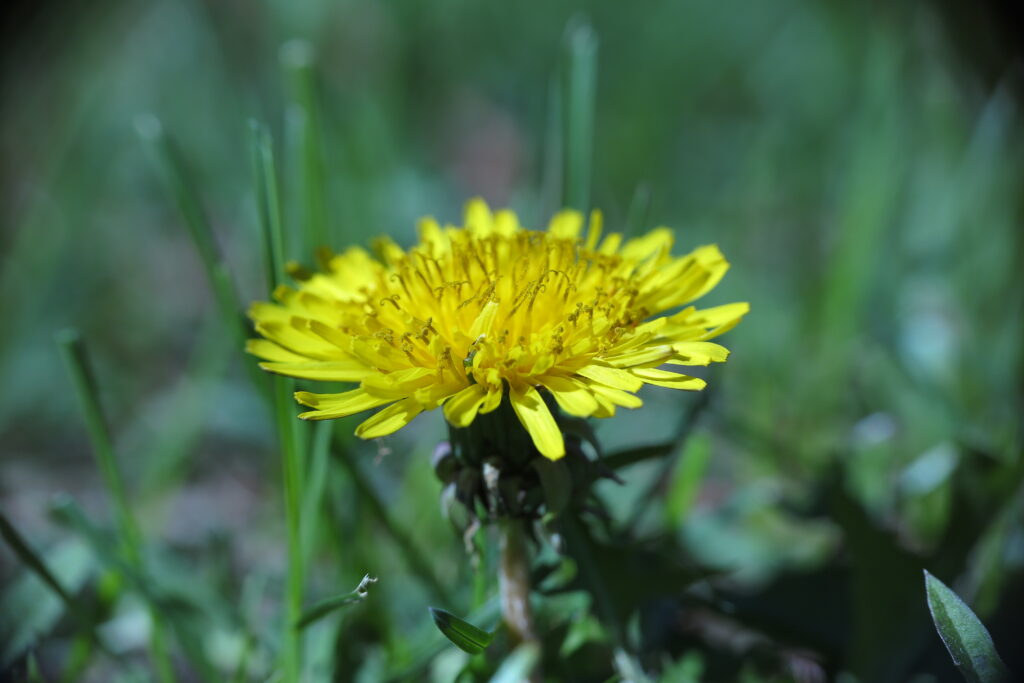
Quick Facts
Growth Rate: Fast
Growth Pattern: Self-seeding (rosette-forming, spreading)
Reproduction Method: Seeds
Dormancy Period: Winter dormant
Sunlight Response: Full sun to partial shade
Water Needs: Low to Moderate
Pollination Type: Insects (primarily), also self-pollinating capability
Seasonal Changes: Dies back in winter, regrows in spring, flowers repeatedly
Location Observed: Pennsylvania, USA
The common dandelion (Taraxacum officinale) is a fast-growing perennial plant recognized for its ability to appear almost anywhere with little warning. Its bright yellow flowers and delicate seed heads mark different stages of a life cycle that repeats continuously throughout the growing season.
Native to Europe and Asia, this plant has spread across the globe and is now found in nearly every temperate region. It thrives in both natural and human-altered landscapes, making it one of the most widely distributed flowering plants on Earth.
In early spring, the first signs of dandelion growth emerge close to the ground, forming clusters of green leaves that quickly give way to flowering stems. As the season progresses, the plant transitions through rapid stages, creating a cycle that feels constant and ever-renewing.
Common Dandelion Growth Overview
The growth behavior of the common dandelion is defined by speed, efficiency, and repetition. It is a plant that wastes no time establishing itself, often emerging early in the season and continuing to grow steadily as conditions allow.
Its development follows a compact, ground-level pattern, with leaves forming a tight rosette that anchors the plant firmly. From this base, flower stems rise individually, allowing multiple blooms to occur over time rather than all at once.
Dandelions are known for their adaptability in growth patterns. They can remain low and dense when regularly disturbed or expand outward when given space. This flexibility allows the plant to adjust its form depending on external pressures.
Another defining trait is its continuous growth cycle. Rather than a single bloom period, dandelions repeatedly produce flowers, transition to seed, and begin the process again. This ongoing rhythm contributes to their persistence and widespread presence.
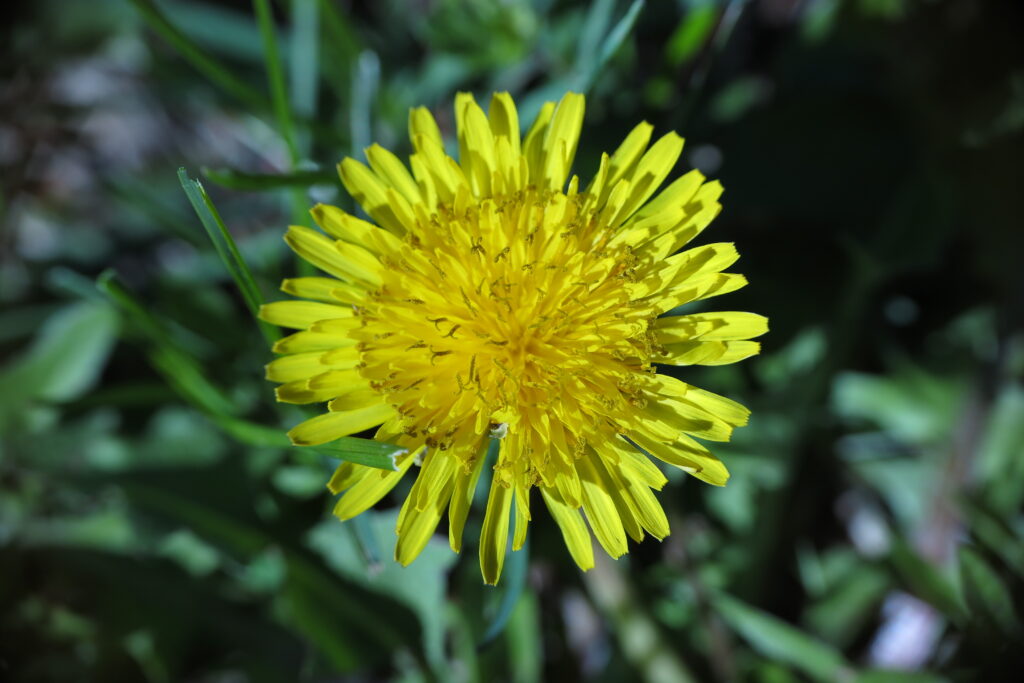
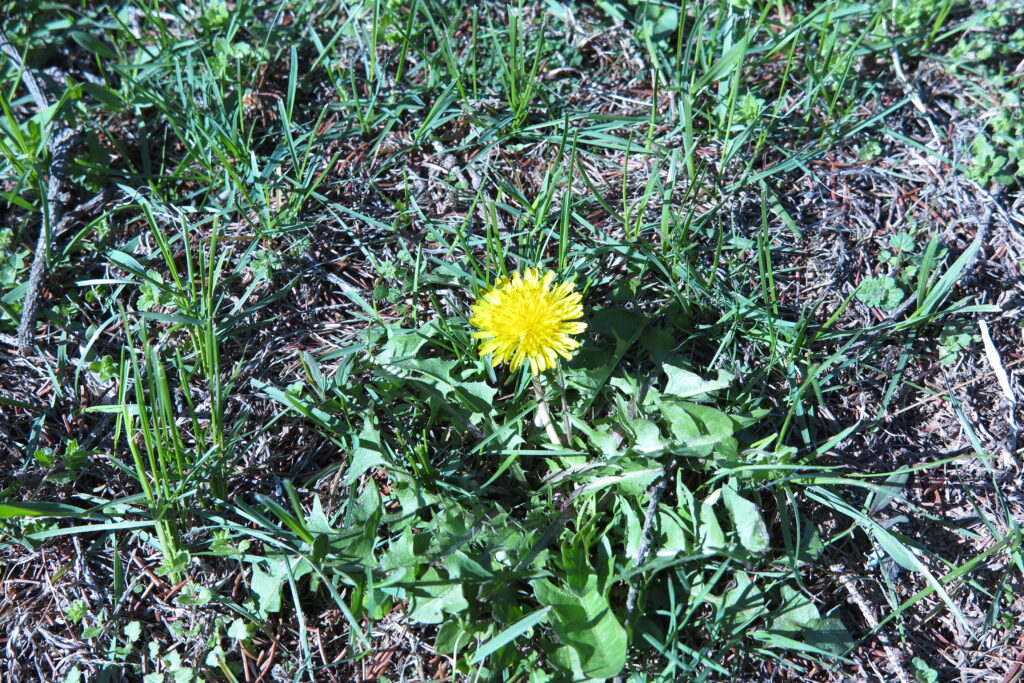
Growth Behavior of Common Dandelion
The common dandelion grows rapidly, often completing a full cycle from leaf emergence to seed production in a short period. Its fast growth rate allows it to take advantage of open space quickly, especially early in the growing season.
Reproduction occurs primarily through seeds, which are produced in large quantities. Each flower head transforms into a spherical cluster of seeds, designed for dispersal. Once released, these seeds can travel through the air and establish new plants wherever they land.
Seasonal growth follows a repeating pattern. Active growth begins in spring, intensifies through warmer months, and slows as temperatures drop. Flowering can occur multiple times throughout this period, making the plant highly productive.
Sunlight plays a key role in its development. Dandelions respond strongly to light, opening flowers during the day and closing them at night. Water needs are modest, and the plant can maintain growth even with limited moisture due to its efficient internal structure.
Common Dandelion Life Cycle & Survival Strategies
The life cycle of the common dandelion is built around persistence and regeneration. Even when above-ground growth is removed, the plant can recover quickly, producing new leaves and stems from its root system.
Seed dispersal is one of its most effective survival strategies. Each seed is equipped with a lightweight structure that allows it to drift through the air, increasing the chances of colonizing new areas. This method ensures continuous spread across large distances.
During colder periods, the plant enters a dormant phase, retreating below the surface. This winter dormancy allows it to survive unfavorable conditions and return when temperatures rise again.
Dandelions also exhibit strong resistance to environmental stress. They can withstand repeated cutting, limited water availability, and varying light conditions. These adaptations make them highly resilient, allowing them to persist and reappear year after year with remarkable consistency.