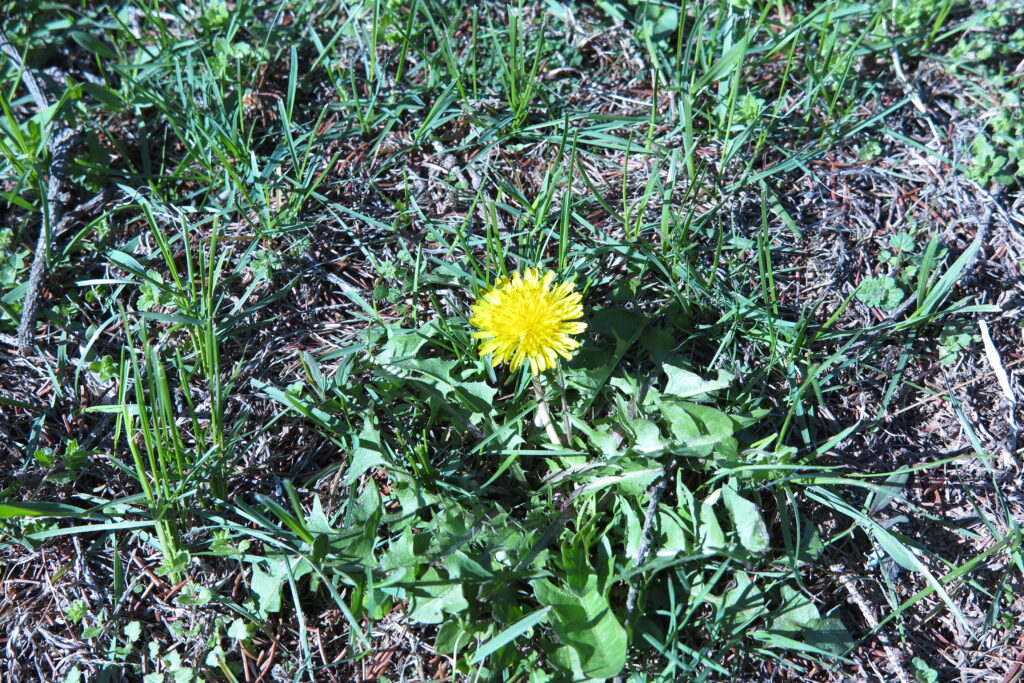
Common Dandelion (Taraxacum officinale): Identification, Growth, Behavior & Habitat Explained
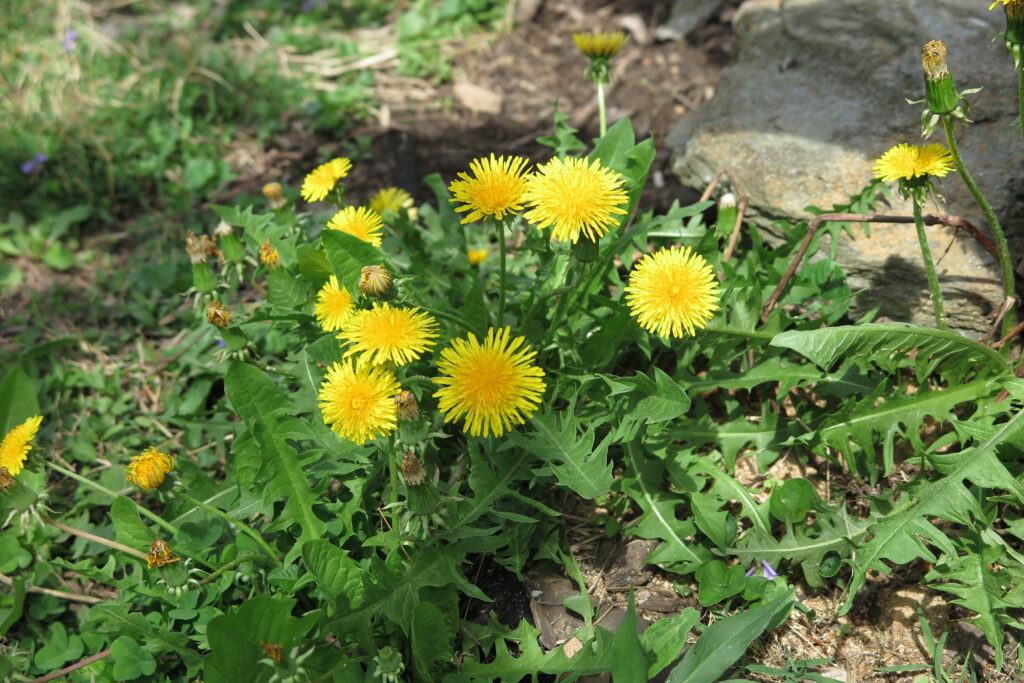
Quick Facts
Scientific Name: Taraxacum officinale
Common Name: Common Dandelion
Plant Type: Perennial
Average Height: 6–12 inches (15–30 cm)
Spread Width: 6–18 inches (15–45 cm)
Leaf Type: Broadleaf
Growth Form: Clumping (basal rosette)
Bloom Color: Bright Yellow
Native Range: Europe and Asia (now widespread globally)
Toxicity: Non-toxic to humans & pets
Location Observed: Pennsylvania, USA
The common dandelion (Taraxacum officinale) is one of the most recognizable flowering plants in the world, known for its vivid yellow blooms and signature seed heads that disperse with the wind. Often seen as a weed, it is actually a highly adaptable and resilient plant with a long history of ecological and human significance.
Originally native to Europe and parts of Asia, the dandelion has spread across nearly every continent, thriving in a wide range of environments. It is now commonly found in temperate regions worldwide, from open meadows to urban landscapes, where it flourishes with little resistance.
In early spring, patches of grass begin to fill with bright yellow flowers, signaling the arrival of warmer weather. Within days, these blooms transform into delicate white seed globes, ready to drift through the air, continuing the plant’s quiet but persistent expansion.
Common Dandelion Overview
The common dandelion is a low-growing perennial plant defined by its distinctive rosette of jagged leaves and singular flowering stems. Each plant emerges from a central root system, with leaves radiating outward close to the ground, creating a compact yet highly efficient structure.
Its leaves are deeply toothed, giving rise to the name “dandelion,” derived from the French dent de lion, meaning “lion’s tooth.” These leaves grow in a circular pattern, allowing the plant to maximize sunlight exposure while minimizing competition from surrounding vegetation.
The flower itself is a composite bloom, made up of numerous tiny florets that form a single bright yellow head. This structure not only enhances visibility to pollinators but also increases reproductive efficiency, as each floret has the potential to develop into a seed.
Dandelions are incredibly adaptable, capable of growing in a wide variety of conditions. Their hardy nature, combined with rapid growth and efficient reproduction, allows them to establish themselves quickly in both natural and disturbed environments.
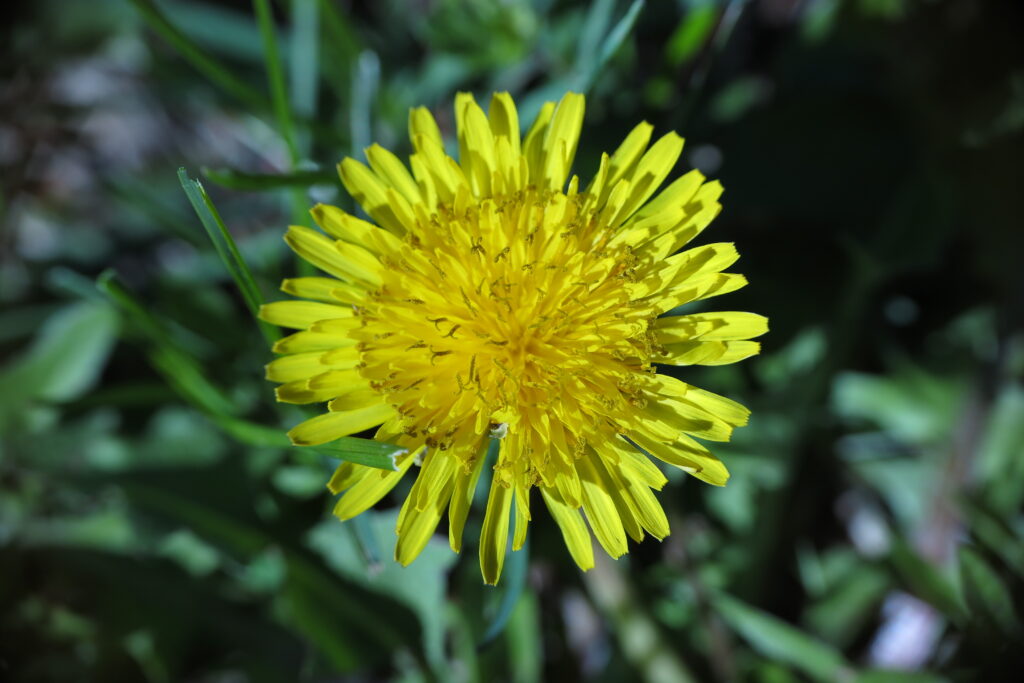
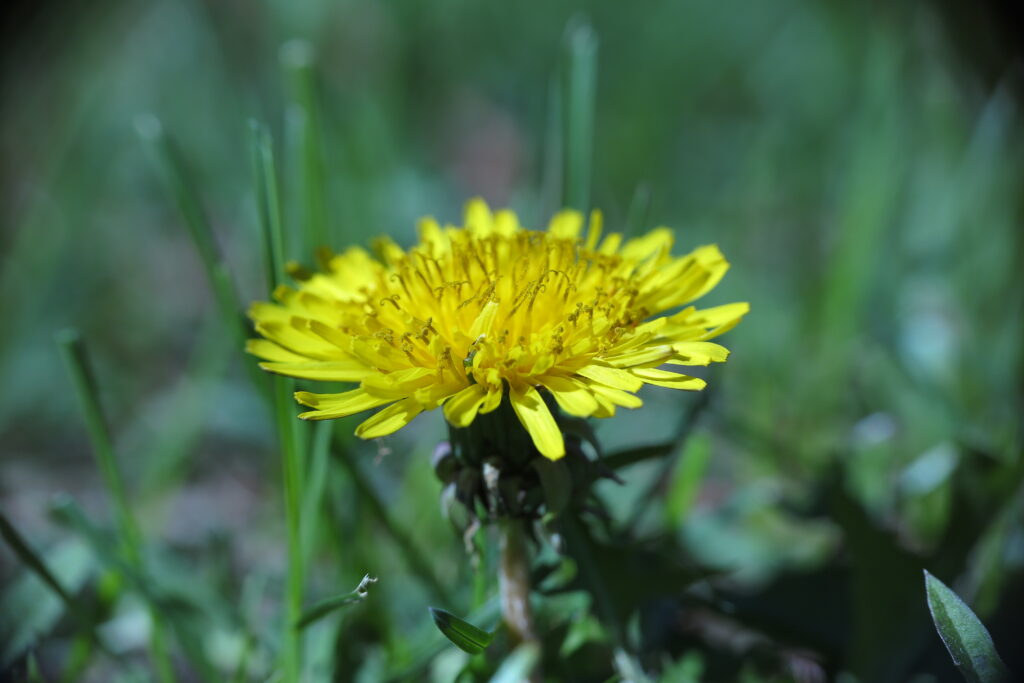
Growth & Behavior of Common Dandelion
The life cycle of the common dandelion is both rapid and continuous. As a perennial plant, it returns year after year, but it also produces seeds frequently, allowing new plants to establish quickly. Growth typically begins in early spring, with leaves emerging first, followed by flowering stems.
After blooming, the flower head closes and undergoes a transformation into a spherical seed structure known as a “puffball.” Each seed is attached to a fine, parachute-like structure that enables it to be carried by the wind, sometimes traveling significant distances before settling.
Dandelions respond strongly to sunlight, opening their flowers during the day and closing them at night or during cloudy conditions. This behavior helps protect reproductive structures and ensures optimal pollination timing.
Water requirements are relatively low, and the plant can tolerate dry conditions due to its deep taproot, which stores nutrients and moisture. This root system also allows the plant to regenerate even after being cut or damaged, contributing to its persistence.
Common Dandelion Habitat
The common dandelion thrives in open, sunlit environments where competition from larger plants is limited. It is frequently found in grassy areas, including lawns, fields, roadsides, and other disturbed landscapes where soil is exposed or regularly disrupted.
Soil conditions play a significant role in its success. Dandelions can grow in a wide range of soil types, from compacted clay to loose, sandy soils. Their deep taproots help break up dense ground, allowing them to establish even in challenging conditions.
This plant prefers temperate climates with moderate rainfall but is highly tolerant of environmental variation. It can survive cold winters by retreating to its root system and re-emerging when conditions improve.
Disturbed environments—such as areas affected by human activity—provide ideal conditions for dandelions. Their ability to quickly colonize open ground, combined with efficient seed dispersal, makes them one of the most widespread and resilient plants in the world.