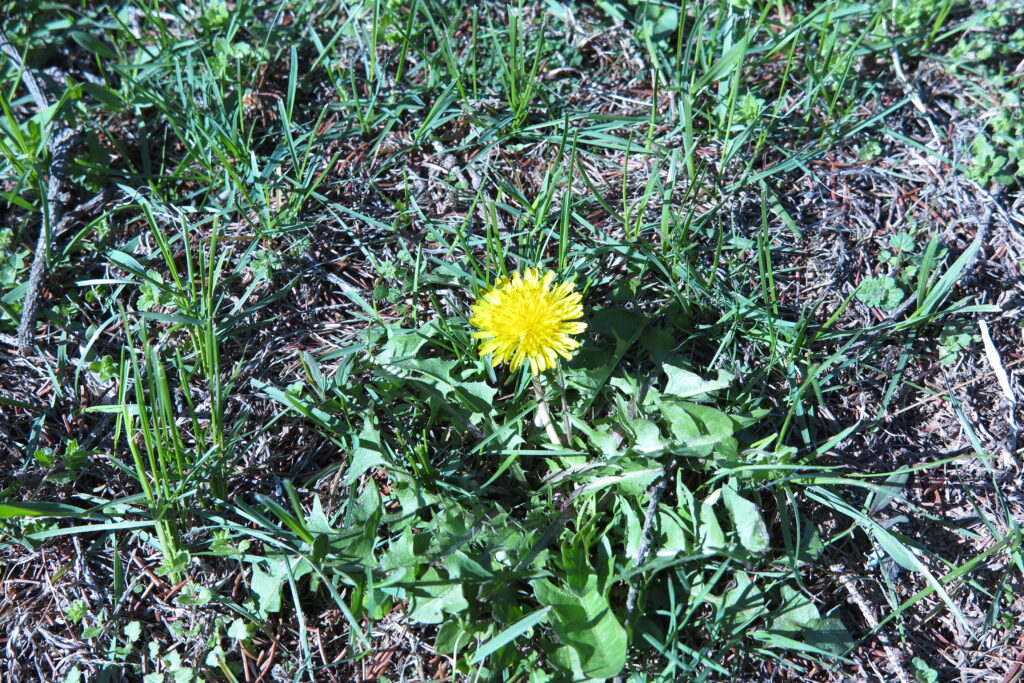
Common Dandelion Flower and Structure: Anatomy, Bloom, and Plant Form Explained (Taraxacum officinale)
Quick Facts
Flower Type: Composite cluster (capitulum of many florets)
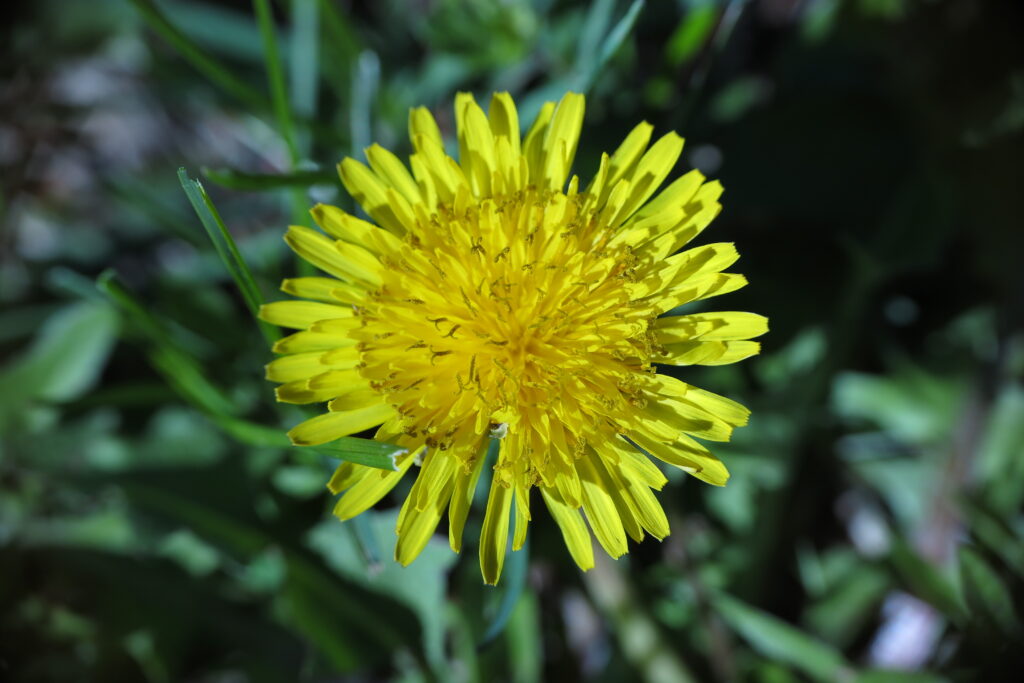
Flower Shape: Disk-like head (appears single, made of many tiny strap-shaped florets)
Bloom Time: Early spring through fall
Bloom Duration: Individual blooms short-lived; plant flowers repeatedly for months
Flower Color Variations: Bright yellow (rare pale variations)
Fragrance: Mild to none
Pollinator Attraction: Bees, flies, butterflies
Reproductive Role: Seed production via pollination and self-seeding capability
Location Observed: Pennsylvania, USA
The common dandelion (Taraxacum officinale) is a familiar flowering plant recognized for its bright yellow blooms and distinctive seed heads. Though often overlooked, its structure is surprisingly intricate, with each visible part contributing to its identity and function.
Native to Europe and Asia, the dandelion has spread across the globe and is now found in temperate regions worldwide. It appears in a wide range of landscapes, from open fields to urban edges, where its bold flowers stand out against surrounding greenery.
As spring arrives, the plant emerges with a compact cluster of leaves, soon followed by upright stems carrying vibrant blooms. These flowers later transform into delicate seed spheres, marking another stage in the plant’s visible structure.
Common Dandelion Structural Overview
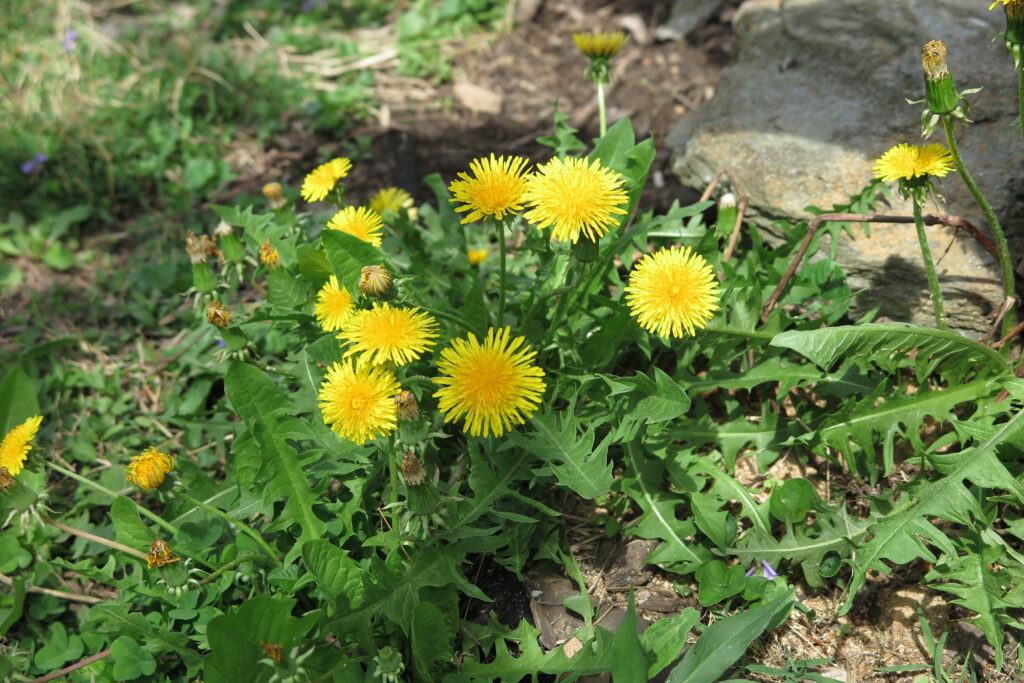
The overall structure of the common dandelion is compact yet highly organized. It grows close to the ground, forming a circular arrangement of leaves known as a basal rosette, from which all other parts emerge.
Its most recognizable feature is the bright yellow flower head, which appears as a single bloom but is actually composed of many small florets grouped together. This gives the plant a bold and uniform appearance when in bloom.
The stems are slender, smooth, and leafless, rising directly from the center of the plant. Each stem supports a single flower head, creating a simple yet effective vertical structure.
Beneath the surface, the plant is anchored by a strong root system. Though not visible, this underground structure plays a key role in supporting the plant’s above-ground form and maintaining its presence over time.
Common Dandelion Structure and Anatomy
The leaves of the dandelion are long, narrow, and deeply toothed, forming a jagged outline that is easy to recognize. They grow outward from the center in a flattened pattern, hugging the ground and creating a dense base.
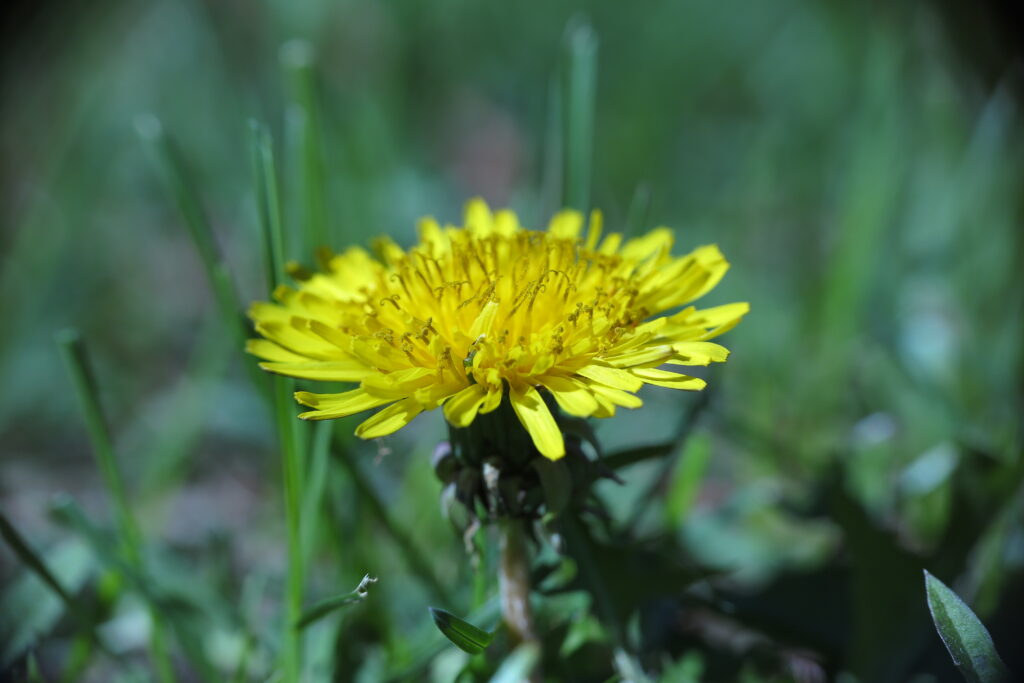
The stems are hollow and contain a milky sap, which becomes visible when the stem is broken. These stems lack branching and rise individually, each carrying a single flower head at the top.
The flower itself is made up of numerous tiny florets packed together into a circular head. Each floret functions as an individual unit, contributing to the overall bloom and later developing into a seed.
The root system consists of a thick, central taproot that extends downward into the soil. This root anchors the plant securely and supports the development of its leaves and stems above ground.
Common Dandelion Structural Adaptations and Function
The basal rosette leaf arrangement serves a strategic purpose. By spreading outward close to the ground, the leaves maximize light capture while minimizing exposure to external disturbances, helping the plant maintain its structure.
The hollow stems provide both flexibility and efficiency. Their lightweight design allows them to withstand movement while still supporting the flower head, and the internal sap may act as a deterrent to herbivores.
The composite flower structure increases reproductive efficiency. By grouping many florets into a single head, the plant enhances visibility to pollinators and ensures a higher potential for seed production.
The deep taproot is one of the plant’s most important structural adaptations. It provides stability, stores nutrients, and allows the plant to recover even when above-ground parts are removed, ensuring long-term survival and persistence.