Common Dandelion Habitat: Where Dandelions Grow and Thrive (Taraxacum officinale Guide)
Quick Facts
Primary Habitat: Meadow, Garden, Grassland, Urban/Disturbed Areas
Soil Type: Sandy, Loamy, Clay (Highly adaptable, prefers well-drained)
Soil pH Preference: Neutral to slightly alkaline (tolerates wide range)
Moisture Level: Dry to Moist
Climate Zone: Temperate
USDA Hardiness Zone: 3–9
Elevation Range: Sea level to moderate elevations (~0–10,000 ft adaptable)
Light Requirements: Full sun to partial shade
Location Observed: Pennsylvania, USA
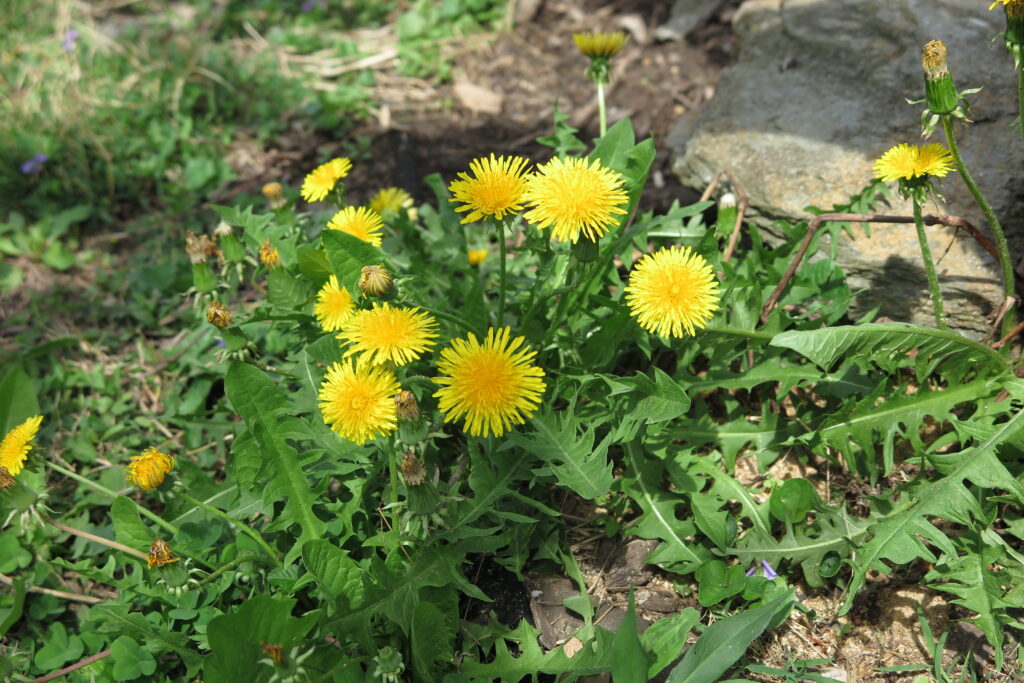
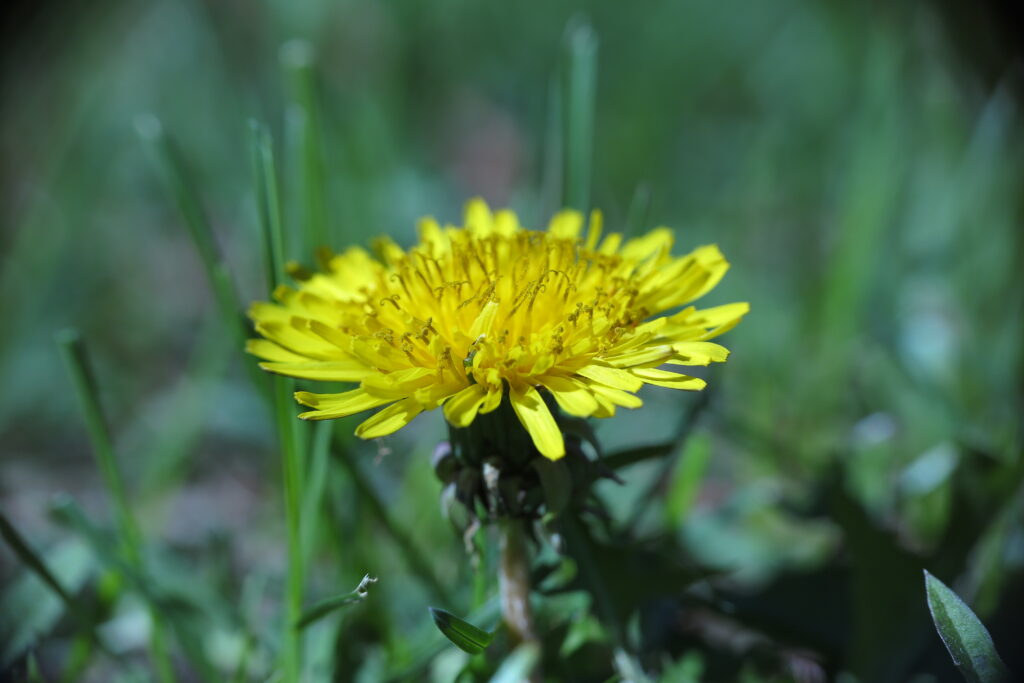
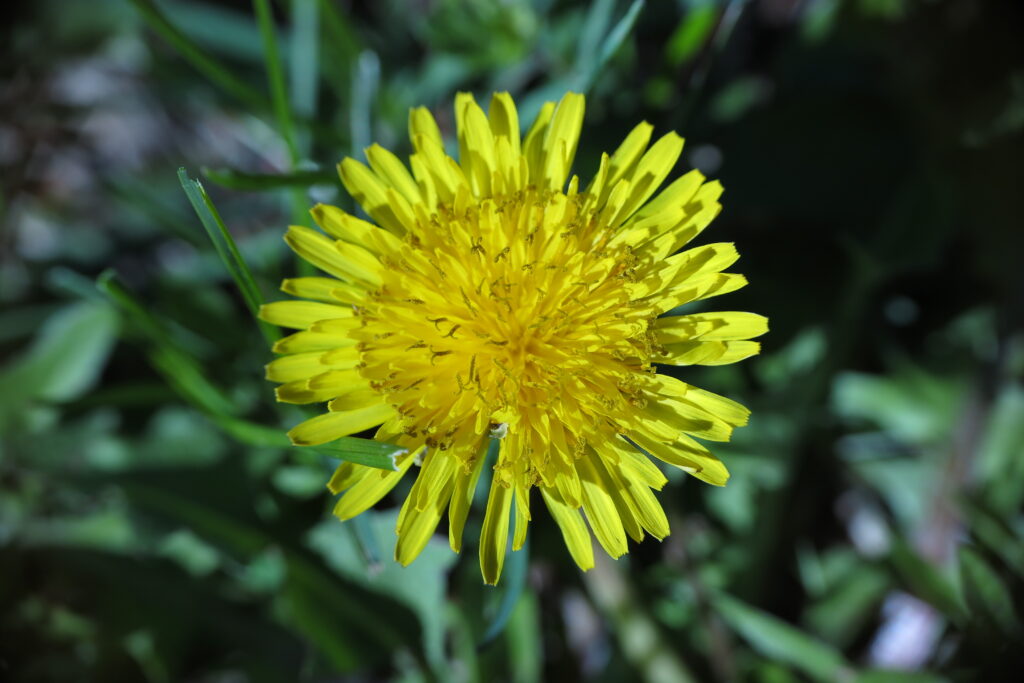
The common dandelion (Taraxacum officinale) is a globally recognized flowering plant, known for its bright yellow blooms and ability to appear in a wide variety of landscapes. Though often overlooked, it is one of the most widespread plant species, thriving across continents with remarkable consistency.
Originally native to Europe and parts of Asia, the dandelion has expanded far beyond its native range and is now commonly found throughout temperate regions worldwide. It has established itself in both natural ecosystems and heavily altered human environments, making it a constant presence across diverse settings.
From open fields glowing with yellow blooms to small patches along sidewalks and roads, the dandelion quietly occupies spaces where many plants struggle to survive. Its presence often signals resilience, adaptability, and a close connection to the surrounding environment.
Common Dandelion Habitat Overview
The habitat of the common dandelion is defined by flexibility rather than limitation. Unlike plants that depend on narrow environmental conditions, this species is capable of establishing itself across a broad spectrum of landscapes.
It is commonly associated with open environments, particularly those that receive consistent sunlight. These areas provide the exposure needed for flowering while allowing the plant to spread without heavy competition from taller vegetation.
Geographically, the dandelion’s range spans across North America, Europe, Asia, and beyond. Within these regions, it adapts to both rural and urban spaces, appearing in everything from untouched grasslands to highly developed city environments.
One of its defining characteristics is its ability to tolerate disturbance. Areas that experience frequent disruption—such as mowing, foot traffic, or soil movement—often become ideal locations for dandelions to establish and persist.
Common Dandelion Habitat and Growing Environments
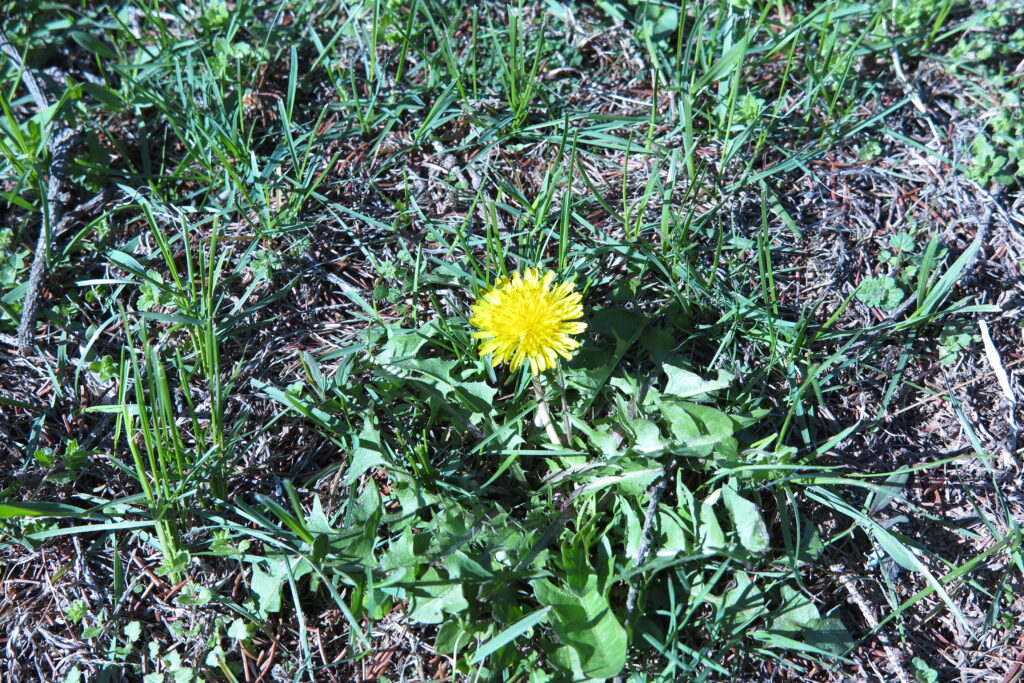
The common dandelion is most frequently found in open meadows and grassy fields, where sunlight is abundant and the ground is relatively unobstructed. These environments allow it to spread easily and maintain a strong presence throughout the growing season.
In residential and suburban areas, dandelions commonly appear in lawns and gardens. These managed landscapes provide repeated disturbances, such as mowing, which reduce competition and create opportunities for the plant to re-emerge and expand.
Roadsides and pathways are also key habitats. Gravel edges, cracks in pavement, and compacted soils may seem inhospitable, yet they provide exactly the kind of open, low-competition space where dandelions can take hold.
Even in urban environments, dandelions thrive. Sidewalk edges, vacant lots, and construction zones offer exposed soil and minimal plant competition, allowing this species to establish itself quickly and remain highly visible.
Environmental Conditions for Common Dandelion Growth
The common dandelion demonstrates a remarkable tolerance for a wide range of soil types. It can grow in sandy soils that drain quickly, dense clay soils that retain water, and loamy soils that provide balanced conditions. This adaptability allows it to succeed in environments where other plants may struggle.
Soil pH is not a limiting factor for this species. While it tends to perform best in neutral to slightly alkaline soils, it can tolerate both acidic and alkaline conditions, further expanding its potential range.
Moisture levels can vary significantly without preventing growth. Dandelions are capable of surviving in relatively dry conditions, but they also persist in areas with consistent moisture. This flexibility ensures their presence across changing seasonal conditions.
Sunlight plays an important role in habitat preference. The plant thrives in full sun, where it can produce frequent blooms, but it can also tolerate partial shade. Combined with its ability to withstand temperature variation across temperate climates, these environmental traits make the common dandelion one of the most adaptable and widespread plants in the world.