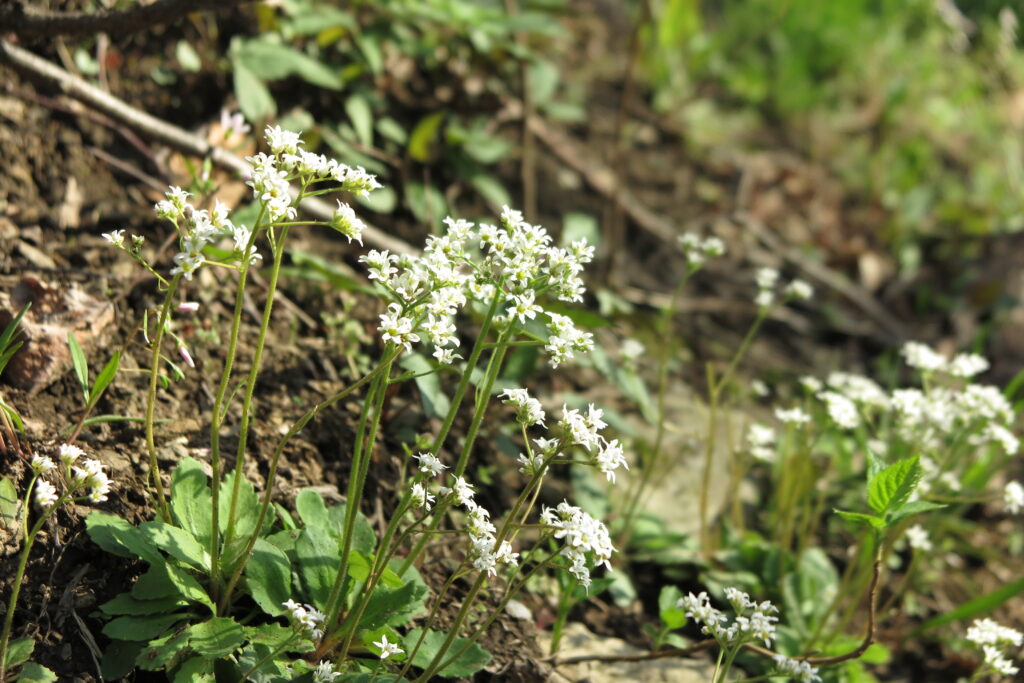
Early Saxifrage (Micranthes virginiensis) Growth and Life Cycle: Behavior, Reproduction, and Seasonal Patterns
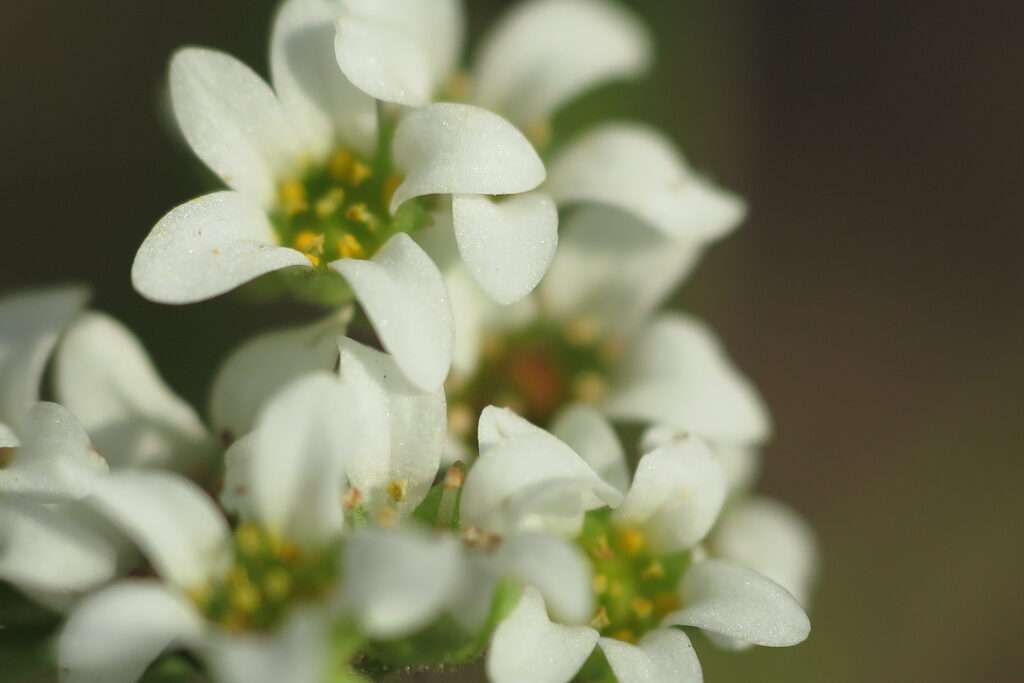
Quick Facts
Growth Rate: Moderate
Growth Pattern: Clumping, Self-seeding
Reproduction Method: Seeds
Dormancy Period: Winter dormant
Sunlight Response: Partial shade to full sun
Water Needs: Moderate
Pollination Type: Insects
Seasonal Changes: Emerges early, blooms in spring, dies back after flowering
Location Observed: Pennsylvania
Early Saxifrage (Micranthes virginiensis) is a small but resilient perennial wildflower known for its early seasonal emergence and delicate white blooms. It belongs to a group of plants adapted to brief windows of opportunity, developing quickly before surrounding vegetation reaches full growth.
Native to eastern North America, this species is widely distributed across temperate regions where seasonal transitions shape plant life cycles. It is commonly found in areas where early spring conditions allow sunlight to reach the ground before taller plants take over.
In early spring, slender stems rise from a compact base, each carrying clusters of fine white flowers. The plant appears almost fleeting—present for a short time, yet highly efficient in completing its growth cycle before fading back into the landscape.
Early Saxifrage Growth Overview and Development Patterns
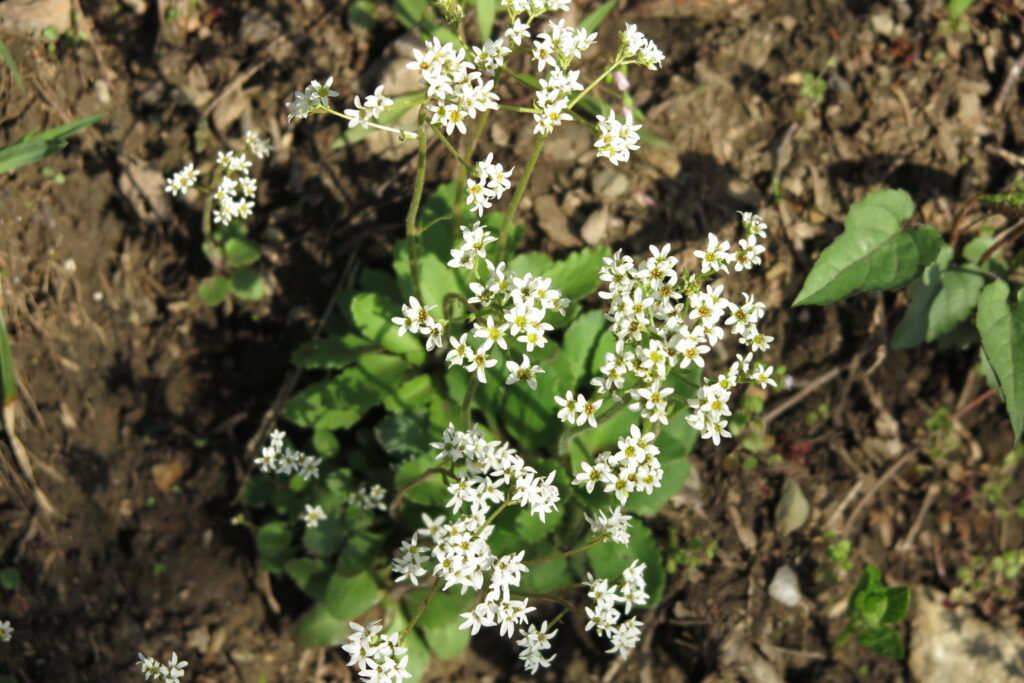
Early Saxifrage exhibits a controlled and purposeful growth strategy, prioritizing early-season development over long-term expansion. Its growth begins with a basal rosette that forms a stable base, from which flowering stems extend upward in a measured and organized pattern.
Rather than spreading aggressively, the plant maintains a contained structure. Growth occurs in tight clusters, with individual plants forming small groups over time. This clumping habit allows it to remain localized while still increasing its presence through gradual expansion.
Development is timed with precision. The plant initiates growth early in the season, rapidly producing stems and flowers during a period when competition is minimal. This timing gives it a distinct advantage, allowing it to complete much of its reproductive cycle before other plants dominate the space.
Adaptability is a defining characteristic. While it follows a consistent seasonal rhythm, Early Saxifrage can adjust its growth slightly based on available conditions, ensuring that it successfully reaches maturity even when environmental variables shift from year to year.
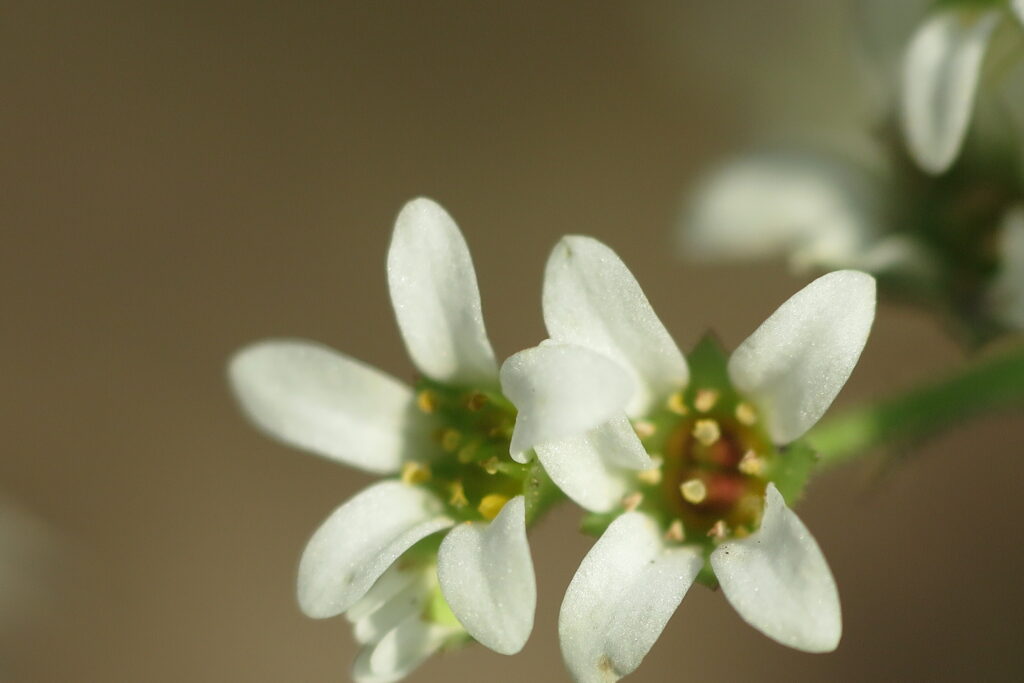
Early Saxifrage Growth Behavior and Seasonal Development
The growth behavior of Early Saxifrage is driven by its moderate growth rate and short active season. Once conditions become favorable, the plant quickly transitions from dormant state to active growth, producing leaves and stems in a relatively short period.
Reproduction occurs primarily through seed production. After flowering, the plant develops small seed capsules that release numerous tiny seeds. These seeds disperse into the surrounding area, allowing new individuals to establish nearby without requiring direct vegetative spread.
Seasonal growth follows a clear progression. The plant emerges early, flowers shortly after, and then begins to decline as the season advances. This pattern allows it to complete its life cycle efficiently, conserving energy once its reproductive phase is complete.
Sunlight and water responses are balanced rather than extreme. The plant can function under varying light levels during its active period and uses available moisture efficiently. Its structure supports quick uptake and use of resources, ensuring steady development without prolonged growth demands.
Early Saxifrage Life Cycle and Survival Strategies
The life cycle of Early Saxifrage is built around timing and efficiency. By emerging early and completing its reproductive phase quickly, it avoids prolonged competition and reduces exposure to environmental stress later in the season.
Dormancy plays a critical role in its survival. After completing its growth cycle, the plant retreats into a dormant state, preserving its energy below ground. This dormancy allows it to withstand colder conditions and re-emerge when the next favorable season arrives.
Self-seeding is a key survival mechanism. Seeds produced during the flowering phase ensure the continuation of the species, allowing new plants to establish in nearby areas. This method supports gradual population growth without reliance on aggressive spreading structures.
The plant also demonstrates resilience through structural efficiency. Its compact base, rapid growth cycle, and minimal resource demands allow it to persist in environments where longer-growing species might struggle. This combination of traits ensures that Early Saxifrage remains a consistent and recurring presence across its natural range.