European Earwig Behavior: Activity Patterns, Movement, and Survival Strategies
Quick Facts
Activity Type: Nocturnal
Social Structure: Mostly solitary, occasional grouping
Territorial Behavior: Low territoriality
Movement Style: Ground-based crawling
Communication Method: Antennae and contact signals
Defense Strategy: Forceps display and rapid retreat
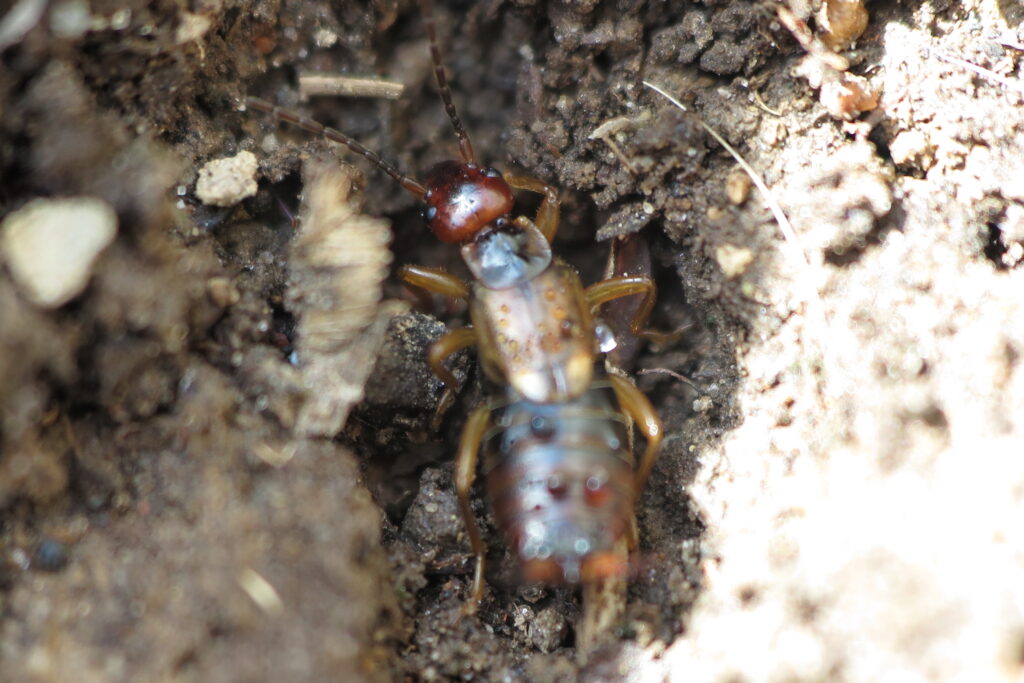
The European earwig is primarily active during nighttime hours, displaying a pattern of movement that aligns with low-light conditions. This nocturnal tendency allows it to operate when disturbances are minimal. Its activity often goes unnoticed unless observed deliberately.
During periods of inactivity, the earwig remains concealed and still. It relies on stillness and positioning rather than constant motion. This quiet approach reduces exposure and helps maintain its presence without drawing attention.
Its behavioral flexibility allows it to respond to changing conditions with ease. It can remain inactive for extended periods and then become suddenly active when conditions shift. This adaptability is a defining trait of its daily routine.
Overall, the behavior of the European earwig reflects efficiency and caution. It does not rely on speed or aggression but instead uses timing and positioning. This approach contributes to its consistent survival across varied environments.
European Earwig Movement Patterns and Daily Activity
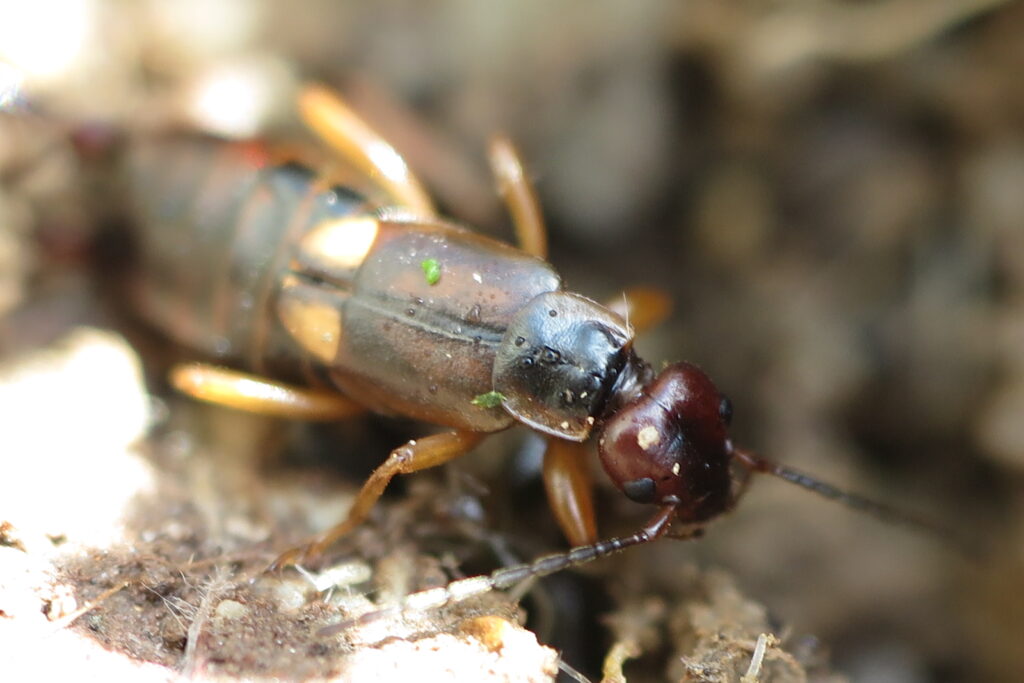
The movement of the European earwig is deliberate and controlled. It crawls steadily across surfaces, using its legs to maintain balance and direction. This method of movement allows it to navigate complex terrain without difficulty.
Its activity peaks during nighttime hours, when it moves more freely and covers greater distances. During the day, movement is minimal and usually restricted to brief adjustments. This contrast between active and inactive periods defines its daily rhythm.
Seasonal changes influence its level of activity. Warmer conditions often lead to increased movement, while cooler periods reduce motion significantly. These changes reflect its sensitivity to environmental shifts.
Energy use is managed carefully through this pattern of movement. By limiting activity to specific times, the earwig conserves energy while remaining effective. This balance supports long-term survival without unnecessary exertion.
European Earwig Interaction and Defensive Behavior
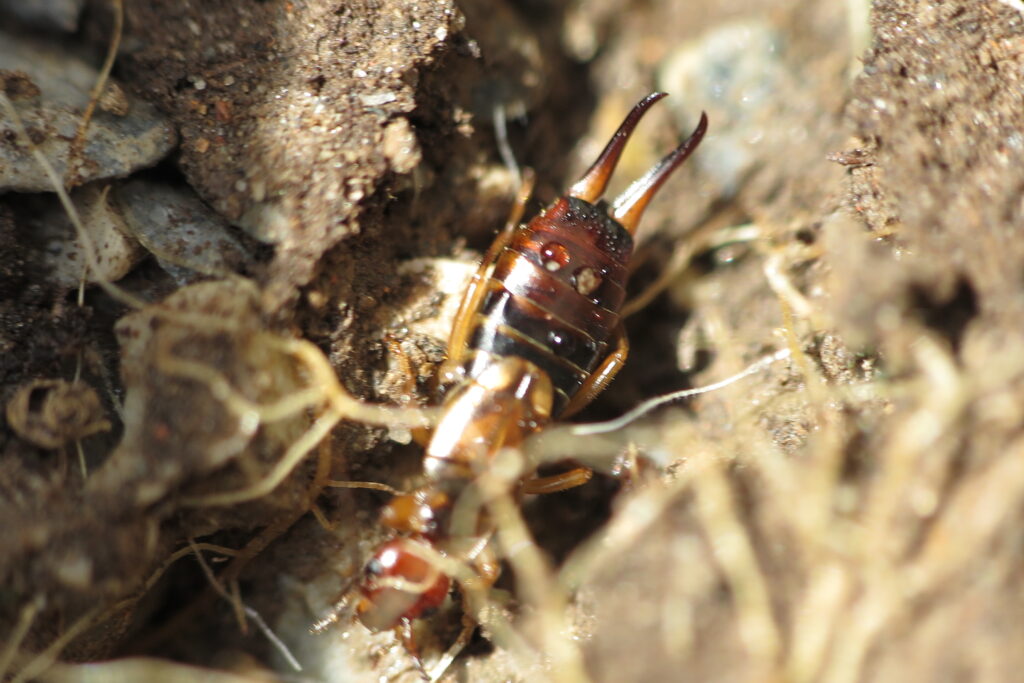
When encountering potential threats, the European earwig relies on a combination of posture and retreat. It may raise its abdomen slightly, presenting its forceps as a visual warning. This display can deter smaller threats without requiring direct engagement.
Physical interaction with other individuals is generally limited. Most encounters are brief and do not lead to prolonged contact. This tendency reduces conflict and supports a more solitary lifestyle.
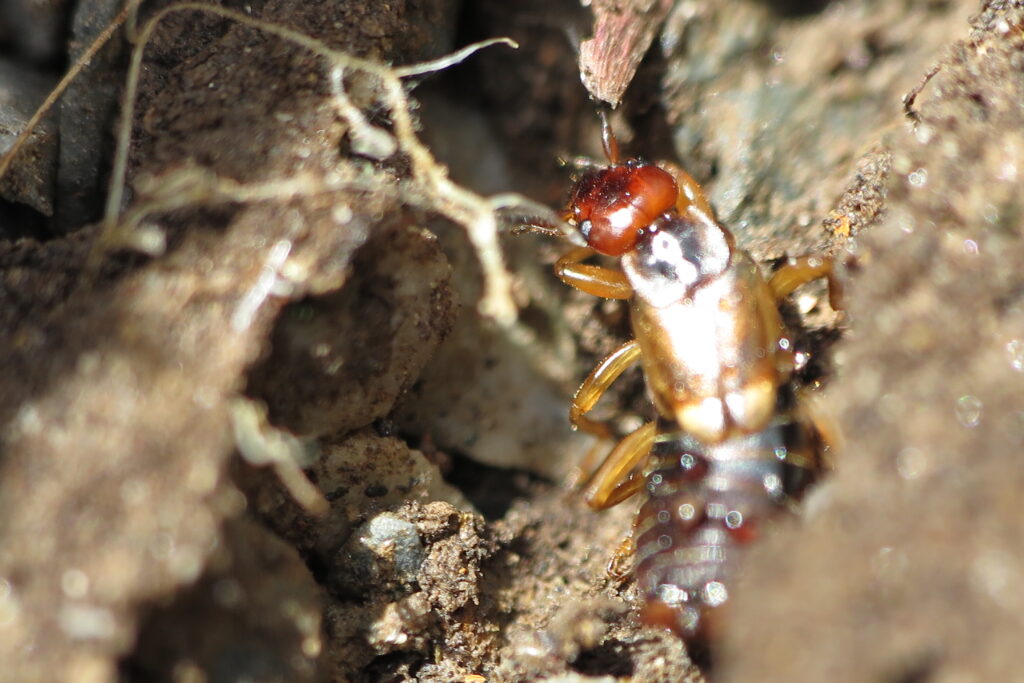
In situations where escape is possible, the earwig prioritizes rapid withdrawal. It quickly moves away from disturbances, seeking concealment. This reaction is often more effective than confrontation.
The forceps also serve as a final line of defense if contact occurs. While not primarily offensive, they can be used to respond to immediate threats. This layered approach to defense reflects a strategy focused on avoidance rather than aggression.
European Earwig Survival Strategies and Social Tendencies
The European earwig survives through a combination of caution, timing, and physical adaptation. It does not rely on speed or strength alone but instead uses a balanced approach to avoid danger. This method allows it to persist in environments with varying levels of risk.
Social interaction is minimal, with most individuals operating independently. However, occasional grouping may occur when conditions encourage shared shelter. These temporary gatherings do not indicate long-term social structure.
Its ability to remain unnoticed is one of its strongest survival traits. By blending into its surroundings and limiting movement, it avoids detection. This passive strategy is often more effective than active defense.
Overall, the earwig’s behavior reflects a quiet efficiency. It survives not through dominance but through careful timing and controlled movement. This understated approach allows it to thrive without drawing attention.