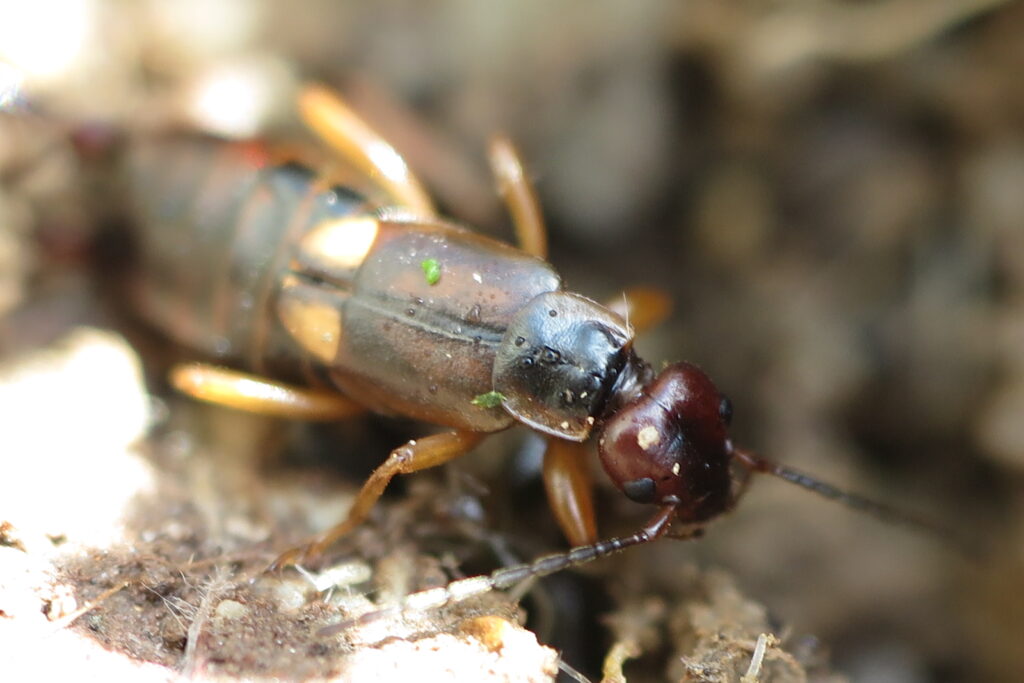
European Earwig Diet: What They Eat and Feeding Habits Explained
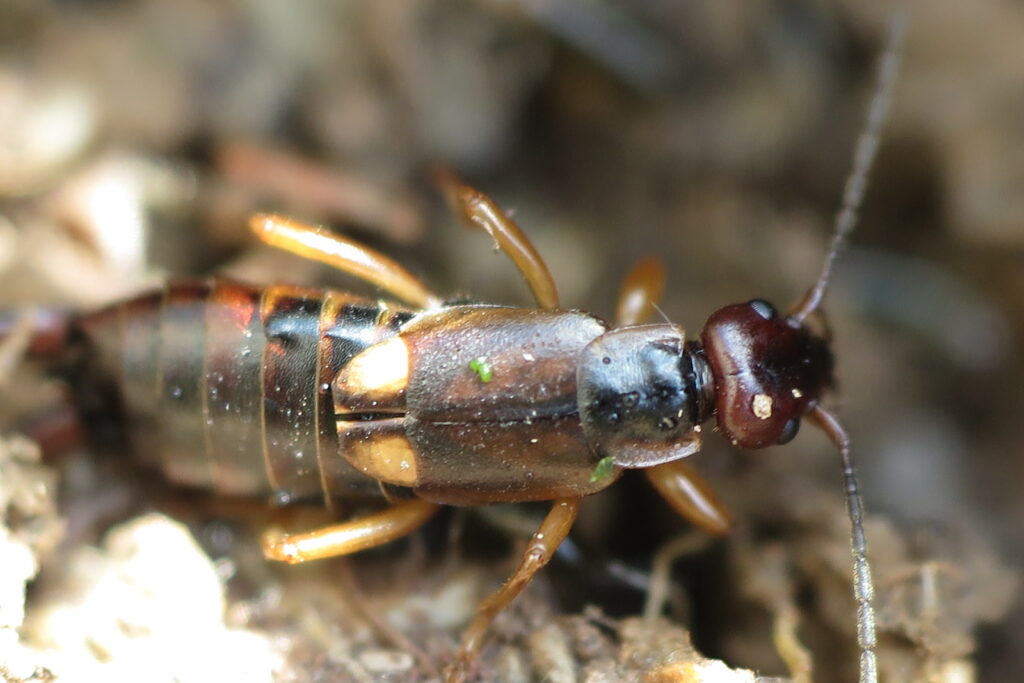
Quick Facts
Diet Type: Omnivore
Main Food Sources: Plants, insects, organic matter
Feeding Time: Night
Foraging Method: Ground searching
Seasonal Diet Changes: Yes
Predatory Adaptations: Forceps and mandibles
The European earwig is an omnivorous species that consumes a wide range of food sources. Its diet includes both plant-based material and small organisms. This flexibility allows it to adapt to changing food availability.
Rather than specializing in a single type of food, it takes advantage of what is accessible. This broad diet supports survival in diverse environments. It reduces dependence on any one resource.
Feeding typically occurs during periods of activity. The earwig relies on timing to access food without interference. This approach supports consistent feeding opportunities.
Its dietary adaptability is one of its strongest traits. By consuming a variety of materials, it maintains balance in its intake. This flexibility contributes to its widespread success.
European Earwig Natural Food Sources and Variations
In natural environments, the European earwig consumes a mixture of plant material and small organisms. Leaves, flowers, and soft plant tissue are commonly included. These provide a consistent source of nutrients.
It also feeds on smaller invertebrates when available. This adds variety to its diet and supports its nutritional needs. The inclusion of animal-based food enhances its adaptability.
Organic matter plays a role in its feeding habits as well. Decaying material provides an additional source of nutrients. This contributes to its presence in areas rich in debris.
The variety of available food sources changes depending on location and season. The earwig adjusts its intake accordingly. This ability to shift between food types ensures survival under different conditions.
European Earwig Feeding Behavior and Foraging Methods
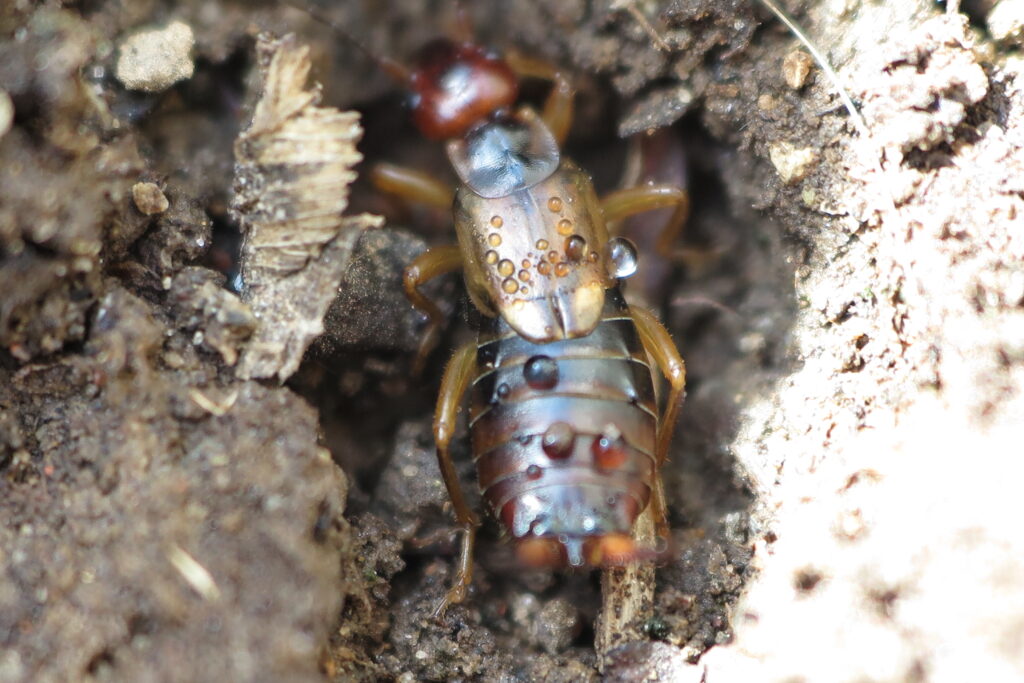
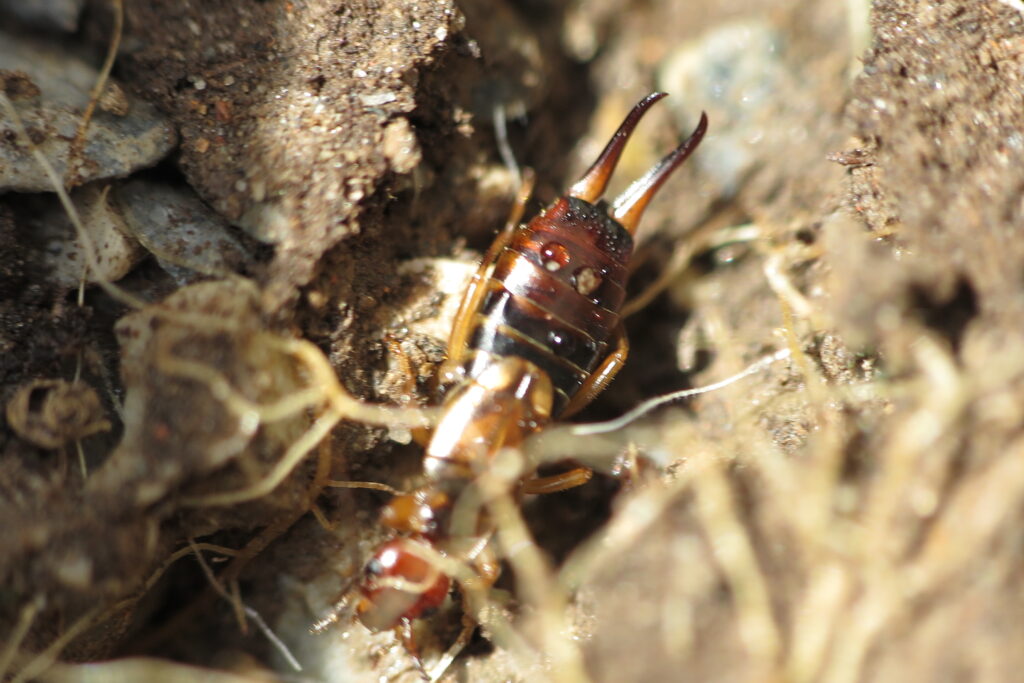
The European earwig searches for food along the ground surface. It moves slowly and deliberately, using its antennae to detect potential sources. This method allows it to locate food efficiently.
Foraging is typically conducted during low-light conditions. This timing reduces competition and exposure. It allows the earwig to access food with minimal disturbance.
Its approach to feeding is flexible and opportunistic. It does not rely on a fixed routine but instead responds to availability. This adaptability improves feeding success.
The combination of movement and sensory input supports effective foraging. By using multiple cues, the earwig can locate food in varied conditions. This strategy enhances its ability to find resources.
European Earwig Survival Strategies and Food Competition
The European earwig competes with other small organisms for food resources. Its broad diet helps reduce direct competition. By consuming multiple food types, it avoids reliance on a single source.
It manages competition by adjusting feeding times and locations. This flexibility allows it to access food when others are less active. Timing plays a key role in its success.
The use of forceps and mouthparts supports its feeding process. These structures assist in handling and consuming food. They contribute to its ability to process different materials.
Overall, its feeding strategy reflects adaptability and efficiency. It does not depend on abundance but instead adjusts to availability. This balanced approach supports long-term survival.