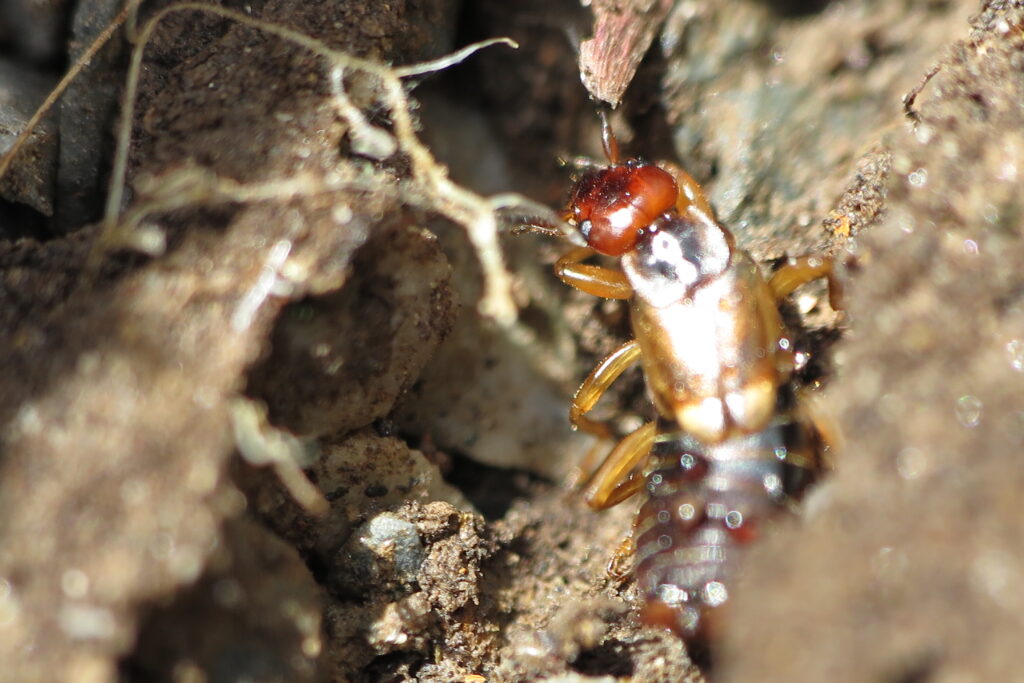
European Earwig Habitat: Where They Live and Environmental Preferences
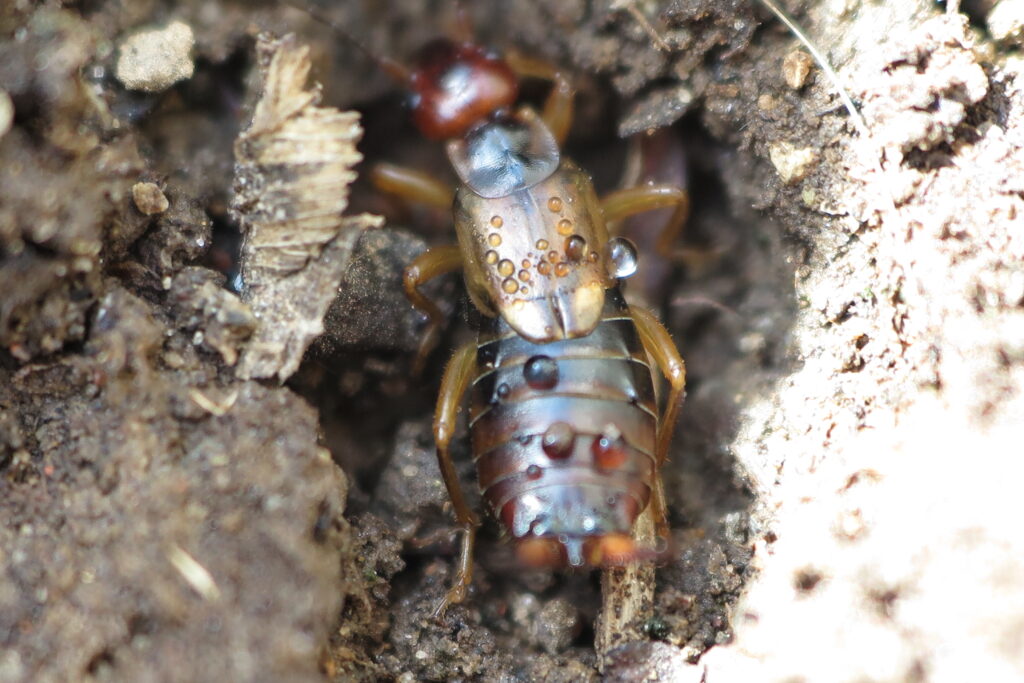
Quick Facts
Primary Habitat: Moist soil and leaf litter
Secondary Habitat: Gardens, urban areas
Climate Preference: Temperate
Environment Type: Terrestrial
Elevation / Depth Range: Ground level
Geographic Distribution: Europe, North America, Asia
The European earwig occupies a wide range of environments across its global distribution. It is commonly associated with ground-level spaces where moisture and organic material are present. These conditions provide the foundation for its continued presence.
Its adaptability allows it to exist in both natural and developed landscapes. It appears in forested areas as well as in cultivated environments. This flexibility contributes to its widespread distribution.
The earwig is not restricted to a single habitat type but instead occupies multiple environments. Its ability to persist in varying conditions highlights its resilience. This adaptability supports stable populations across different regions.
Across its range, it consistently selects locations that offer protection and stability. These areas provide the necessary conditions for its continued survival. Its presence reflects an ability to adjust to both predictable and changing environments.
European Earwig Habitat Types and Land Use
Forested environments provide a natural setting where the European earwig can be found. These areas offer abundant organic material and consistent ground cover. The structure of the forest floor supports its presence.
Grasslands and open fields also serve as suitable environments. In these areas, it occupies spaces beneath surface debris and vegetation. The availability of shelter plays a key role in its distribution.
Urban and suburban spaces have become important habitats for this species. Gardens, landscaping features, and managed green areas provide conditions similar to natural environments. These locations allow it to persist in close proximity to human activity.
Agricultural lands also support populations of European earwigs. These environments offer both organic material and surface cover. The earwig’s presence in such areas reflects its ability to adapt to modified landscapes.
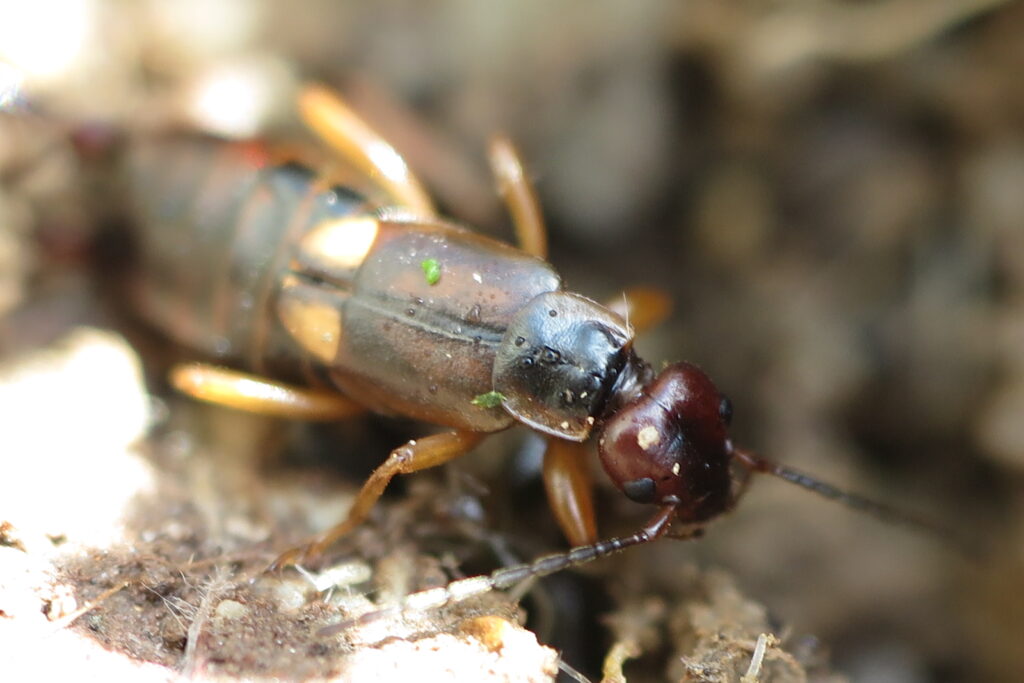
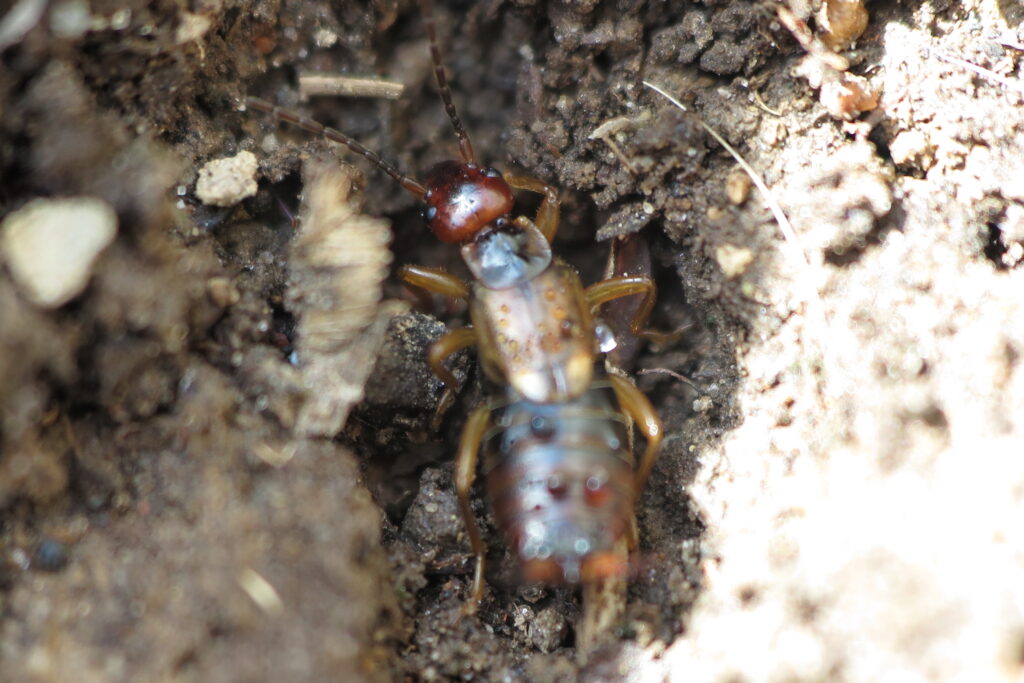
European Earwig Environmental Conditions and Climate Preferences
The European earwig prefers environments with moderate moisture levels. These conditions support its presence and allow it to remain active. Excessively dry or saturated conditions can limit its distribution.
Temperature plays an important role in determining its range. It is most commonly found in temperate regions where seasonal changes occur. These conditions provide a balance that supports long-term survival.
The structure of the ground surface also influences its habitat. Loose soil and organic debris create suitable conditions for movement and shelter. These features contribute to the stability of its environment.
Vegetation cover adds another layer of protection and stability. Areas with plant growth provide shade and maintain moisture levels. This combination of factors creates a supportive environment for the species.
European Earwig Distribution and Geographic Adaptability
Originally native to Europe, the European earwig has expanded its range significantly. It is now established in multiple regions across the world. This expansion reflects its ability to adapt to new environments.
In North America, it has become a common and recognizable species. Its presence in both rural and urban areas highlights its adaptability. This widespread distribution makes it one of the most familiar earwigs.
The species has also been introduced to parts of Asia and other regions. In each location, it has established stable populations. This success is linked to its flexible habitat requirements.
Its global distribution demonstrates a strong capacity for environmental adjustment. It can persist in a variety of climates and landscapes. This adaptability ensures its continued presence across diverse regions.