
Common Plumose Anemone Distribution Guide: Range, Geographic Occurrence, and Global Distribution
Quick Facts
Native Range: North Atlantic and North Pacific Oceans
Primary Regions: North America, Europe, and Northern Asia
Northern Range Limit: Arctic and Subarctic Coastal Waters
Southern Range Limit: Temperate Coastal Regions
Ocean Distribution: Atlantic Ocean and Pacific Ocean
Global Distribution: Widespread Throughout the Northern Hemisphere
Introduction to Common Plumose Anemone Distribution
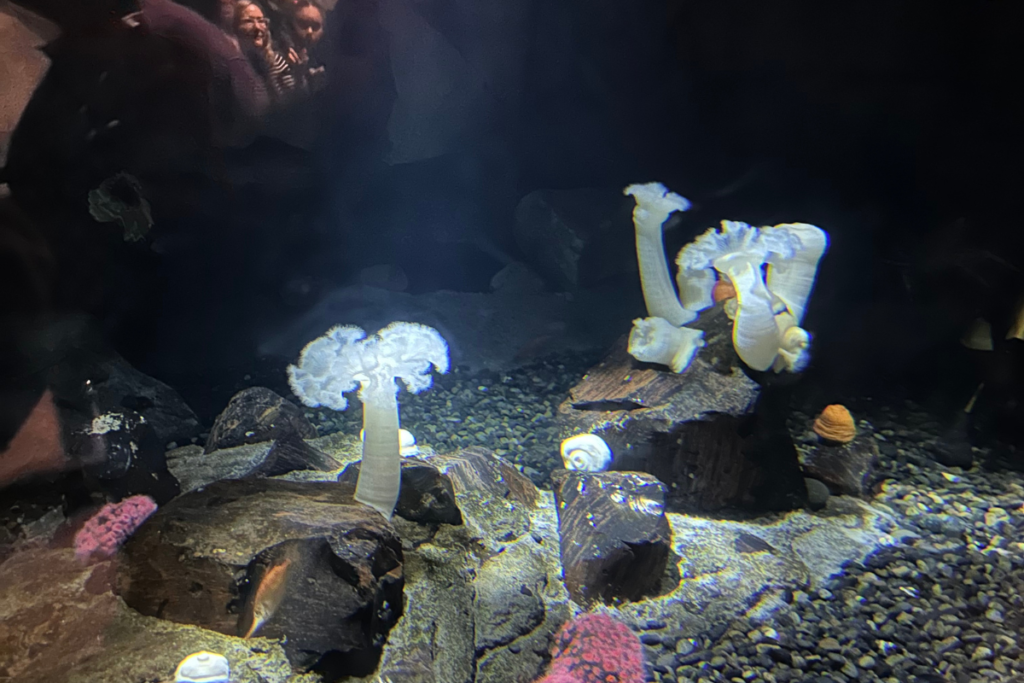
The Common Plumose Anemone (Metridium senile) is one of the most widely distributed sea anemones found in temperate marine environments. Occurring across large portions of the Northern Hemisphere, this species inhabits coastal waters that stretch across continents and oceans. Its broad range has made it a familiar sight to divers, marine researchers, and coastal naturalists alike.
Unlike many marine invertebrates restricted to small geographic regions, the Common Plumose Anemone occupies an impressive portion of the world’s temperate coastlines. Populations occur along both sides of the Atlantic Ocean and throughout significant portions of the Pacific. This extensive distribution reflects the species’ ability to thrive under a variety of coastal marine conditions.
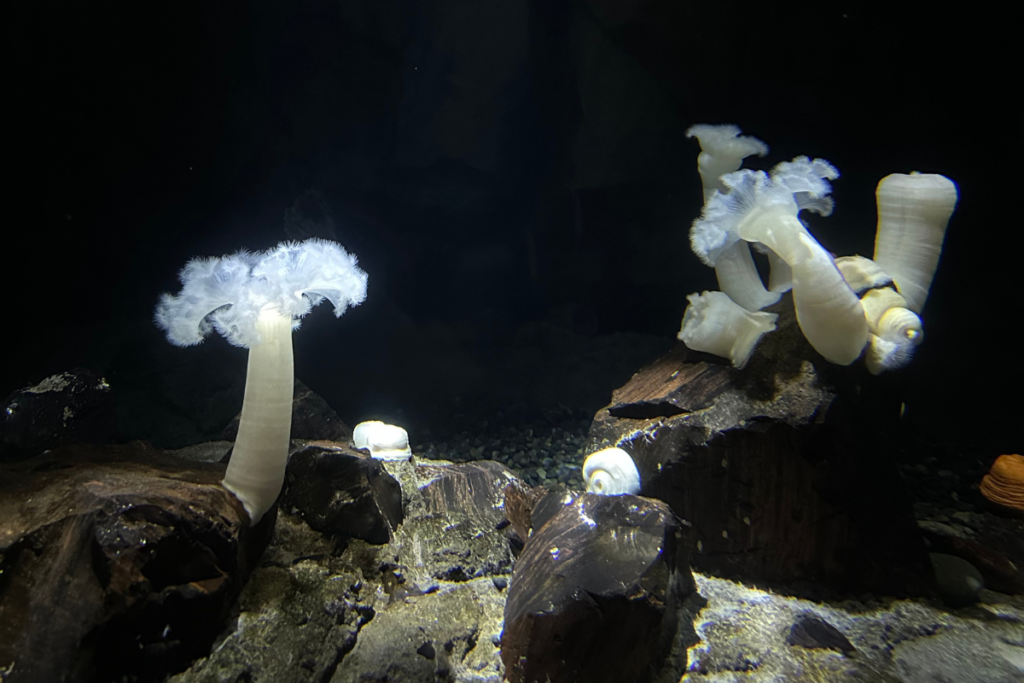
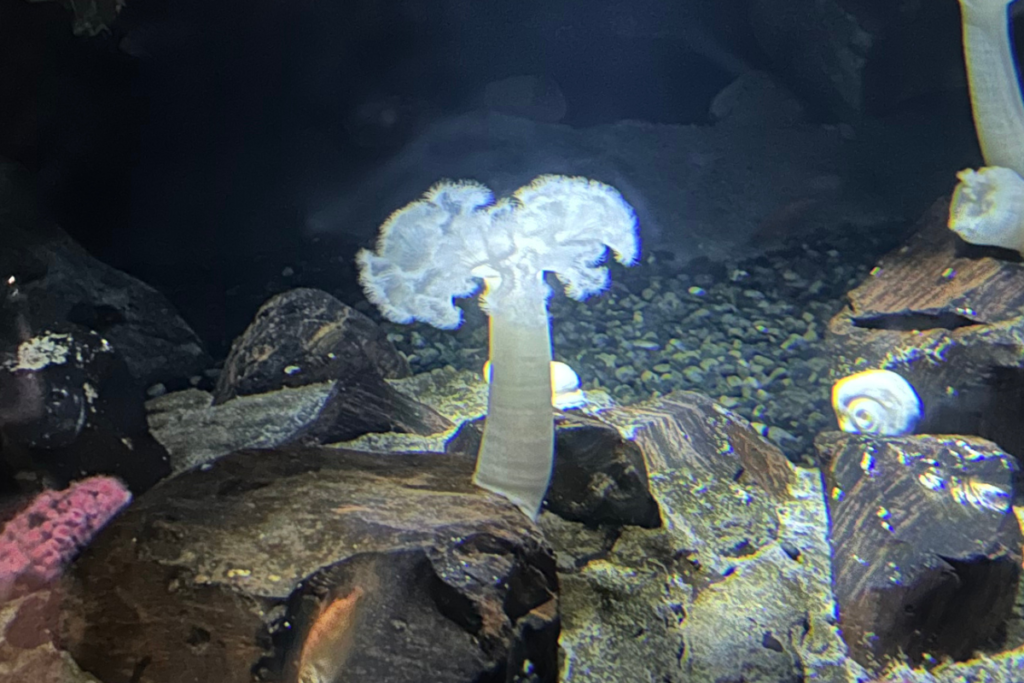
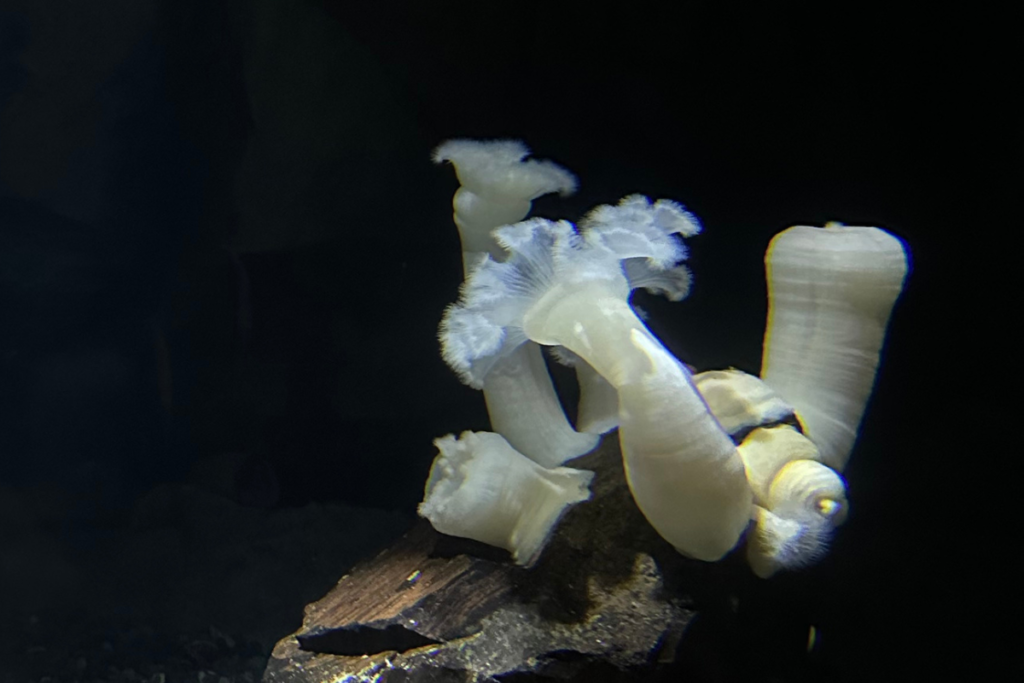
Observers may encounter this anemone in locations separated by thousands of miles. Despite the distance between populations, individuals remain remarkably recognizable because of their distinctive feathery tentacle crowns and characteristic body structure. This consistency contributes to the species’ reputation as one of the easiest sea anemones to identify.
Its distribution highlights the ecological success of the species. From rugged shorelines to busy coastal harbors, the Common Plumose Anemone has established itself across a broad geographic area. Understanding where it occurs provides valuable insight into its ecological adaptability and long-term survival.
Common Plumose Anemone Global Range and Geographic Spread
The Common Plumose Anemone is distributed throughout large portions of the North Atlantic Ocean. Populations occur along the eastern coast of North America, extending through regions that include parts of Canada and the northeastern United States. These coastal waters support extensive communities of marine invertebrates, including thriving plumose anemone populations.
Across the Atlantic, the species is equally common along European coastlines. Countries bordering the North Sea, the English Channel, and portions of the northeastern Atlantic frequently support established populations. The species has become a familiar component of marine ecosystems throughout much of northern Europe.
The Pacific Ocean contains another major portion of the species’ distribution. Populations occur along the western coastline of North America and extend into northern Pacific regions. These waters provide environmental conditions that closely match those found across much of the Atlantic portion of its range.
Northern populations may extend into colder marine environments approaching subarctic regions. In contrast, southern populations generally remain associated with temperate waters where environmental conditions remain suitable. These boundaries help define the overall extent of the species’ geographic distribution.
Compared to many sea anemones confined to localized regions, the Common Plumose Anemone occupies a remarkably large range. Its presence across multiple continents and major ocean basins demonstrates a level of distribution achieved by relatively few marine invertebrates.
Common Plumose Anemone Regional Occurrence and Population Patterns
Although widespread, the Common Plumose Anemone does not occur uniformly throughout its range. Certain coastal regions support especially dense populations due to favorable environmental conditions and abundant attachment surfaces. In these locations, colonies may become among the most visible marine invertebrates present.
Northern Atlantic coastlines often contain substantial concentrations of the species. Areas with productive marine ecosystems and extensive hard substrates frequently support large colonies. These populations contribute significantly to local biodiversity and underwater community structure.
Pacific populations display similar patterns. Coastal environments providing stable marine conditions often contain thriving colonies attached to natural and artificial surfaces. The species may occur as isolated individuals in some locations while forming extensive aggregations in others.
Harbors, ports, and developed coastal areas frequently support large numbers of Common Plumose Anemones. Human-created structures provide additional surfaces for attachment, allowing populations to expand into areas where natural substrates may be limited. This relationship has helped increase the species’ visibility in many coastal regions.
Population density can vary considerably even within the same geographic area. One shoreline may contain extensive colonies while a nearby location supports only scattered individuals. Such variation reflects differences in environmental conditions rather than simple geographic position.
Environmental Factors Influencing Common Plumose Anemone Distribution
Water temperature is one of the primary factors influencing the species’ range. The Common Plumose Anemone is associated with cool to temperate marine environments rather than tropical waters. This preference helps explain why its distribution is concentrated within northern ocean regions.
Ocean currents also contribute to distribution patterns. During early life stages, larvae drift through the water column and may be transported considerable distances before settling. These currents function like marine highways, helping connect populations across large geographic areas.
The availability of suitable attachment surfaces strongly influences local occurrence. Regions lacking stable substrates often support fewer individuals than areas containing abundant rocks, pilings, and other hard structures. Because the species depends on permanent attachment, substrate availability directly affects distribution.
Water quality and coastal productivity play important roles as well. Healthy marine ecosystems often provide the conditions necessary for long-term population stability. Areas supporting diverse marine communities frequently contain suitable conditions for plumose anemones.
A useful comparison can be made to trees on land. Just as forests develop where climate, soil, and water conditions are favorable, Common Plumose Anemone populations establish where marine conditions support long-term survival. The combination of suitable temperatures, ocean currents, stable attachment surfaces, and productive coastal waters has allowed this species to achieve one of the broadest distributions among temperate sea anemones in the Northern Hemisphere.
Popular Searches About Plumose Anemones
Explore Plumose Anemone Guide
Explore More Exhibits

Support Encounters World
Help support wildlife photography and get behind the scenes discoveries on Patreon.