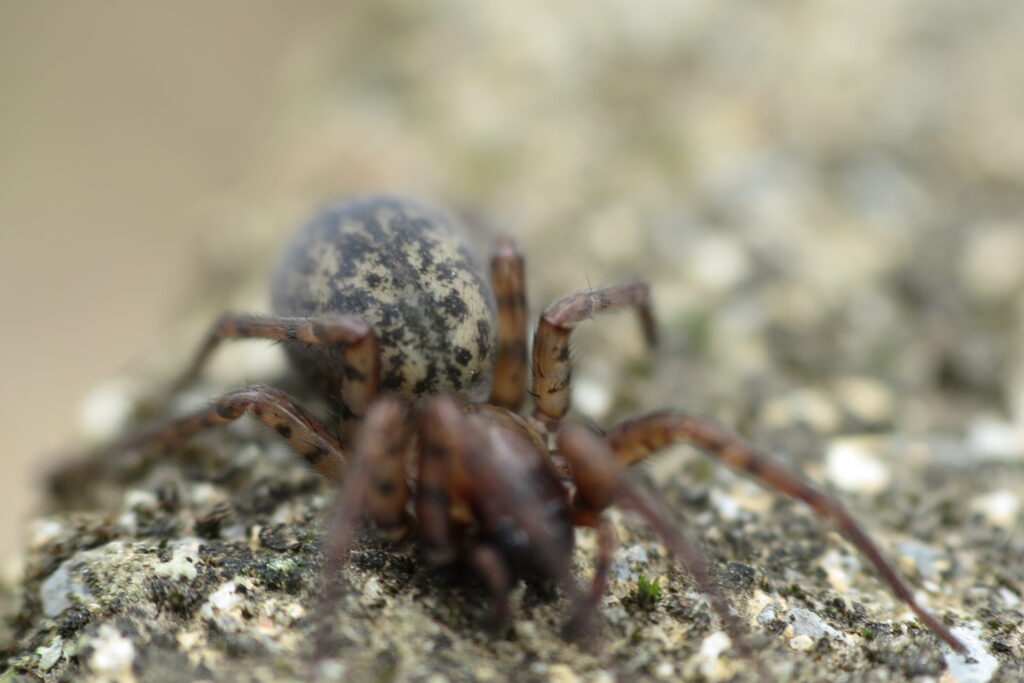
What Do Funnel Weaver Spiders (Coras sp.) Eat? – Diet and Feeding Guide
Quick Facts
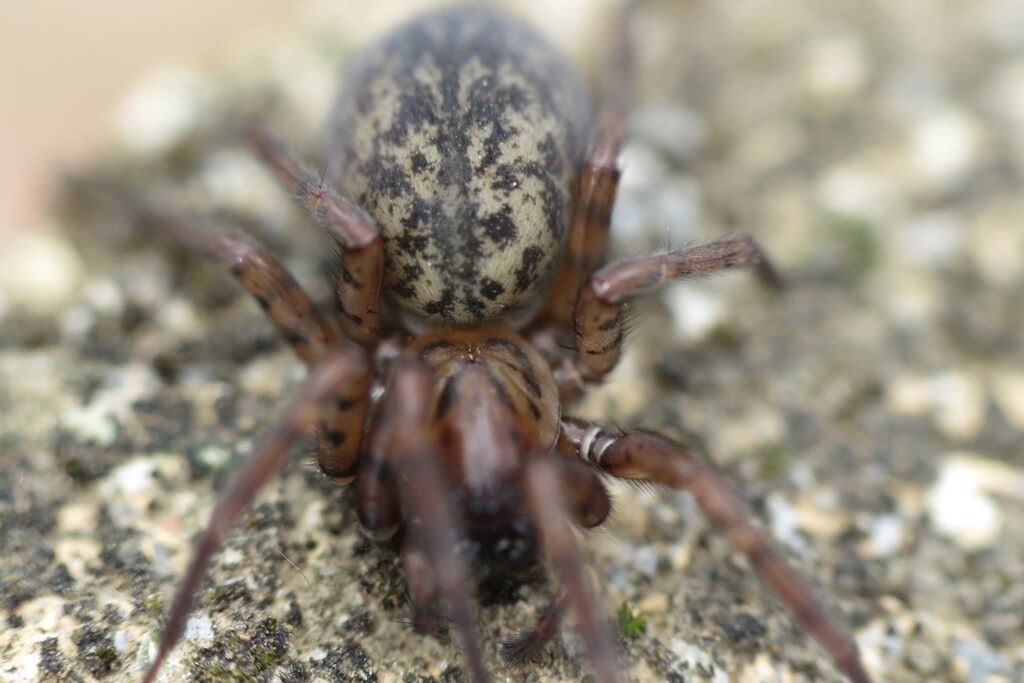
Scientific Name: Coras sp.
Common Name: Funnel Weaver Spider
Diet Type: Carnivore
Main Food Sources: Small insects (flies, ants, beetles, small arthropods)
Feeding Time: Primarily nighttime and low-light periods
Foraging Method: Web-based ambush using funnel retreat
Seasonal Diet Changes: Diet shifts based on available insect populations
Predatory Adaptations: Fast reflexes, silk vibration detection, venom for immobilization
Location Observed: Pennsylvania
The funnel weaver spider, belonging to the genus Coras, is a predatory arachnid that relies on insects and small arthropods for survival. Unlike plant-eating species or generalist feeders, it is strictly carnivorous, obtaining all of its nutrients from captured prey. Its feeding strategy is closely tied to movement detection and rapid response rather than active pursuit.
This group of spiders is found across North America, where it occupies environments that support a steady presence of small invertebrates. These areas provide a consistent supply of prey, allowing the spider to maintain its energy needs without extensive searching. Its role within the ecosystem is that of a quiet predator, operating at ground level.
Often unseen, the funnel weaver remains positioned within its silk structure, waiting for subtle vibrations that signal opportunity. Its feeding habits are not based on roaming or hunting over distance, but on patience and precision, making it an efficient and highly specialized predator.
Funnel Weaver Spider Diet Overview and Feeding Traits
Funnel weaver spiders are obligate carnivores, meaning their diet consists entirely of animal-based prey. They do not consume plant material and rely exclusively on insects and similar organisms to sustain themselves. This specialized diet shapes their entire feeding strategy.
Their feeding tendencies are opportunistic within a defined range. Rather than targeting specific prey types, they capture whatever small arthropods come into contact with their silk. This allows them to maintain a steady intake without depending on a single food source.
Adaptability is a key feature of their diet. As insect populations fluctuate, funnel weavers adjust naturally by capturing whatever is available. This flexibility ensures continued feeding success even as prey types change over time.
Overall, their dietary pattern is built on consistency and efficiency. They do not expend energy chasing prey across large distances. Instead, they rely on a system that brings food directly to them, allowing them to conserve energy while maintaining regular feeding opportunities.
Funnel Weaver Spider Diet and Natural Food Sources
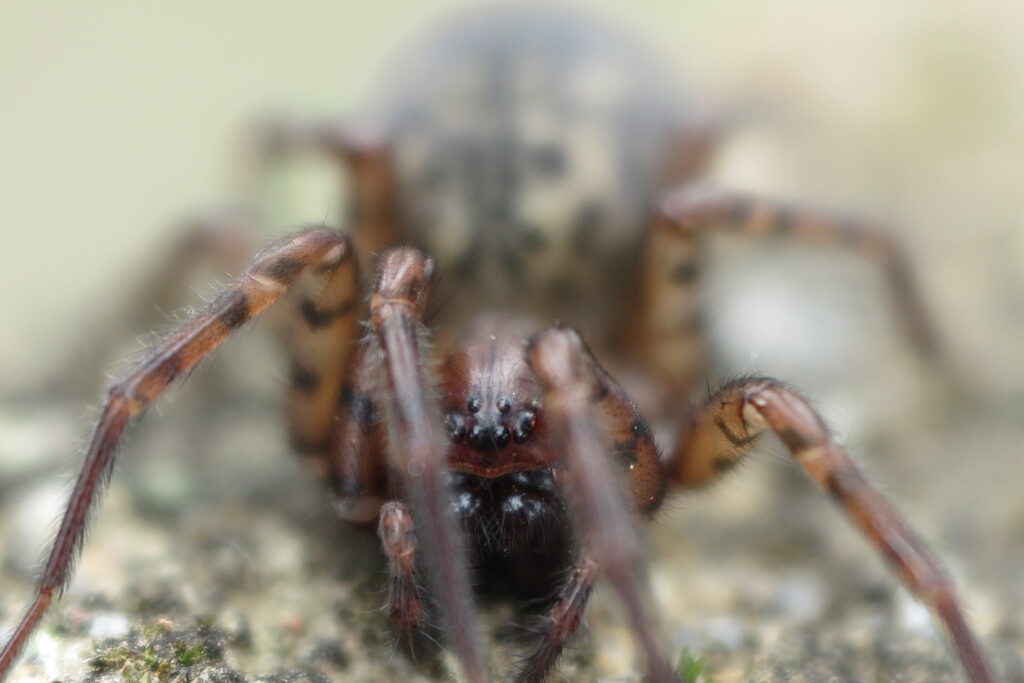
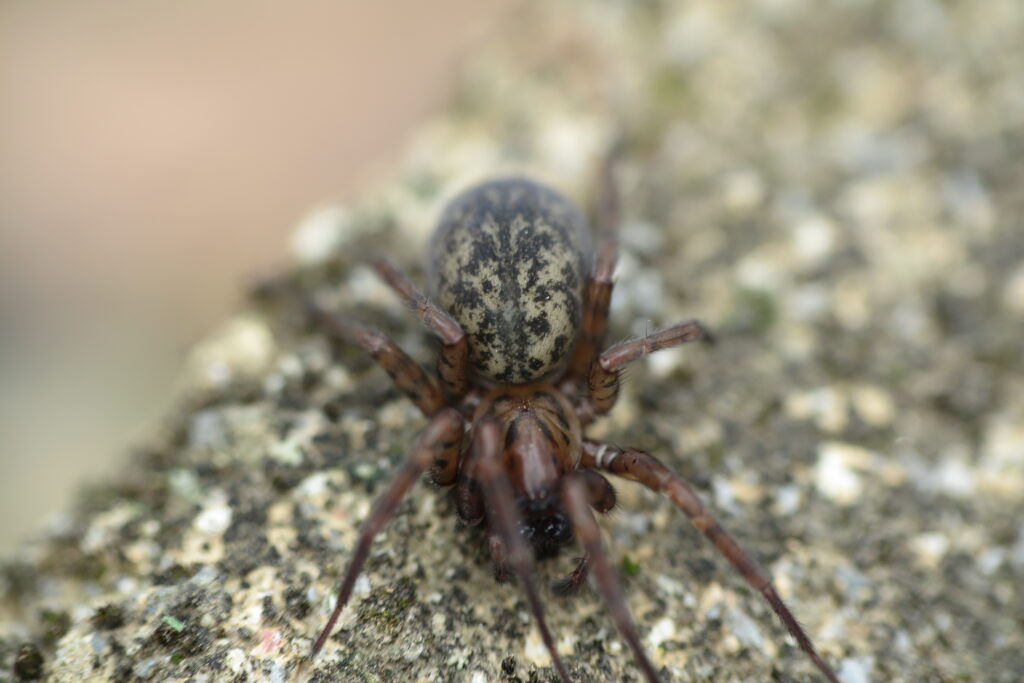
Funnel weaver spiders primarily consume small, ground-level insects. Flies, ants, beetles, and other small arthropods make up the majority of their diet. These prey items are abundant in the environments they occupy, making them reliable food sources.
In addition to these common insects, they may also capture other small invertebrates that come into contact with their silk. The size of prey is generally limited to what the spider can quickly subdue, ensuring efficient handling and consumption.
Seasonal changes influence the types of prey available. During periods of high insect activity, the spider benefits from a wider range of potential food sources. When insect populations decline, its diet narrows to whatever remains active and accessible.
Food availability plays a direct role in shaping feeding frequency. When prey is abundant, feeding may occur more regularly. During periods of scarcity, the spider can go longer without food, relying on stored energy until conditions improve.
Funnel Weaver Spider Feeding Behavior and Survival Strategies
Funnel weaver spiders use a web-based ambush strategy to capture prey. Their silk structure is designed to detect vibrations, allowing them to respond instantly when an insect makes contact. This system replaces the need for active hunting across open space.
When prey is detected, the spider moves with remarkable speed, emerging from its retreat to secure the target. This rapid response minimizes the chance of escape and reduces the time spent exposed. Once captured, the prey is quickly immobilized.
Competition for food is generally low due to the spider’s defined feeding zone. Each individual operates within its own space, reducing overlap with others. This localized feeding strategy allows for efficient use of available resources without constant competition.
Survival through feeding is based on precision and timing. The spider does not rely on frequent success but instead on well-timed opportunities. Its ability to detect, respond, and secure prey quickly ensures that even limited encounters can meet its nutritional needs.