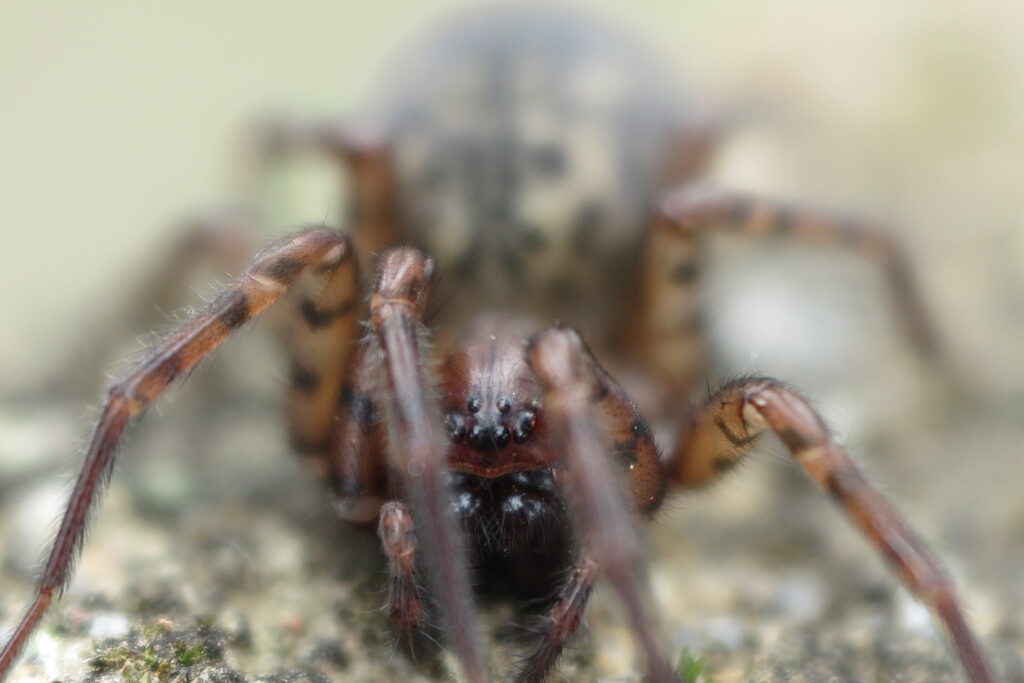
Funnel Weaver Spider (Coras sp.) Habitat – Where Funnel Weaver Spiders Live
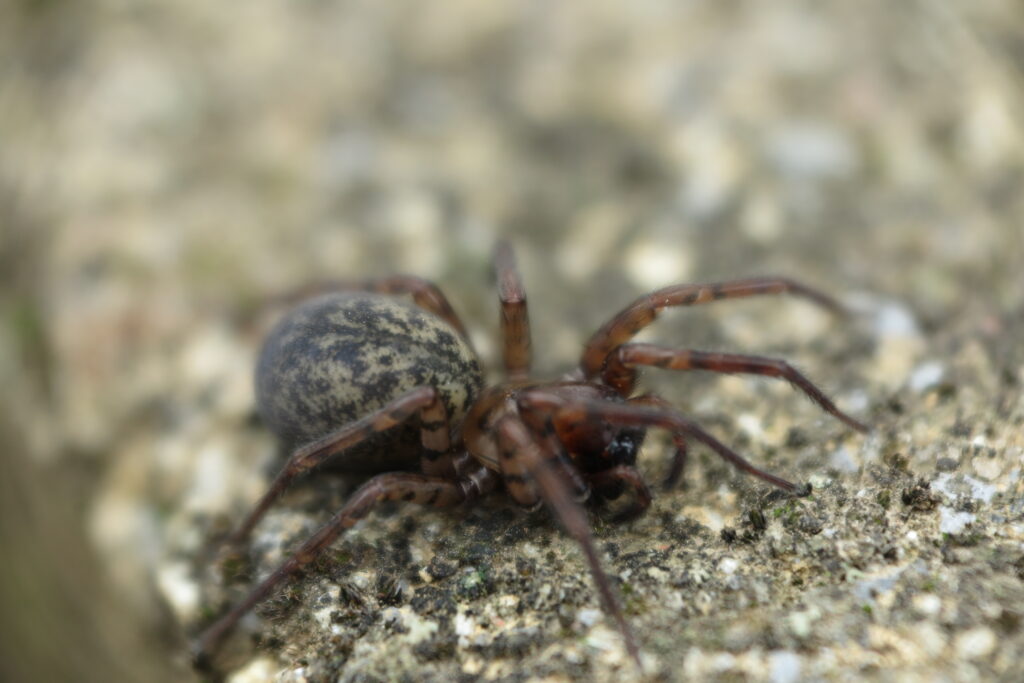
Quick Facts
Scientific Name: Coras sp.
Common Name: Funnel Weaver Spider
Primary Habitat: Forest floors, under rocks, and within leaf litter
Secondary Habitat: Woodpiles, stone walls, and man-made structures
Climate Preference: Temperate climates with seasonal variation
Environment Type: Terrestrial, ground-level microhabitats
Elevation / Depth Range: Ground surface to shallow subsurface shelters
Geographic Distribution: North America
Location Observed: Pennsylvania
The funnel weaver spider, belonging to the genus Coras, is a ground-oriented species that depends heavily on the structure and stability of its environment. Unlike arboreal or open-web spiders, it occupies spaces close to the surface, where natural materials create layered and protected conditions. Its presence is often tied to subtle environmental features rather than broad landscape types.
Across North America, funnel weaver spiders are commonly found in areas where the ground offers both support and variation. They thrive in environments that provide small gaps, edges, and surfaces suitable for establishing their living space. These locations allow them to remain concealed while maintaining access to open ground.
At a glance, their habitat may appear ordinary—rocks, soil, and scattered debris—but these elements form a complex microenvironment. Each layer contributes to a stable and functional setting, allowing the spider to exist within spaces that are both protected and connected to the surrounding environment.
Funnel Weaver Spider Habitat Overview and Environmental Range
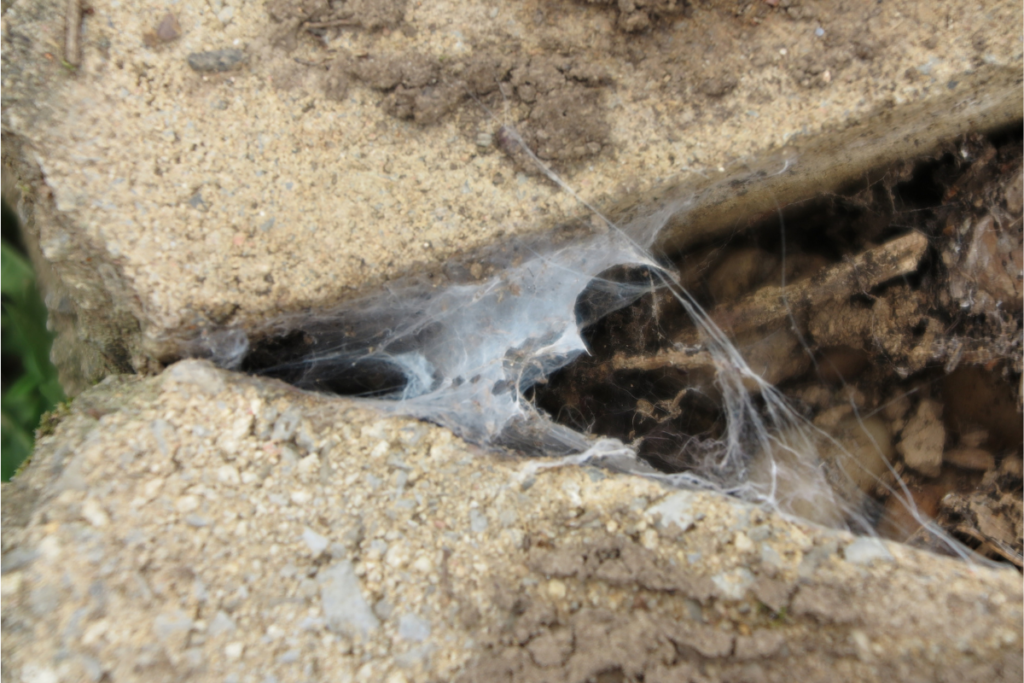
Funnel weaver spider habitat is best understood at the ground level, where small-scale environmental features play a critical role. Rather than relying on large, open spaces, this species depends on detailed surface structure, including cracks, crevices, and layered materials. These features define its living conditions more than the broader landscape.
Within its natural global range, the genus Coras occupies a variety of regions across North America. Despite differences in geography, a consistent pattern emerges—environments that provide stable ground surfaces and structural complexity are favored. This allows the species to remain present across multiple regions without requiring highly specialized conditions.
Adaptability is a key strength. Funnel weaver spiders can exist in both natural and human-influenced environments, as long as the necessary structural elements are present. This flexibility enables them to persist in areas that range from undisturbed ecosystems to lightly developed landscapes.
Overall, their environmental preference is defined by balance. The habitat must provide both concealment and accessibility, with enough variation in surface structure to support long-term occupation. These conditions create a stable environment that supports the spider’s continued presence.
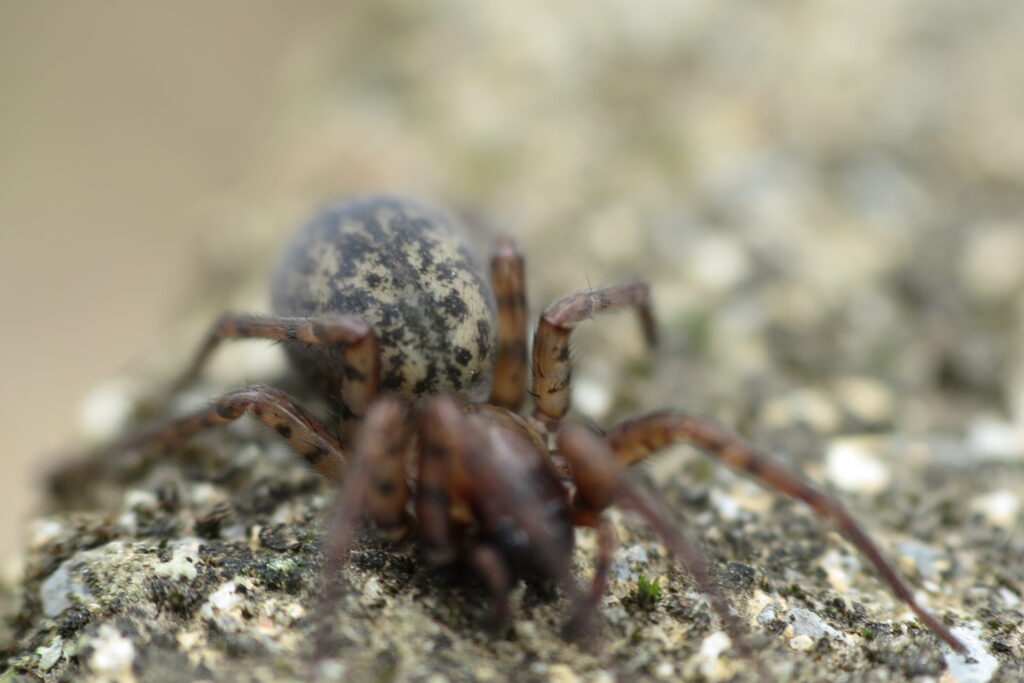
Funnel Weaver Spider Habitat Types and Living Environments
Forest floors represent one of the most common habitat types for funnel weaver spiders. Leaf litter, fallen branches, and natural debris create a layered surface that offers both protection and structural support. These environments provide the complexity needed for stable habitation.
Rocky areas and stone surfaces also play an important role. Gaps between rocks, cracks in stone, and uneven surfaces create ideal conditions for establishing a secure position. These locations offer durability and long-term stability, making them reliable habitat options.
Grasslands and open ground can support funnel weavers when surface variation is present. Small depressions, soil irregularities, and scattered plant material create enough structure to sustain habitation. These environments may appear simple but still provide the necessary elements at a smaller scale.
Human-altered environments can also function as suitable habitat. Woodpiles, stone walls, and structural edges mimic natural conditions, offering the same combination of stability and layered surfaces. As long as these features remain undisturbed, they can support funnel weaver presence effectively.
Funnel Weaver Spider Environmental Conditions and Survival Factors
Temperate climates provide the ideal conditions for funnel weaver spiders. Moderate temperature ranges and seasonal variation support a stable environment over time. These conditions allow the surrounding materials—soil, vegetation, and debris—to maintain consistency.
Seasonal changes influence the structure of the habitat rather than its availability. As leaves fall, moisture levels shift, and vegetation changes, the environment evolves while still maintaining its core characteristics. This seasonal transformation adds layers of complexity without removing essential features.
Terrain is a major factor in habitat suitability. Slightly uneven or broken ground creates natural pockets and edges that support structural stability. Flat, uniform surfaces are less ideal, as they lack the variation needed for long-term habitation.
Vegetation contributes to environmental balance by providing both coverage and structural reinforcement. Low-growing plants, organic debris, and natural ground materials work together to create a stable surface. This combination of terrain, climate, and vegetation forms a habitat that supports the funnel weaver spider consistently across its range.