
What Do Gold Laced Wyandotte Chickens Eat in Pennsylvania? Diet, Feeding Habits, and Egg Production Guide
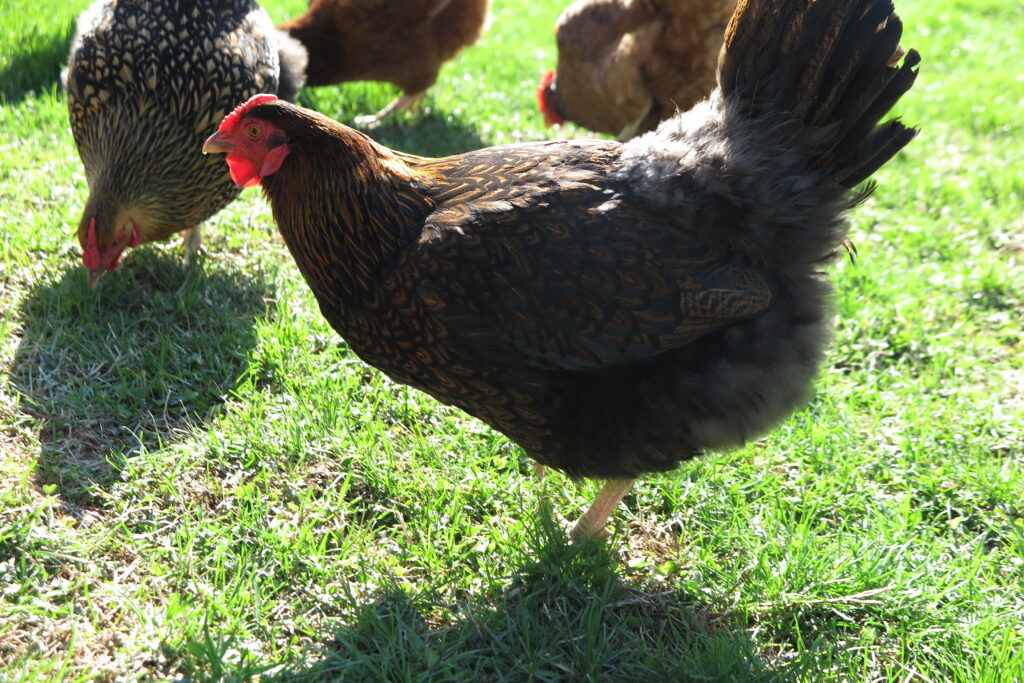
Quick Facts
Scientific Name: Gallus gallus domesticus
Common Name: Gold Laced Wyandotte Chicken
Location: Domesticated worldwide (commonly found in backyard flocks across Pennsylvania)
Diet Type: Omnivore
Main Food Sources: Grains, seeds, insects, worms, vegetation, and balanced poultry feed; may also consume kitchen scraps and natural forage
Seasonal Diet Changes: Diet varies with seasonal availability; increased access to insects and fresh vegetation in warmer months, with greater reliance on grain-based feed during colder Pennsylvania winters
Feeding Time: Diurnal (feeds throughout the day, especially during morning and late afternoon hours)
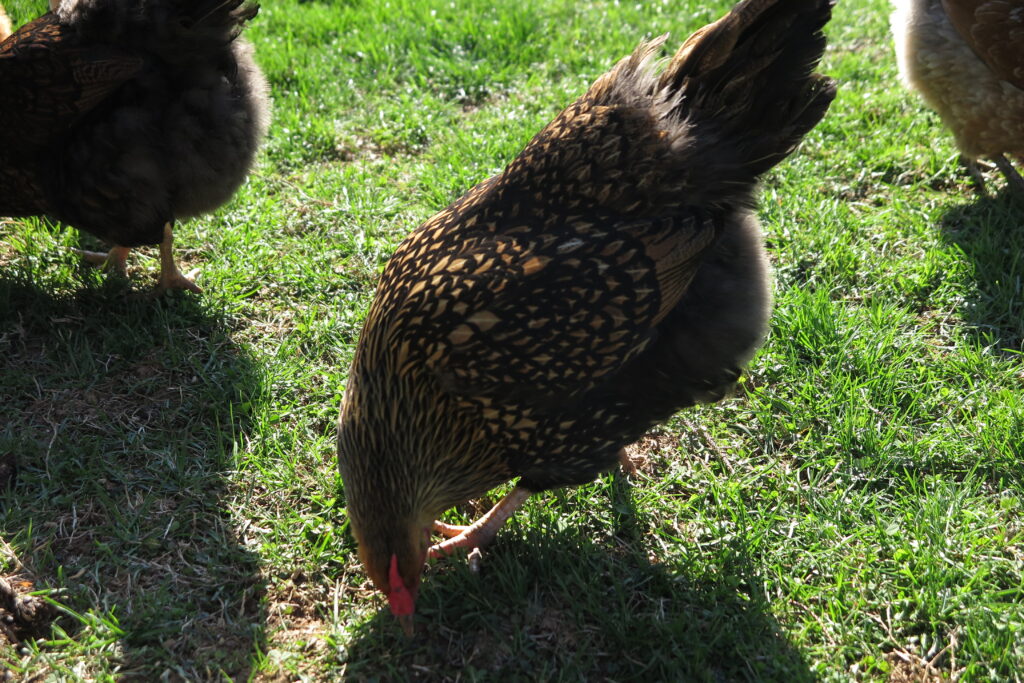
Foraging Method: Ground forager; scratches at soil and vegetation and pecks at exposed food sources such as insects, seeds, and organic matter
Egg Production: Typically lays 3–4 medium to large brown eggs per week, with peak production during spring and early summer when daylight hours are longer. Egg laying may slow during winter months due to reduced daylight.
The Gold Laced Wyandotte chicken is a domesticated breed recognized for its striking feather pattern and well-balanced traits. Known for its adaptability and reliability, it is commonly raised in backyard flocks and small farm settings.
In Pennsylvania, Gold Laced Wyandotte chickens are frequently found in coops, fenced yards, and homesteads where their feeding habits are supported by both natural and supplemental food sources. Their diet reflects a mix of managed care and natural foraging opportunities.
Often seen pecking at the ground or moving steadily across open spaces, these chickens rely on a consistent intake of nutrients to maintain health and productivity. Their feeding patterns play an important role in both daily function and egg production.
Gold Laced Wyandotte Chicken Diet Overview: Feeding Type and General Traits
Gold Laced Wyandotte chickens are omnivores, meaning they consume both plant-based and animal-based food sources. This allows them to maintain a balanced diet that supports overall health and consistent egg production.
Their feeding tendencies are steady and methodical. Rather than aggressive feeding, they consume food at a controlled pace, making them well-suited for mixed flocks where competition for food may occur.
This breed shows strong adaptability in its diet, adjusting easily between natural foraging and supplemental poultry feed. Whether provided with commercial feed or access to outdoor environments, they maintain a stable intake.
Overall, Gold Laced Wyandottes have a flexible and reliable diet. Their ability to utilize a wide range of food sources contributes to their success in various managed environments.
What Do Gold Laced Wyandotte Chickens Eat in Pennsylvania? Natural Foods and Seasonal Diet
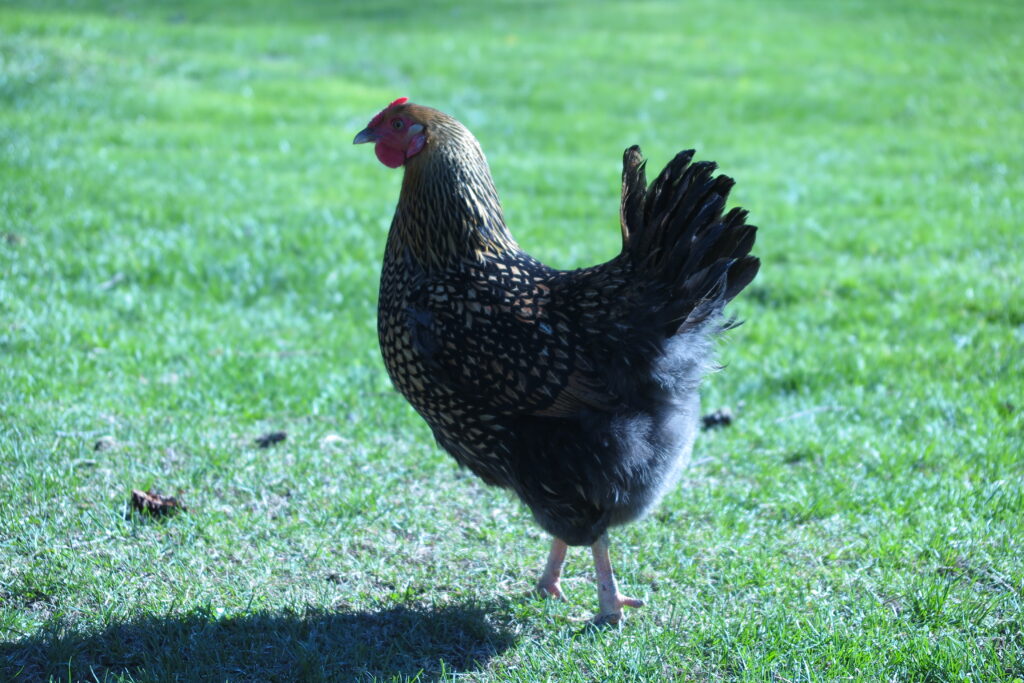
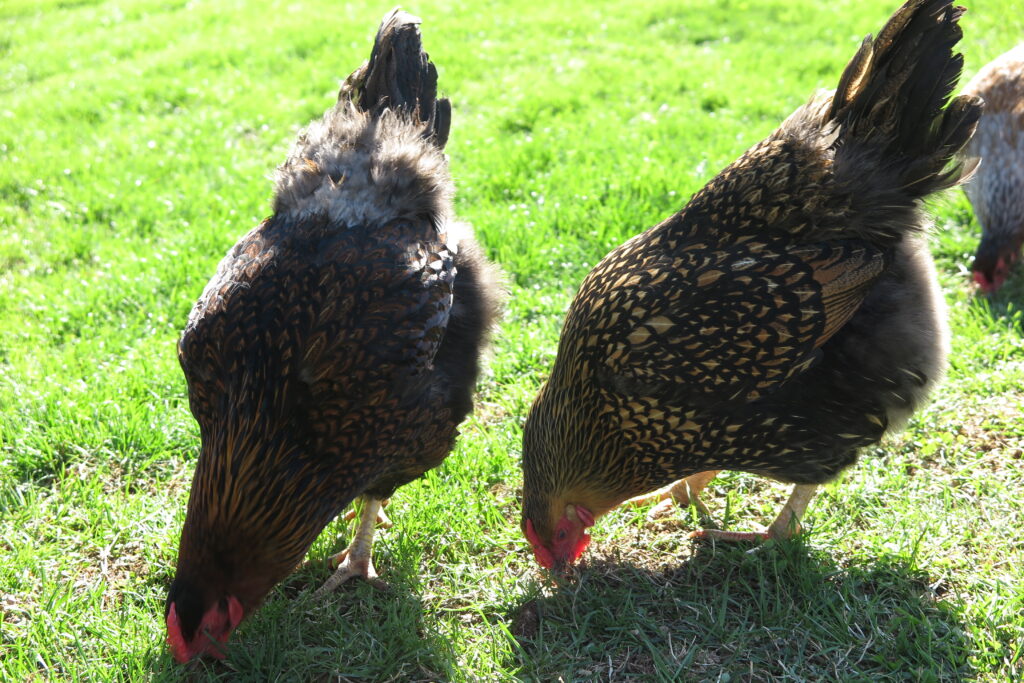
Gold Laced Wyandotte chickens consume a variety of natural food sources when given access to outdoor space. These include insects such as beetles, ants, and worms, as well as seeds, grasses, and small plant materials found at ground level.
In managed environments, their diet is typically supplemented with poultry feed that provides essential nutrients. This feed is often grain-based and designed to support both growth and egg production.
Seasonal changes in Pennsylvania influence the availability of natural food sources. During spring and summer, increased insect activity and plant growth allow for more varied feeding, while fall and winter shift their reliance toward stored feed and grains.
Food availability plays a key role in dietary balance. When natural sources are abundant, they benefit from a more diverse intake, while consistent feeding ensures nutritional stability during periods of limited natural resources.
Gold Laced Wyandotte Chicken Feeding Behavior and Survival Strategies
Gold Laced Wyandotte chickens use a ground-based foraging method to locate food. They scratch at soil and vegetation with their feet and then peck at exposed food sources such as insects and seeds.
Their feeding behavior is calm and deliberate, allowing them to gather food efficiently without excessive competition. They tend to maintain awareness of their surroundings while feeding, balancing food intake with environmental observation.
Within a flock, they typically feed in shared spaces with moderate competition. Their balanced temperament allows them to coexist with other chickens without frequent conflict over food sources.
From a survival perspective, their feeding habits rely on consistency and adaptability. By utilizing both natural forage and provided feed, they maintain stable nutrition even when environmental conditions change.
Gold Laced Wyandotte Chicken Egg Production and Feeding Connection in Pennsylvania
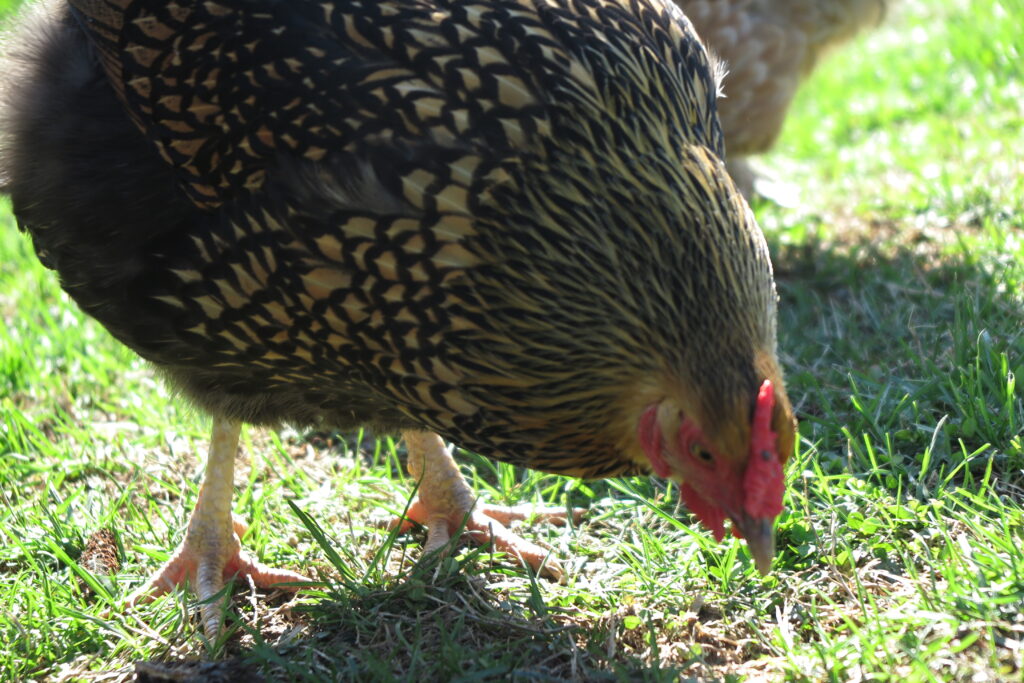
Egg production in Gold Laced Wyandotte chickens is closely tied to diet and overall nutrition. A balanced intake of protein, grains, and natural food sources supports consistent laying patterns.
Typically, hens lay 3 to 4 medium to large brown eggs per week, with peak production occurring during spring and early summer when daylight hours are longer. Increased daylight stimulates egg-laying cycles and improves consistency.
During Pennsylvania winters, shorter daylight hours and reduced natural food availability can lead to decreased egg production. Supplemental feeding and consistent care help maintain more stable laying during colder months.
Overall, the combination of proper nutrition and seasonal conditions plays a critical role in egg production. A well-balanced diet ensures that Gold Laced Wyandotte chickens remain productive and healthy throughout the year.