Grape Hyacinth Habitat: Where Grape Hyacinths Grow and Thrive (Muscari armeniacum Guide)
Quick Facts
Primary Habitat: Garden, Meadow, Grassland, Urban/Suburban Landscapes
Soil Type: Well-drained (loamy preferred, tolerates sandy and clay)
Soil pH Preference: Neutral to slightly alkaline (tolerates mild acidity)
Moisture Level: Dry to Moist
Climate Zone: Temperate
USDA Hardiness Zone: 3–9
Elevation Range: Sea level to moderate elevations (~0–8,000 ft adaptable)
Light Requirements: Full sun to partial shade
Location Observed: Pennsylvania, USA
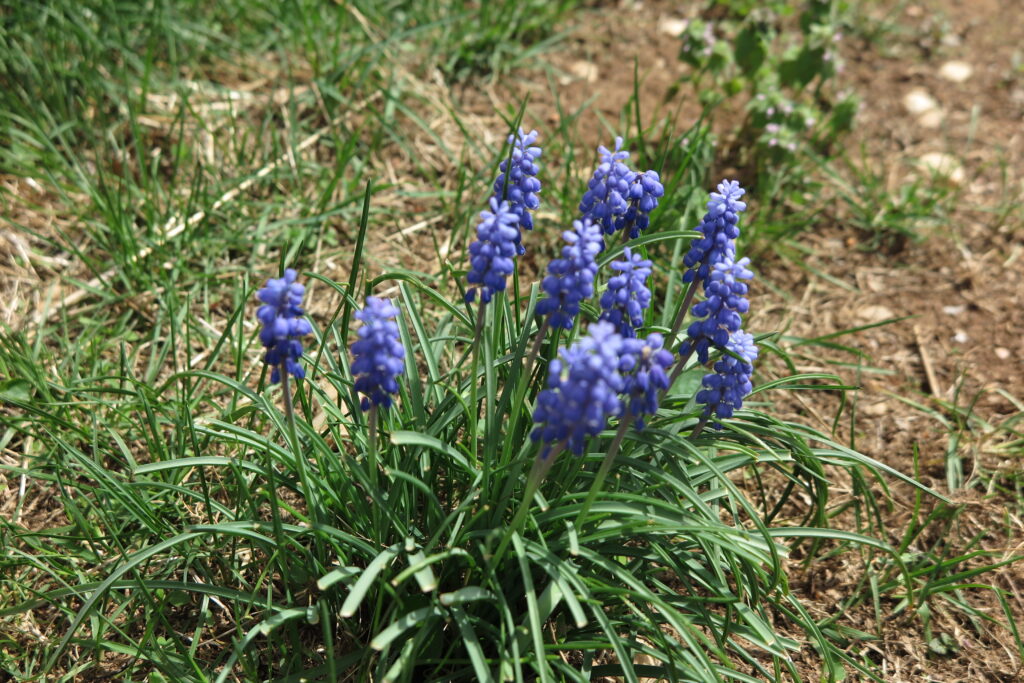
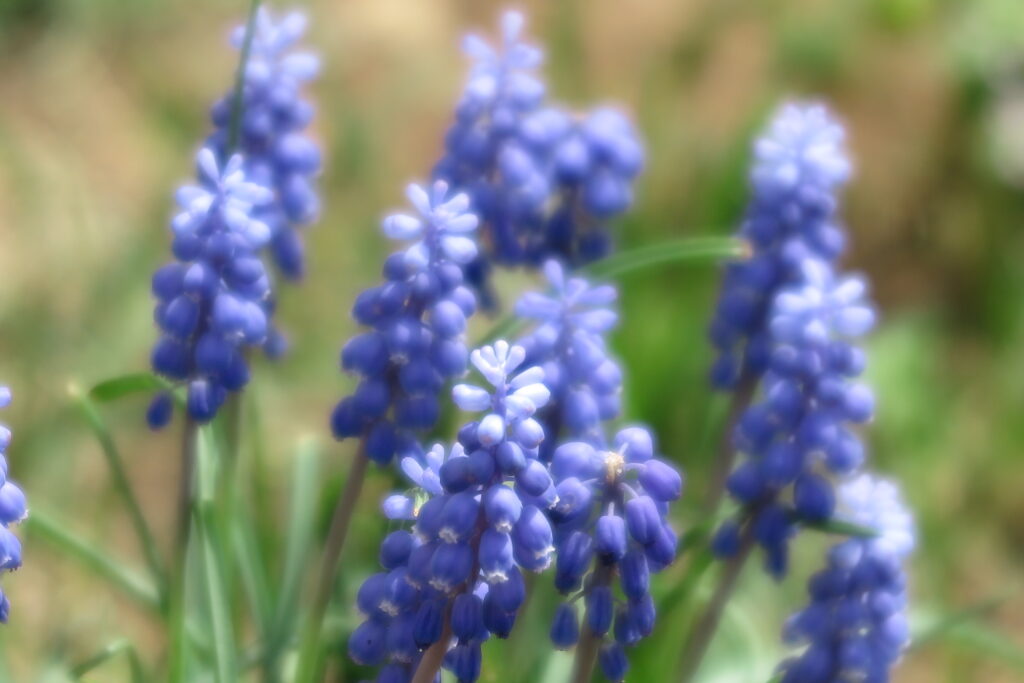
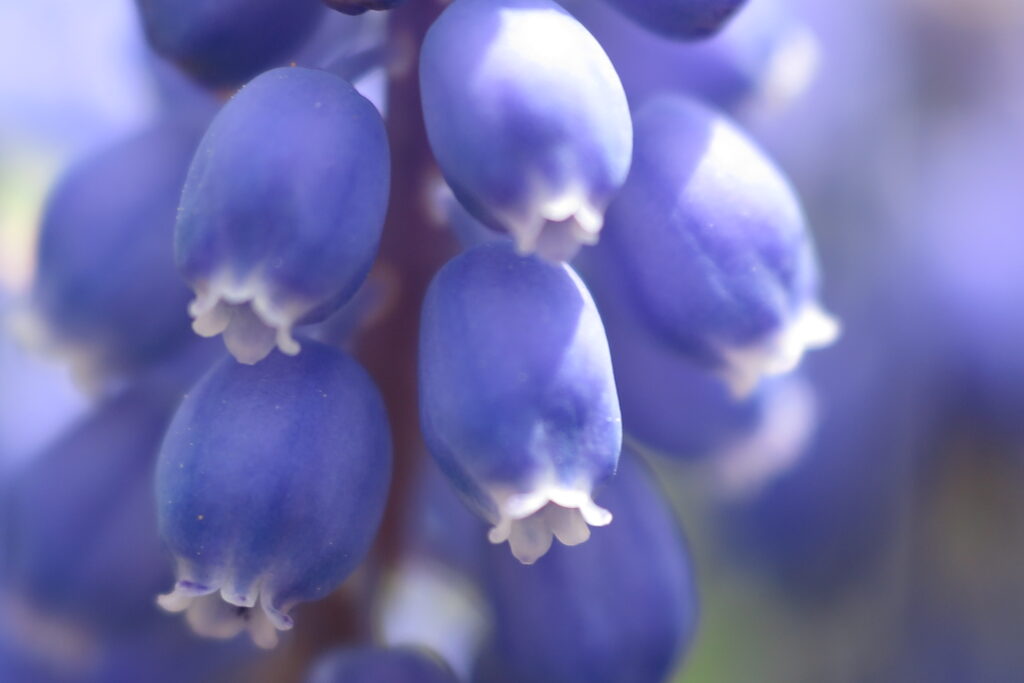
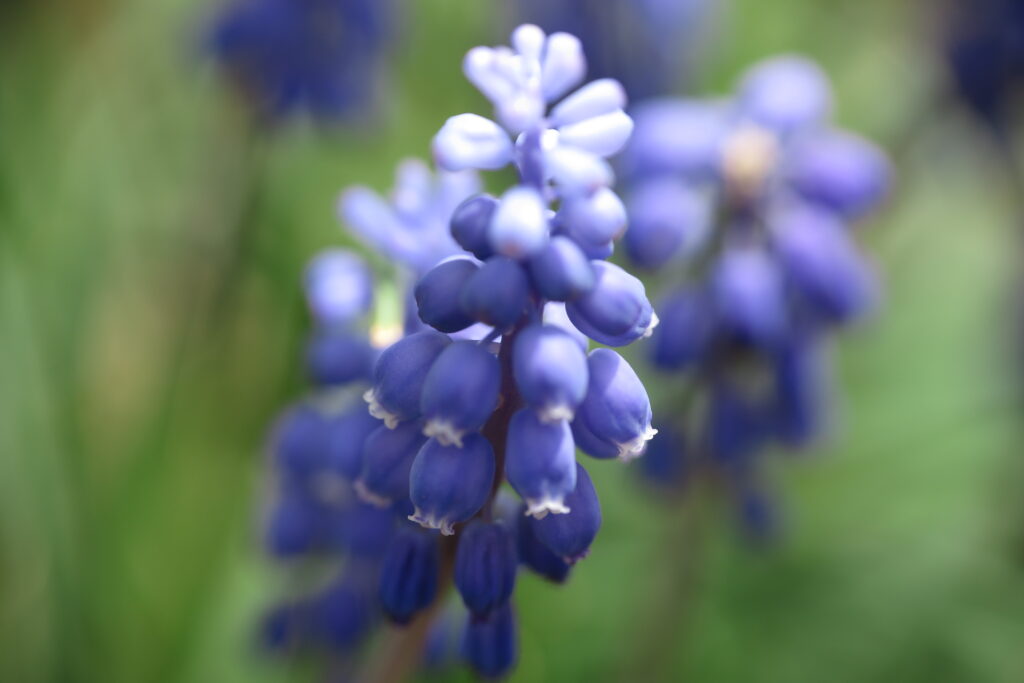
The grape hyacinth (Muscari armeniacum) is a compact flowering plant known for its vivid blue clusters and early spring appearance. Though small in size, it creates a noticeable presence wherever it grows, often forming patches of color that signal the transition from winter to spring.
Native to southeastern Europe and western Asia, this plant has been widely introduced to temperate regions across the globe. It is now commonly found in cultivated landscapes and naturalized settings, where it returns year after year with consistent reliability.
As the first warm days arrive, clusters of narrow leaves and upright flower spikes begin to emerge. These blooms often appear in groups, creating a repeating pattern across the landscape that feels both structured and naturally scattered.
Grape Hyacinth Habitat Overview
The habitat of grape hyacinth is shaped by its ability to adapt to a wide range of environments. It is not confined to a single type of landscape but instead appears wherever conditions allow for seasonal growth and re-emergence.
Across its global range, the plant is most commonly associated with temperate regions. These areas provide the seasonal variation necessary for its life cycle, allowing it to establish a consistent presence over time.
Grape hyacinth shows a strong preference for open or partially open environments. It is often found in areas where sunlight can reach the ground during key periods of the growing season, supporting its early bloom cycle.
One of its defining traits is its adaptability to human-influenced landscapes. It frequently appears in managed spaces, blending into gardens and lawns while also establishing itself in less controlled environments nearby.
Grape Hyacinth Natural Habitat and Growing Environments
Grape hyacinth is most often found in garden beds and landscaped areas, where it has been intentionally planted or has spread naturally over time. These environments provide space for clusters to develop and create concentrated displays of color.
In grassy areas such as lawns and meadows, the plant integrates with surrounding vegetation. Its low-growing form allows it to coexist without dominating the space, while still maintaining visibility during bloom.
It can also appear along pathways, edges of properties, and lightly disturbed ground. These transitional areas offer reduced competition and allow the plant to establish itself in small but noticeable groups.
In more naturalized settings, grape hyacinth may be found at the edges of fields or beneath sparse vegetation. These locations provide a balance of light exposure and open ground, supporting its seasonal emergence without heavy obstruction.
Environmental Conditions for Grape Hyacinth Growth
The environmental conditions that support grape hyacinth are centered around well-drained soils and moderate moisture levels. While it can tolerate a variety of soil types, it performs best in soils that allow excess water to move away efficiently.
Soil composition can range from sandy to clay-based, though loamy soils provide an ideal balance. The plant is also tolerant of different pH levels, with a preference for neutral to slightly alkaline conditions.
Moisture levels play a role in supporting early-season growth. While the plant can handle periods of dryness, it benefits from moderate moisture during its active phase, particularly in spring when growth is most visible.
Sunlight is another key environmental factor. Grape hyacinth thrives in full sun, where flowering is most pronounced, but it can also grow in partial shade. Combined with its ability to withstand seasonal temperature changes in temperate climates, these conditions allow it to establish and persist across a wide range of environments.