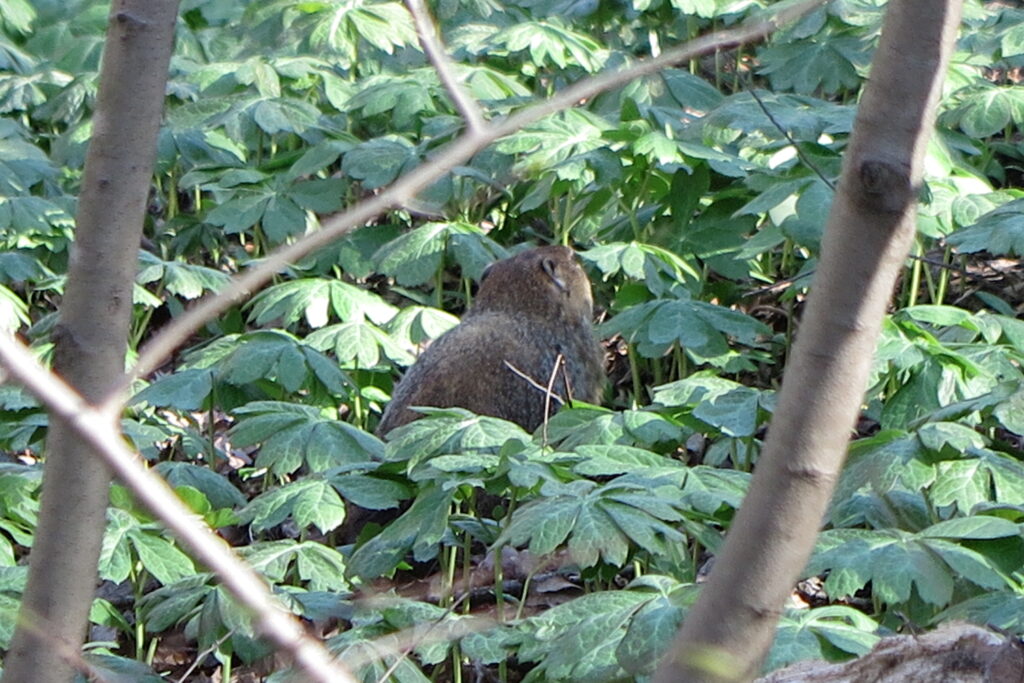
What Do Groundhogs Eat? (Marmota monax Diet Guide and Feeding Habits)
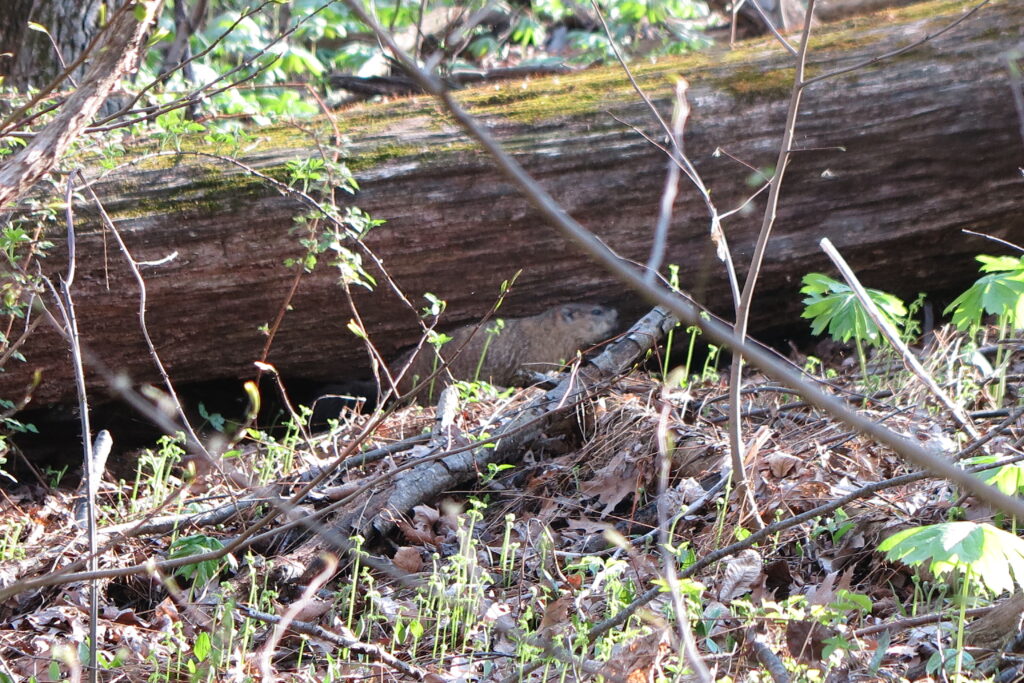
Quick Facts
Scientific Name: Marmota monax
Common Name: Groundhog (Woodchuck)
Diet Type: Herbivore
Main Food Sources: Grasses, clover, leaves, garden plants, fruits, bark
Feeding Time: Daytime (morning and late afternoon)
Foraging Method: Ground-level grazing and selective feeding
Seasonal Diet Changes: Fresh greens in spring/summer, tougher vegetation and bark in fall
Predatory Adaptations: Strong incisors for cutting vegetation, efficient digestion of plant material
Location Observed: Pennsylvania
The groundhog is a large herbivorous rodent known for its strong connection to vegetation and ground-level food sources. As a member of the marmot family, it relies heavily on plant material to meet its nutritional needs, shaping its daily activity around access to edible vegetation. Its feeding habits are closely tied to what grows naturally around it.
This species is found across eastern and central North America, where it occupies a wide range of environments that support plant growth. From open fields to managed landscapes, the groundhog benefits from areas rich in grasses and low vegetation. These regions provide a steady and accessible food supply throughout much of the year.
Often seen close to the ground, feeding quietly among plants, the groundhog reflects a lifestyle built on consistency and availability. Its diet is not based on hunting or pursuit, but on selection and timing, making it a steady and efficient feeder within its ecosystem.
Groundhog Diet Overview and Feeding Characteristics
Groundhogs are strict herbivores, meaning their diet consists entirely of plant-based material. Unlike omnivorous rodents, they do not rely on animal protein, instead focusing on vegetation that is readily available at ground level. This specialized feeding type shapes their overall dietary behavior and nutritional strategy.
Their feeding tendencies are selective but not overly restrictive. Groundhogs consume a variety of plant species, choosing foods based on availability and condition rather than sticking to a narrow list. This flexibility allows them to adjust their diet without difficulty as different plants grow and change.
Adaptability is a defining trait of their diet. When preferred food sources are abundant, they feed heavily on those items. When availability shifts, they transition to alternative vegetation without disruption. This ability to switch between food types supports their survival across changing conditions.
Overall, the groundhog’s diet is built on consistency and volume rather than diversity alone. It consumes large amounts of plant material over time, relying on steady intake rather than sporadic feeding. This approach allows it to maintain energy levels without the need for high-risk feeding strategies.
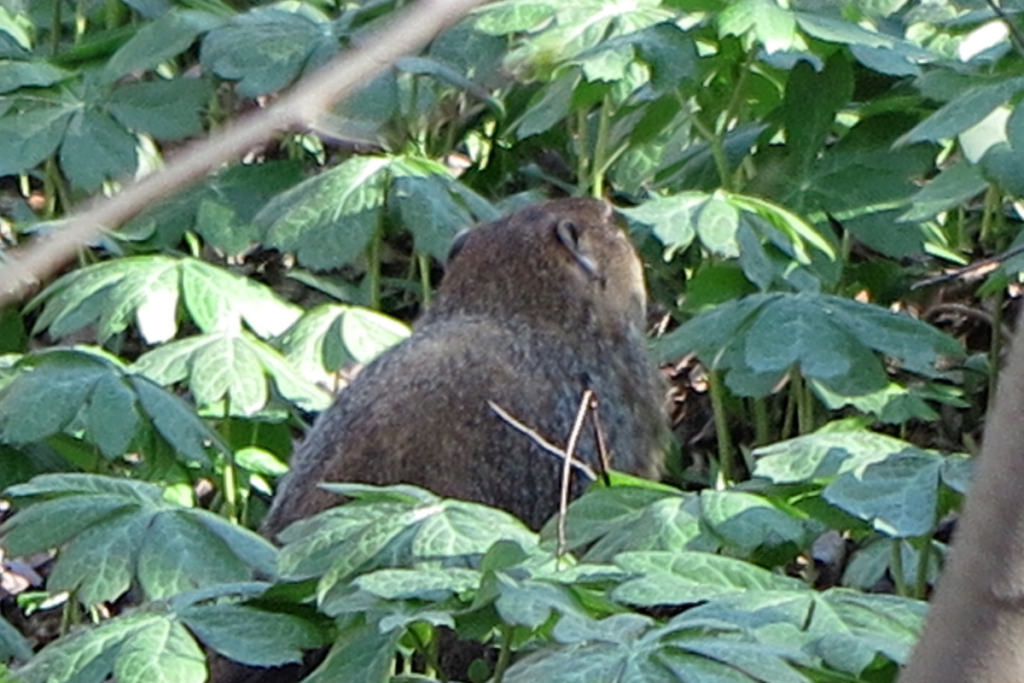
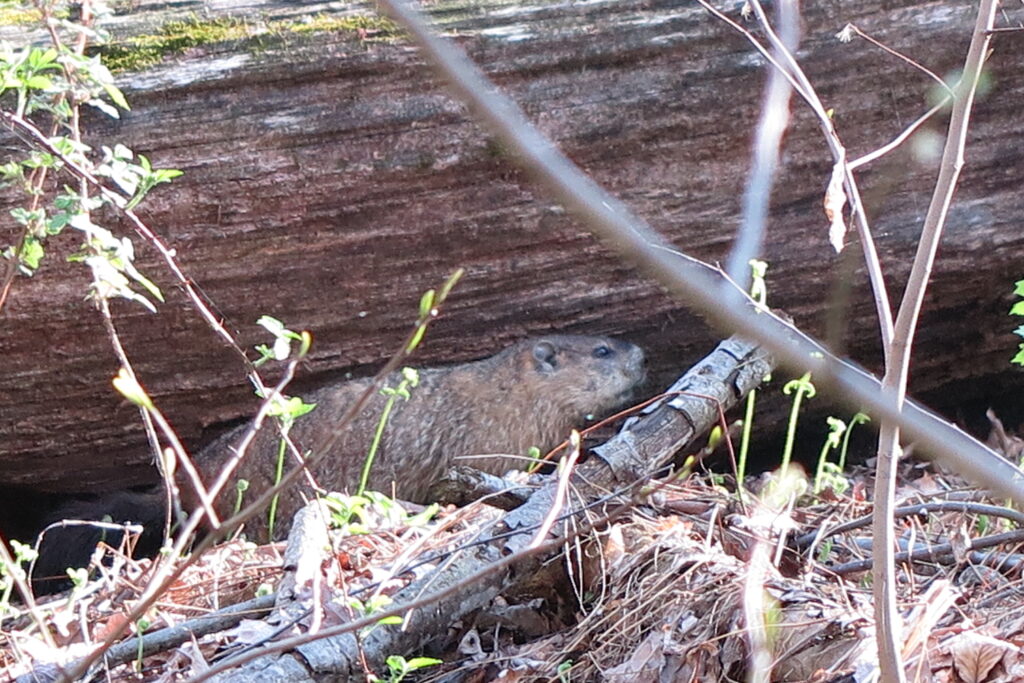
Groundhog Diet and Natural Food Sources
Groundhogs primarily consume grasses and soft green plants, which form the foundation of their diet. These foods are easy to access and digest, making them a reliable energy source during active seasons. Clover, dandelions, and similar low-growing plants are commonly included in their daily intake.
In addition to grasses, they feed on a variety of leaves, stems, and garden vegetation. Broadleaf plants provide additional nutrients and variety, allowing them to maintain a balanced intake. Fruits and berries may also be consumed when available, adding natural sugars to their diet.
As the seasons progress, their diet shifts slightly. During periods when fresh vegetation becomes less available, groundhogs turn to tougher plant material such as bark and woody stems. This seasonal adjustment ensures continued access to food even as plant growth declines.
Food availability plays a direct role in shaping their diet. When vegetation is plentiful, groundhogs feed frequently and consume a wide range of plants. When resources are limited, they become more selective and efficient, focusing on what remains accessible and sustainable.
Groundhog Feeding Behavior and Survival Strategies
Groundhogs feed using a grazing-style approach, moving slowly across the ground while consuming vegetation. This method allows them to gather food continuously without needing to travel long distances. Their feeding pattern is steady, with repeated short feeding sessions rather than extended foraging trips.
They rely heavily on their sharp incisors to clip vegetation cleanly. These teeth grow continuously, allowing them to maintain efficiency when cutting through plant material. This adaptation supports their ability to process a wide variety of plant textures.
Competition for food is generally low due to the abundance of plant material in their environment. However, groundhogs still maintain a focused feeding pattern, staying within a defined area and making use of available resources before moving elsewhere. This localized feeding reduces unnecessary movement and energy loss.
Survival through feeding is based on consistency and timing. Groundhogs take advantage of peak growing periods to consume large amounts of vegetation, ensuring they meet their energy needs over time. Their ability to adjust intake based on availability, combined with efficient feeding methods, allows them to sustain themselves without relying on complex or high-risk strategies.