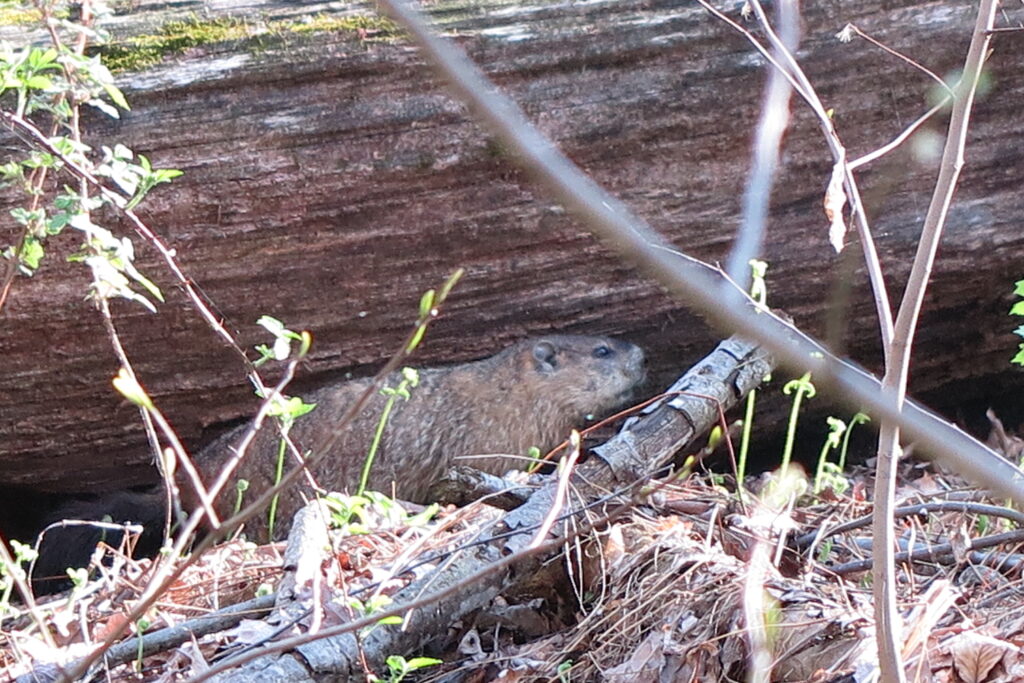
Groundhog Behavior (Marmota monax) – Daily Activity, Movement, and Survival Patterns

Quick Facts
Scientific Name: Marmota monax
Common Name: Groundhog (Woodchuck)
Activity Type: Diurnal (active during the day)
Social Structure: Solitary
Territorial Behavior: Moderately territorial, maintains personal burrow space
Movement Style: Slow and deliberate with bursts of speed when threatened
Communication Method: Whistles, chirps, body posture
Defense Strategy: Retreat to burrow, freezing, short sprints
Location Observed: Pennsylvania
The groundhog is a large terrestrial rodent known for its grounded lifestyle and strong connection to the land. As a member of the marmot family, it exhibits a set of behaviors centered around caution, efficiency, and independence. Its movements and daily routines reflect a species that prioritizes awareness and survival above all else.
Found across much of eastern and central North America, the groundhog is commonly encountered in areas where open ground meets structure. Its presence is often subtle, revealed more by brief appearances than constant activity. These animals tend to stay low and close to safety, making each movement purposeful and measured.
At first glance, a groundhog may seem calm or even inactive, but beneath that stillness is a highly tuned behavioral system. Every pause, step, and retreat is part of a routine shaped by instinct and environmental awareness, creating a rhythm of life that revolves around timing and caution.
Groundhog Behavior Overview and General Patterns
Groundhog behavior is defined by a balance between activity and restraint. These animals are neither constantly moving nor entirely sedentary. Instead, they follow a pattern of brief active periods separated by extended intervals of stillness, allowing them to conserve energy while remaining alert to changes around them.
Movement tends to be steady and controlled. Groundhogs rarely rush unless necessary, often walking with a low posture and scanning their surroundings. This careful pacing helps them detect potential threats while maintaining access to a quick escape route.
Adaptability plays a major role in their behavior. While they follow consistent daily routines, groundhogs can adjust their activity levels based on external conditions. Changes in light, temperature, and seasonal shifts all influence when and how they move, demonstrating flexibility without abandoning their core behavioral patterns.
Overall, the species exhibits a cautious but efficient approach to life. It does not rely on speed or aggression as primary tools but instead uses awareness, timing, and positioning to navigate its environment. This behavioral strategy allows the groundhog to thrive despite constant exposure to potential danger.
Groundhog Movement, Territorial Behavior, and Activity Cycles
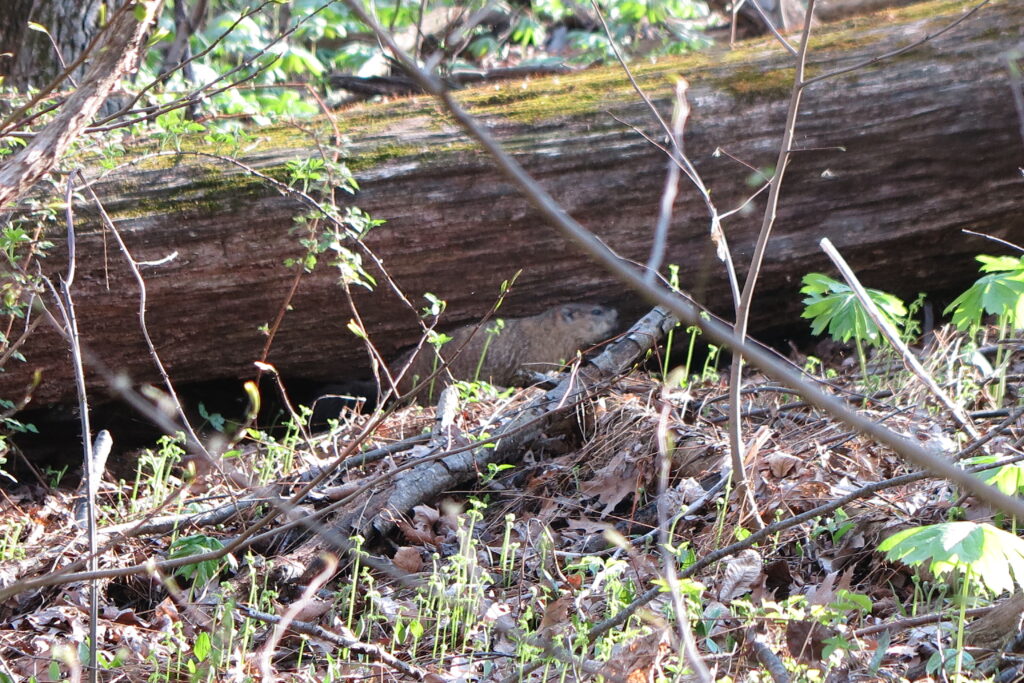
Groundhogs are primarily active during daylight hours, with peak activity often occurring in the early morning and late afternoon. During these times, they emerge from their burrows to move, forage, and survey their surroundings. Midday periods are typically quieter, with individuals retreating to shaded or protected areas.
Territorial behavior is subtle but important. Each groundhog maintains a defined area centered around its burrow system. Rather than engaging in frequent direct conflict, individuals rely on spacing and avoidance to maintain boundaries. Encounters with others are brief and usually resolved without escalation.
Their movement style reflects their need for both efficiency and safety. While walking, they keep their bodies close to the ground, ready to pivot or retreat at any moment. If startled, they can transition instantly from slow movement to a rapid dash, covering short distances quickly to reach safety.
Vocal communication is limited but effective. A sharp whistle or short call may be used as an alert when danger is detected. These sounds are not constant but serve as situational signals, reinforcing awareness rather than facilitating social interaction.
Groundhog Interaction and Survival Behavior
Groundhogs are largely solitary, interacting with others only when necessary. This independence reduces competition and limits exposure to conflict. Their social structure is simple, with individuals focusing on their own space rather than forming groups or cooperative systems.
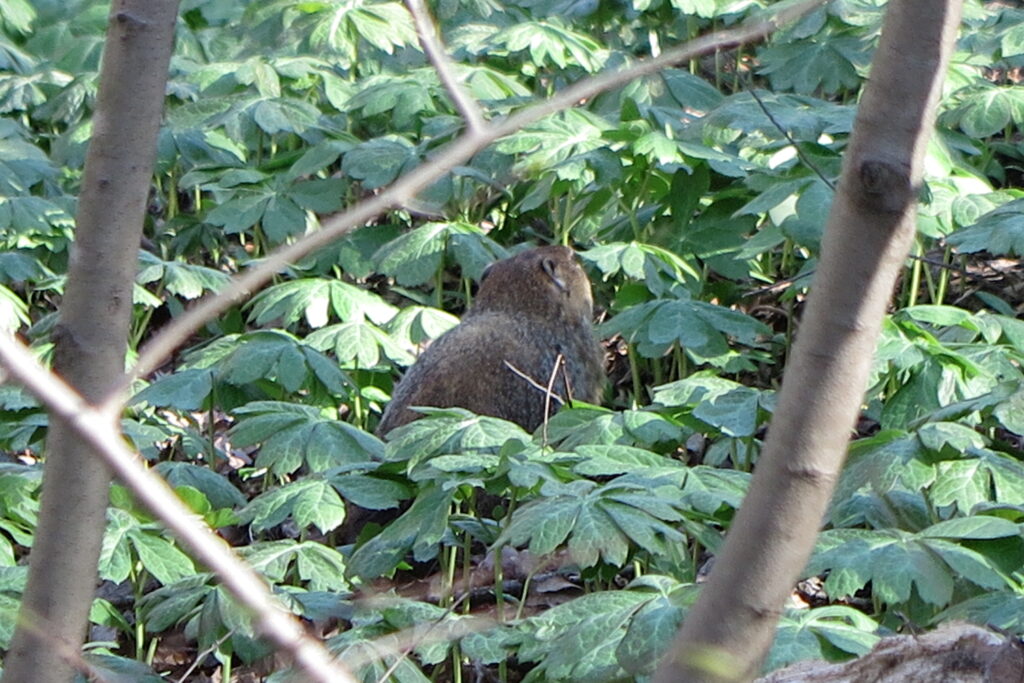
When faced with a potential threat, the groundhog’s first response is often to freeze. Remaining motionless can make it difficult for predators to detect them, especially when their fur blends with natural surroundings. If the threat persists, they quickly shift to escape mode, sprinting toward the nearest point of safety.
Feeding behavior follows a pattern of caution and efficiency. Groundhogs typically gather food while staying within a short distance of their burrow. This allows them to react instantly if danger appears, minimizing the risk associated with exposure. Their movements during feeding are brief, repeated, and closely monitored.
Survival for a groundhog depends on a combination of awareness, positioning, and timing. Rather than relying on strength or speed alone, it uses a layered strategy—observe, assess, and react. This approach allows it to remain one step ahead of potential threats, maintaining a stable presence within its environment without drawing unnecessary attention.