
Land Planarian (Terrestrial Flatworm) Behavior: Movement, Activity, and Survival Patterns
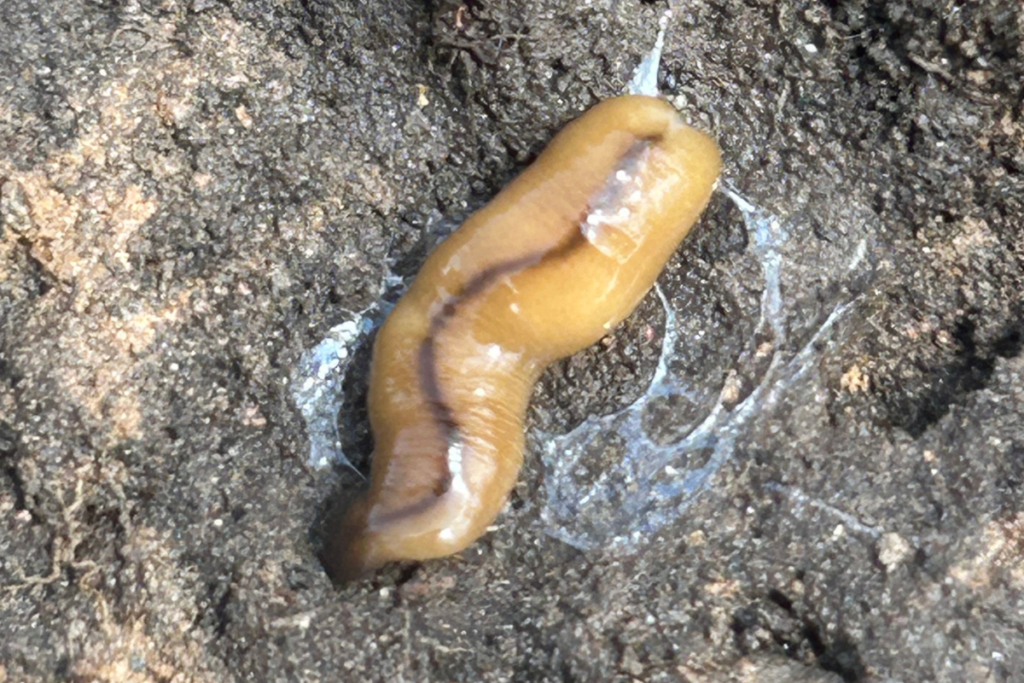
Quick Facts
Scientific Name: Geoplanidae (family level, exact species may vary)
Common Name: Land Planarian / Terrestrial Flatworm
Activity Type: Nocturnal / Moisture-dependent
Social Structure: Solitary
Territorial Behavior: Non-territorial
Movement Style: Smooth gliding using mucus secretion
Communication Method: None (chemical/environmental sensing only)
Defense Strategy: Mucus secretion, toxin production, regeneration
Location Observed: Pennsylvania
The land planarian, often referred to as a terrestrial flatworm, is a soft-bodied invertebrate known for its slow, fluid movement and quiet presence within damp environments. Unlike more familiar soil organisms, it moves with a smooth, almost effortless glide, making it appear more like a living ribbon than a typical worm.
These flatworms are found across many regions of the world, particularly in areas where moisture levels remain stable. Their behavior is closely tied to these conditions, shaping when and how they move, explore, and interact with their surroundings.
Observing a land planarian in motion reveals a creature that operates with precision and subtlety. It does not rush or react dramatically, but instead moves deliberately, guided by environmental cues that are invisible to the human eye. This understated behavior is key to its survival.
Land Planarian Behavior Overview and General Patterns
Land planarians exhibit a calm, energy-efficient approach to movement and activity. Their behavior is centered around conserving moisture and maintaining steady motion rather than bursts of speed or sudden actions. This creates a consistent, flowing pattern that defines how they navigate their environment.
Their activity levels are largely influenced by external conditions, especially humidity. When conditions are favorable, they become more active, gliding across surfaces in search of stimuli. During less favorable conditions, they remain inactive, minimizing exposure and conserving energy.
Adaptability is a defining trait of their behavior. While they require moisture, they can adjust their activity timing and positioning to remain within suitable conditions. This flexibility allows them to persist in a variety of environments without needing to migrate or drastically change location.
Overall, their behavior can be described as quiet and methodical. They do not display complex social interactions or aggressive tendencies, instead relying on subtle environmental awareness and controlled movement to navigate their world.
Detailed Land Planarian Behavior and Movement Patterns
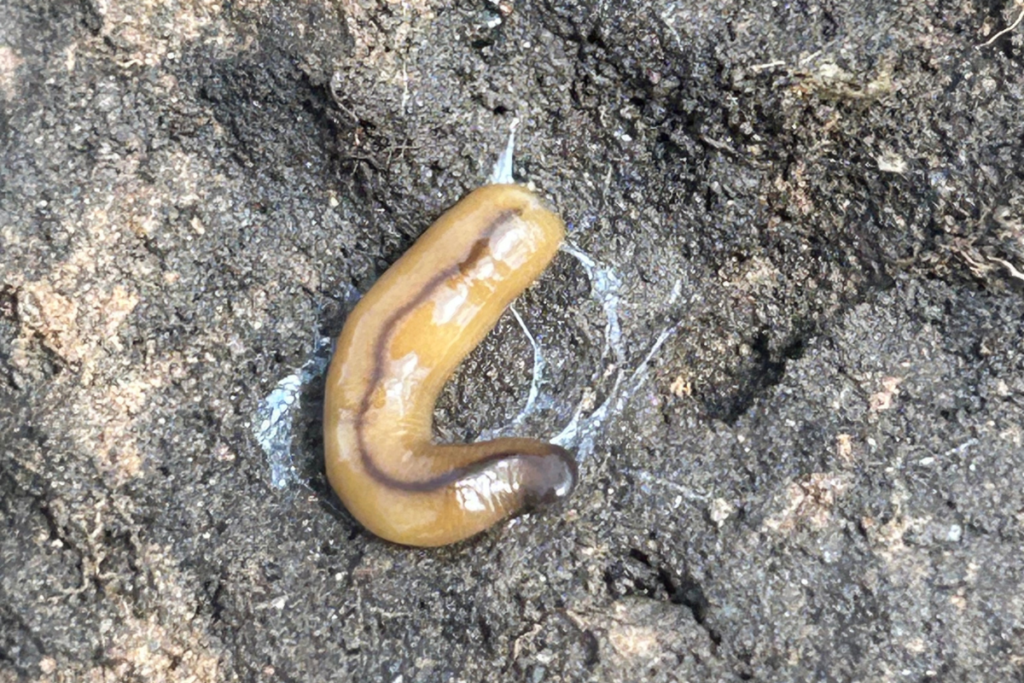
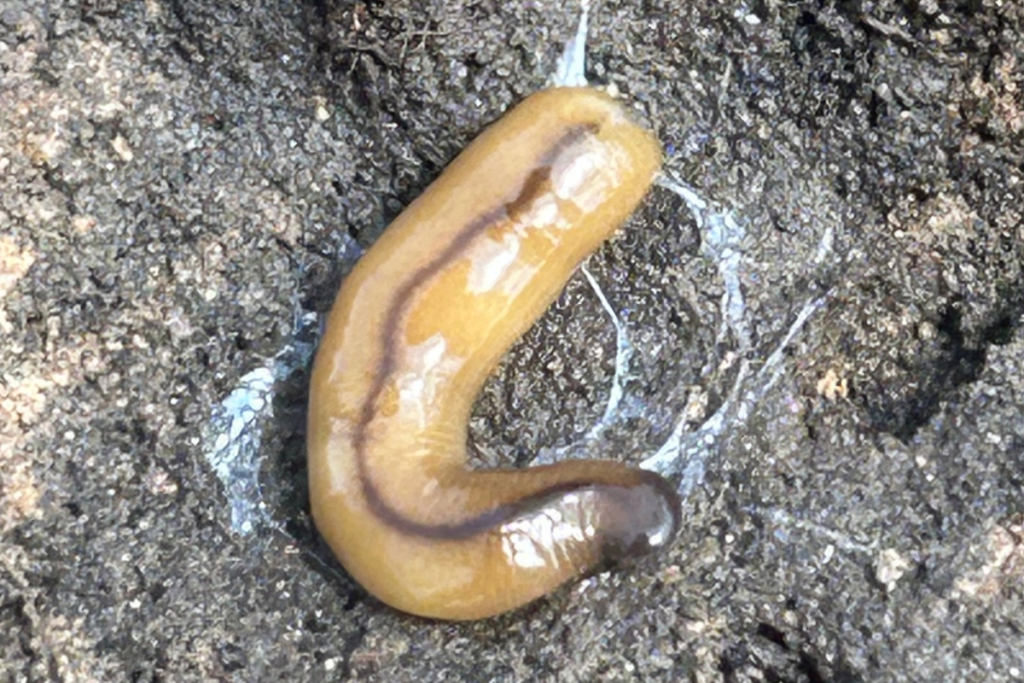
Movement in land planarians is driven by a combination of muscular contractions and a thin layer of mucus that reduces friction. This allows them to glide smoothly across surfaces, creating a continuous motion that appears almost effortless. Unlike segmented worms, they do not stretch and contract in visible segments, giving their movement a distinct, fluid quality.
They do not establish territories or defend specific areas. Instead, their movement is guided by environmental conditions and the presence of stimuli. If conditions change, they simply relocate rather than compete or defend space.
These organisms do not produce sounds or vocalizations. Instead, they rely on chemical and tactile sensing to interpret their surroundings. This allows them to respond to subtle changes in their environment without the need for direct interaction or communication.
Activity patterns are typically tied to low-light conditions. They are most active during nighttime or periods of high humidity, when the risk of drying out is reduced. During brighter or drier periods, they retreat and remain inactive until conditions improve.
Land Planarian Interaction and Survival Behavior
When faced with potential threats, land planarians rely on passive defense strategies rather than active confrontation. Their bodies produce a layer of mucus that can act as both a protective barrier and a deterrent. In some species, this mucus may contain toxins that discourage predators.
Their solitary nature means they do not form groups or social structures. Each individual operates independently, interacting with others only when necessary. This reduces competition and allows them to function without reliance on group behavior.
Feeding-related behavior is deliberate and controlled. They move slowly and precisely, responding to chemical signals in their environment. Once they detect a suitable target, their movements become more focused, reflecting a shift from general exploration to targeted action.
One of their most notable survival traits is their ability to regenerate. If injured or partially damaged, many land planarians can regrow missing sections of their body. This ability significantly increases their chances of survival, allowing them to recover from situations that would be fatal to many other organisms.