
Land Planarian (Terrestrial Flatworm) Habitat: Where Flatworms Live and Thrive
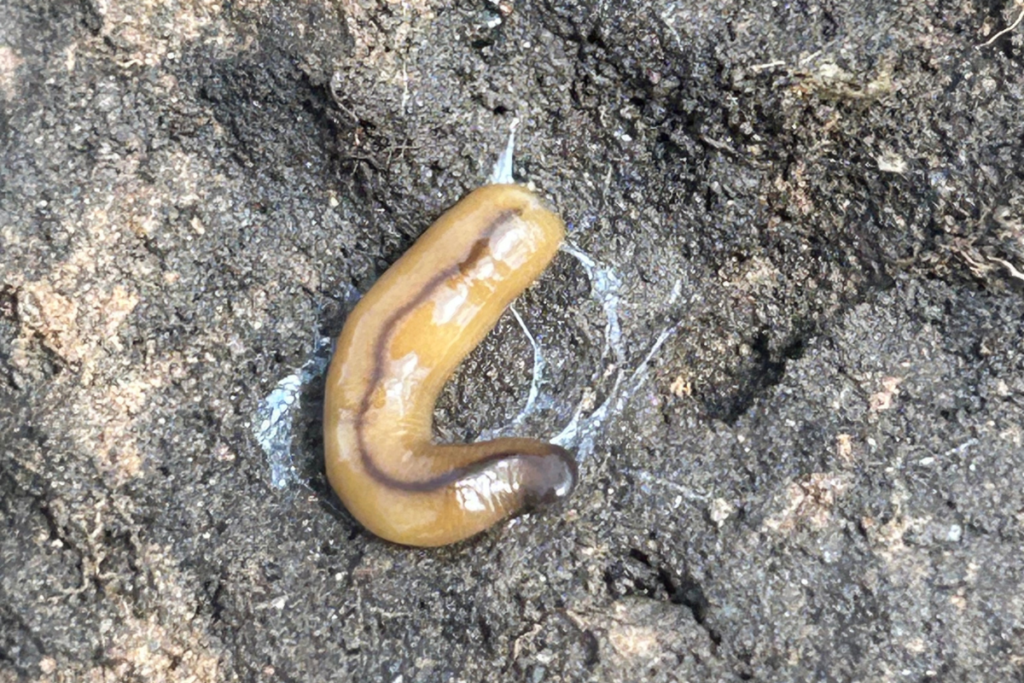
Quick Facts
Scientific Name: Geoplanidae (family level, exact species may vary)
Common Name: Land Planarian / Terrestrial Flatworm
Primary Habitat: Moist soil and leaf litter
Secondary Habitat: Under logs, stones, and organic debris
Climate Preference: Humid, temperate to tropical
Environment Type: Terrestrial (ground-level microhabitats)
Elevation / Depth Range: Surface to shallow soil layers
Geographic Distribution: Worldwide in suitable humid regions
Location Observed: Pennsylvania
The land planarian, also known as a terrestrial flatworm, is a soft-bodied invertebrate that depends heavily on moisture-rich environments to survive. Its flattened body and delicate surface structure require constant hydration, making its habitat one of the most defining aspects of its existence.
These flatworms are found across the globe, particularly in regions where humidity remains consistent throughout much of the year. From temperate forests to tropical landscapes, they occupy environments that provide protection from drying conditions and exposure.
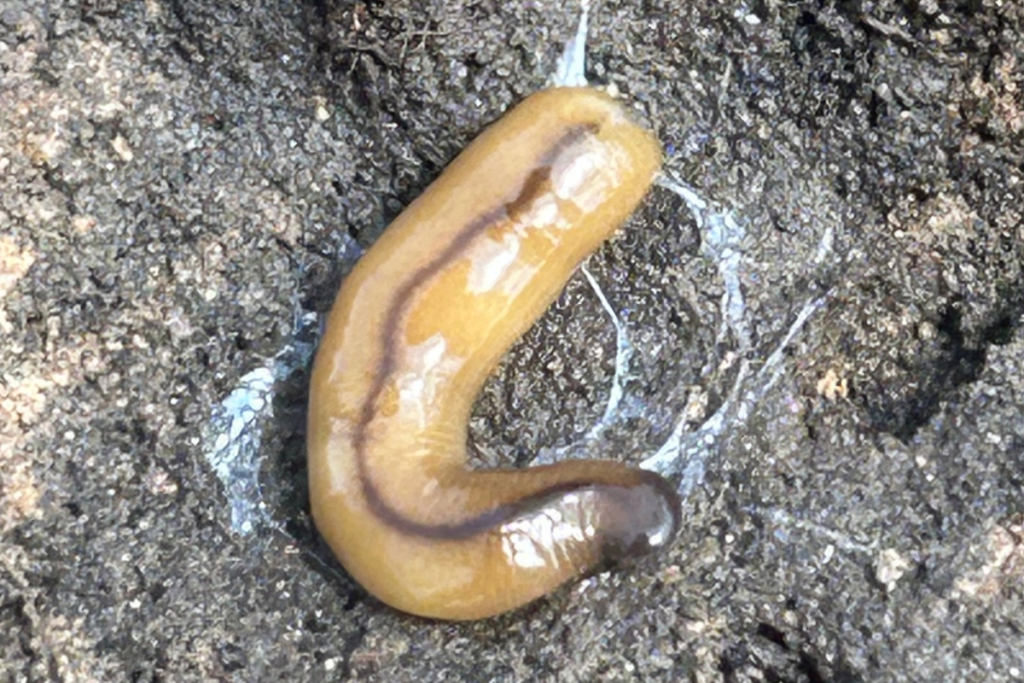
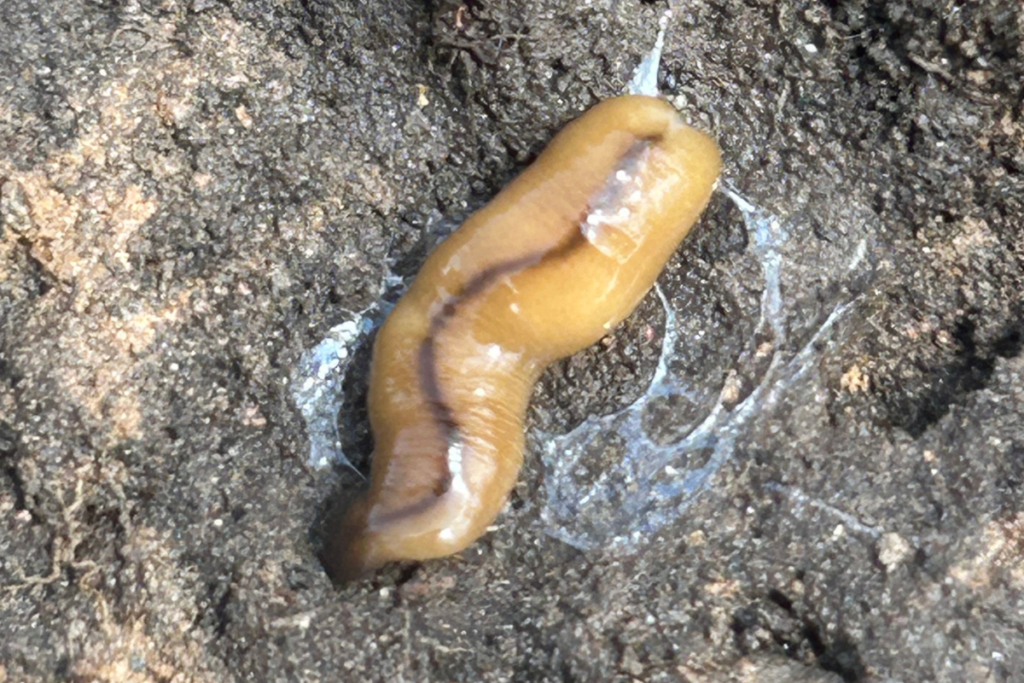
When encountered, a land planarian is often discovered beneath the surface of everyday surroundings—hidden within soil, tucked under debris, or gliding across damp ground. Its presence reveals a small but important layer of life that thrives just beneath our notice.
Land Planarian Habitat Overview and Environmental Range
Land planarians occupy a wide range of terrestrial environments, but all share a common requirement: consistent moisture. Their distribution spans multiple continents, reflecting their ability to adapt to different regions as long as environmental conditions remain favorable.
They are commonly associated with forested environments, where canopy cover helps retain ground moisture. However, their presence is not limited to natural landscapes. They can also be found in modified environments where soil and organic material are available.
Adaptability plays a key role in their global distribution. While they are sensitive to dry conditions, they can adjust their positioning within microhabitats to remain within suitable moisture levels. This allows them to persist even in areas where conditions fluctuate.
Overall, their habitat preference can be described as localized rather than expansive. Instead of occupying large open areas, they exist within small, protected zones that offer stability, hydration, and shelter from environmental extremes.
Land Planarian Habitat Types and Living Environments
Forested environments provide some of the most suitable habitats for land planarians. The combination of leaf litter, shaded ground, and decomposing organic material creates a stable and moisture-rich setting that supports their presence. These areas offer both protection and consistent environmental conditions.
They are also commonly found beneath natural cover such as logs, stones, and fallen branches. These objects trap moisture underneath and create a sheltered space where flatworms can remain concealed from external exposure. This type of microhabitat is essential for maintaining hydration.
In grasslands and open areas, land planarians are less frequently observed but may still exist in pockets where moisture accumulates. Areas with dense vegetation or thick ground cover can provide the necessary protection, even in environments that are otherwise more exposed.
Urban and suburban environments can also support these organisms under the right conditions. Gardens, landscaped areas, and locations with rich soil and organic debris can mimic natural habitats, allowing land planarians to persist in human-altered spaces.
Land Planarian Environmental Conditions and Habitat Factors
Moisture is the single most important environmental factor influencing land planarian habitat. Their bodies lack protective structures that prevent water loss, making them highly dependent on humid conditions. Without sufficient moisture, their survival becomes extremely limited.
Temperature also plays a role in determining suitable environments. Moderate to warm temperatures combined with humidity create optimal conditions. Extreme heat or prolonged cold can reduce their presence, especially when these factors affect moisture availability.
The structure and composition of the terrain further influence habitat suitability. Loose, organic-rich soils allow for easier movement and provide better moisture retention. Areas with decomposing plant material offer both structural support and environmental stability.
Vegetation contributes significantly to maintaining favorable conditions. Dense plant cover reduces direct sunlight exposure and helps regulate ground-level humidity. Seasonal changes can impact these conditions, but environments that retain moisture throughout these shifts remain the most supportive for land planarians.