
What Do Land Planarian (Terrestrial Flatworm) Eat? Diet, Feeding Habits, and Predatory Behavior
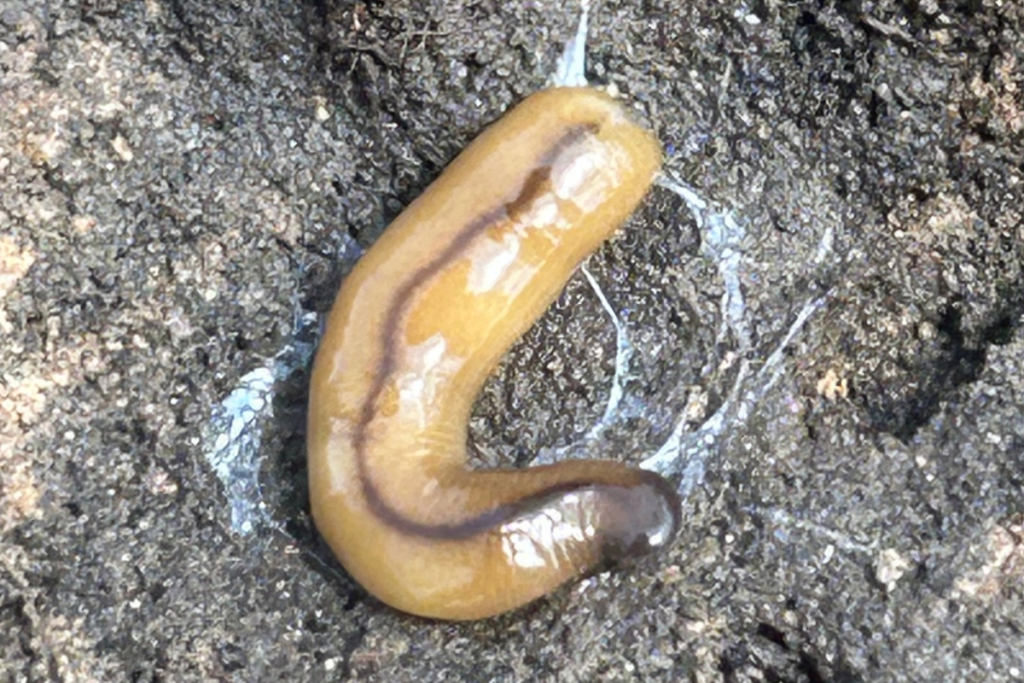
Quick Facts
Scientific Name: Geoplanidae (family level, exact species may vary)
Common Name: Land Planarian / Terrestrial Flatworm
Diet Type: Carnivore
Main Food Sources: Earthworms, insect larvae, small invertebrates
Feeding Time: Mostly nocturnal or moisture-dependent
Foraging Method: Chemical detection and slow tracking
Seasonal Diet Changes: Reduced feeding in dry or cold conditions
Predatory Adaptations: Extendable pharynx, digestive enzymes, mucus tracking
Location Observed: Pennsylvania
The land planarian, often referred to as a terrestrial flatworm, is a quiet yet highly effective predator that lives among soil and organic material. Its flattened body and smooth movement conceal a feeding strategy that is both precise and specialized, allowing it to hunt organisms beneath the surface.
This group of flatworms is found across many parts of the world, particularly in regions where moisture supports the presence of small invertebrates. Their diet is closely tied to these environments, where prey is readily available and accessible.
At first glance, the land planarian appears unassuming, but beneath that simple exterior lies a predator capable of locating and consuming soft-bodied organisms with surprising efficiency. Its feeding behavior plays a subtle yet important role in the balance of soil ecosystems.
Land Planarian Diet Overview and Feeding Type
Land planarians are strictly carnivorous, feeding on a variety of small, soft-bodied invertebrates. Unlike herbivores or omnivores, they rely entirely on other organisms for nutrition, positioning them as active participants in the food chain at the ground level.
Their feeding tendencies are highly specialized. Rather than consuming a wide variety of food types, they focus on prey that can be subdued and digested externally. This includes organisms that lack hard protective structures, making them easier to process.
Adaptability within their diet is limited but effective. While earthworms are among their most common targets, they can adjust to consume other invertebrates if necessary. This flexibility allows them to persist even when preferred prey is less abundant.
Overall, their dietary traits reflect efficiency and precision. They do not consume frequently, but when they do, the process is thorough, allowing them to extract maximum nutrients from each feeding event.
What Do Land Planarians Eat? Natural Diet and Food Sources
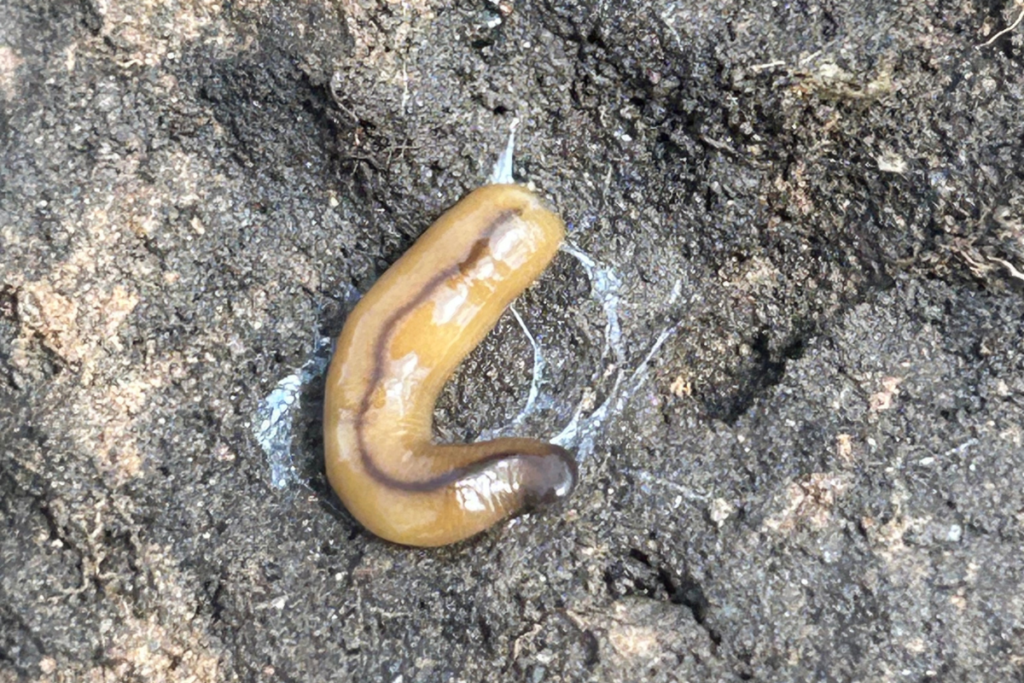
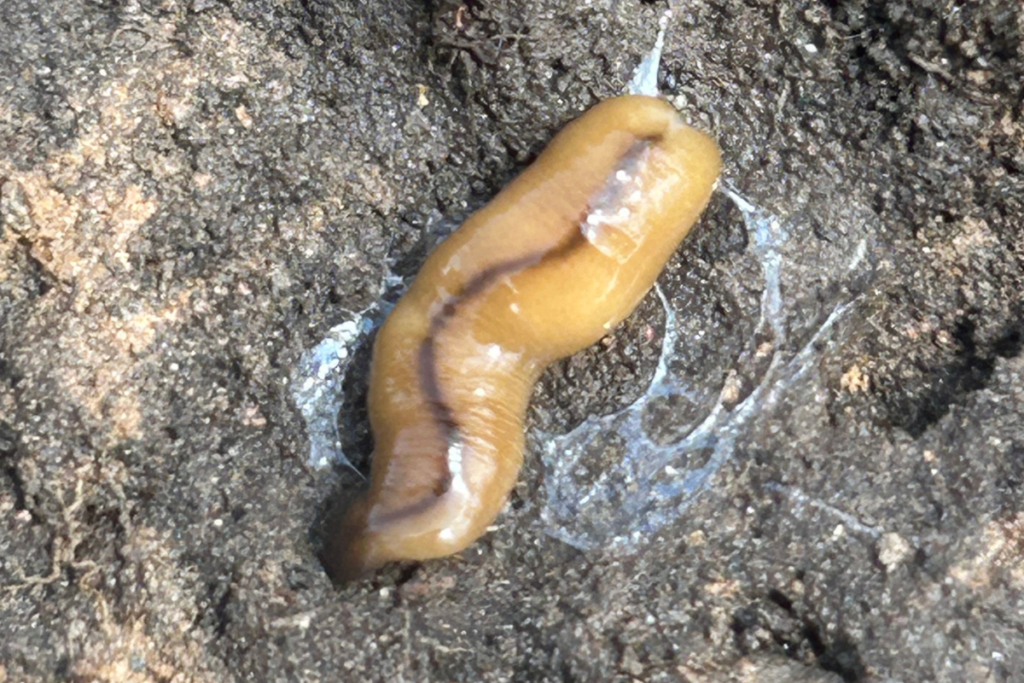
The primary food source for land planarians is earthworms. These soft-bodied organisms provide a rich and accessible source of nutrients, making them a central part of the flatworm’s diet. Their presence in soil environments aligns closely with where land planarians are most often found.
In addition to earthworms, land planarians may consume insect larvae, small slugs, and other invertebrates that inhabit the same layer of soil and organic material. These alternative food sources become more important when primary prey is less available.
Seasonal changes can influence feeding patterns. During periods of higher moisture, prey becomes more active and easier to locate, leading to increased feeding opportunities. In contrast, drier or colder conditions can reduce prey activity, resulting in less frequent feeding.
Food availability plays a direct role in shaping dietary behavior. When prey is abundant, land planarians can feed more consistently. When it is scarce, they rely on their ability to endure longer periods without food, maintaining energy until conditions improve.
Land Planarian Feeding Behavior and Survival Strategies
Land planarians locate their prey through chemical sensing rather than vision. They detect subtle traces left behind by potential food sources, allowing them to follow invisible trails across surfaces. This method of detection is slow but highly effective.
Once prey is located, the flatworm uses an extendable feeding structure known as a pharynx. This organ emerges from the underside of the body and releases digestive enzymes onto the prey. The process begins externally, breaking down tissues before ingestion.
Their feeding strategy is deliberate rather than aggressive. They do not chase or overpower prey through speed, but instead rely on proximity, chemical detection, and controlled movement. This approach reduces energy expenditure while maintaining success.
In terms of survival, land planarians are well-adapted to periods of limited food. Their ability to consume large portions relative to their size and endure gaps between meals allows them to persist in fluctuating conditions. Combined with their regenerative capabilities, this makes them highly resilient within their ecological niche.