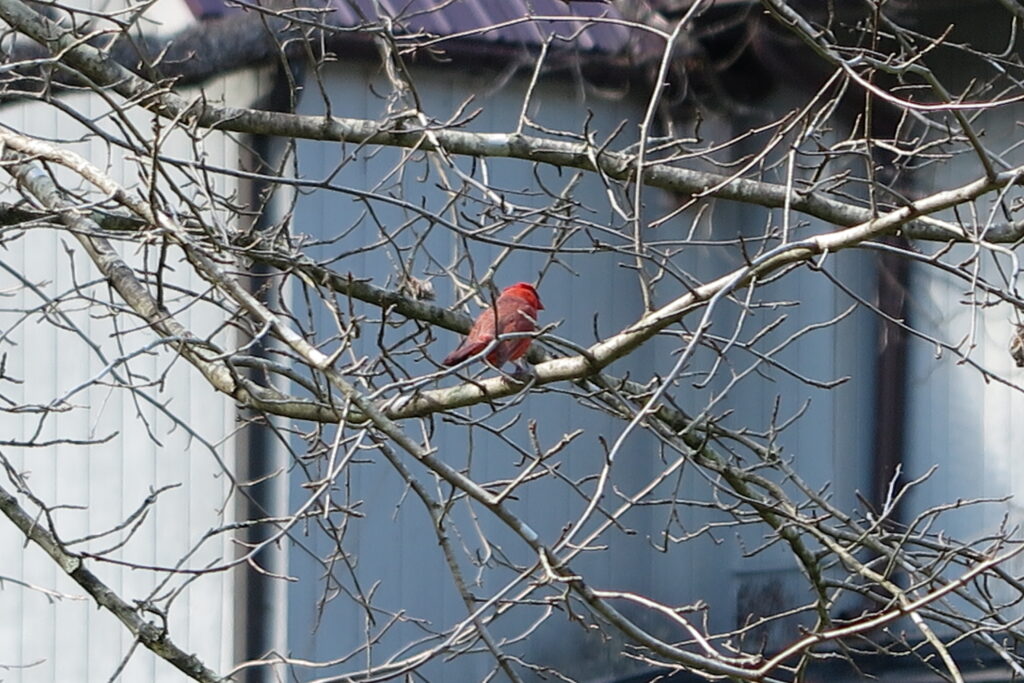
Northern Cardinal Habitat in Pennsylvania: Where Cardinals Live and Thrive
Quick Facts
Scientific Name: Cardinalis cardinalis
Common Name: Northern Cardinal
Location: Eastern and Central United States, including all of Pennsylvania
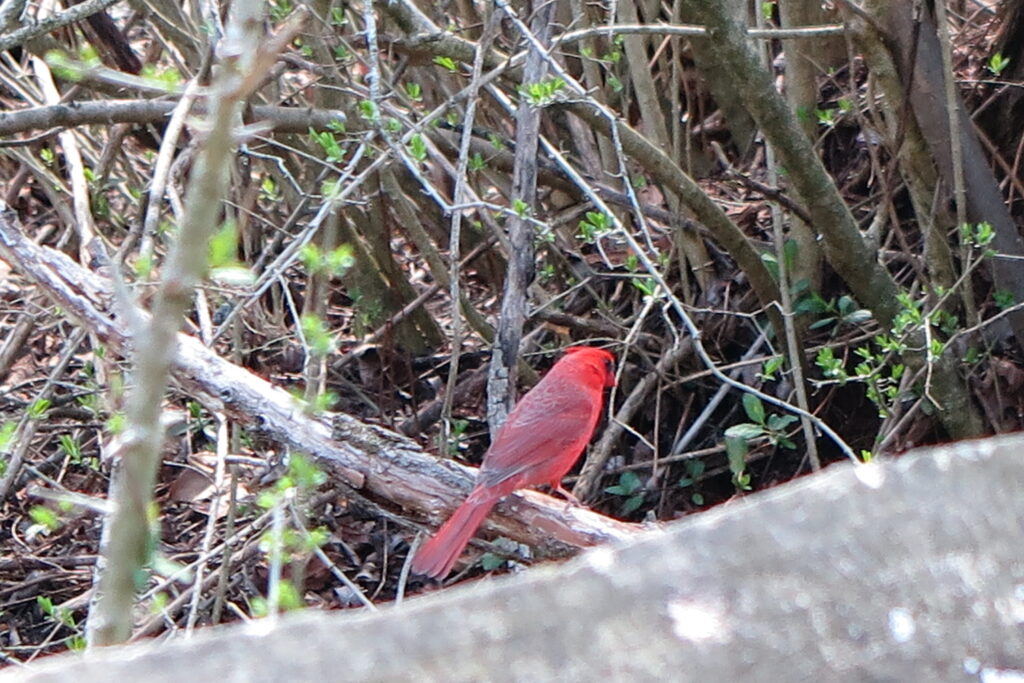
Primary Habitat: Woodland edges, dense shrubs, suburban backyards, and forest margins
Secondary Habitat: Parks, gardens, hedgerows, and brushy fields
Range in Pennsylvania: Statewide (year-round resident across all regions)
Climate Preference: Temperate climates with moderate seasonal variation; well-adapted to cold winters
Elevation/Environment Type: Lowland forests, suburban environments, and mixed woodland areas (generally low to moderate elevations)
The Northern Cardinal (Cardinalis cardinalis) is one of the most recognizable and widespread songbirds found across Pennsylvania. Known for its bright red plumage and distinctive crest, this species is a year-round resident that thrives in a variety of environments throughout the state.
Across Pennsylvania, Northern Cardinals can be found from rural woodlands to suburban neighborhoods, making them one of the most commonly observed birds in both natural and human-altered landscapes. Their ability to live close to people while still occupying wild habitats makes them especially unique among native bird species.
From dense forest edges to backyard feeders surrounded by shrubs, the Northern Cardinal’s presence is closely tied to environments that provide shelter and vegetation. These landscapes create the perfect setting for this species to remain active and visible throughout all seasons in Pennsylvania.
Northern Cardinal Habitat Overview in Pennsylvania: Range and Environment
The Northern Cardinal occupies a wide range of habitats throughout Pennsylvania, with populations distributed across the entire state. From the Appalachian Mountains to lowland valleys and suburban regions, this species demonstrates a strong presence in nearly every geographic area.
In general, Northern Cardinals prefer environments that offer a combination of open space and dense vegetation. Woodland edges, brushy areas, and transitional zones between forests and fields are especially common habitats. These areas provide both exposure and cover, creating a balanced environment.
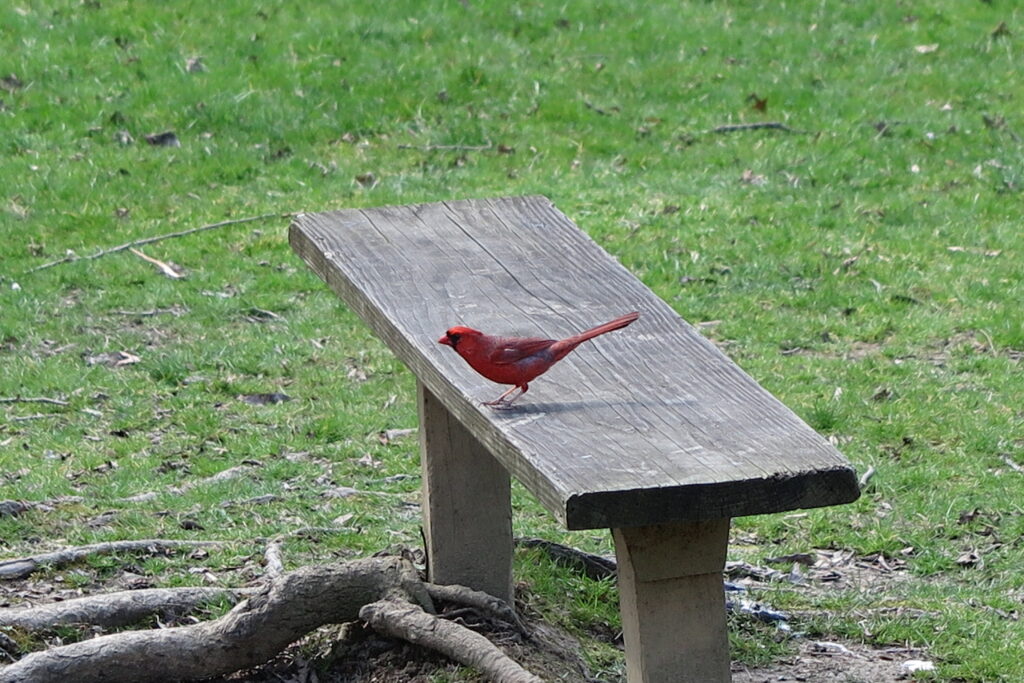
Within Pennsylvania, cardinals are not limited to untouched natural landscapes. They are frequently found in developed areas such as neighborhoods, parks, and farmland edges. This broad distribution highlights their ability to occupy diverse environmental settings without being restricted to one specific habitat type.
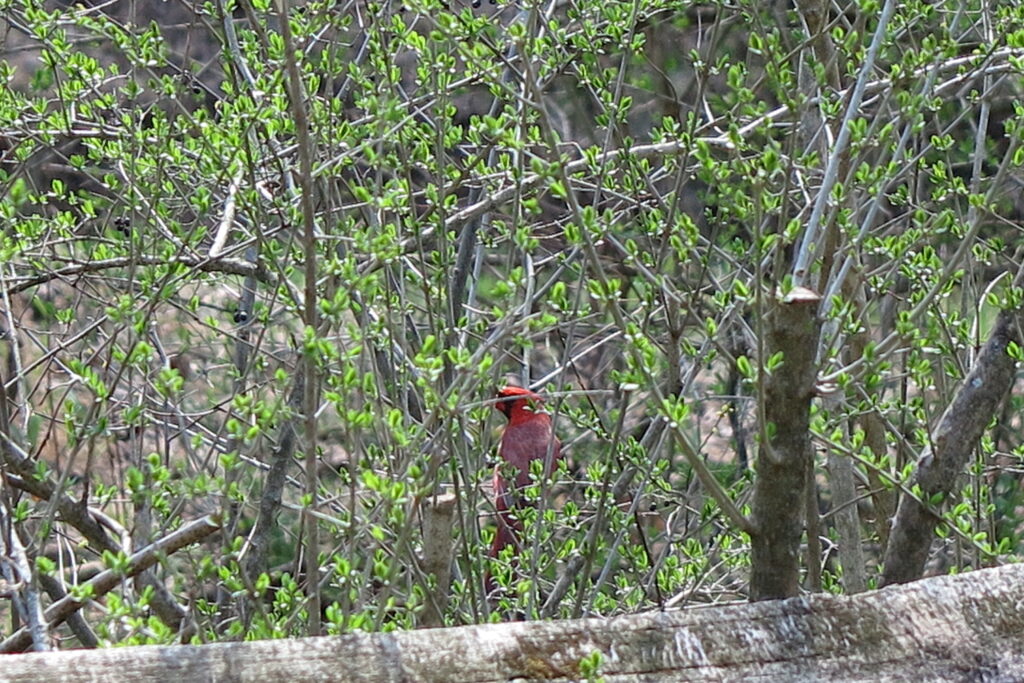
Overall, the Northern Cardinal shows a strong preference for environments that include thick shrubs, small trees, and layered vegetation. These habitat features are consistently present across their range in Pennsylvania and form the foundation of where they are most commonly found.
Northern Cardinal Habitat in Pennsylvania: Forests, Fields, and Suburban Areas
Northern Cardinals are most commonly associated with forest edges and mixed woodlands, where dense undergrowth meets more open areas. These edge habitats provide a blend of shelter and space, making them one of the most important environments for this species.
In addition to forests, cardinals also occupy brushy fields and overgrown areas, especially where shrubs and low vegetation are abundant. These environments often occur in abandoned farmland, field margins, and transitional landscapes where natural growth is allowed to flourish.
Suburban and residential environments play a major role in the Northern Cardinal’s habitat in Pennsylvania. Backyards with hedges, ornamental shrubs, and scattered trees closely resemble natural edge habitats, allowing cardinals to thrive in close proximity to human activity.
Parks, gardens, and landscaped areas further expand available habitat by providing vegetation similar to natural environments. These spaces create a network of suitable habitats across both rural and urban areas, supporting the species throughout the state.
Northern Cardinal Environmental Conditions in Pennsylvania: Climate, Terrain, and Vegetation
The Northern Cardinal thrives in Pennsylvania’s temperate climate, which includes warm summers and cold winters. This seasonal variation supports a wide range of vegetation types that form the foundation of the cardinal’s habitat.
Throughout the year, changing seasons influence the structure of the environment. Spring and summer bring dense foliage and plant growth, while fall and winter expose more open landscapes with remaining shrubs and evergreen vegetation still providing structure.
Terrain across Pennsylvania varies from rolling hills to mountainous regions, yet Northern Cardinals are most commonly found in lowland and mid-elevation environments where vegetation is more accessible and consistent. These areas offer a stable mix of plant life and cover.
Vegetation plays a central role in defining suitable habitat, with dense shrubs, thickets, and small trees being especially important. These plant structures create layered environments that remain consistent across seasons, allowing Northern Cardinals to occupy a wide range of habitats throughout Pennsylvania.