Northern Cardinal Nest Guide – Location, Materials, and Identification Explained
Quick Facts
Scientific Name: Cardinalis cardinalis
Common Name: Northern Cardinal
Nest Type: Open cup nest
Nest Location: Dense shrubs, low trees, and thick vegetation
Average Nest Height: 3–10 feet above ground
Clutch Size: 2–5 eggs per nest
Breeding Season: Spring through mid-summer
Notable Feature: Carefully woven nests hidden in dense cover
Northern Cardinal Nest Introduction and Identification Overview
The Northern Cardinal (Cardinalis cardinalis) is a widely recognized bird across North America, and its nesting habits are a key part of its life cycle. During the breeding season, these birds construct carefully built nests that are often hidden within dense vegetation. While the adult birds are easy to spot, their nests are much more subtle and require closer observation to locate.
Across its range, the Northern Cardinal selects nesting sites that provide both structure and concealment. These nests are typically positioned in areas where branches, leaves, and surrounding growth create natural cover. This makes them difficult to detect unless you know what to look for.
To an observer, a cardinal nest may appear as a small, loosely shaped cup tucked into a shrub or tree. It does not resemble enclosed nests or cavities but instead remains open at the top. This open structure allows for easy identification once located, though its placement often keeps it hidden from view.
Understanding how to identify a Northern Cardinal nest begins with recognizing its overall form and placement. With careful observation, these nests can be distinguished from those of other birds by their size, shape, and location within dense plant growth.
Northern Cardinal Nest Structure and Overall Design
The nest of a Northern Cardinal is built in the form of an open cup, which is one of its most defining characteristics. This structure is created using a combination of natural materials that are woven together to form a stable base. The result is a compact but functional design that supports eggs and young birds.
From a distance, the nest may look somewhat rough or loosely assembled. However, closer inspection reveals a more organized structure, with layers of materials forming both the outer and inner portions. The interior is often smoother and more refined compared to the exterior.
In terms of size, the nest is typically small, roughly comparable to the width of a standard coffee mug. This compact form allows it to fit securely within branches or dense shrubs without being overly exposed. Its size also helps it blend into surrounding vegetation.
The overall appearance of the nest can vary slightly depending on available materials, but the general shape remains consistent. This recognizable structure makes it possible to identify even when the specific materials differ between locations.
Northern Cardinal Nest Materials and Construction Details
Northern Cardinals use a variety of natural materials when building their nests, selecting items that are readily available in their environment. Common materials include twigs, grasses, leaves, and small pieces of bark. These are combined to create a sturdy outer layer that forms the base of the nest.
The inner portion of the nest is often lined with softer materials. These may include finer grasses or other flexible plant fibers that create a smoother surface. This lining helps provide a stable and supportive area for eggs once they are laid.
The construction process results in a layered structure, where coarser materials are used for support and finer materials are used for comfort. This combination gives the nest both strength and functionality. It is not a rigid structure, but it maintains its shape effectively.
Because the materials are natural and locally sourced, nests can vary slightly in color and texture. Some may appear more brown or gray depending on the surrounding environment. Despite these differences, the overall construction style remains consistent across the species.
Northern Cardinal Nest Location and Placement in the Wild
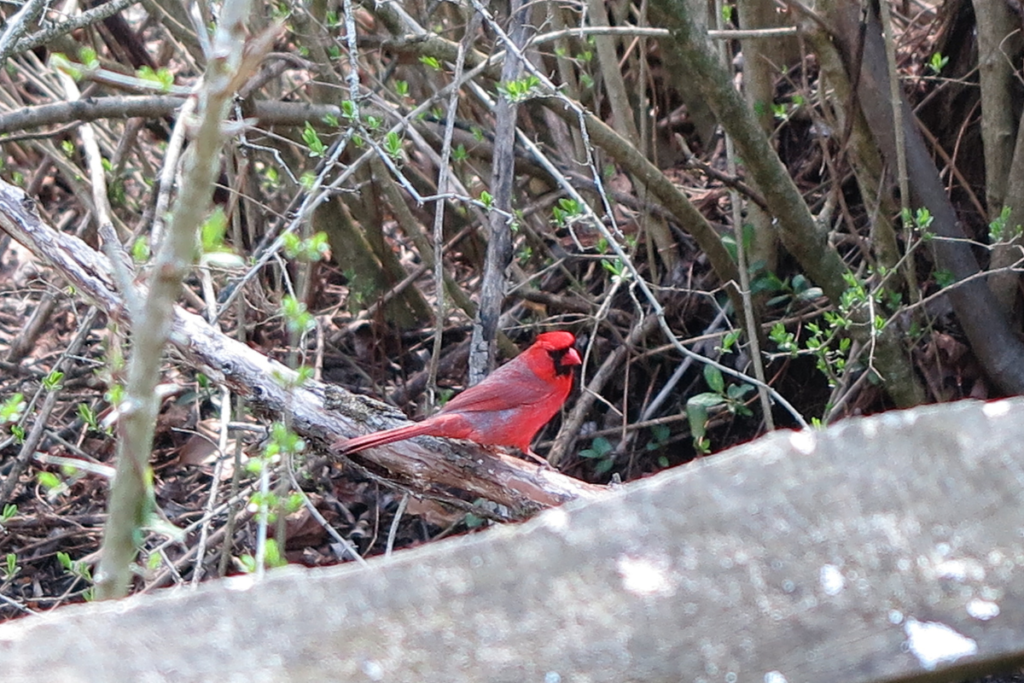
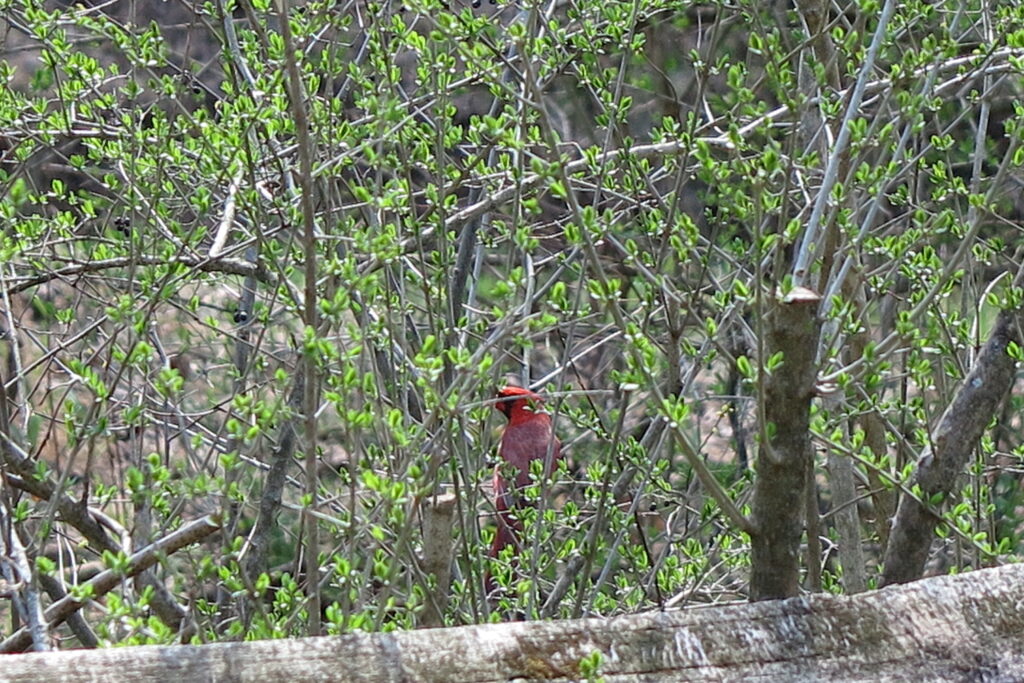
Northern Cardinal nests are typically located in dense vegetation that provides natural cover. Shrubs, small trees, and thick bushes are among the most common locations. These areas offer both structural support and concealment from potential threats.
The height of the nest is usually relatively low compared to some other bird species. Most are found between 3 and 10 feet above the ground, making them accessible but still protected. This positioning allows the birds to move easily between the nest and surrounding areas.
Placement often occurs near the edges of wooded areas or within spaces where vegetation is thick but not overly tall. These locations provide a balance between accessibility and protection. The nest is rarely placed in completely open areas without cover.
Because of their careful placement, these nests can be difficult to spot even when nearby. Leaves and branches often obscure the structure, blending it into the surrounding environment. This natural concealment is one of the reasons Northern Cardinal nests remain hidden despite being relatively common.