
Spring Field Cricket Overview: Appearance, Range, and Ecological Importance
Quick Facts
Scientific Name: Gryllus veletis
Common Name: Spring Field Cricket
Location: Fields, meadows, gardens, woodland edges, and grassy landscapes
Average Size: 0.6–1 inch (15–25 mm)
Lifespan: Approximately 1 year
Global Range: Eastern and central North America
Conservation Status: Not Evaluated (IUCN)
Notable Feature: Early seasonal emergence and dark, robust appearance
Location Observed: Pennsylvania, USA
Field Observation
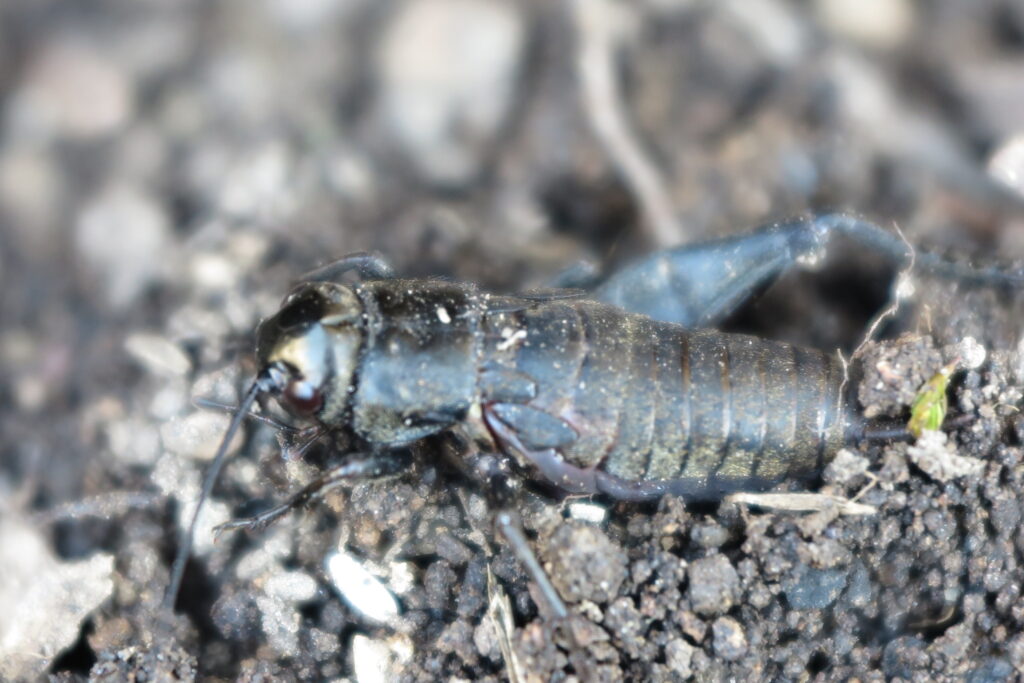
During this observation, the Spring Field Cricket was discovered resting motionless beneath a rock. It remained still while sheltered from direct sunlight, using the cover as a protected resting spot.
Spring Field Cricket Introduction and Species Background
The Spring Field Cricket is one of the earliest field crickets to become active across much of eastern North America. Named for its seasonal appearance, this insect often emerges well before many related cricket species become common. Its presence marks the transition from colder months into the active growing season, making it a familiar sight in many natural and semi-natural landscapes.
This species belongs to the cricket family Gryllidae, a group of insects known throughout the world for their distinctive appearance and widespread distribution. Although many people recognize crickets in general, fewer are familiar with the individual species that inhabit their local environments. The Spring Field Cricket is one such example, occurring across a broad geographic range while often remaining unnoticed by casual observers.
Populations are found throughout portions of the United States and southern Canada, particularly in regions that experience distinct seasonal changes. The species has adapted to a variety of climates across this range, allowing it to occupy landscapes that differ greatly in temperature, precipitation, and vegetation. Despite these regional differences, the cricket maintains a recognizable appearance wherever it occurs.
Unlike brightly colored butterflies or large beetles that immediately attract attention, the Spring Field Cricket tends to blend into its surroundings. Many observations occur accidentally when an individual crosses a trail, rests among low vegetation, or appears on exposed soil. Naturalists and photographers who take the time to observe ground-level wildlife often discover that this seemingly ordinary insect possesses a surprising amount of detail and ecological significance.
Spring Field Cricket Appearance and Overall Structure
The Spring Field Cricket has a sturdy, compact body that immediately distinguishes it from many other insects found in grassy environments. Adults typically measure between 15 and 25 millimeters in length, placing them among the larger cricket species encountered in much of their range. When viewed up close, the body appears solid and well-built, giving the insect a durable and somewhat armored look.
Most individuals display dark coloration ranging from deep black to charcoal gray. Depending on lighting conditions, subtle bronze, brown, or metallic highlights may be visible across portions of the body. Sunlight often reveals fine surface textures that remain hidden during casual observation, creating a more complex appearance than many people expect.
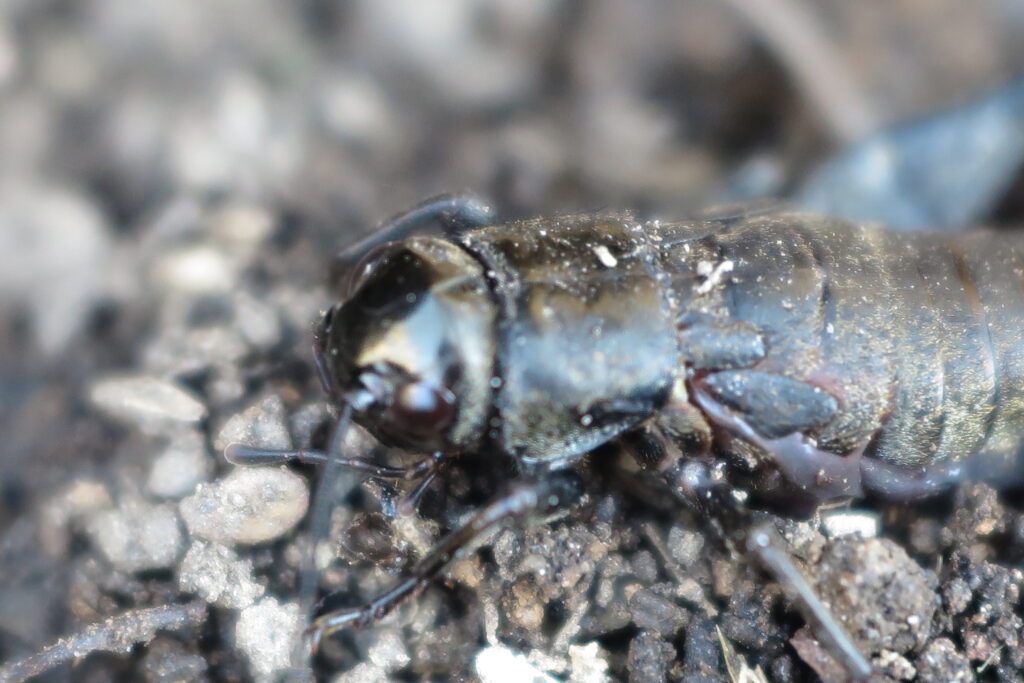
The head is broad and rounded, with large compound eyes positioned on either side. Long, threadlike antennae extend forward and frequently exceed the length of the body itself. These antennae contribute significantly to the insect’s recognizable profile and create a striking contrast against its darker coloration.
Behind the head sits a smooth shield-like structure known as the pronotum. This feature gives the front portion of the body a protected appearance and contributes to the cricket’s distinctive shape. The abdomen extends behind the thorax in a series of visible segments that create a layered pattern reminiscent of overlapping plates.
In the wild, Spring Field Crickets often appear larger than their actual measurements suggest. Their dark coloration, robust frame, and strong legs create a visual impression of size that exceeds their true dimensions. Compared to many similarly sized insects, they possess a heavier and more substantial appearance, making them relatively easy to recognize when viewed clearly.
Key Characteristics That Define the Spring Field Cricket
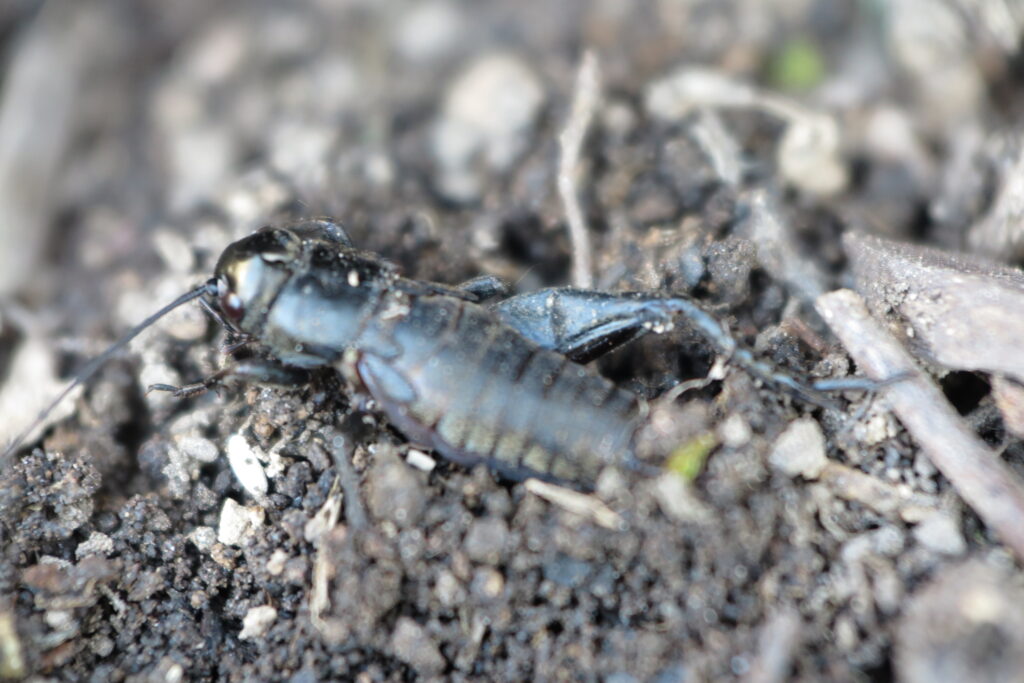
Several physical traits help make the Spring Field Cricket a distinctive member of North America’s insect fauna. One of the most noticeable is its overall body shape. Rather than appearing narrow or delicate, the species displays a compact form with a broad thorax and thick abdomen, giving it a balanced and powerful appearance.
The insect’s coloration is another defining feature. While some cricket species exhibit lighter brown tones or contrasting markings, Spring Field Crickets are often dominated by darker shades. This darker appearance contributes to their characteristic look and frequently separates them from other insects occupying similar environments.
The hind legs are particularly well-developed and form one of the most recognizable components of the body. Their enlarged structure creates a noticeable contrast with the front and middle legs. Even when the insect remains motionless, these powerful limbs stand out as a major identifying feature and contribute to the cricket’s distinctive silhouette.
Another characteristic is the arrangement of the body segments. The abdomen appears clearly divided into multiple sections, each outlined by subtle grooves and texture changes. Viewed under magnification, these segments reveal a surprising amount of detail and structural complexity. The result is an insect that appears far more intricate than its small size might suggest.
When compared to grasshoppers, camel crickets, or katydids, the Spring Field Cricket possesses a unique combination of traits rather than relying on a single identifying feature. Its dark coloration, compact build, broad head, prominent antennae, and sturdy overall structure work together to create an appearance that is both distinctive and memorable. These combined characteristics make the species one of the more recognizable field crickets across its range.
Spring Field Cricket Role Within Natural Ecosystems
Although small in size, the Spring Field Cricket serves as an important component of many terrestrial ecosystems. Insects collectively form the foundation of countless ecological processes, and this species contributes to those systems in ways that often go unnoticed. Its widespread distribution allows it to participate in ecological communities across a large portion of North America.
The species occupies an important position within local food webs. Numerous birds, reptiles, amphibians, mammals, and predatory invertebrates encounter field crickets as part of their environment. By serving as a link between lower and higher levels of the food web, Spring Field Crickets help move energy through ecosystems and support a wide variety of wildlife.
Beyond their role in food webs, these insects contribute to overall biodiversity. Healthy ecosystems depend on a broad range of species performing different functions, and insects represent one of the largest portions of that diversity. The presence of Spring Field Crickets adds to the richness and complexity of the communities in which they occur.
Researchers and naturalists also recognize insects as useful indicators of environmental conditions. Changes in abundance can reflect shifts in habitat quality, weather patterns, land use practices, or broader ecological changes. Because of their sensitivity to environmental conditions, insects such as the Spring Field Cricket can provide valuable insight into the health of local ecosystems.
The ecological value of this species extends far beyond what its size might suggest. While larger animals often receive most conservation attention, ecosystems rely heavily on common organisms that quietly support natural processes. The Spring Field Cricket represents one of those essential species, helping maintain ecological balance while contributing to the biodiversity that keeps natural systems functioning effectively.
Observation Location
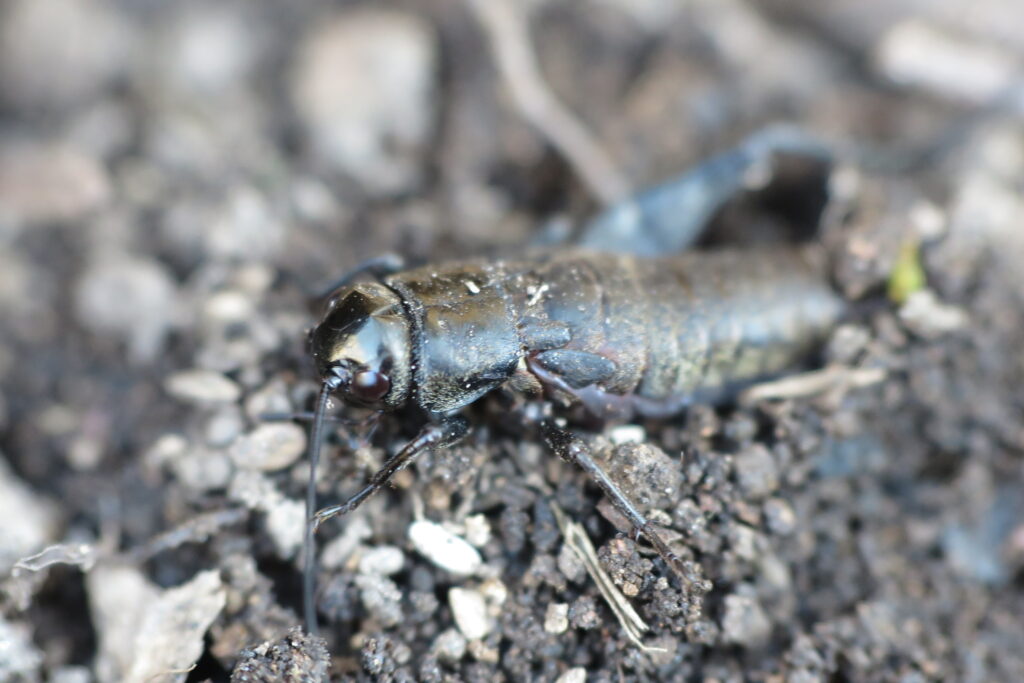
Observed in York, Pennsylvania, USA
Popular Searches About Spring Field Crickets
Explore Spring Field Cricket Guide
Explore More Wildlife

Support Encounters World
Help support wildlife photography and get behind the scenes discoveries on Patreon.