
Spring Field Cricket Habitat: Where Spring Field Crickets Live Across North America
Quick Facts
Primary Habitat: Grasslands, meadows, and field edges
Secondary Habitat: Woodland margins, gardens, and disturbed landscapes
Climate Preference: Temperate climates with distinct seasons
Environment Type: Terrestrial
Elevation / Depth Range: Sea level to approximately 6,500 feet (2,000 m)
Geographic Distribution: Eastern and central North America
Spring Field Cricket Habitat Introduction and Geographic Presence
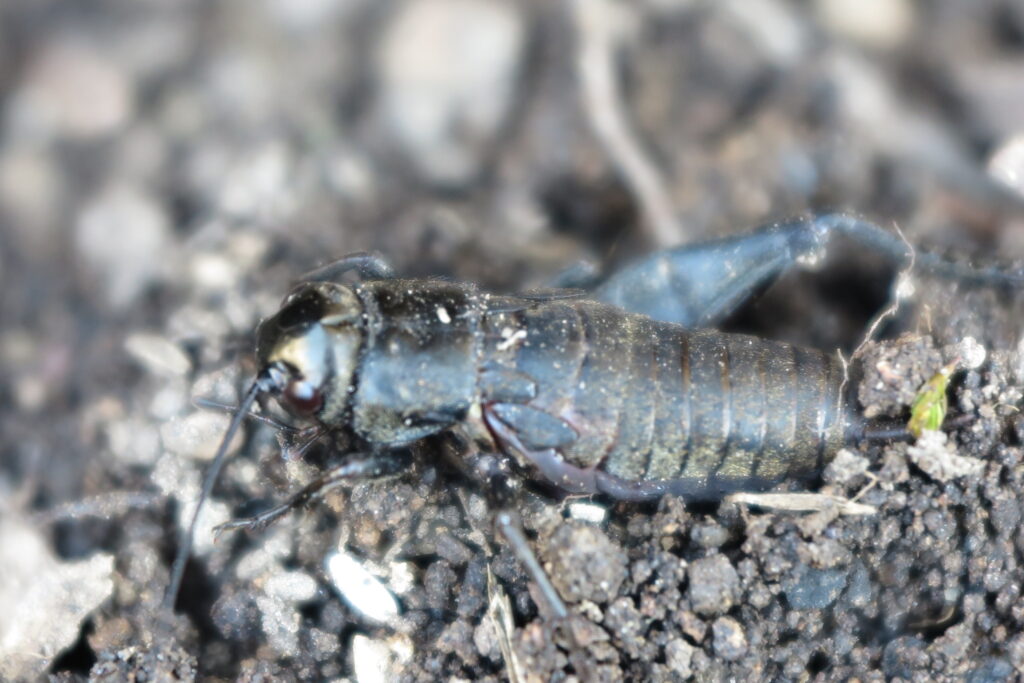
The Spring Field Cricket (Gryllus veletis) is a widespread North American insect that occupies a broad portion of the continent. Its range extends across much of the eastern and central United States and reaches into parts of southern Canada. Throughout these regions, it forms part of the diverse community of insects that emerge during the warmer months of the year.
Naturalists often encounter this species in landscapes that blend vegetation, open ground, and seasonal growth. Although many people hear crickets more often than they see them, the Spring Field Cricket remains a familiar component of countless outdoor environments. Its presence reflects the health and diversity of many terrestrial ecosystems throughout its range.
The species is not restricted to a single geographic region or narrowly defined landscape. Instead, it appears across agricultural areas, undeveloped natural spaces, suburban greenspaces, and transitional environments where different landscape types meet. This broad distribution has allowed it to remain a common insect throughout much of its native range.
From rolling countryside to wooded regions and open vegetation zones, the Spring Field Cricket occupies environments shaped by seasonal change. As winter conditions fade and spring progresses, suitable landscapes begin supporting increasing insect activity. Within these settings, the species becomes part of a larger ecological community that includes plants, birds, mammals, reptiles, and countless other invertebrates.
Spring Field Cricket Habitat Range and Landscape Overview
Across North America, the Spring Field Cricket demonstrates considerable flexibility in where it can establish populations. It is neither confined to a highly specialized ecosystem nor dependent upon a single landscape feature. This adaptability allows it to occur across a wide variety of natural and human-influenced environments.
Many cricket species show stronger associations with particular regions or environmental conditions. The Spring Field Cricket, however, occupies a broader range of landscapes than several closely related species. Its ability to persist in both relatively natural and moderately altered settings contributes to its widespread distribution throughout much of its range.
The species is commonly associated with environments containing a mixture of vegetation and open space. Areas dominated entirely by dense forest or extensive urban development tend to support fewer observations than landscapes containing a balance of cover and openness. This preference places the species within many of the transitional zones that characterize eastern North America.
Geographic distribution remains extensive throughout regions experiencing seasonal temperature changes. Populations occur across lowland areas, gently rolling terrain, agricultural regions, and numerous mixed-use landscapes. Rather than being concentrated within isolated pockets, the species appears across a connected network of suitable environments spread throughout much of the continent.
Viewed on a continental scale, the Spring Field Cricket occupies a broader environmental range than many insects with highly specialized habitat requirements. Some insects depend upon a single host plant, a particular wetland type, or a narrow climatic zone. By comparison, this species demonstrates greater flexibility, allowing it to maintain populations across a larger geographic area and within a wider variety of landscape categories.
Spring Field Cricket Habitat Types and Preferred Environments
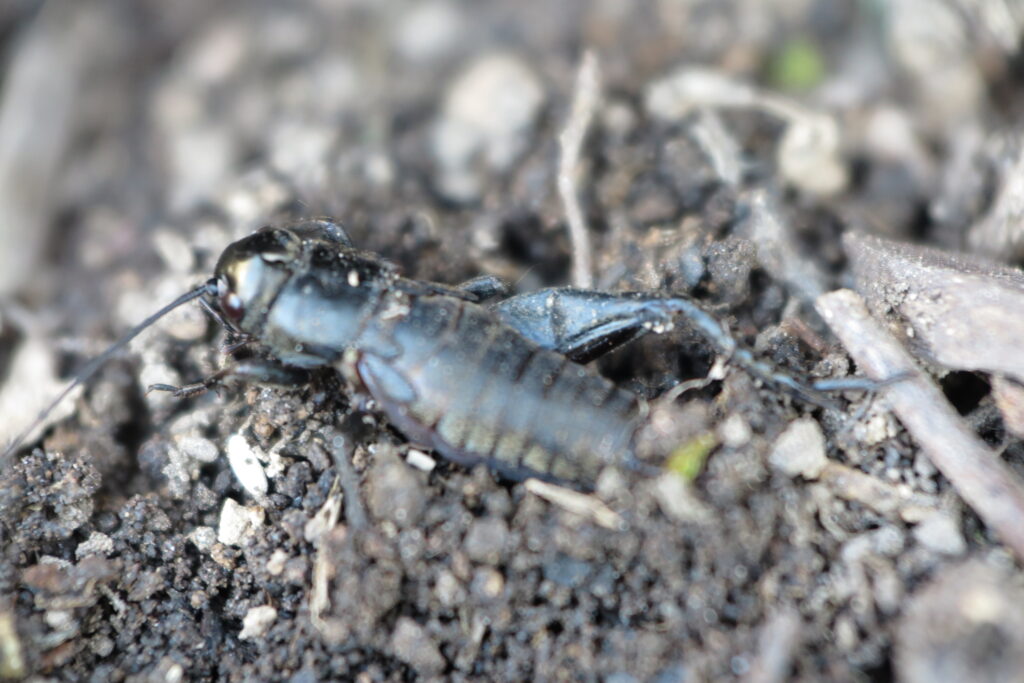
Grasslands represent one of the most recognizable habitat types used by the Spring Field Cricket. Native prairies, old fields, hay meadows, and unmanaged grassy areas frequently support populations of this species. These environments provide a combination of vegetation, ground cover, and open spaces that contribute to suitable living conditions.
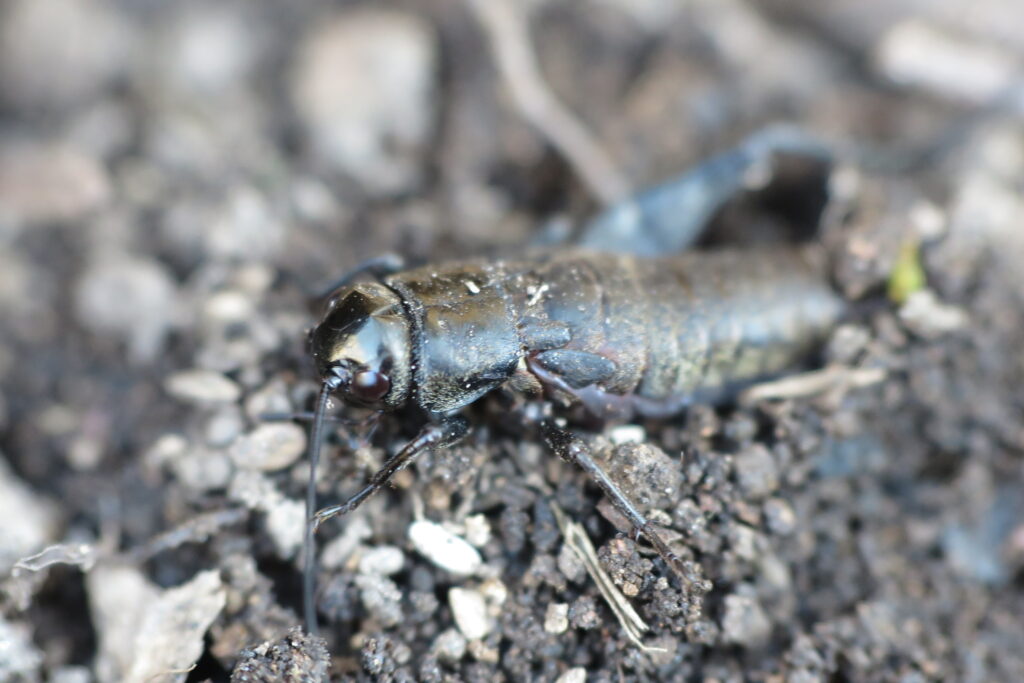
Woodland edges also serve as important habitat. Rather than occupying the deepest portions of heavily shaded forests, Spring Field Crickets are often associated with transition zones where trees meet more open landscapes. These edge environments create a blend of cover, sunlight, and plant diversity that supports a wide range of insect life.
Human-altered environments can also provide suitable habitat. Gardens, parks, utility corridors, vacant lots, and lightly managed green spaces frequently contain conditions that allow the species to persist. Although these areas differ substantially from natural ecosystems, they often contain enough vegetation structure and ground-level shelter to support local populations.
Agricultural landscapes may host Spring Field Crickets as well, particularly in areas where strips of vegetation remain between cultivated fields. Fence rows, grassy margins, drainage corridors, and unmanaged field boundaries can function as habitat within otherwise modified environments. These locations often serve as connections between larger habitat patches.
Habitat use can vary even within a single landscape. In a meadow, for example, individuals may occur more frequently near vegetation edges than within completely open interiors. Similarly, woodland margins often support greater activity than heavily shaded forest cores. These subtle differences illustrate how habitat selection operates at both broad and fine scales across the species’ range.
Spring Field Cricket Environmental Conditions and Seasonal Requirements
The Spring Field Cricket is associated with temperate climates characterized by seasonal variation. Regions supporting this species typically experience warm summers, cooler winters, and changing environmental conditions throughout the year. These seasonal cycles influence the landscapes where populations can successfully persist.
Moderate moisture levels are another important environmental factor. Extremely dry regions generally support fewer populations than areas receiving regular precipitation. Landscapes with sufficient moisture often support more abundant vegetation and healthier ground-level conditions, creating environments capable of sustaining diverse insect communities.
Terrain varies considerably across the species’ range. Populations may occur in relatively flat agricultural regions, gently rolling hills, river valleys, and upland landscapes. This flexibility demonstrates that terrain itself is often less important than the presence of suitable environmental conditions at ground level.
Vegetation structure plays a significant role in habitat suitability. Areas containing a mixture of grasses, herbaceous plants, low-growing vegetation, and natural ground cover frequently support the species. Landscapes lacking vegetation diversity often provide fewer opportunities for long-term population establishment.
Seasonal conditions create noticeable environmental changes throughout the year. Spring brings increasing temperatures and renewed plant growth, while summer produces dense vegetation and warmer conditions. Autumn gradually reduces growing activity before winter introduces colder temperatures and dormant landscapes. The environmental cycle resembles the rhythm of a temperate forest or meadow ecosystem, where each season contributes distinct physical conditions that shape the living environment available to wildlife.
Popular Searches About Spring Field Crickets
Explore Spring Field Cricket Guide
Explore More Wildlife

Support Encounters World
Help support wildlife photography and get behind the scenes discoveries on Patreon.