
Spring Field Cricket Behavior: Activity Patterns, Movement, and Survival Strategies
Quick Facts
Activity Type: Primarily Nocturnal
Social Structure: Solitary Outside of Breeding Activity
Territorial Behavior: Males May Defend Calling Areas
Movement Style: Quick Jumps and Short Bursts of Running
Communication Method: Sound Production and Physical Signals
Defense Strategy: Concealment, Rapid Escape, and Stillness
Spring Field Cricket Behavior and Seasonal Activity
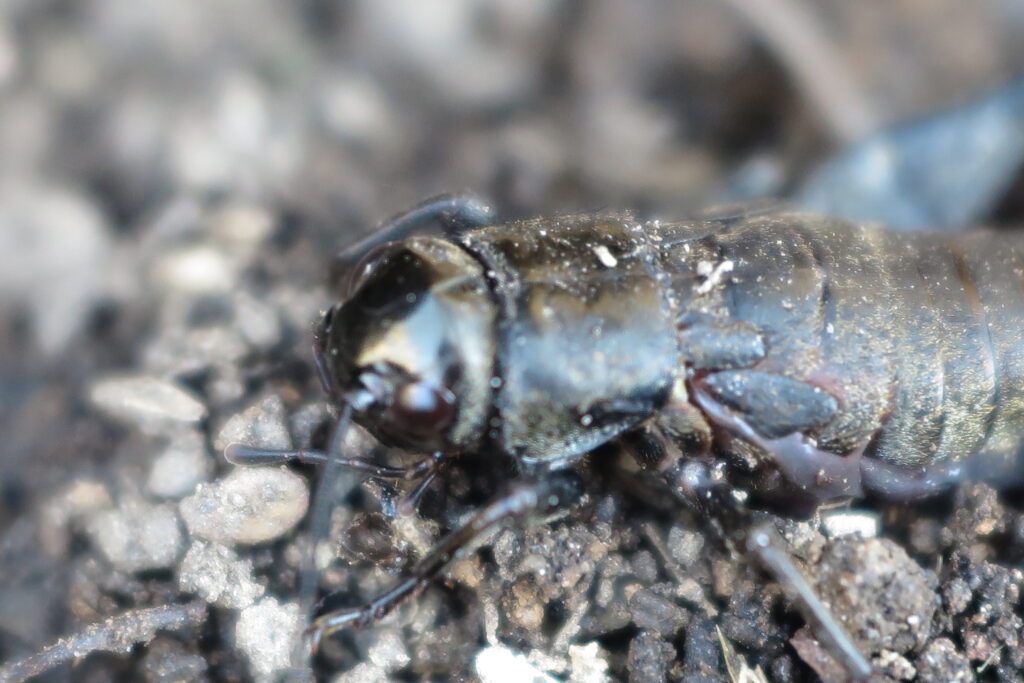
The Spring Field Cricket is a familiar insect throughout much of eastern and central North America, appearing in a variety of landscapes during the warmer months of the year. Although often heard more frequently than seen, this species spends much of its time near the ground where it remains partially hidden from casual observation. Its dark coloration and low-profile lifestyle allow it to blend naturally into many outdoor environments.
Across its range, Spring Field Crickets are commonly encountered in grassy areas, field edges, gardens, and other open settings where shelter is readily available. During daylight hours, many individuals remain concealed beneath natural cover, making encounters somewhat unpredictable. Observers who lift rocks, inspect leaf litter, or examine ground-level vegetation are often more likely to discover them.
Unlike insects that remain constantly visible on flowers or foliage, this species often reveals itself only briefly before disappearing from sight. A person may notice movement near their feet or hear faint sounds from nearby vegetation without immediately locating the source. This hidden nature contributes to the mysterious reputation many crickets have among outdoor enthusiasts.
From a behavioral perspective, the Spring Field Cricket exhibits a balance between caution and activity. It spends much of its life responding to changing environmental conditions while remaining alert to potential disturbances. This combination of awareness and adaptability allows the species to function successfully across a broad geographic range and in a variety of seasonal conditions.
Spring Field Cricket Behavioral Tendencies in Daily Life
When left undisturbed, the Spring Field Cricket generally displays calm and deliberate behavior. Individuals often spend extended periods remaining stationary, especially when resting beneath protective cover. To an observer, this can make the insect appear inactive even though it remains highly aware of its surroundings.
Rather than constantly moving in search of stimulation, the species tends to conserve energy whenever possible. Many periods of apparent inactivity are actually part of a broader strategy that reduces unnecessary exposure. This measured approach differs noticeably from insects such as flies, which may spend much of the day in nearly continuous motion.
Environmental conditions strongly influence overall activity levels. Temperature, moisture, and light availability can all affect how frequently an individual becomes active. During favorable conditions, the cricket may emerge more often and display increased responsiveness to nearby movement, sounds, or vibrations.
The species is also remarkably adaptable in its daily behavior. Individuals can adjust activity levels depending on seasonal conditions and immediate environmental pressures. This flexibility allows the cricket to function effectively in changing circumstances without relying on a single behavioral pattern throughout its life.
A useful comparison can be made to a cautious hiker moving through unfamiliar terrain. Rather than rushing constantly from one location to another, the hiker pauses frequently, evaluates surroundings, and responds only when necessary. Spring Field Crickets display a similar balance of patience and awareness, remaining observant while avoiding unnecessary risk.
Spring Field Cricket Movement and Activity Patterns
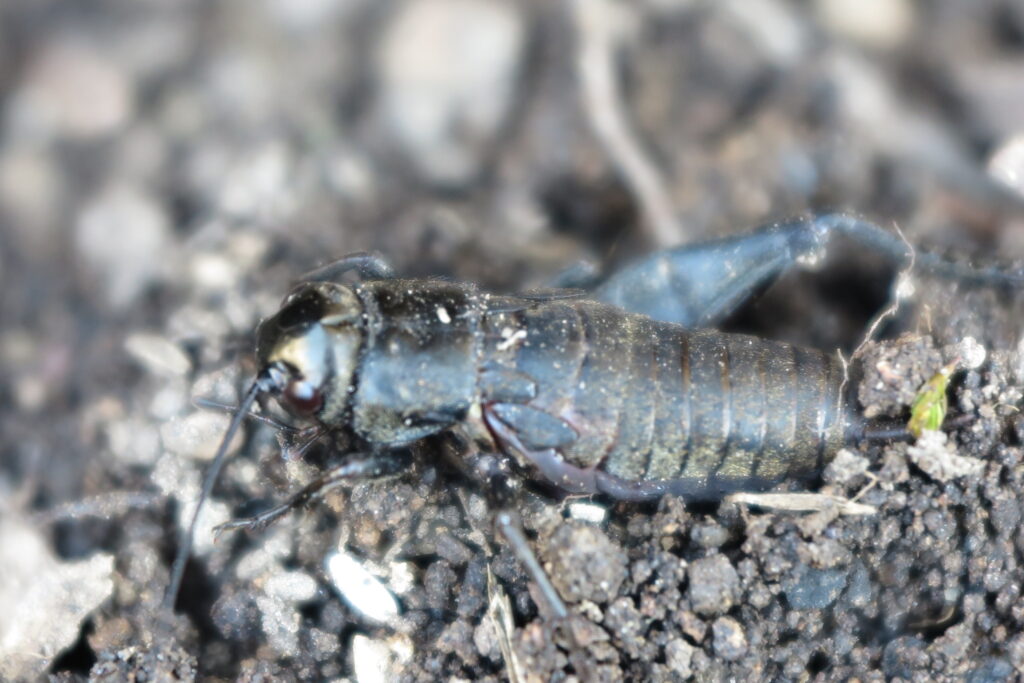
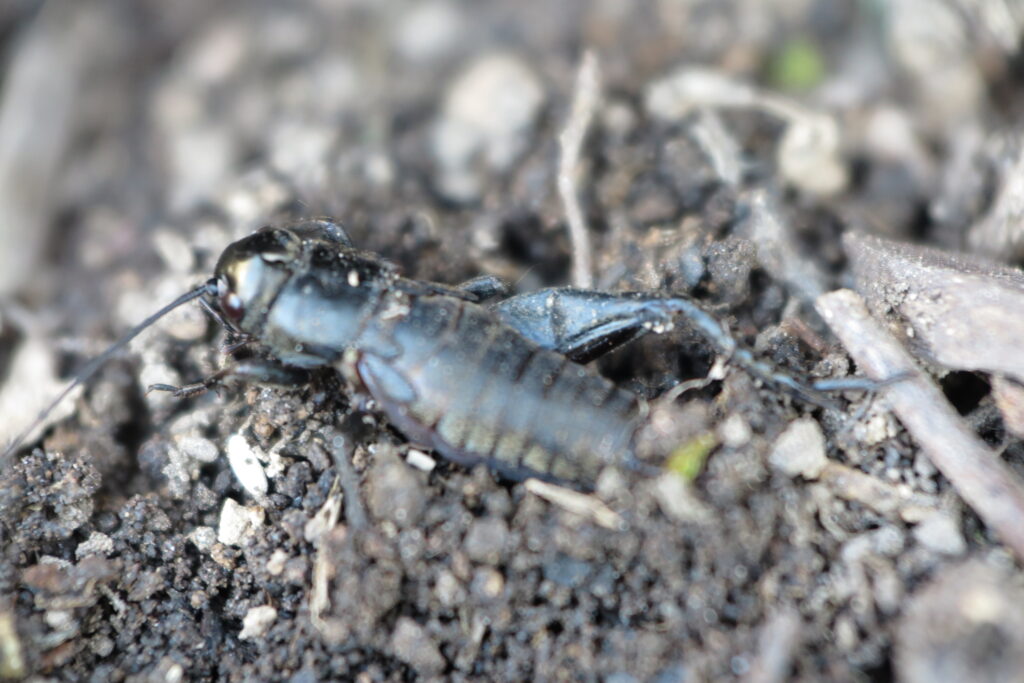
Movement in the Spring Field Cricket is best described as intermittent rather than continuous. Long periods of stillness are frequently interrupted by sudden bursts of activity. This pattern creates an unpredictable rhythm that helps the insect remain difficult for predators and observers to track.
Most activity occurs during evening, nighttime, and early morning hours. As temperatures become more comfortable and light levels decrease, individuals often become noticeably more active. The shift toward nighttime activity reduces exposure to many daytime threats while allowing the cricket to take advantage of favorable environmental conditions.
When moving across open ground, the cricket combines short runs with powerful jumps. These jumps occur rapidly and can carry the insect a surprising distance relative to its body size. The motion resembles a spring-loaded toy suddenly released, producing a quick burst of acceleration followed by an equally sudden stop.
Seasonal changes also influence movement patterns. During cooler periods of the year, activity may be limited and concentrated during warmer parts of the day. As spring temperatures become more stable, individuals generally become more mobile and active. This seasonal increase in movement is one reason the species becomes easier to detect as the year progresses.
Energy conservation plays an important role in how movement is used. Instead of wandering continuously, Spring Field Crickets often remain sheltered until movement becomes necessary. This strategy reduces unnecessary energy expenditure while minimizing exposure to danger. The result is a behavioral pattern characterized by efficiency rather than constant motion.
Spring Field Cricket Interaction and Survival Responses
Survival depends heavily on the Spring Field Cricket’s ability to react quickly to changing circumstances. When faced with a potential threat, individuals rarely hesitate before responding. Their first line of defense is often avoidance, relying on concealment and distance rather than confrontation.
One common response involves freezing completely when danger is detected. Remaining motionless can make the insect surprisingly difficult to notice, particularly when surrounded by soil, leaves, or other natural debris. This reaction is similar to the way a rabbit may remain perfectly still when it senses uncertainty nearby.
If a threat continues to approach, the cricket often switches from stillness to rapid escape. A sudden jump followed by a short sprint can carry it out of immediate danger in a fraction of a second. Predators expecting predictable movement may lose sight of the insect during these abrupt directional changes.
Interactions with members of the same species are generally limited outside of breeding periods. Most individuals spend much of their time independently rather than forming groups. However, encounters can become more frequent during periods when communication and territorial displays increase, particularly among males.
The combination of vigilance, concealment, and explosive escape behavior makes the Spring Field Cricket remarkably effective at avoiding danger despite its small size. Rather than relying on physical defenses such as stingers, venom, or armor, it survives through awareness and rapid decision-making. These behavioral strategies have helped the species persist successfully across a wide range of environments and seasonal conditions.
Popular Searches About Spring Field Crickets
Explore Spring Field Cricket Guide
Explore More Wildlife

Support Encounters World
Help support wildlife photography and get behind the scenes discoveries on Patreon.