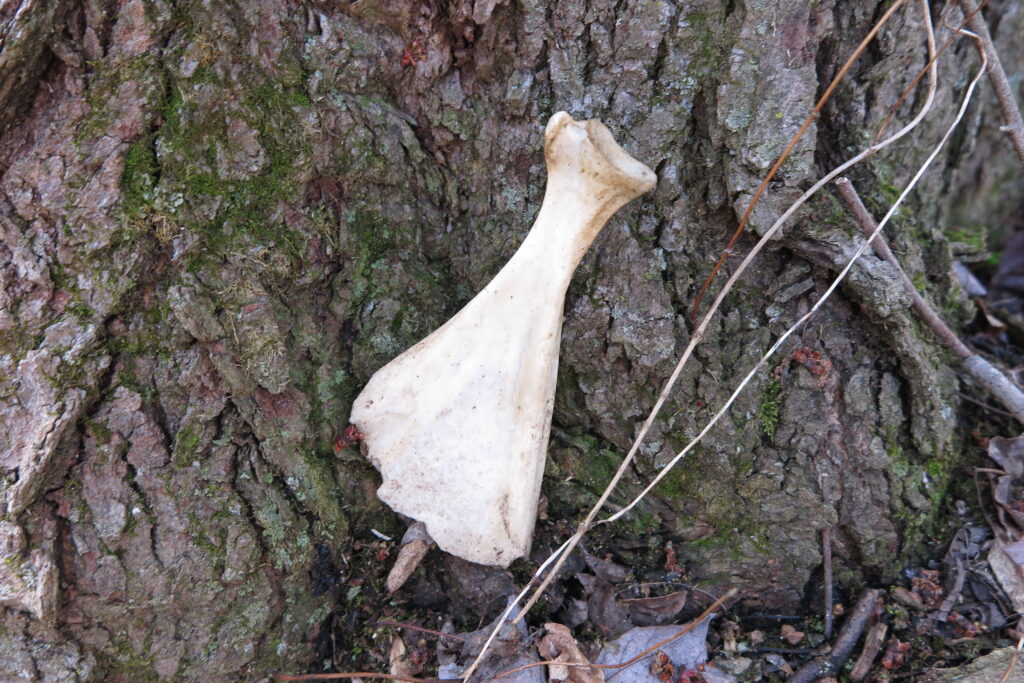
White-Tailed Deer Scapula (Shoulder Blade Fragment): Function, Movement, and Biomechanics
Quick Facts
Skeletal Role: Movement, Support
Body Region: Limb (Shoulder / Forelimb)
Primary Function: Connects the front leg to the body and enables controlled limb movement
Muscle Attachment: Yes – Strong
Mobility Role: Flexible (non-rigid attachment via muscle)
Protection Level: Low
Joint Connection: Yes – Ball-and-socket joint (shoulder joint with humerus)
Load Bearing: No (indirect support, not primary weight-bearing)
Biological Importance: Essential for locomotion, agility, and muscle coordination
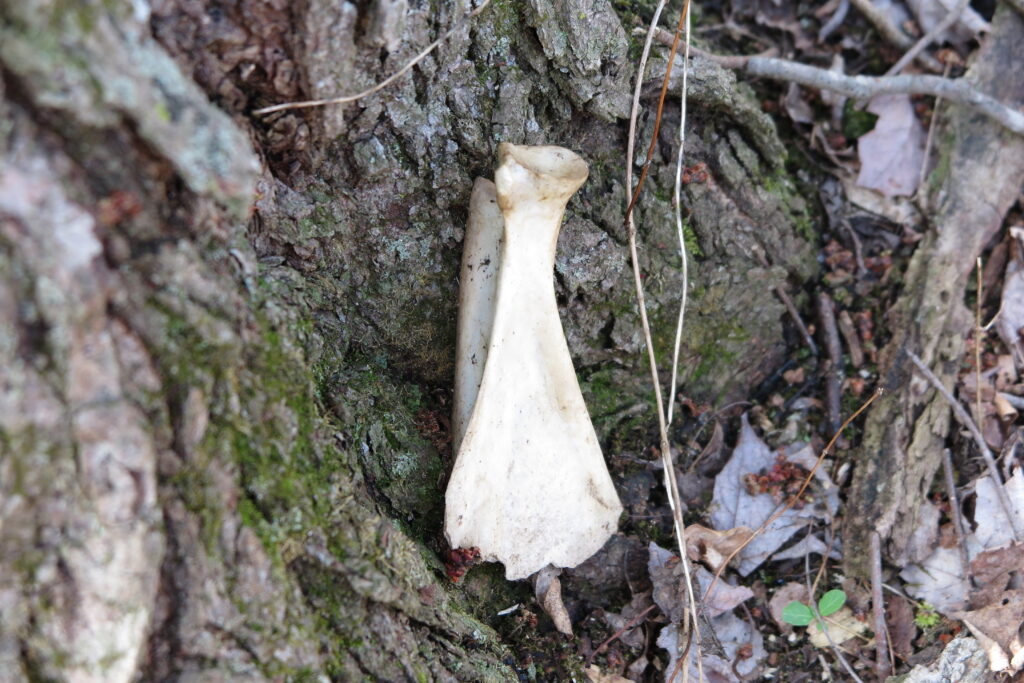
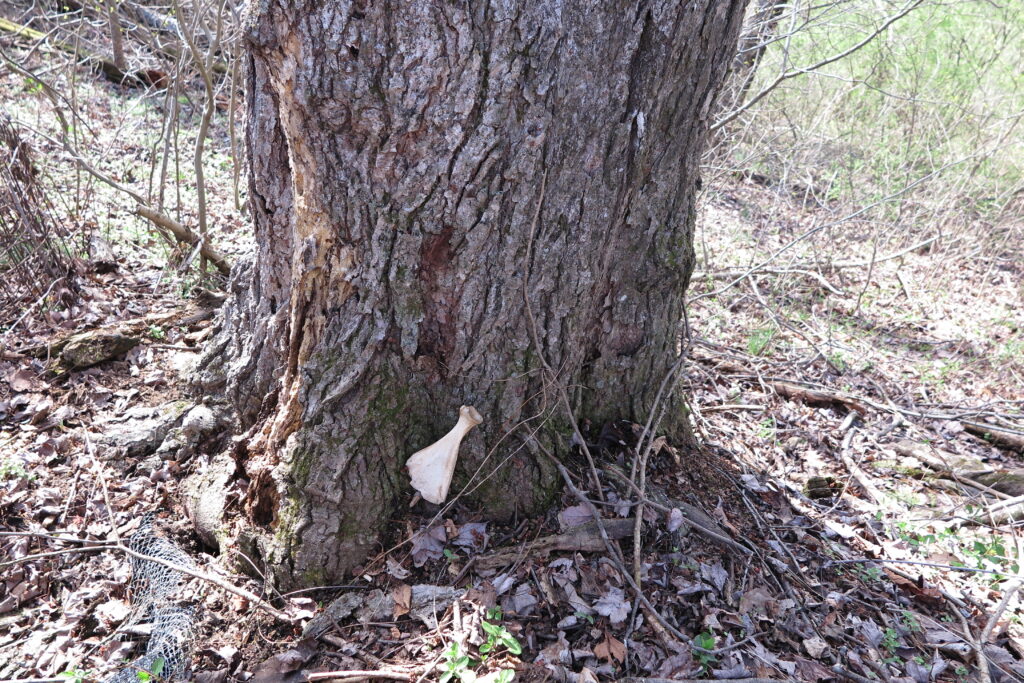
Location Observed: Pennsylvania
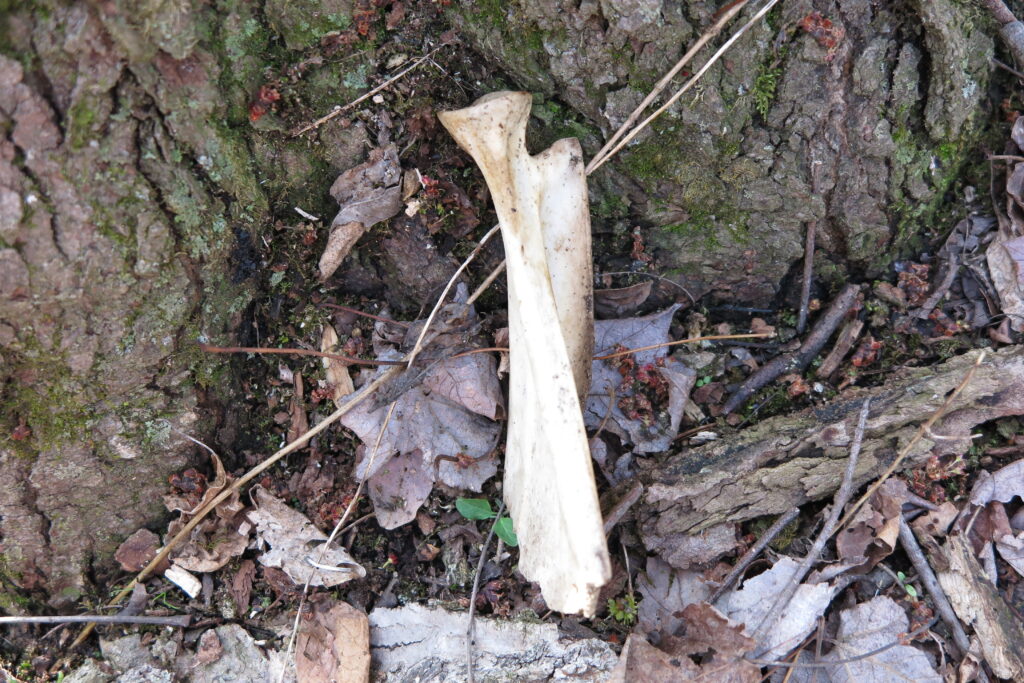
The white-tailed deer scapula, commonly referred to as the shoulder blade, is a flat bone located along the upper portion of the front limb. It plays a key role in connecting the forelimb to the body, forming part of the shoulder system that allows for movement and coordination.
This bone belongs to the White-tailed deer, a widely distributed species found across North America, Central America, and portions of South America. Known for its agility and speed, this species relies heavily on its skeletal structure to navigate diverse landscapes.
When the animal was alive, the scapula functioned as a central anchor point for muscles and movement. It worked in coordination with surrounding bones and soft tissue, allowing the deer to move fluidly, react quickly, and maintain balance during motion.
White-Tailed Deer Scapula Overview (Role in the Skeleton)
Within the skeletal system, the scapula serves as a bridge between the body and the front limb. Unlike many bones that connect directly through rigid joints, this bone is supported largely by muscle, creating a flexible connection that enhances movement.
Its primary role centers around mobility rather than protection or direct load-bearing. The scapula allows the front limb to move freely in multiple directions, which is essential for an animal that depends on speed and quick directional changes.
Although it does not shield vital organs like the ribcage or skull, it still contributes to the overall structure of the body. By supporting muscle groups and stabilizing the shoulder area, it helps maintain posture and coordination.
This bone fits into the skeletal system as part of the shoulder girdle, working alongside the humerus and surrounding muscles. Together, these components create a system that prioritizes motion and responsiveness over rigidity.
White-Tailed Deer Scapula Function & Role (In the Animal)
The scapula plays a direct role in enabling the movement of the front leg. It provides a stable yet flexible base from which muscles can pull, allowing the limb to extend, retract, and adjust during motion. This is especially important during running or jumping.
Muscle attachment is one of its most significant functions. The surface of the scapula supports multiple muscle groups that control the shoulder and upper leg. These muscles generate the القوة required for forward motion and help control the positioning of the limb.
The joint connection between the scapula and the humerus forms the shoulder joint, allowing for a wide range of motion. This connection enables smooth, controlled movement, which is critical for maintaining balance and reacting to changes in terrain.
In addition to movement, the scapula contributes to overall stability. It helps distribute forces generated during motion across the shoulder region, ensuring that movement remains coordinated and efficient rather than erratic or unstable.
White-Tailed Deer Scapula Biomechanics and Movement
From a biomechanical perspective, the scapula acts as a floating support structure. Because it is not rigidly attached to the ribcage, it can shift slightly with each movement, increasing stride length and overall efficiency in motion.
This flexibility allows deer to conserve energy while moving. As the scapula glides along the body, it reduces impact and distributes force more evenly. This is particularly useful during sustained movement or rapid acceleration.
During high-speed running, the scapula works in sync with the front limb to absorb and redirect forces. It helps manage the impact of each step, preventing excessive strain on the joints and muscles involved in locomotion.
Overall, the scapula enhances both speed and agility. Its ability to support muscle movement, allow flexible motion, and manage force makes it an essential component of how deer move through their environment with precision and control.