Blue Jay Eggs Guide: Appearance, Nesting Season, and Egg Identification of Cyanocitta cristata
Quick Facts
Location: Forests, neighborhoods, woodland edges, and parks
Average Egg Size: Around 1 inch long
Incubation Period: Approximately 16–18 days
Global Range: Eastern and central North America
Conservation Status: Least Concern
Notable Feature: Pale eggs covered with brown and gray spotting patterns
Introduction to Blue Jay Eggs and Nesting Season
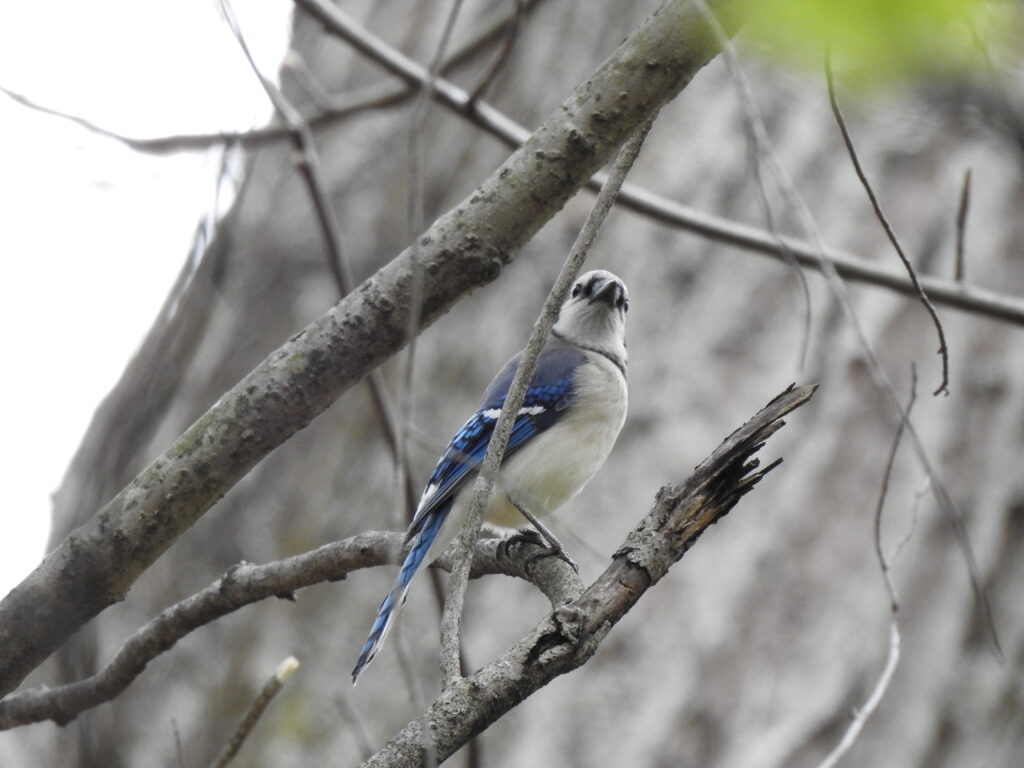
The Blue Jay is one of the most recognizable birds in North America, and its nesting season attracts attention each spring as pairs begin raising young in wooded landscapes. Found throughout eastern and central portions of the continent, Blue Jays commonly nest in forests, suburban neighborhoods, parks, and tree-lined areas where mature vegetation provides cover. During nesting season, their loud calls and constant movement through the canopy often make nearby nests easier to notice. Despite their visibility, the eggs themselves are usually hidden carefully within thick branches.
Blue Jay eggs are most often encountered during late spring and early summer when nesting activity reaches its peak. Fresh leaves and dense foliage help conceal nests high in trees, blending them into the surrounding vegetation. Many people hear adult Blue Jays before ever spotting the nest directly. Because the species is widespread and frequently lives near human development, Blue Jay nesting sites are among the more commonly observed songbird nests in North America.
The eggs themselves display subtle coloration that differs from the bright blue feathers associated with adult birds. Rather than appearing vivid blue, most Blue Jay eggs are pale greenish, bluish, or tan with darker speckling scattered across the shell. These muted colors help the eggs blend naturally into nesting material and shaded surroundings. Under filtered sunlight, the markings can appear soft and mottled rather than sharply contrasted.
Across their range, Blue Jays choose elevated nesting locations that provide stability and concealment. Their eggs develop within carefully built nests constructed from twigs, roots, bark strips, and softer interior material. While the adult bird is bold and easily recognizable, the eggs remain relatively subtle in appearance. This contrast between the bright adult plumage and softly colored eggs creates an interesting difference within the species’ life cycle.
Blue Jay Egg Appearance and Nest Identification Features
The eggs of the Blue Jay are small, rounded, and lightly colored with delicate speckled markings spread across the shell. Most eggs range from pale blue-green to light tan or grayish cream depending on lighting and individual variation. Brown, olive, or gray spots are commonly concentrated toward the wider end of the egg. These scattered markings create a textured appearance that helps break up the outline visually inside the nest.
In size, Blue Jay eggs are comparable to large grapes or small decorative candies, usually measuring close to one inch in length. Their shells appear smooth with a slightly dull finish rather than glossy white. When viewed closely, the spotting often resembles paint splatter or tiny ink droplets spread unevenly across the surface. No two eggs look perfectly identical, and even eggs from the same nest may show slight differences in color intensity or pattern density.
Blue Jay nests themselves are often bulky and tightly woven structures positioned in tree branches several feet above the ground. The outer layer is typically built from coarse twigs, while finer roots and softer material line the interior cup where the eggs rest. Compared to the cleaner nests of robins, Blue Jay nests tend to appear rougher and more heavily layered. Their construction creates a sturdy platform capable of supporting both eggs and growing young birds.
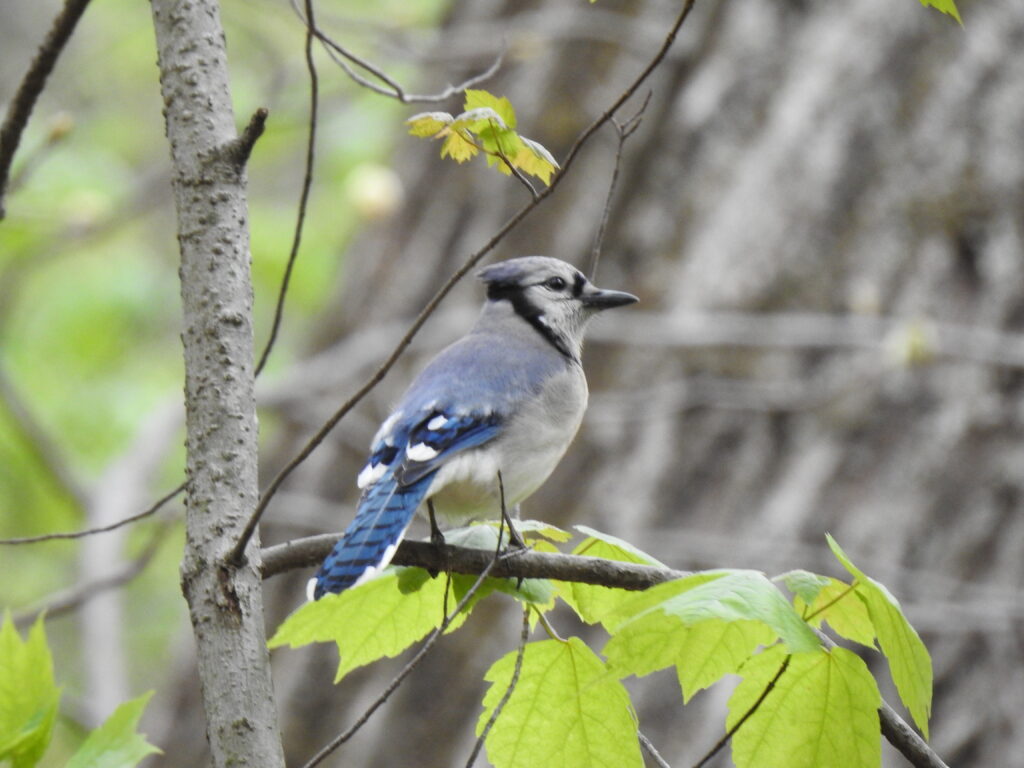
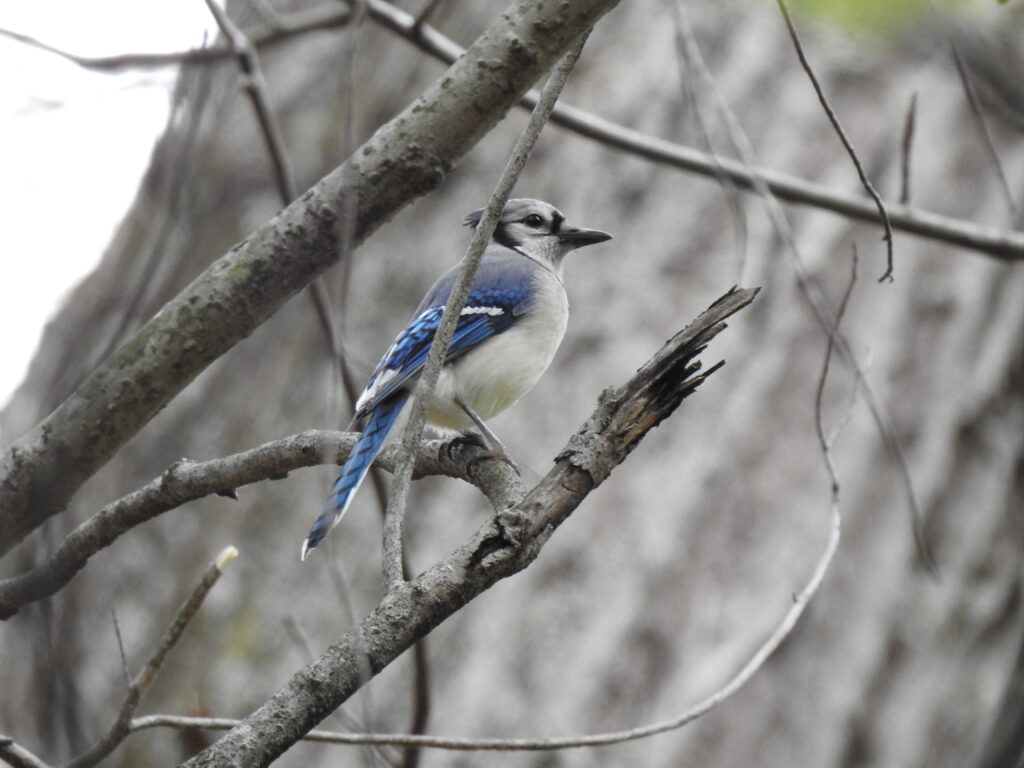
The muted egg coloration contrasts strongly with the striking blue plumage of adult Blue Jays. While the adult bird stands out visually against forest backgrounds, the eggs remain naturally camouflaged within shadows and nesting material. This subdued appearance helps reduce visibility from predators looking upward into tree branches. In heavily shaded nests, the eggs may blend so well into the surroundings that they become difficult to spot even from nearby viewpoints.
Blue Jay Egg Characteristics and Development Stages
Several physical and developmental traits make Blue Jay eggs distinctive among North American songbirds. One of the most noticeable characteristics is the uneven spotting pattern across the shell surface. Some eggs display dense speckling near one end, while others have lighter markings spread more evenly. This natural variation gives each clutch a slightly different appearance while still maintaining the species’ recognizable overall pattern.
Freshly laid eggs often appear slightly brighter and cleaner than eggs closer to hatching. Over time, contact with nesting material and incubation can dull portions of the shell surface. Subtle shifts in coloration may occur as moisture, warmth, and surrounding debris affect the egg exterior. In shaded nests, eggs can appear cooler gray-blue, while sunlight filtering through leaves may reveal warmer tan or greenish tones.
A typical Blue Jay clutch usually contains between three and seven eggs. The eggs are arranged tightly together within the nest cup, allowing efficient coverage during incubation. Their rounded shape helps conserve space while reducing the chance of rolling outward. Compared to the elongated eggs of some shorebirds, Blue Jay eggs appear more evenly oval and compact.
As development progresses, internal growth gradually fills more of the egg interior until hatching approaches. Shortly before hatching, eggs may appear slightly darker or less translucent under strong light because of the growing chick inside. Once hatched, fragments of the shell often remain briefly in the nest before being removed. These broken shell pieces reveal thin, pale interiors that contrast against the darker outer spotting patterns.
Ecological Importance of Blue Jay Eggs and Nesting Success
The eggs of the Blue Jay represent an important stage in the continuation of woodland bird populations across North America. Each successful clutch contributes directly to maintaining stable regional populations within forests, parks, and suburban environments. Because Blue Jays occupy a visible role in many ecosystems, their nesting success influences broader bird community dynamics over time. Healthy reproduction helps sustain the species’ long-term presence across changing landscapes.
Blue Jay eggs also support surrounding food web interactions within forest ecosystems. Although many nests hatch successfully, eggs and young birds may become targets for predators including snakes, raccoons, squirrels, hawks, and crows. These natural pressures are part of broader ecological balance and influence nesting success rates each season. The placement and concealment of nests help reduce these risks but cannot eliminate them entirely.
Successful nesting seasons often reflect favorable environmental conditions such as stable weather, healthy tree cover, and strong food availability nearby. Years with prolonged storms, habitat disturbance, or unusually cold spring temperatures may reduce survival rates for eggs and hatchlings. Because Blue Jays nest relatively high in trees, severe wind and heavy rain can sometimes damage nests or expose eggs unexpectedly. Seasonal environmental changes therefore play a major role in overall reproductive success.
Beyond their ecological role, Blue Jay eggs also contribute to public interest in bird conservation and seasonal wildlife observation. Many people first notice nesting activity when hearing adult birds calling repeatedly near hidden nests. This visibility helps connect local communities with native wildlife during spring and summer months. As recognizable woodland birds continue reproducing across urban and rural landscapes alike, their nests and eggs remain important symbols of seasonal renewal within North American ecosystems.
Popular Searches About Blue Jay
Explore Blue Jay Guide
Explore More Wildlife

Support Encounters World
Help support wildlife photography and get behind the scenes discoveries on Patreon.