Blue Jay Diet Guide: Feeding Habits, Natural Food Sources, and Foraging Behavior of Cyanocitta cristata
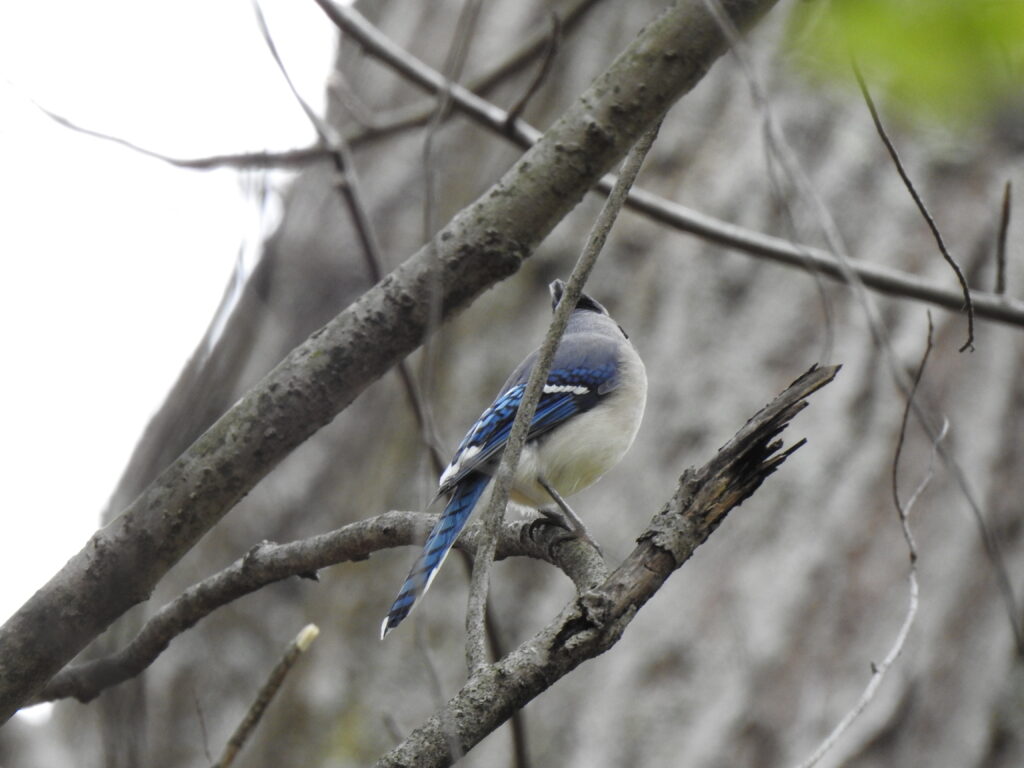
Quick Facts
Diet Type: Omnivore
Main Food Sources: Nuts, seeds, insects, fruits, and small animal matter
Feeding Time: Primarily daytime hours
Foraging Method: Ground searching, branch picking, and food caching
Seasonal Diet Changes: Shifts between plant material and protein-rich foods throughout the year
Predatory Adaptations: Strong bill, sharp awareness, and adaptable feeding behavior
Introduction to the Blue Jay’s Feeding Lifestyle
The Blue Jay is a highly adaptable North American bird with feeding habits that reflect its intelligence and environmental flexibility. Found across much of eastern and central North America, the species occupies forests, parks, neighborhoods, and woodland edges where food availability changes throughout the seasons. Its bold behavior and constant awareness often make it one of the most visible birds searching for food among tree branches and open ground. Whether moving through dense woodland or visiting suburban feeders, Blue Jays spend a significant portion of the day focused on locating and securing resources.
Throughout their range, Blue Jays rely on a feeding strategy built around variety rather than specialization. Unlike birds dependent on a single food source, they shift between different materials as environmental conditions change. This flexibility helps them survive harsh winters, seasonal shortages, and competition from other wildlife species. Their feeding behavior reflects an opportunistic approach that allows them to take advantage of both natural and human-influenced food supplies.
Blue Jays are especially noticeable during periods of active foraging because of their loud calls and alert posture. A feeding bird may pause repeatedly to scan its surroundings before continuing to search branches, leaves, or open ground. Even while focused on food, the species rarely appears unaware of nearby movement. This balance between feeding and vigilance contributes strongly to its success across many different landscapes.
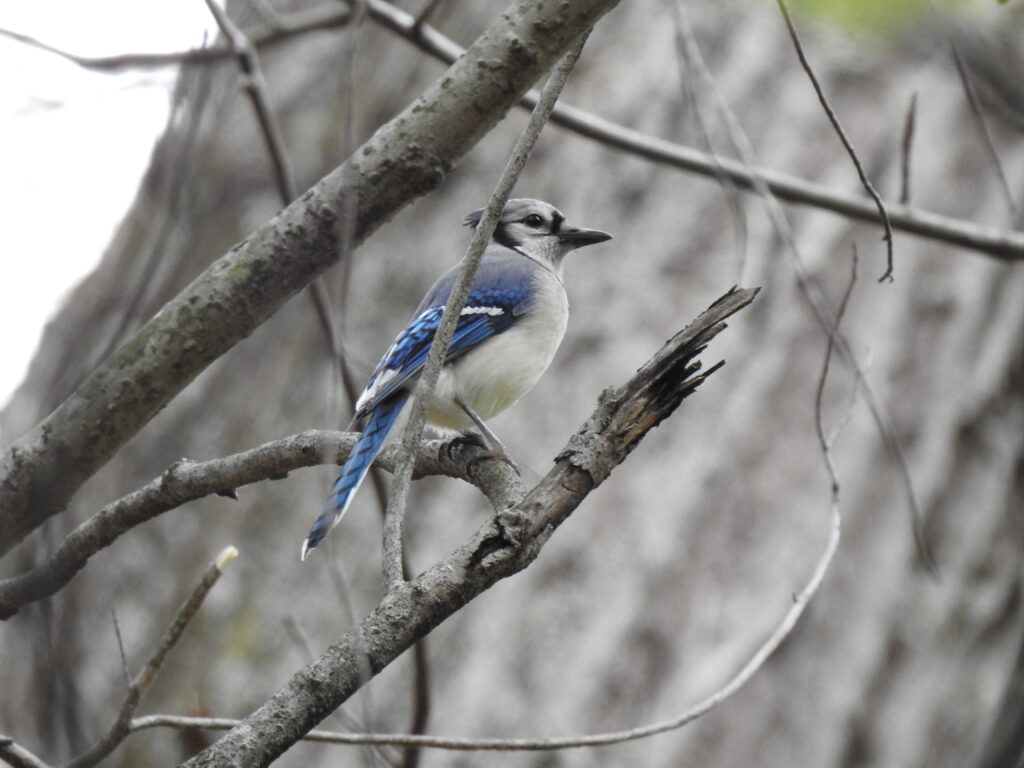
The bird’s physical structure also supports its broad dietary habits. Its strong black bill allows it to handle hard materials more effectively than many smaller songbirds. Combined with sharp eyesight and agile movement through trees, Blue Jays are capable of using a wide range of feeding opportunities throughout the year. This dietary flexibility remains one of the defining features behind the species’ widespread distribution and long-term success.
Broad Blue Jay Diet Patterns and Feeding Adaptability
The Blue Jay is classified as an omnivore, meaning it consumes both plant and animal material depending on availability and seasonal conditions. Its diet is highly varied and changes throughout the year as different resources become easier or harder to obtain. Compared to birds with narrow feeding preferences, Blue Jays display remarkable flexibility in what they are willing to consume. This adaptability allows populations to remain stable across a wide geographic range containing different climates and food cycles.
In many ways, Blue Jays feed more like resourceful generalists than delicate songbirds. They may switch rapidly between feeding methods depending on location and opportunity. One individual might spend time gathering natural foods in woodland areas before later visiting backyard feeders or open spaces. This willingness to use multiple food sources gives the species a survival advantage during environmental changes and seasonal shortages.
Dietary consistency can vary significantly between regions. Northern populations often rely heavily on long-lasting food reserves during cold winters, while southern birds may have access to a wider variety of fresh food for longer portions of the year. Urban and suburban populations also show feeding differences compared to birds living deep within forests. In developed areas, Blue Jays commonly take advantage of additional resources provided unintentionally by people.
Despite this flexibility, Blue Jays still show strong dependence on nutrient-rich foods capable of supporting their energetic lifestyle. Their feeding habits resemble those of squirrels in some respects because both species gather and store valuable resources whenever conditions allow. Rather than focusing narrowly on one feeding strategy, Blue Jays survive through variety, awareness, and constant adjustment to changing environmental conditions.
Natural Blue Jay Food Sources in the Wild
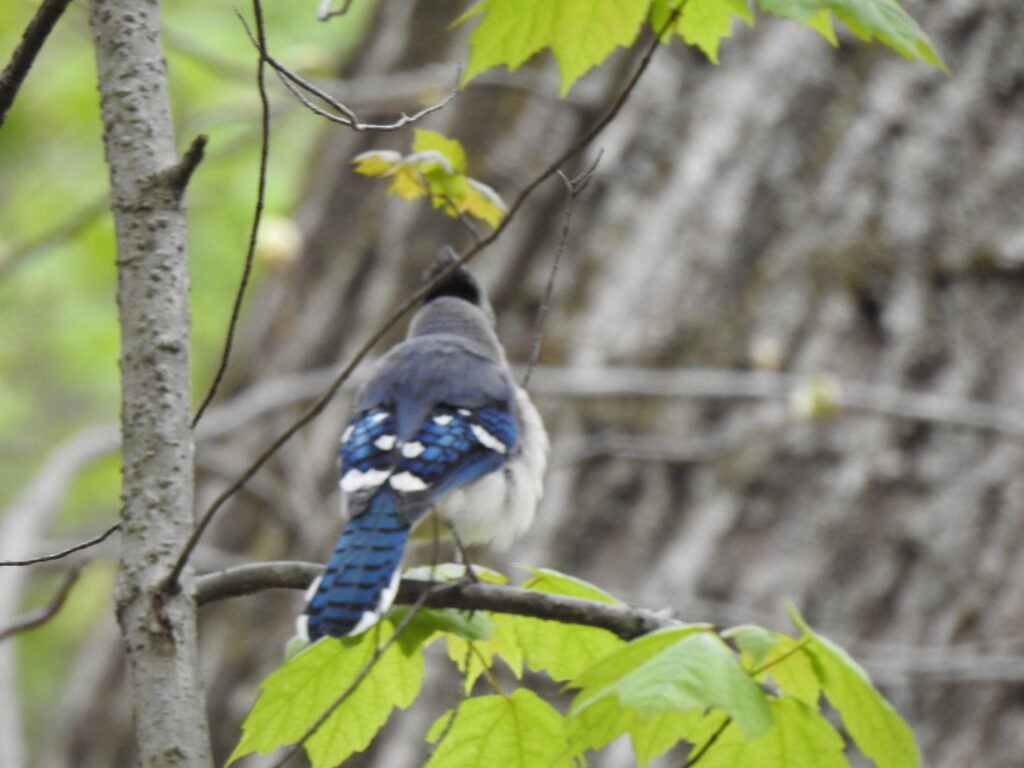
The Blue Jay consumes a broad assortment of foods in natural environments, with nuts and seeds forming some of the most important long-term resources. Acorns are especially valuable and are commonly gathered from oak trees throughout much of the species’ range. These nutrient-rich seeds provide significant energy during colder seasons when fresh resources become less available. Blue Jays are well known for transporting and storing acorns, sometimes carrying them considerable distances before hiding them.
Insects also represent an important part of the diet, particularly during warmer months. Beetles, caterpillars, grasshoppers, ants, and other invertebrates provide concentrated protein that supports growth and seasonal energy demands. During spring and summer, insect availability increases dramatically in forests and woodland edges. Young Blue Jays especially benefit from these softer, protein-rich food sources during development.
Fruits and berries contribute additional variety throughout the year. Wild grapes, cherries, blackberries, and other seasonal fruits may be consumed when available. Softer foods become particularly useful during periods when hard seeds or nuts are less abundant. In some areas, Blue Jays may also consume small animal matter such as eggs or tiny vertebrates, though these resources generally make up a smaller portion of the overall diet.
Food availability often changes depending on season, weather, and local vegetation. During autumn, forests rich in oak and beech trees may support heavy feeding activity centered around seed production. In contrast, spring diets often shift toward insects and softer foods associated with new plant growth. This constant seasonal adjustment helps Blue Jays maintain nutritional balance across environments that change dramatically throughout the year.
Blue Jay Feeding Behavior and Survival Strategies
The Blue Jay uses a combination of intelligence, awareness, and physical adaptability to locate and secure food efficiently. Much of its feeding behavior involves scanning branches, leaf litter, and open ground while remaining alert for competition or danger. Unlike birds that feed quickly and retreat, Blue Jays often pause repeatedly during foraging to observe nearby activity. Their movements appear calculated, with frequent shifts between searching, gathering, and watching.
One of the species’ most important survival behaviors involves food caching. Blue Jays commonly hide seeds and nuts beneath leaves, inside bark crevices, or within soil for later use. This strategy allows them to create scattered food reserves that can support survival during winter or periods of scarcity. Similar to squirrels storing acorns across forests, Blue Jays rely heavily on memory and environmental familiarity when relocating hidden food supplies.
Feeding competition also shapes much of their behavior. At feeders or natural food sources, Blue Jays often use their larger size and assertive posture to dominate smaller birds. They may arrive loudly, forcing other species to retreat temporarily before feeding. Despite this confidence, they remain cautious and highly reactive to sudden movement or predator presence while exposed in open areas.
Their strong black bill functions as an important feeding adaptation capable of cracking seeds, handling insects, and manipulating larger food items. Blue Jays also demonstrate impressive problem-solving ability when accessing difficult resources. In areas where food becomes limited, they frequently expand their search patterns and take advantage of alternative feeding opportunities. This combination of flexibility, awareness, and resource storage plays a major role in the species’ long-term survival across changing environments.
Popular Searches About Blue Jay
Explore Blue Jay Guide
Explore More Wildlife

Support Encounters World
Help support wildlife photography and get behind the scenes discoveries on Patreon.