
Yellow-Banded Millipede Ecosystem Role: Ecological Importance, Nutrient Cycling, and Environmental Benefits
Quick Facts
Ecological Role: Decomposer
Food Web Position: Primary Detritivore
Main Contribution: Organic Matter Breakdown
Soil Impact: Supports Nutrient Recycling
Environmental Benefit: Improves Forest Ecosystem Health
Ecosystem Type: Woodland and Forest Communities
Yellow-Banded Millipede Ecological Importance Overview
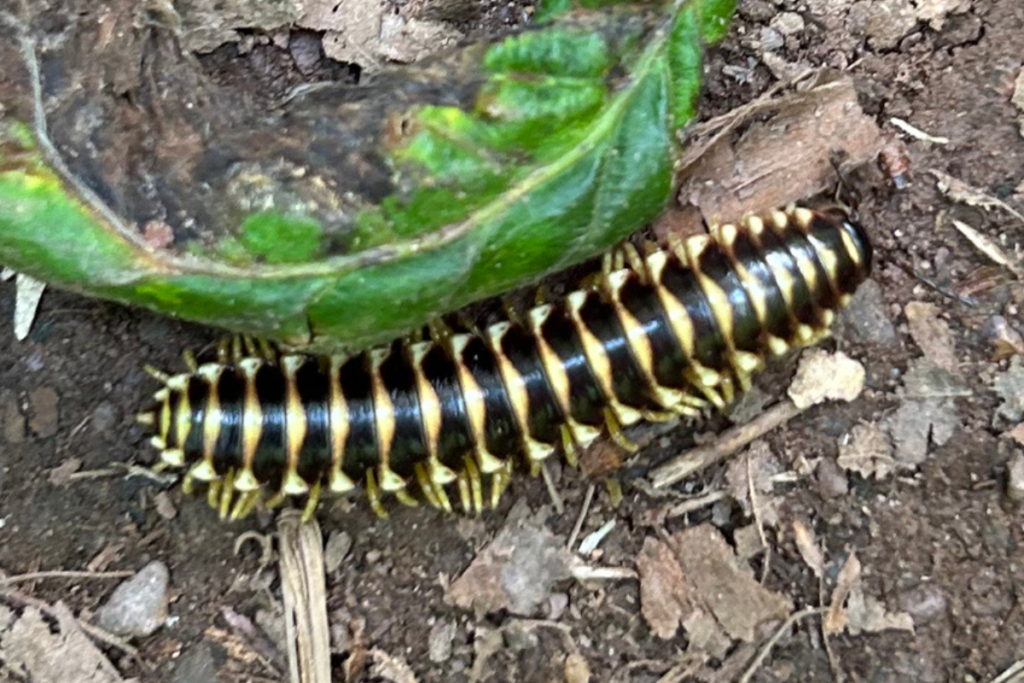
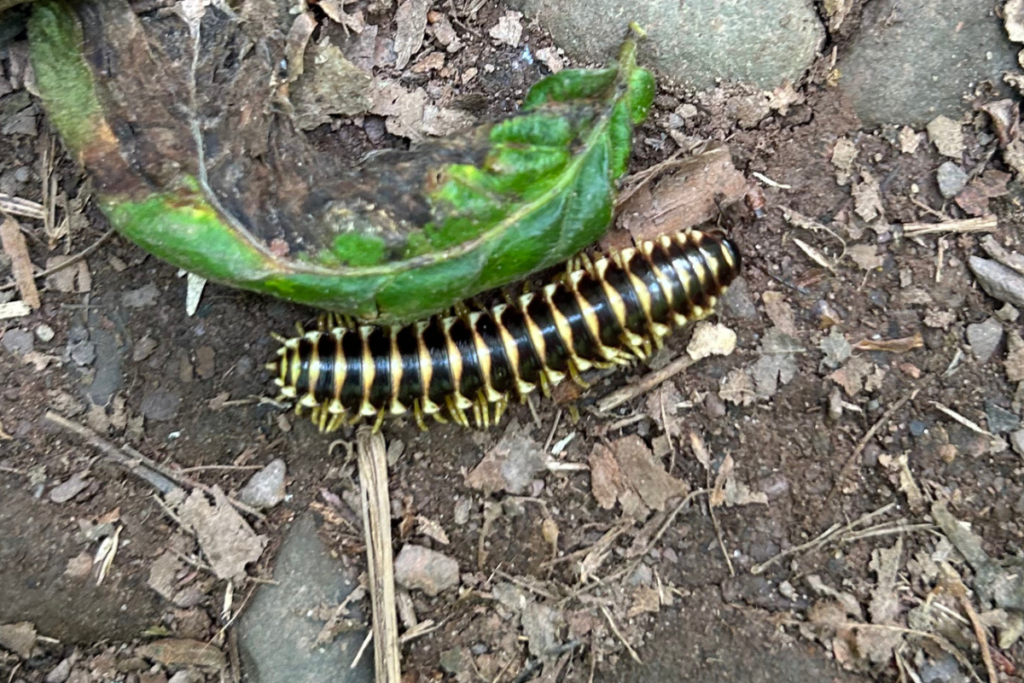
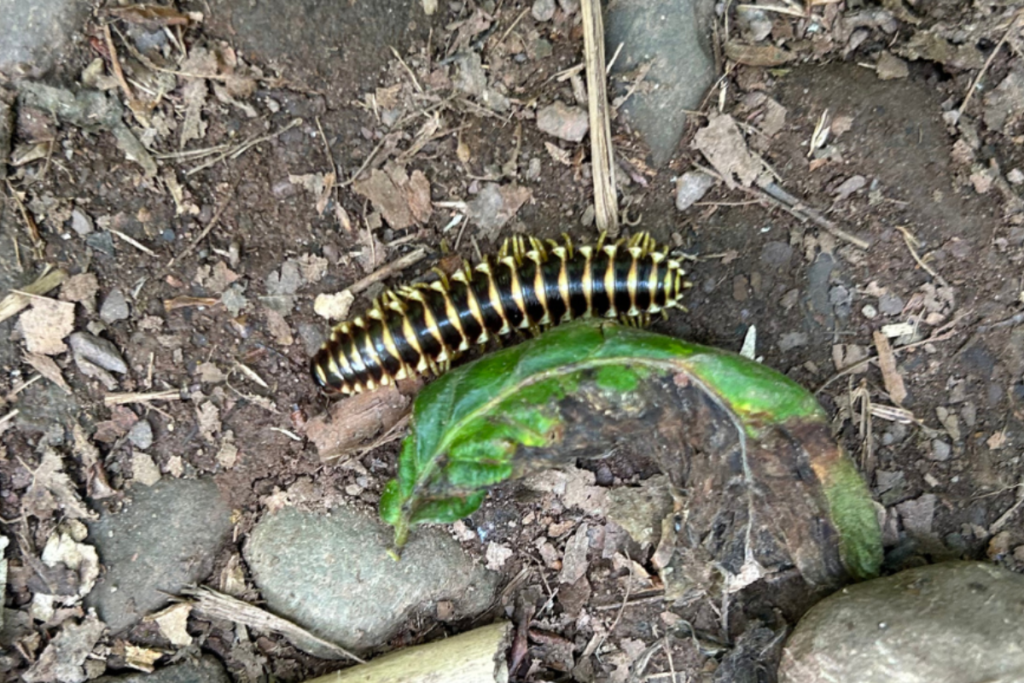
The Yellow-Banded Millipede (Apheloria sp.) plays a valuable role within the forests of eastern North America. While its bright coloration often draws attention, its greatest contribution occurs largely out of sight on the forest floor. As a decomposer, this species helps maintain ecological processes that support countless plants, fungi, and animals throughout its range.
Every year, forests produce enormous amounts of organic material. Leaves fall from trees, branches break during storms, and plants eventually die and begin to decompose. Without organisms capable of processing this material, woodland environments would become overwhelmed with accumulated debris. The Yellow-Banded Millipede contributes to preventing this buildup by participating in the natural recycling of organic matter.
Many people focus on large wildlife such as deer, bears, or birds when thinking about ecosystem health. However, some of the most important ecological work is performed by small organisms that rarely receive attention. Millipedes, earthworms, fungi, and microorganisms collectively help keep ecosystems functioning by breaking down material that would otherwise remain locked away from the nutrient cycle.
The Yellow-Banded Millipede can be compared to a recycling worker within a city. Just as recycling facilities help convert discarded materials into useful resources, millipedes help transform dead organic matter into smaller particles that can be reused by the environment. This process forms the foundation of many ecological systems and supports the long-term productivity of forests.
Yellow-Banded Millipede Role in Nutrient Cycling
One of the species’ most important ecological functions is its involvement in nutrient cycling. Forest ecosystems constantly move nutrients through a complex network of plants, animals, fungi, and microorganisms. The Yellow-Banded Millipede helps keep this cycle operating by processing organic materials that have already entered the decomposition stage.
As leaves and plant debris accumulate on the ground, nutrients remain trapped within those materials. Over time, decomposition releases these nutrients back into the environment where they can be used again by living organisms. Millipedes contribute to this process by physically breaking larger materials into smaller pieces that decompose more efficiently.
This role becomes particularly important in deciduous forests where massive quantities of leaves fall every autumn. A single mature tree can contribute hundreds or even thousands of leaves to the forest floor each year. Across an entire woodland, the volume of organic material becomes enormous, creating a continuous need for decomposer species.
The process is similar to shredding large cardboard boxes before recycling them. Smaller pieces are easier to process than intact materials. By fragmenting organic matter, the Yellow-Banded Millipede increases the surface area available to fungi and bacteria, accelerating decomposition and improving nutrient availability throughout the ecosystem.
Without decomposers performing these functions, nutrient movement would slow dramatically. Forest soils would become less productive, and the availability of resources needed by plants could decline. Through its role in nutrient cycling, the Yellow-Banded Millipede helps maintain the ecological efficiency that supports healthy woodland environments.
Yellow-Banded Millipede Contributions to Soil and Forest Health
The activities of the Yellow-Banded Millipede have direct benefits for soil quality. As organic materials are processed and broken down, nutrients gradually become incorporated into the soil. This enrichment supports plant growth and contributes to the overall productivity of forest ecosystems.
Healthy soils depend on a constant exchange between living organisms and decomposing organic matter. Millipedes help bridge this connection by transforming surface debris into materials that become integrated into the soil system. Over time, these contributions influence soil structure, fertility, and long-term ecological stability.
The species also supports the broader community of decomposers found within forests. Fungi, bacteria, insects, and other invertebrates all participate in the breakdown of organic matter. By fragmenting leaves and wood, the Yellow-Banded Millipede creates conditions that allow these organisms to work more efficiently, strengthening the entire decomposition network.
A useful comparison can be made to construction crews preparing a site before a building project begins. Their work creates conditions that allow additional specialists to perform their tasks more effectively. Similarly, millipedes prepare organic material in ways that benefit countless microorganisms responsible for later stages of decomposition.
The cumulative impact of these contributions becomes significant when viewed across entire forests. Thousands of decomposers working simultaneously help maintain soil productivity, support vegetation growth, and sustain ecological processes that have operated for generations. The Yellow-Banded Millipede represents an important part of this larger environmental system.
Yellow-Banded Millipede Place Within the Forest Food Web
The Yellow-Banded Millipede occupies an important position within the woodland food web. As a decomposer, it connects dead organic material to living ecological systems. This placement allows nutrients and energy to continue moving through the environment rather than remaining locked within decaying plant matter.
Although protected by warning coloration and chemical defenses, the species still interacts with various predators. Birds, amphibians, reptiles, and small mammals may encounter millipedes while searching for food. These interactions help integrate the species into broader ecological relationships that extend throughout the forest community.
The food web can be imagined as a network of interconnected pathways rather than a simple chain. Energy flows between numerous organisms through countless ecological interactions. The Yellow-Banded Millipede contributes to this network by helping process resources that many animals cannot utilize directly.
A forest without decomposers would function much differently than the ecosystems observed today. Organic material would accumulate, nutrient recycling would slow, and many ecological processes would become less efficient. The Yellow-Banded Millipede helps prevent these problems by supporting one of the most important stages of ecosystem function.
Its role may not be as visible as that of large mammals or colorful birds, but its ecological value is substantial. Through nutrient recycling, soil enrichment, support of decomposer communities, and participation in the food web, the Yellow-Banded Millipede contributes to the health and stability of eastern North American forests. These contributions make it an essential component of the ecosystems it inhabits and a valuable participant in the natural processes that sustain woodland life.
Popular Searches About Banded Millipedes
Explore Banded Millipede Guide
Explore More Wildlife

Support Encounters World
Help support wildlife photography and get behind the scenes discoveries on Patreon.