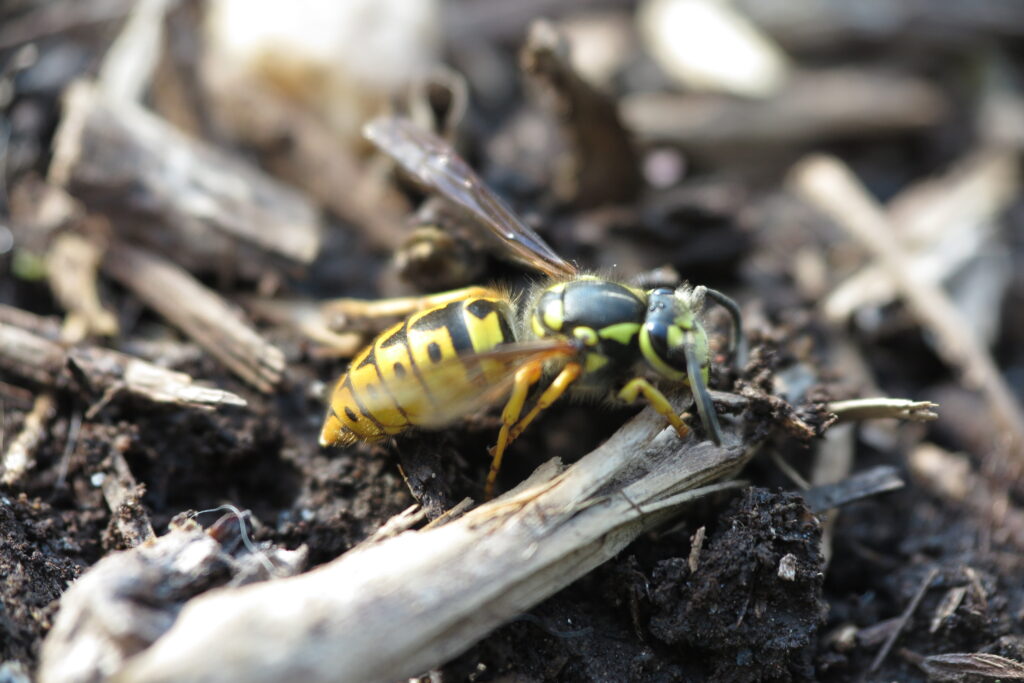
What Do Yellowjackets Eat? Diet, Food Sources, and Feeding Behavior Explained
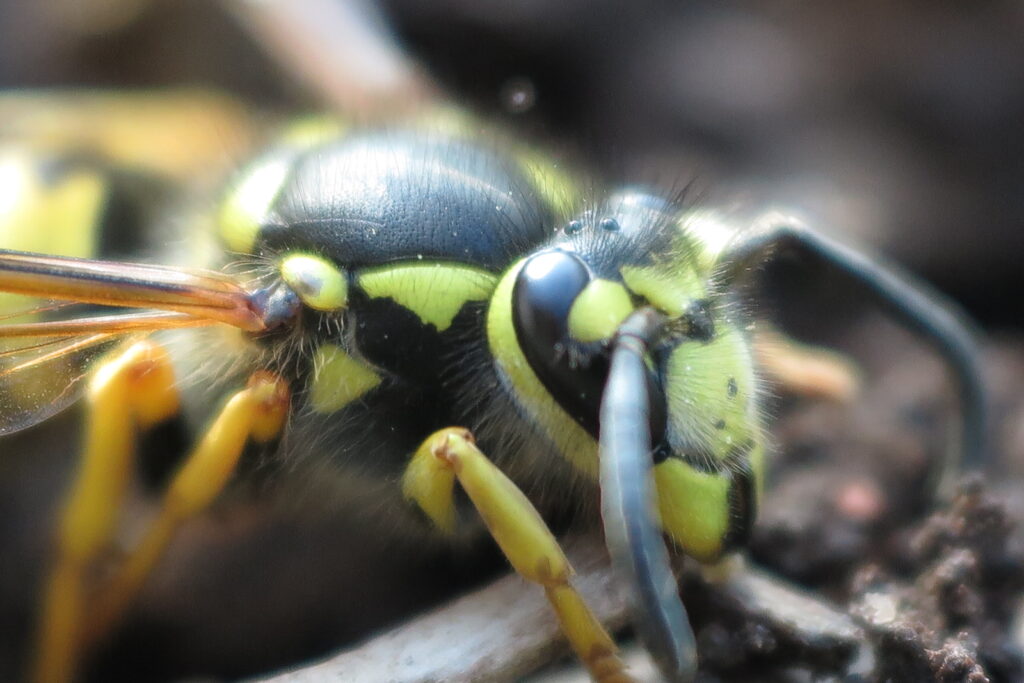
Quick Facts
Scientific Name: Vespula spp.
Common Name: Yellowjacket
Diet Type: Omnivore (predatory and scavenger)
Main Food Sources: Insects, carrion, sugary liquids, fruits, nectar, human food
Feeding Time: Diurnal (day-active)
Foraging Method: Active hunting and scavenging
Seasonal Diet Changes: More protein-focused early season; more sugar-focused late season
Predatory Adaptations: Strong mandibles, fast flight, coordinated foraging
Location Observed: Pennsylvania
The yellowjacket is a fast-moving wasp known not only for its bold coloration but also for its highly adaptable feeding habits. Unlike many insects that rely on a single food source, the yellowjacket consumes a wide variety of materials, shifting its diet depending on availability and seasonal conditions. Its feeding behavior is active, opportunistic, and closely tied to its constant movement.
Found across temperate regions of North America, Europe, and parts of Asia, yellowjackets thrive in environments where food sources are diverse and abundant. Their ability to utilize both natural and human-related resources has contributed to their widespread success and visibility.
Often seen hovering, landing briefly, and then darting away, the yellowjacket’s feeding activity is rarely still. Whether interacting with natural food sources or investigating surfaces for nutrients, it remains in near-constant motion as part of its feeding process.
Yellowjacket Diet Overview and Feeding Characteristics
Yellowjackets are classified as omnivores, meaning they consume both protein-based and sugar-based food sources. This dual feeding strategy allows them to adapt quickly to changing conditions, making them highly efficient feeders within their environment. Their diet is not limited to a single category, giving them a broad nutritional range.
Their feeding tendencies shift throughout their lifecycle, with different nutritional needs influencing what they consume. Protein-rich sources support growth and development, while sugar-based foods provide immediate energy. This balance allows them to maintain consistent activity levels.
Adaptability is one of the defining features of the yellowjacket’s diet. They can feed on natural sources such as insects and plant-based materials, as well as artificial sources found in human environments. This flexibility allows them to persist in a wide variety of settings.
Overall, their dietary traits reflect opportunism and efficiency. Rather than relying on specialized feeding strategies, yellowjackets take advantage of whatever resources are available, ensuring a steady intake of nutrients.
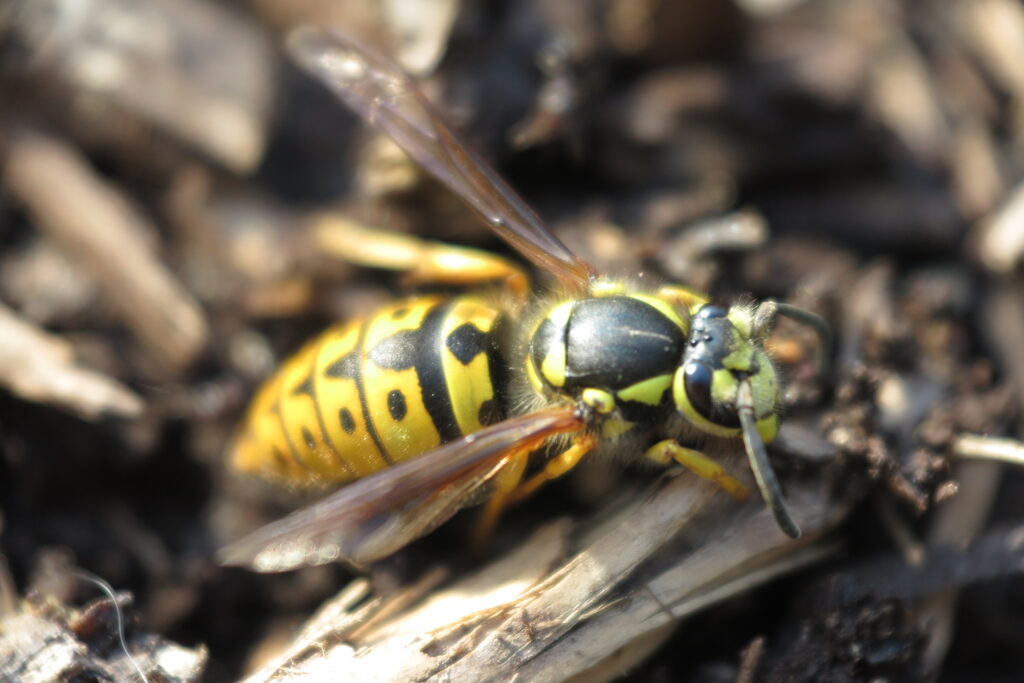
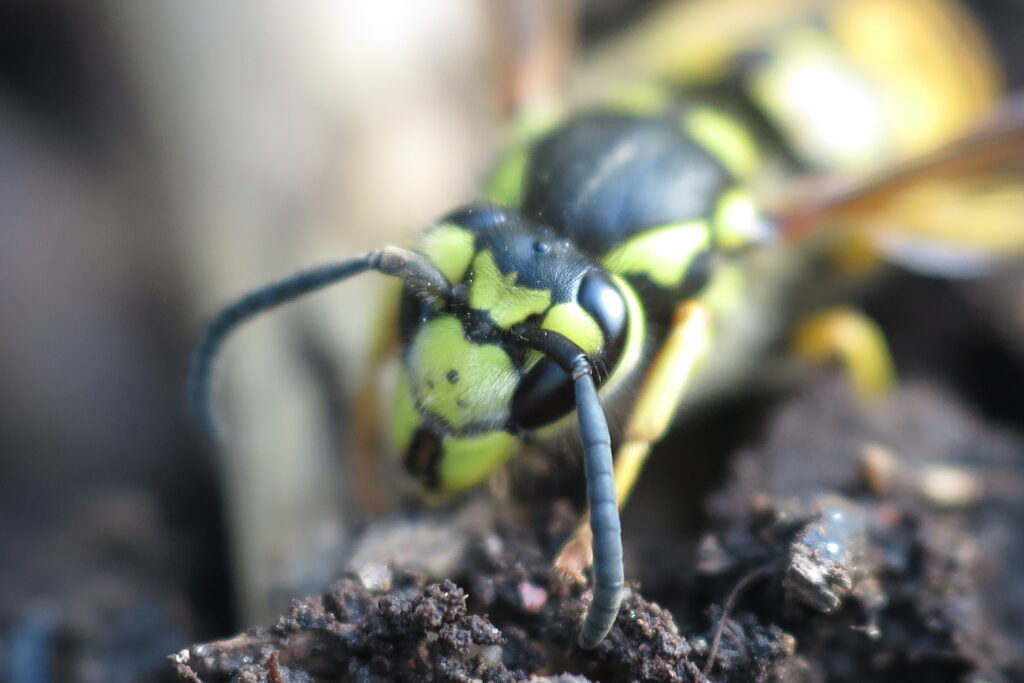
Yellowjacket Diet and Natural Food Sources
The primary food sources of yellowjackets include other insects, which provide essential protein. They actively hunt smaller insects, capturing and processing them using their strong mandibles. This predatory aspect of their diet plays a significant role in their feeding behavior.
In addition to hunting, yellowjackets consume carrion and other organic material, taking advantage of readily available protein sources. This scavenging behavior allows them to access nutrients without the need for constant hunting.
Sugar-based foods are also an important part of their diet. They feed on nectar, fruits, and other sweet substances, which provide quick energy. In environments influenced by human activity, they may also be drawn to sugary drinks and food residues.
Seasonal changes influence their diet significantly. Early in the season, protein sources are more important, while later periods see a shift toward sugar consumption. This change reflects evolving nutritional needs over time.
Yellowjacket Feeding Behavior and Survival Strategies
Yellowjackets use a combination of active hunting and opportunistic scavenging to secure food. Their fast, agile flight allows them to pursue prey or quickly locate food sources, making them highly effective foragers. Their movement is deliberate and efficient, minimizing wasted energy.
Foraging often involves continuous searching, with individuals moving from one location to another in quick succession. They do not rely on a single feeding site, instead covering ground rapidly to maximize resource discovery. This approach increases their chances of finding food in dynamic environments.
Competition for food can occur, particularly in areas where resources are concentrated. Yellowjackets may display assertive behavior when accessing food sources, using their speed and persistence to secure access. Their ability to quickly locate and exploit food gives them an advantage in competitive situations.
Survival is closely linked to their feeding efficiency. By maintaining a flexible diet and utilizing both hunting and scavenging strategies, yellowjackets ensure a consistent supply of nutrients. This adaptability allows them to thrive in a wide range of environments without dependence on a single food source.