
Common Plumose Anemone Reproduction Guide: Breeding, Growth, and Colony Formation
Quick Facts
Reproductive Method: Sexual and Asexual Reproduction
Breeding Type: Broadcast Spawning
Fertilization Method: External Fertilization
Larval Stage: Free-Swimming Planula Larva
Colony Expansion: Clonal Growth Through Division
Age of Maturity: Typically Several Years
Introduction to Common Plumose Anemone Reproduction
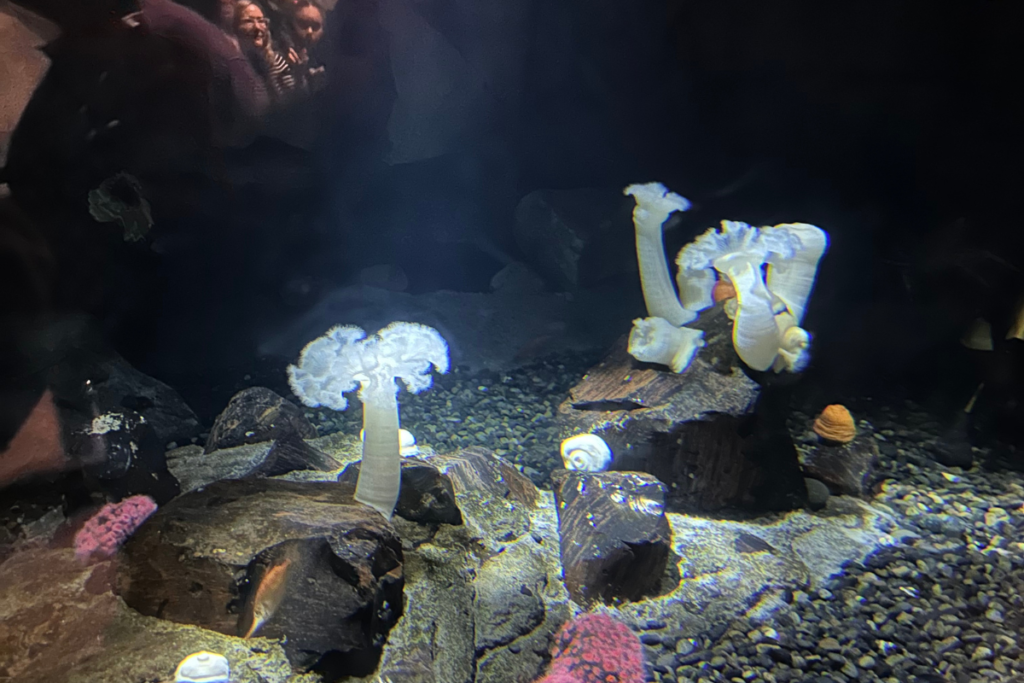
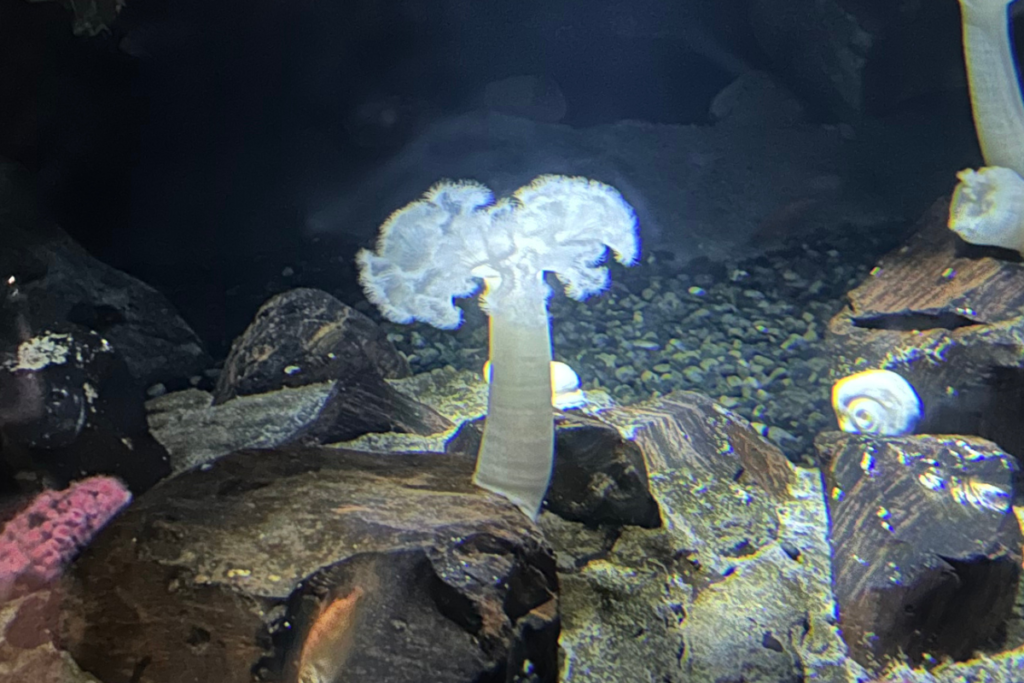
The Common Plumose Anemone (Metridium senile) is a widespread marine invertebrate found throughout temperate waters of the North Atlantic and North Pacific Oceans. While many people recognize the species for its feathery tentacles and flower-like appearance, its reproductive strategy is equally remarkable. The ability to reproduce through multiple methods has contributed significantly to its success across a broad geographic range.
Reproduction in marine environments presents unique challenges. Unlike terrestrial animals that often rely on direct contact, many marine species must reproduce within constantly moving water. The Common Plumose Anemone has evolved reproductive mechanisms that take advantage of ocean currents while maximizing opportunities for successful development.
One of the most fascinating aspects of this species is its ability to reproduce both sexually and asexually. These two approaches serve different purposes and provide distinct advantages. Together, they allow populations to expand locally while also maintaining genetic diversity across large geographic areas.
The result is a species capable of forming extensive colonies while simultaneously spreading to new regions. Understanding how Common Plumose Anemones reproduce provides valuable insight into why they have become one of the most abundant and recognizable sea anemones in temperate coastal ecosystems.
Common Plumose Anemone Sexual Reproduction and Spawning
Sexual reproduction begins when mature individuals release reproductive cells into the surrounding water. This process, known as broadcast spawning, allows sperm and eggs from multiple individuals to mix within the marine environment. Fertilization occurs externally rather than within the body of the parent.
Spawning events often involve large numbers of reproductive cells being released simultaneously. By producing substantial quantities, the species increases the likelihood that fertilization will occur successfully. This strategy is common among many marine invertebrates living in environments where water movement can rapidly disperse reproductive material.
Once fertilization takes place, tiny embryos begin developing within the water column. These early developmental stages are microscopic and largely invisible to human observers. Despite their size, they represent the beginning of a completely new generation of plumose anemones.
Ocean currents play an important role during this phase. Fertilized embryos may be transported considerable distances before further development occurs. This movement helps connect populations separated by large stretches of coastline and contributes to the species’ extensive distribution.
Compared to species that produce only a small number of offspring, the Common Plumose Anemone relies on numbers to improve reproductive success. While many embryos never survive to adulthood, producing large quantities increases the probability that some individuals will successfully complete development.
Common Plumose Anemone Larval Development and Settlement
Following fertilization, developing embryos eventually transform into free-swimming larvae known as planulae. These tiny organisms drift through the water while undergoing important developmental changes. At this stage, they bear little resemblance to the feathery adults commonly observed on rocks and marine structures.
The larval period functions as a dispersal stage within the life cycle. Ocean currents can transport larvae away from their place of origin, helping establish populations in new locations. In many ways, this process resembles plant seeds being carried by the wind to colonize distant areas.
As development continues, larvae gradually become capable of settling onto suitable surfaces. Finding an appropriate attachment site is a critical step because the future anemone will spend most of its life anchored to that location. Successful settlement marks the transition from a drifting larva to a stationary juvenile.
Once attached, the young anemone begins developing the structures characteristic of the species. The body column forms, tentacles emerge, and overall size gradually increases. These changes occur over time as the individual progresses toward maturity.
Growth during this period can be relatively slow compared to rapidly developing marine organisms. However, steady development allows the juvenile to gradually acquire the features necessary for long-term survival. Eventually, the small juvenile transforms into a recognizable Common Plumose Anemone.
Common Plumose Anemone Asexual Reproduction and Colony Growth
In addition to sexual reproduction, the Common Plumose Anemone possesses the remarkable ability to reproduce asexually. This process allows a single individual to generate genetically identical offspring without requiring fertilization. Asexual reproduction contributes significantly to local population expansion.
One common method involves the formation of clones through body division or tissue fragmentation. Small portions of tissue can develop into entirely new individuals under suitable conditions. This ability is comparable to a plant producing new growth from a cutting, except it occurs within an animal.
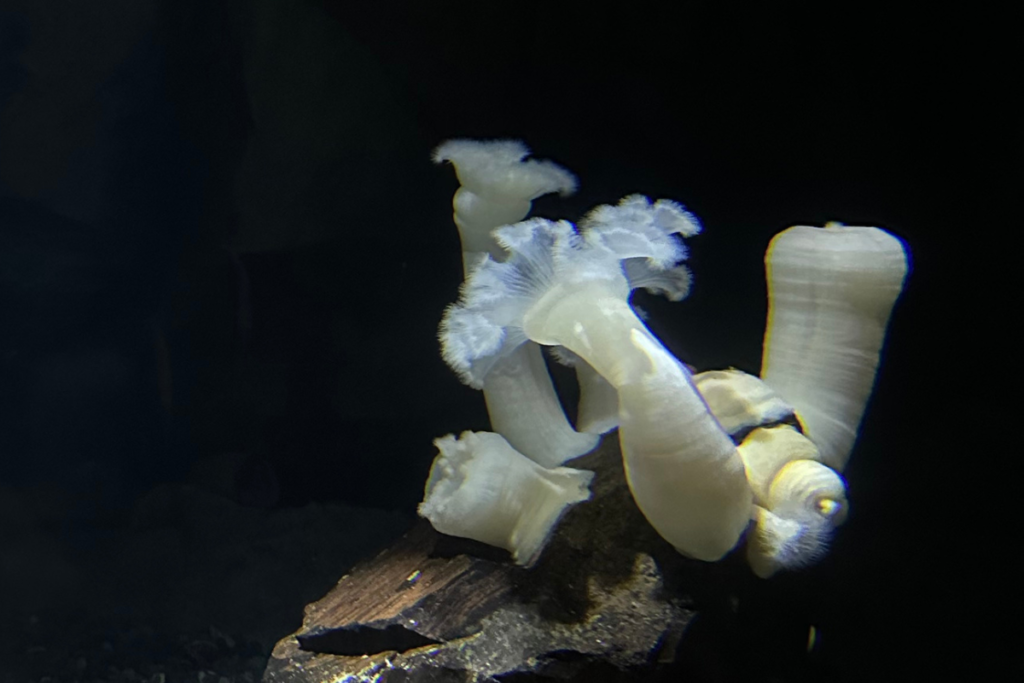
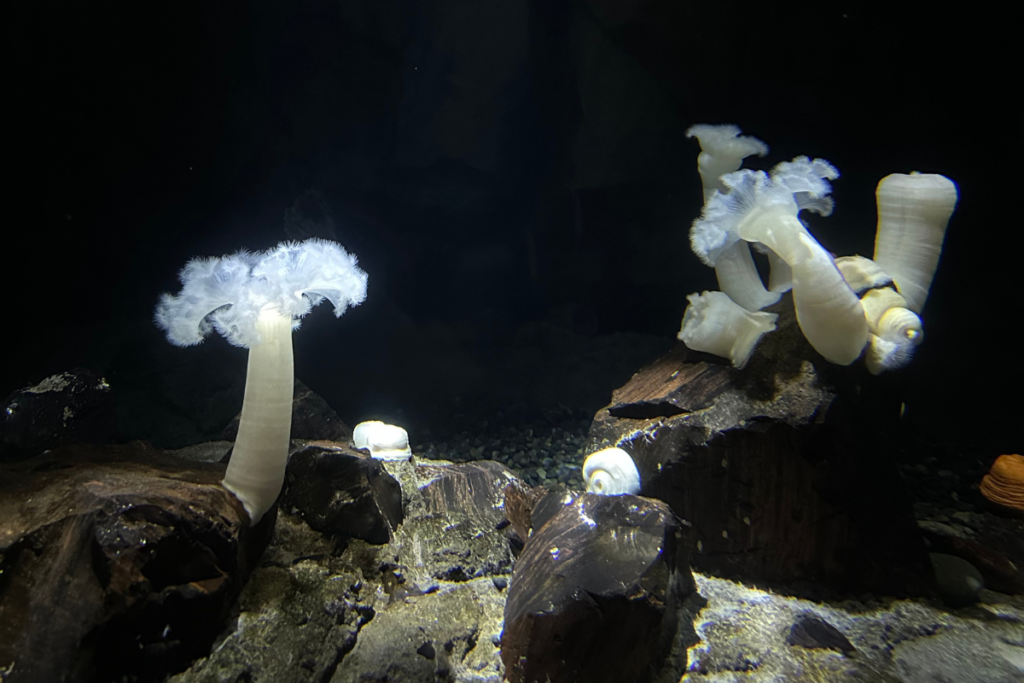
Asexual reproduction allows colonies to expand efficiently across available surfaces. Large clusters of plumose anemones often contain numerous genetically identical individuals derived from a common ancestor. These dense colonies can eventually cover extensive sections of rocks, pilings, and submerged structures.
The combination of sexual and asexual reproduction provides unique advantages. Sexual reproduction introduces genetic diversity, while asexual reproduction enables rapid local growth. Together, these strategies allow the species to balance adaptability with efficient expansion.
The reproductive success of the Common Plumose Anemone helps explain its widespread abundance throughout temperate marine environments. Through broadcast spawning, larval dispersal, settlement, and colony-forming asexual growth, the species has developed one of the most effective reproductive systems among coastal marine invertebrates. These processes ensure that future generations continue to populate shorelines, underwater structures, and marine ecosystems across much of the Northern Hemisphere.
Popular Searches About Plumose Anemones
Explore Plumose Anemone Guide
Explore More Exhibits

Support Encounters World
Help support wildlife photography and get behind the scenes discoveries on Patreon.