
Common Plumose Anemone Adaptations Guide: Specialized Features for Survival and Success
Quick Facts
Adaptation Type: Structural, Sensory, and Defensive
Primary Survival Feature: Dense Tentacle Crown with Stinging Cells
Attachment Adaptation: Powerful Basal Disc
Defensive Mechanism: Tentacle Retraction and Nematocysts
Feeding Adaptation: Suspension Feeding Through Water Currents
Environmental Advantage: Tolerance of Variable Coastal Conditions
Introduction to Common Plumose Anemone Adaptations
The Common Plumose Anemone (Metridium senile) inhabits temperate coastal waters throughout the North Atlantic and North Pacific Oceans. Although it appears delicate and flower-like, this species possesses a remarkable collection of adaptations that allow it to thrive in challenging marine environments. These specialized traits support feeding, protection, attachment, and long-term survival.
Marine ecosystems expose organisms to constant environmental pressures. Ocean currents, storms, predators, competition, and changing seasonal conditions all influence survival. The Common Plumose Anemone has evolved solutions to these challenges through a combination of physical structures and biological capabilities.
Many of its adaptations are immediately visible. The feathery crown of tentacles, tall body column, and strong attachment base all serve important purposes. Other adaptations operate at microscopic levels and may be impossible to observe without magnification.
Together, these characteristics allow the species to occupy coastal environments across a vast geographic range. Rather than relying on speed or mobility, the Common Plumose Anemone succeeds through specialized structures that maximize efficiency while minimizing unnecessary energy expenditure.
Common Plumose Anemone Structural Adaptations for Marine Life
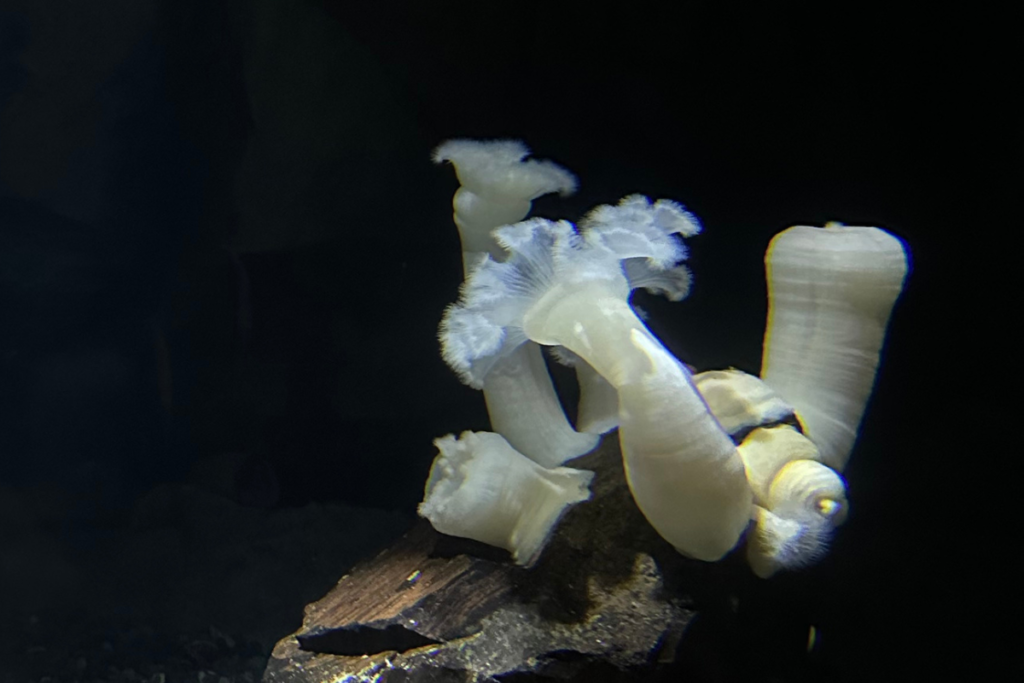
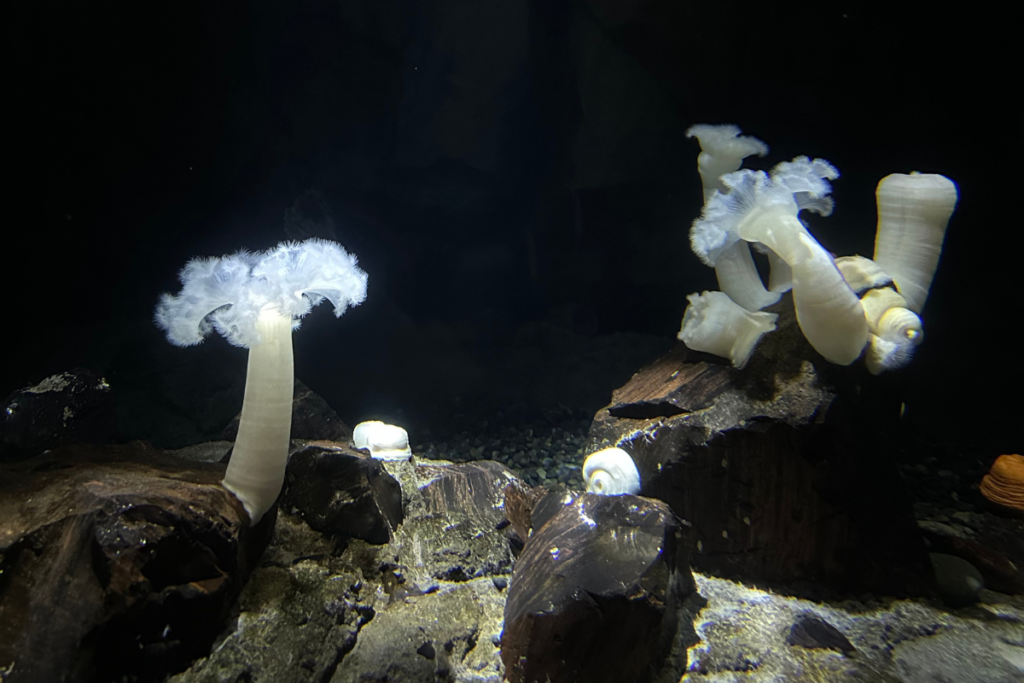
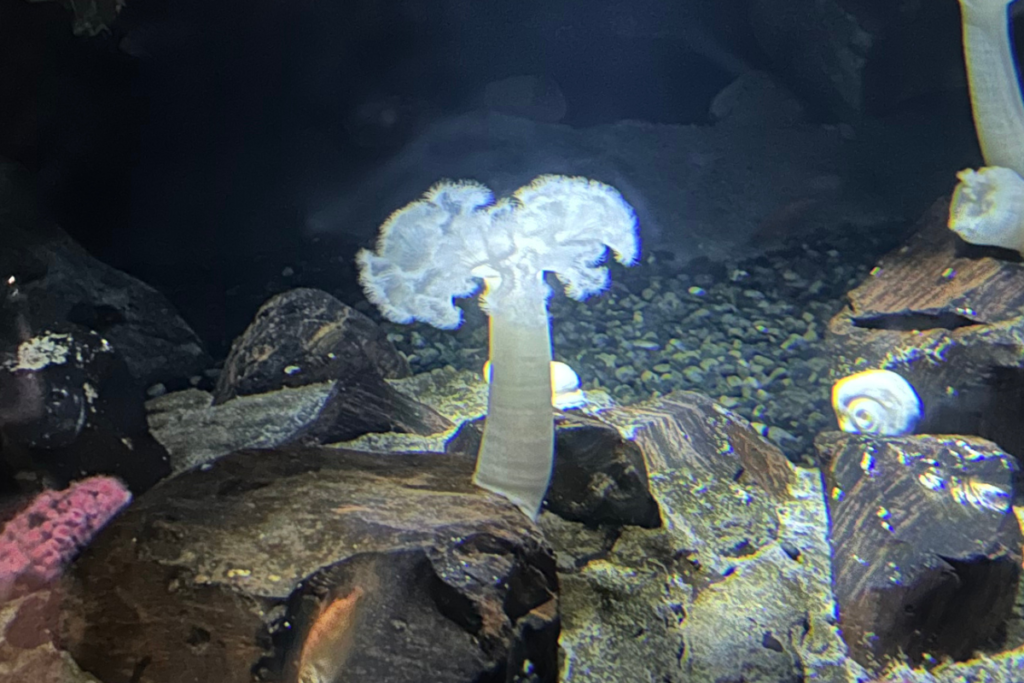
One of the most recognizable adaptations is the dense crown of tentacles covering the oral disc. Unlike many sea anemones that possess fewer, thicker tentacles, this species develops hundreds of fine tentacles arranged in a feather-like pattern. This structure dramatically increases the surface area available for interacting with the surrounding environment.
The body column provides another important adaptation. Tall and cylindrical, it elevates the tentacle crown above the attachment surface. This design is comparable to raising a flag on a pole, allowing the feeding structures to occupy a more advantageous position within moving water.
A powerful basal disc anchors the anemone securely to solid surfaces. This attachment structure functions much like a biological suction cup, helping the animal remain in place despite currents and wave action. Without such a strong connection, survival in dynamic coastal waters would be difficult.
Body flexibility represents another valuable structural adaptation. The column can expand, contract, shorten, or elongate depending on environmental conditions. This flexibility allows the anemone to adjust its overall shape without needing to relocate.
Together, these physical characteristics create an efficient body plan for life in temperate marine ecosystems. Every major structure contributes to survival, allowing the species to maintain stability while interacting effectively with its surroundings.
Common Plumose Anemone Feeding and Sensory Adaptations
The species is highly adapted for suspension feeding. Its extensive tentacle crown acts much like a finely woven net placed within flowing water. As currents move through the tentacles, food particles and small organisms are intercepted and directed toward the mouth.
Microscopic stinging cells known as nematocysts are among the most important feeding adaptations. These specialized structures function like tiny spring-loaded harpoons. When triggered, they help secure prey and prevent potential food items from escaping.
Tentacle arrangement also contributes significantly to feeding efficiency. Hundreds of closely packed tentacles increase the probability of contact with suspended food sources. This adaptation allows the animal to gather resources from large volumes of passing water without expending significant energy.
Despite lacking eyes or a centralized brain, the Common Plumose Anemone remains capable of responding to environmental stimuli. Chemical and physical cues provide information about surrounding conditions. These responses help regulate expansion, contraction, and other biological processes important for survival.
The combination of sensory responsiveness and feeding specialization allows the species to function efficiently in environments where food availability may fluctuate. These adaptations help explain its success throughout diverse coastal ecosystems.
Common Plumose Anemone Defensive and Environmental Adaptations
One of the most important defensive adaptations involves rapid tentacle retraction. When disturbed, the animal can withdraw delicate structures toward the body, reducing exposure to potential threats. This reaction resembles a turtle retreating into its shell for protection.
Nematocysts serve defensive purposes in addition to feeding. The microscopic stinging cells help discourage many organisms from making direct contact with exposed tissues. Although small, these structures provide an effective protective barrier.
Tolerance of environmental variation represents another significant adaptation. Coastal ecosystems experience changing temperatures, shifting tides, storm activity, and fluctuating water conditions throughout the year. The Common Plumose Anemone has evolved the ability to withstand many of these natural changes while maintaining long-term stability.
Its ability to reproduce asexually also functions as an adaptation. By producing genetically identical offspring through cloning processes, populations can expand rapidly when conditions are favorable. This capability helps colonies occupy available space and recover from disturbances.
Perhaps the greatest adaptation of the Common Plumose Anemone is the way multiple traits work together. Strong attachment structures, efficient feeding systems, defensive mechanisms, environmental tolerance, and reproductive flexibility collectively support survival. These adaptations have enabled the species to become one of the most widespread and successful sea anemones inhabiting temperate coastal waters throughout the Northern Hemisphere.
Popular Searches About Plumose Anemones
Explore Plumose Anemone Guide
Explore More Exhibits

Support Encounters World
Help support wildlife photography and get behind the scenes discoveries on Patreon.