
Common Plumose Anemone Predators Guide: Natural Threats, Defense Mechanisms, and Survival
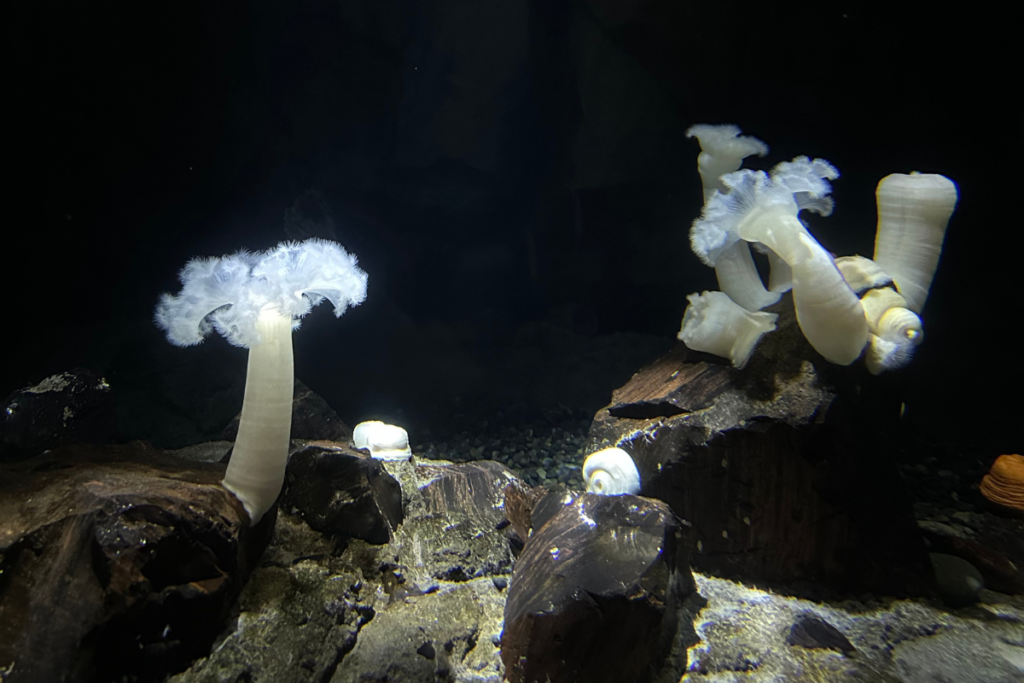
Quick Facts
Predator Type: Marine Invertebrates and Fish
Primary Predators: Nudibranchs, Sea Stars, Fish, and Crustaceans
Most Vulnerable Stage: Larval and Juvenile Stages
Main Defense: Stinging Cells (Nematocysts)
Predator Avoidance Strategy: Retraction and Secure Attachment
Survival Advantage: Regeneration and Colony Formation
Introduction to Common Plumose Anemone Predators
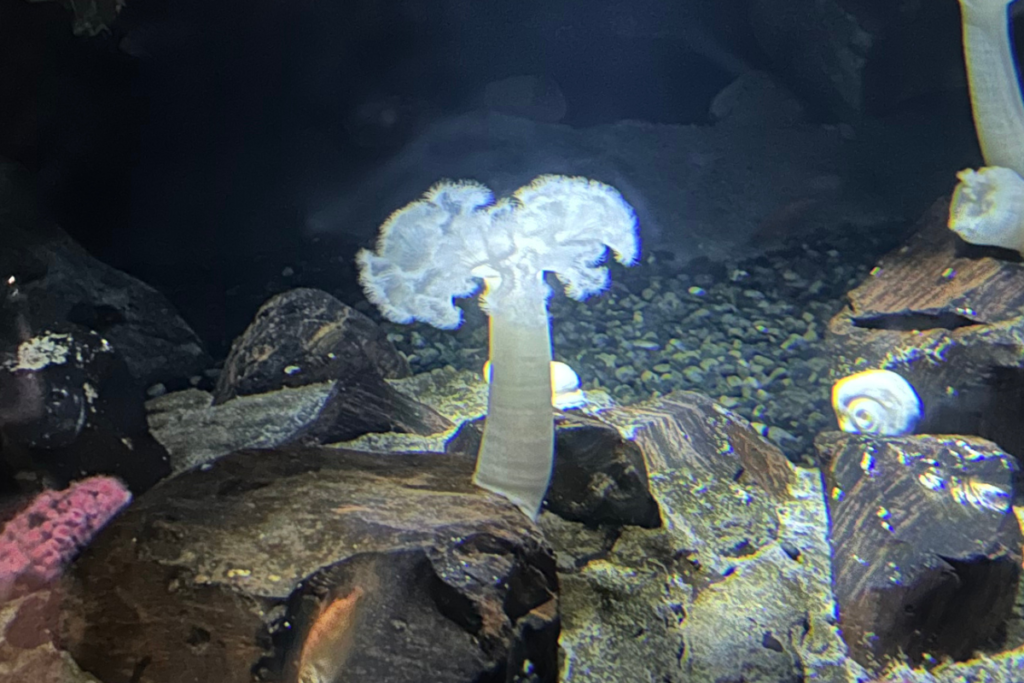
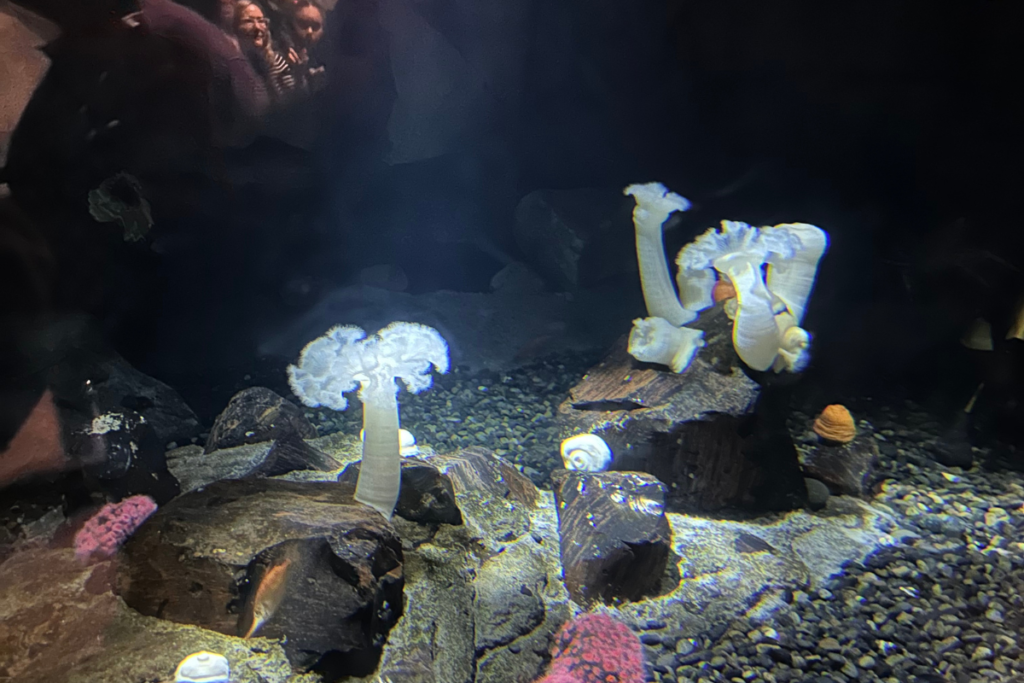
The Common Plumose Anemone (Metridium senile) is a widespread marine invertebrate found throughout the temperate waters of the North Atlantic and North Pacific Oceans. Although its feathery tentacles and flower-like appearance may seem delicate, this species exists within a complex marine food web where numerous animals can pose potential threats. Like all organisms, it must balance growth, reproduction, and survival in the presence of predators.
At first glance, the Common Plumose Anemone appears well protected. Its dense crown of tentacles, stationary lifestyle, and specialized stinging cells create the impression of an animal that is difficult to attack. While these adaptations provide important defenses, they do not eliminate predation entirely.
Predator pressure varies depending on life stage. Tiny larvae drifting through the water face a different set of threats than fully developed adults attached to submerged surfaces. The number of predators capable of consuming the species changes considerably as the anemone grows and develops.
Understanding the predators of the Common Plumose Anemone reveals how marine ecosystems remain balanced. Predation influences population size, colony structure, and long-term survival, making it an important ecological force throughout the species’ range.
Common Plumose Anemone Predators Throughout the Life Cycle
The greatest danger often occurs during the earliest stages of life. Fertilized eggs and developing embryos are extremely small and vulnerable within the marine environment. Numerous organisms may consume these microscopic life stages before development progresses further.
Larval anemones face even greater challenges. Drifting freely within ocean currents, they become part of the planktonic community and may be consumed by a wide variety of filter-feeding animals, fish, and marine invertebrates. At this stage, survival depends heavily on numbers and chance.
Once settlement occurs and juveniles attach to a surface, the range of predators begins to narrow. Small anemones remain vulnerable to animals capable of grazing or feeding on soft-bodied marine invertebrates. Their developing defenses offer some protection, but they are not yet as resilient as mature adults.
Adult Common Plumose Anemones benefit from larger size and more developed defensive structures. However, they are still susceptible to specialized predators that have evolved ways to overcome stinging cells and other protective mechanisms. These predators can exploit food sources that many other animals avoid.
Compared to the larval stage, adulthood represents a much safer period in the life cycle. Nevertheless, predation remains an important factor influencing population dynamics and survival throughout the species’ range.
Major Natural Predators of the Common Plumose Anemone
Nudibranchs are among the most significant predators of sea anemones. Certain species specialize in feeding on cnidarians and possess adaptations that allow them to tolerate or avoid stinging cells. These colorful sea slugs can consume portions of anemones that would deter many other marine organisms.
Sea stars also represent important predators in some regions. Certain species feed opportunistically on attached marine invertebrates and may consume portions of plumose anemone colonies. Their ability to feed externally allows them to exploit a variety of prey types.
Fish occasionally prey upon Common Plumose Anemones as well. While many fish avoid contact with stinging tentacles, some species are capable of feeding on soft-bodied marine invertebrates when opportunities arise. Predation pressure from fish tends to vary depending on local ecosystem conditions.
Crustaceans such as certain crabs may also contribute to predation. These opportunistic feeders often investigate attached marine organisms and can consume damaged or vulnerable individuals. Smaller anemones are generally at greater risk from these encounters.
Predator communities differ throughout the species’ geographic range. Some coastal ecosystems contain higher numbers of nudibranchs, while others experience greater predation from sea stars or fish. Regardless of location, the Common Plumose Anemone remains connected to a diverse network of marine predators.
Common Plumose Anemone Defense and Survival Adaptations
One of the most important defenses possessed by the Common Plumose Anemone is its collection of stinging cells known as nematocysts. These microscopic structures function like tiny spring-loaded harpoons that can discourage many potential predators. For numerous marine animals, contact with these cells serves as an effective deterrent.
Rapid tentacle retraction provides another valuable survival mechanism. When disturbed, the anemone can withdraw its delicate feeding structures toward the body. This response reduces exposed surface area and helps protect vulnerable tissues from damage.
Secure attachment to hard surfaces also contributes to survival. The powerful basal disc anchors the anemone firmly in place, making it difficult for predators to dislodge. This attachment functions much like a strong adhesive, allowing the animal to remain stable even under challenging conditions.
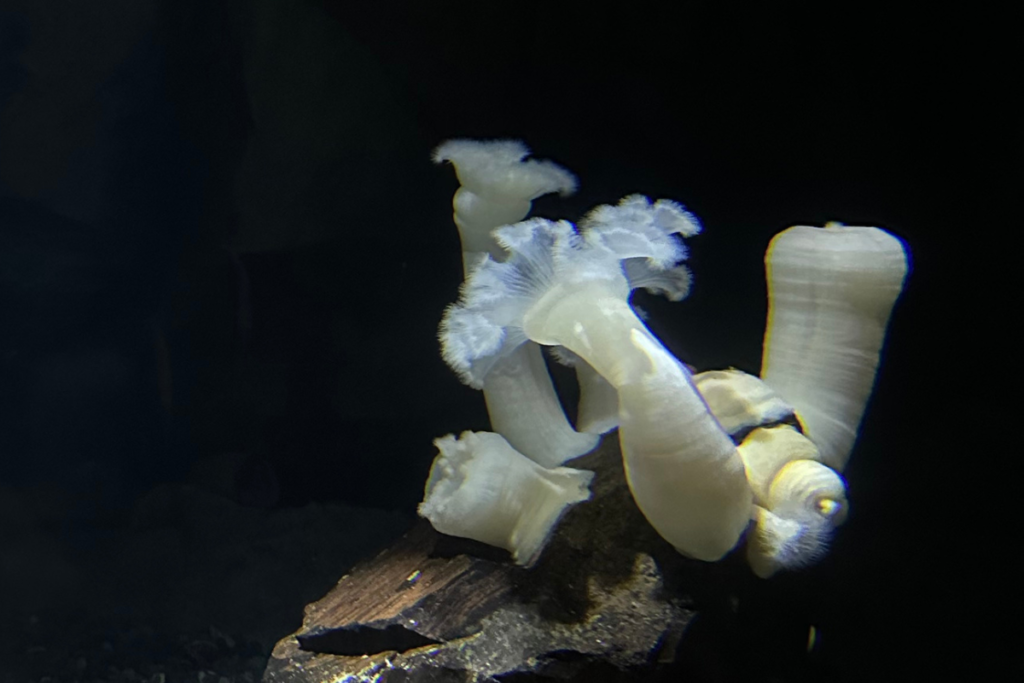
Colony formation offers additional advantages. Large groups of anemones create extensive living structures that may reduce the likelihood of individual predation. Dense colonies can also recover more effectively from localized losses because neighboring individuals continue to occupy the area.
Perhaps the most remarkable survival adaptation is regeneration. If portions of the body become damaged, the Common Plumose Anemone often possesses the ability to repair injured tissues. Combined with stinging cells, retraction, strong attachment, and colony growth, regeneration helps ensure long-term survival despite the presence of predators throughout temperate marine ecosystems.
Popular Searches About Plumose Anemones
Explore Plumose Anemone Guide
Explore More Exhibits

Support Encounters World
Help support wildlife photography and get behind the scenes discoveries on Patreon.