
Common Plumose Anemone Ecosystem Role Guide: Importance in Coastal Marine Ecosystems
Quick Facts
Ecosystem Role: Suspension-Feeding Marine Invertebrate
Food Web Position: Primary Consumer and Secondary Consumer
Ecological Contribution: Nutrient Cycling and Biodiversity Support
Community Function: Habitat Structure Provider
Environmental Impact: Improves Ecosystem Complexity
Ecosystem Type: Temperate Coastal Marine Communities
Introduction to the Common Plumose Anemone's Ecosystem Role
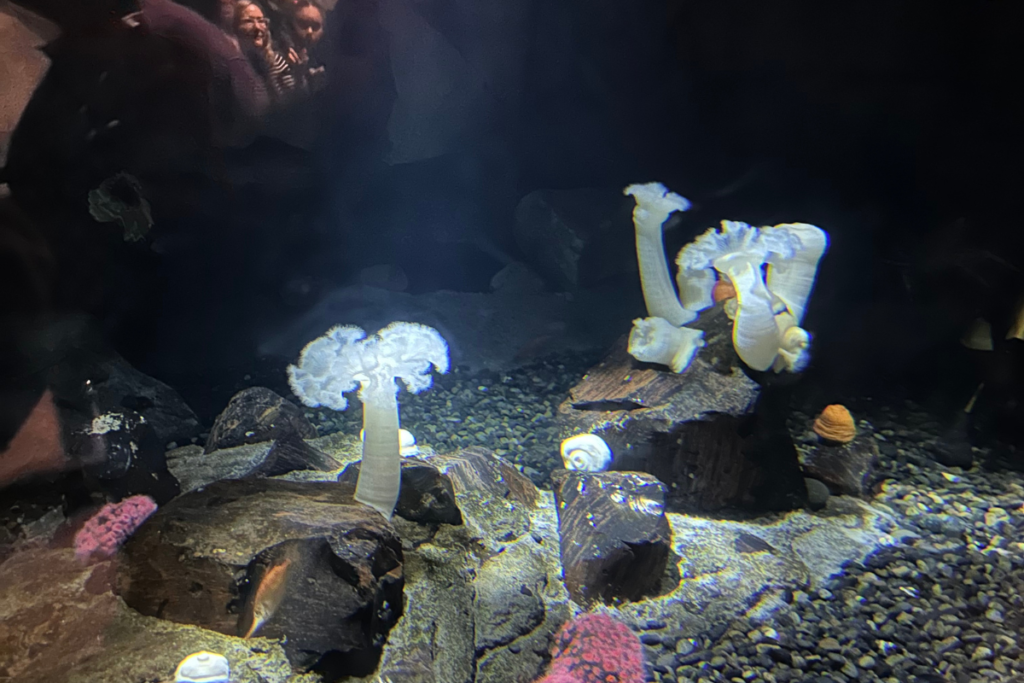
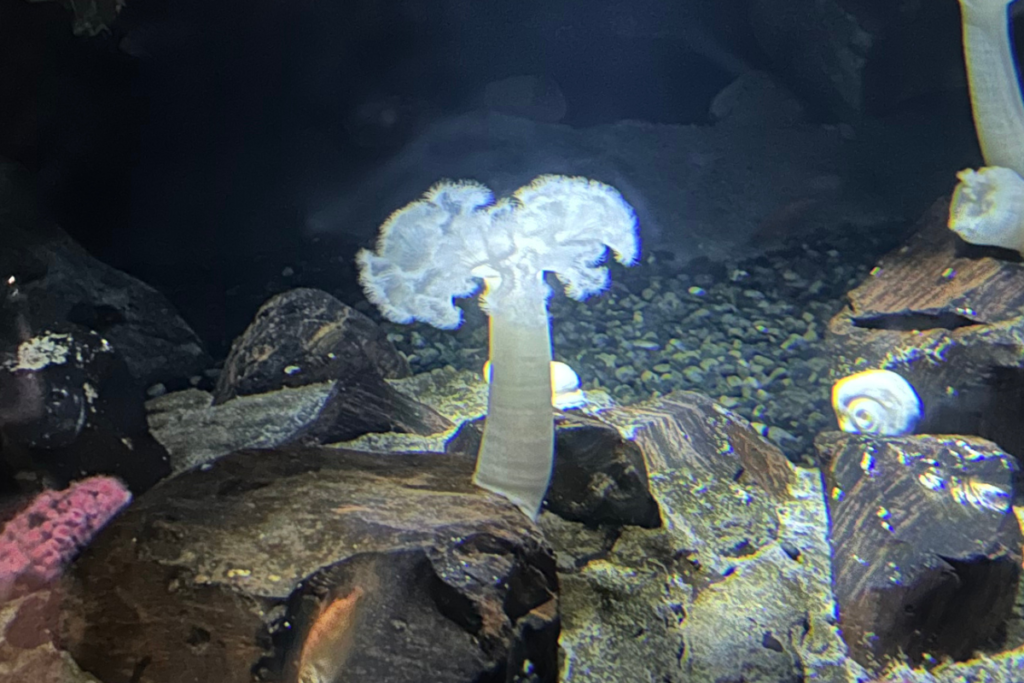
The Common Plumose Anemone (Metridium senile) is one of the most recognizable marine invertebrates inhabiting temperate coastal waters of the North Atlantic and North Pacific Oceans. Although often admired for its feathery appearance, the species serves an important ecological purpose beyond its visual appeal. Within marine ecosystems, it contributes to biodiversity, energy transfer, and community structure.
Coastal marine environments depend on countless species performing specialized roles. Every organism, from microscopic plankton to large marine mammals, contributes to the functioning of the ecosystem. The Common Plumose Anemone occupies a unique position within this network by linking suspended marine resources with larger ecological processes.
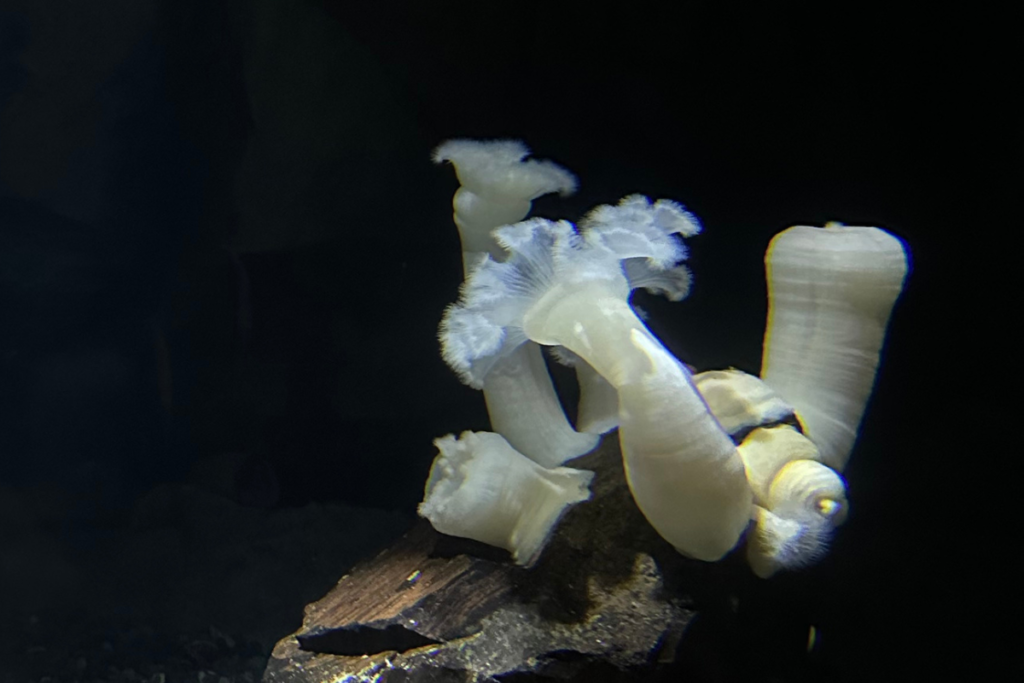
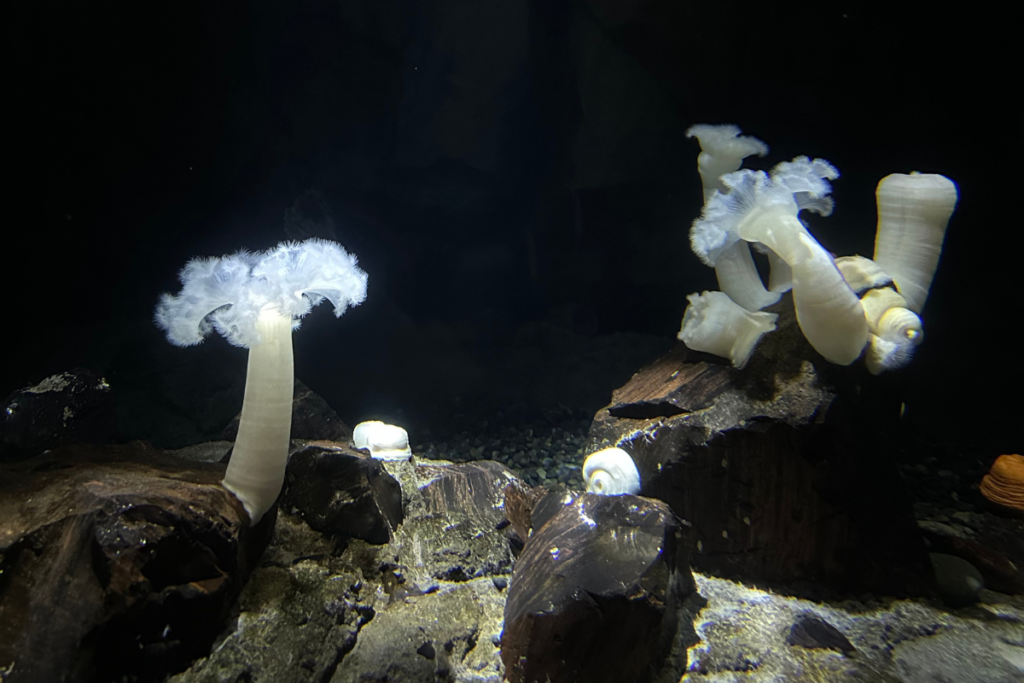
Large colonies frequently develop on rocks, pilings, docks, and underwater structures. These aggregations create living communities that become integrated into broader marine ecosystems. Their presence often transforms otherwise simple underwater surfaces into biologically active habitats.
Understanding the ecological importance of the Common Plumose Anemone provides insight into how marine ecosystems maintain balance. While individual anemones may appear small and insignificant, their collective contributions influence numerous species and environmental processes throughout their range.
Common Plumose Anemone Position Within the Marine Food Web
The Common Plumose Anemone functions as an important participant in coastal food webs. Through its feeding activities, it captures suspended organisms and organic material from the water column, helping transfer energy into benthic marine communities. This role connects open-water biological productivity with life attached to underwater surfaces.
Energy moves through ecosystems in a series of linked pathways. Organisms at different trophic levels capture, process, and transfer resources to other species. The Common Plumose Anemone contributes to this process by converting tiny drifting organisms into biomass that becomes available to higher levels of the food web.
Unlike highly mobile predators that actively hunt prey, the species occupies a more stationary ecological position. Its role resembles a collection point where energy moving through coastal waters becomes incorporated into marine communities. This function helps support the overall flow of nutrients and biological resources.
The anemone also serves as a food source for certain specialized predators. By occupying both consumer and prey roles, it creates connections between multiple trophic levels. These interactions strengthen the complexity and stability of coastal food webs.
Without organisms performing intermediate ecological functions, ecosystems often become less efficient at distributing energy. The Common Plumose Anemone helps bridge this gap, ensuring resources continue moving through the marine environment and supporting a wide variety of associated species.
Common Plumose Anemone Contributions to Marine Biodiversity
One of the species’ most significant ecological contributions involves increasing habitat complexity. Large colonies create textured surfaces that differ dramatically from bare rock or artificial structures. These living formations provide opportunities for numerous smaller organisms to occupy the same environment.
Marine biodiversity often increases when structural complexity is present. Areas containing plumose anemone colonies frequently support a greater variety of organisms than nearby featureless surfaces. The anemones help create microhabitats that can be utilized by small invertebrates and other marine life.
Dense aggregations may function similarly to underwater gardens. Just as vegetation creates shelter and resources within terrestrial ecosystems, anemone colonies add complexity to coastal marine communities. This increased structural diversity benefits many species beyond the anemones themselves.
Artificial marine structures offer a particularly clear example of this contribution. A plain dock piling may initially provide limited ecological value, but once colonized by plumose anemones, it can become a thriving marine community. The species helps convert simple surfaces into biologically productive environments.
Biodiversity is a cornerstone of healthy ecosystems. By creating habitat, increasing structural variety, and supporting associated organisms, the Common Plumose Anemone contributes significantly to the richness of coastal marine communities throughout its range.
Common Plumose Anemone Influence on Ecosystem Health and Stability
The Common Plumose Anemone contributes to ecosystem stability through its participation in nutrient and energy cycling. Resources captured from the water column become incorporated into local food webs, helping connect different components of the marine environment. This process supports long-term ecological function.
Its presence can also serve as an indicator of productive coastal ecosystems. Healthy populations often occur where marine conditions support diverse communities of invertebrates, fish, and other organisms. As a result, extensive colonies frequently reflect broader environmental quality.
A useful comparison can be made to trees within a forest ecosystem. Individual trees provide structure, support biodiversity, and influence environmental conditions. Similarly, large colonies of Common Plumose Anemones help shape underwater communities by adding complexity and creating opportunities for other species.
Because the species often forms long-lived colonies, its ecological influence may persist for many years. These stable communities provide continuity within environments that experience seasonal changes, storms, and other natural disturbances. Long-term presence strengthens overall ecosystem resilience.
Ultimately, the Common Plumose Anemone plays a role far greater than its appearance might suggest. Through energy transfer, habitat creation, biodiversity support, and contributions to ecosystem stability, it helps maintain the health of temperate coastal waters. Its ecological importance demonstrates how even stationary marine invertebrates can have a profound influence on the functioning of marine ecosystems.
Popular Searches About Plumose Anemones
Explore Plumose Anemone Guide
Explore More Exhibits

Support Encounters World
Help support wildlife photography and get behind the scenes discoveries on Patreon.